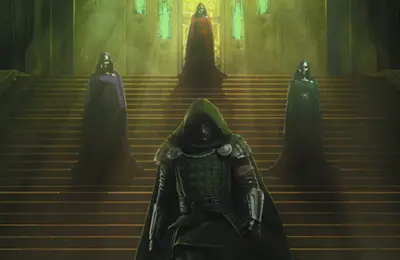
Valve’s highly anticipated and arguably worst-kept secret, the multiplayer tactical shooter Deadlock, has received a monumental, game-altering content drop. Dubbed the "City Never Sleeps" update, this massive patch has fundamentally overhauled the title’s vertical urban landscape, completely redecorating the sprawling fictional metropolis with a haunting, atmospheric coat of paint that leans heavily into Gothic and uncanny aesthetics. Among the most talked-about elements of this patch is the official integration of six brand-new playable heroes, transitioning from community-driven concepts to fully realized members of the game’s official roster.
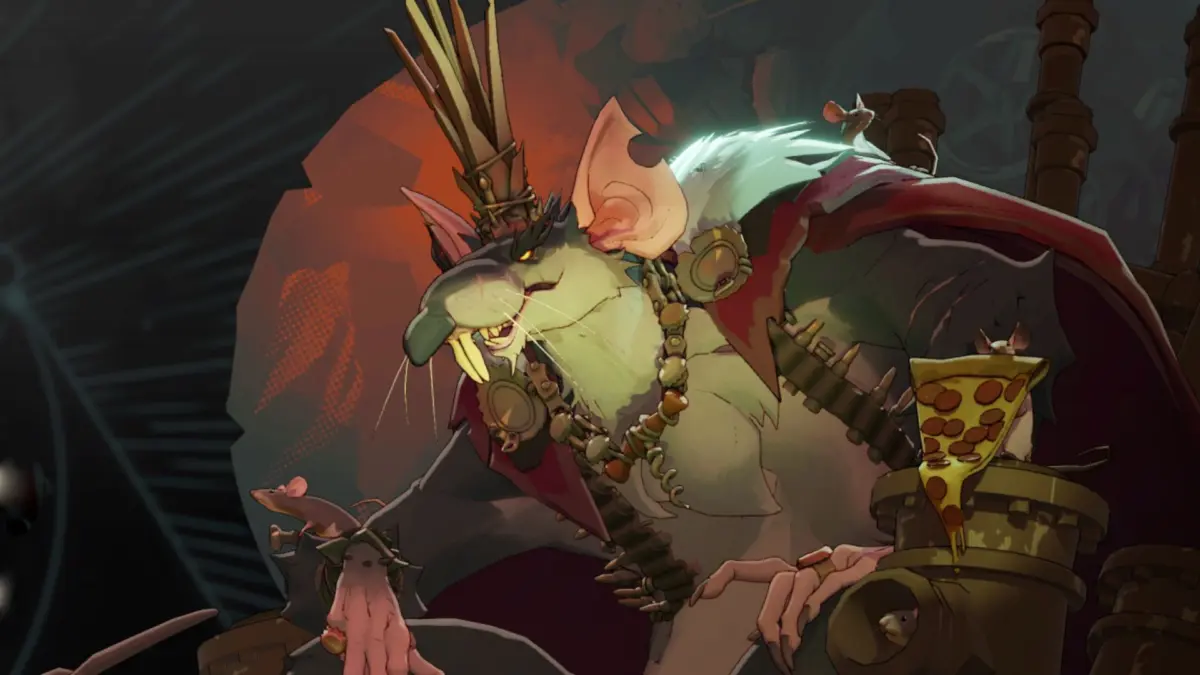
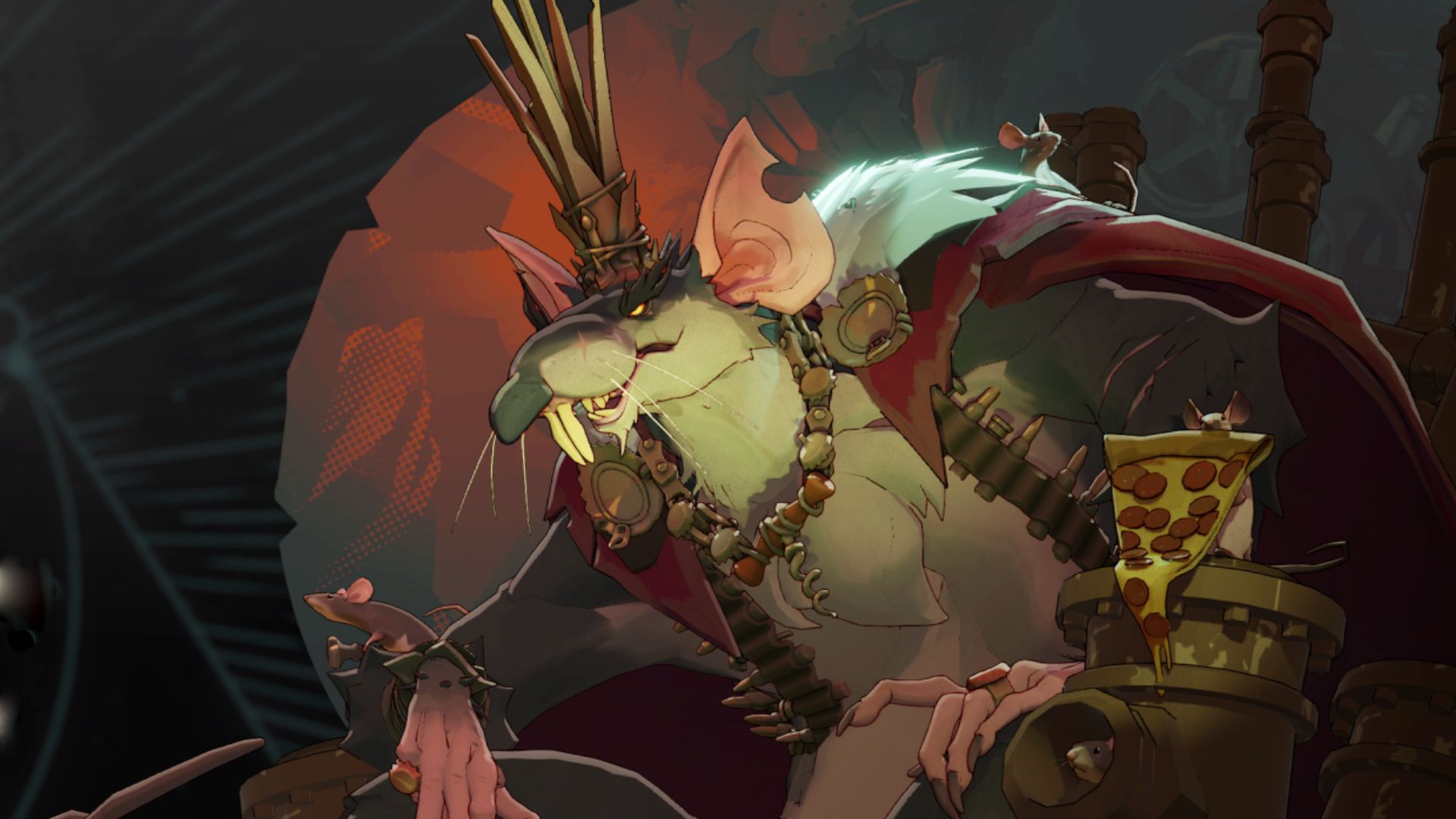
Leading the charge among these newcomers is the "Rat King," a towering, tank-class humanoid rodent whose aesthetic sits comfortably at the intersection of dark fantasy and satirical cyberpunk noir. Clad in a majestic, scrap-metal throne and sporting an imposing cape, the Rat King has quickly captivated the Deadlock community. However, it is not merely his imposing silhouette or his frontline durability that has captured the attention of players and data-miners alike; it is the staggering, unprecedented level of narrative and audio-design granularity lavished upon him by Valve’s writing and sound teams.
With over 1,500 individual voice lines—including more than 100 dedicated strictly to his signature rat-tossing abilities—the Rat King represents a new gold standard for character personality in the hero-shooter and MOBA spaces. By bestowing individualized names, distinct personalities, and even complex socio-familial structures upon the individual rodents hiding beneath the hero’s cape, Valve has once again demonstrated its peerless commitment to environmental storytelling and lore-rich game design. This report provides an in-depth analysis of the "City Never Sleeps" update, the mechanical and narrative anatomy of the Rat King, and what this massive injection of personality means for the future trajectory of Deadlock.
Detailed Chronology: From Fan-Concept to Official Roster and the Evolution of the "City Never Sleeps" Update
The journey of the Rat King from a speculative forum post to a fully animated, playable character encapsulates the uniquely collaborative, closed-alpha development cycle that Valve has championed for Deadlock.
Phase 1: The Community Genesis
Weeks prior to the official patch, speculative concepts began circulating within underground Deadlock community hubs, most notably on the game’s dedicated Reddit community (r/DeadlockTheGame). Users conceptualized a tank hero centered around vermin control, blending urban decay aesthetics with high-fantasy monarch archetypes. Valve, known for its historically close relationship with community-driven content (dating back to the Team Fortress and Dota days), quietly took note. What began as a piece of speculative fan art and mechanical theory-crafting was rapidly greenlit, weaponized, and polished behind closed doors.
Phase 2: The Infrastructure Overhaul
The deployment of the "City Never Sleeps" update marked the most significant developmental milestone for Deadlock since the game entered its pseudo-public, invite-only playtest phase. The patch did not merely introduce characters; it reconstructed the psychological and visual identity of the game world. The map received dramatic lighting passes, seasonal atmospheric adjustments, and spatial redesigns that altered lane pacing, teamfight bottlenecks, and vertical traversal routes.
Phase 3: The Hero Class Expansion
Simultaneously, Valve dropped six new classes into the fray, diversifying team compositions and shifting the meta entirely. While the other five heroes introduced distinct tactical archetypes—ranging from high-mobility assassins to crowd-control-heavy support units—the Rat King dominated the community discourse due to the sheer comedic and narrative brilliance of his design execution. The introduction of these six classes pushed the active roster into a far more complex strategic state, forcing veteran players to relearn matchups, item builds, and map geometry under the glow of the update’s spooky new aesthetic.
Supporting Context & Metrics: The Anatomy of an Obsession and Valve’s Audio Engineering Feat
To understand the sheer magnitude of the Rat King’s audio footprint, one must look directly at the data extracted by the community via resources like the Deadlock Voice Line Viewer. The metrics surrounding this character are staggering, defying standard industry practices for hero design.
The Numbers Game
- Total Voice Lines: 1,534 individual utterances. This puts the Rat King on par with, or exceeding, the baseline voice-line density of veteran characters who have undergone years of script expansions.
- Ability-Specific Lines: A remarkable 126 voice lines are exclusively mapped to his "Rat Swarm" power—an ability where the Rat King sweeps open his resplendent cape to unleash a wave of biting, spirit-damage-dealing rodents onto opposing players.
- Named Entities: Unlike standard hero shooters where summoned entities are treated as faceless minions, the Rat King’s dialogue explicitly references distinct, named rats and factions, elevating simple spell-casting into a theatrical performance.
A Breakdown of the Rat Royalty
A cursory glance through the Rat King’s script reveals an astonishingly rich sub-lore of vermin management. Rather than yelling generic combat cues, the character treats his swarm as a disciplined army of quirky individuals. Notable dialogue highlights include:
- Direct Individual Shout-Outs: "Get ’em Lou!", "My boy Widget is gonna chew you up!", and the ominous medical warning: "Rabies Ronnie has a gift for ya. Surprise, it’s rabies!"
- Factional Groupings: The dialogue implies deep, almost mafia-esque underworld politics residing beneath the royal fabric. Callouts such as "The Pantegana boys say hello!" and "Say hello to the McMullen gang!" ground the character in Deadlock’s gritty, urban criminal underworld.
- Modern Subcultural Incongruity: Perhaps the most famous line discovered by data-miners thus far showcases Valve’s trademark absurd humor: "I brought Gumdrop’s whole polycule!"
This level of granular writing transforms what could have been a standard, gimmicky summoner-class tank into a deeply memorable, meme-worthy icon of the game.
Official Statements and Industry Insights: The Philosophy Behind "Because Valve Can"
When game developers are asked why they dedicate thousands of man-hours to writing, recording, and programming over a hundred lines of dialogue for a single, localized skill that players might only hear in passing, the pragmatic industry answer is usually rooted in efficiency and budget constraints. Valve, however, operates under an entirely different financial and creative paradigm.
Industry analysts and community observers frequently point to Valve’s unique corporate structure—one devoid of traditional publisher oversight and short-term quarterly profit pressures—as the primary driver behind such extravagant design choices. As commentary surrounding the update suggests, the short answer to why the Rat King possesses 126 lines for a single ability is simply, "Because Valve can."
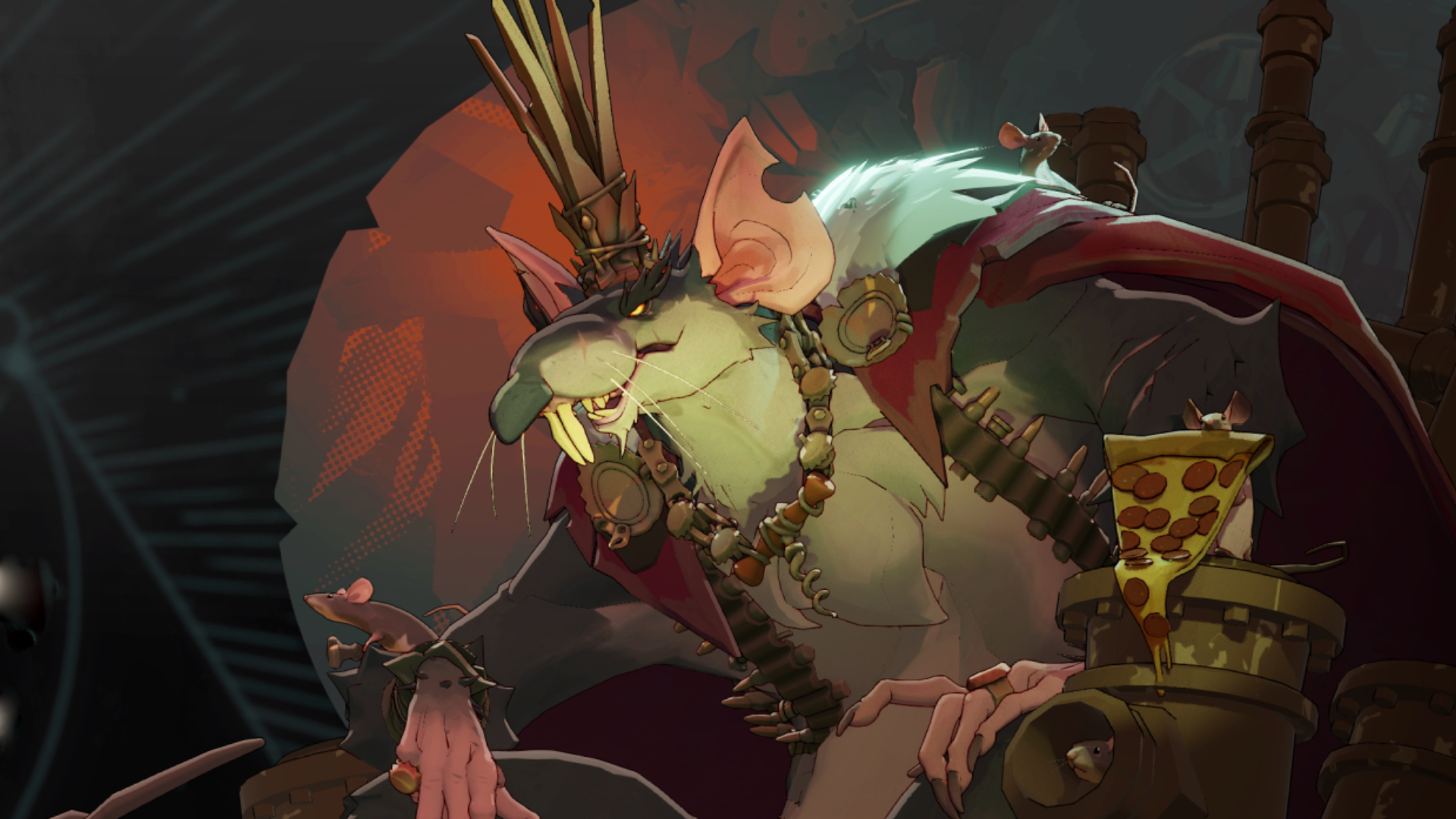
Furthermore, the "City Never Sleeps" update reflected a systemic philosophy shift across the entire roster. Alongside the debut of the six new heroes, Valve covertly doubled the total volume of voice lines for every pre-existing character in the game. This massive script expansion was designed to make the world of Deadlock feel reactive, alive, and dripping with interpersonal drama. Heroes now dynamically comment on map changes, enemy item purchases, lingering teammate deaths, and specific tactical synergies.
In a statement regarding the ongoing development philosophy of Deadlock, representatives of the development collective have continually emphasized that world-building and emergent narrative mechanics take precedence over rapid commercial release schedules. By ensuring that every character possesses deep narrative hooks, Valve is intentionally building an emotional attachment between the player base and the game’s roster long before the title reaches a commercial storefront.
Future Outlook: The Closed-Alpha Paradox and the Road Ahead for Deadlock
As the dust settles on the "City Never Sleeps" update, the broader games industry continues to marvel at the anomalous trajectory of Deadlock. Despite existing in a state that requires players to secure a direct invite from existing participants to even download and experience the game, Deadlock routinely commands massive concurrent player counts, dominating streaming platforms and community discussion boards.
The Invite-Only Paradox
Valve’s refusal to rush the game into an open beta or commercial launch highlights a luxury afforded almost exclusively by the company’s immense financial backing via Steam. There is no pressing corporate or financial need to force Deadlock out of the door before its mechanics, balance patches, and artistic layers are entirely finalized. This slow-cooker approach allows updates like the Rat King’s introduction to be massive, polished cultural events rather than rushed patches designed to hit fiscal deadlines.
What Lies Ahead?
Looking forward, several key trajectories are defining the horizon for Deadlock:
- Roster Expansion Stabilization: With six new heroes joining the meta, balance patches will inevitably dominate the short-term schedule as Valve analyzes win-rates, team composition dominance, and item optimization for characters like the Rat King.
- Lore and Narrative Deepening: Given the hyper-detailed attention paid to the Rat King’s personal rat-crew and factions like the McMullen gang, players anticipate future updates will introduce deeper narrative questlines, environmental storytelling nodes, or even PvE/campaign-adjacent elements within the city.
- The Eventual Public Launch: While Valve has remained notoriously tight-lipped regarding an official release date or open-beta transition, the sheer volume of content being pumped into the game suggests that the infrastructure is steadily maturing toward a broader public unveiling.
Ultimately, the Rat King is more than just a funny tank with an army of named rodents—he is a testament to what happens when legendary game developers are given the time, resources, and creative freedom to inject genuine soul into the digital worlds they build. Whether you are charging into battle alongside "Rabies Ronnie" or dodging the wrath of "Widget," Deadlock proves that the modern hero shooter still has plenty of innovative, chaotic life left in it.