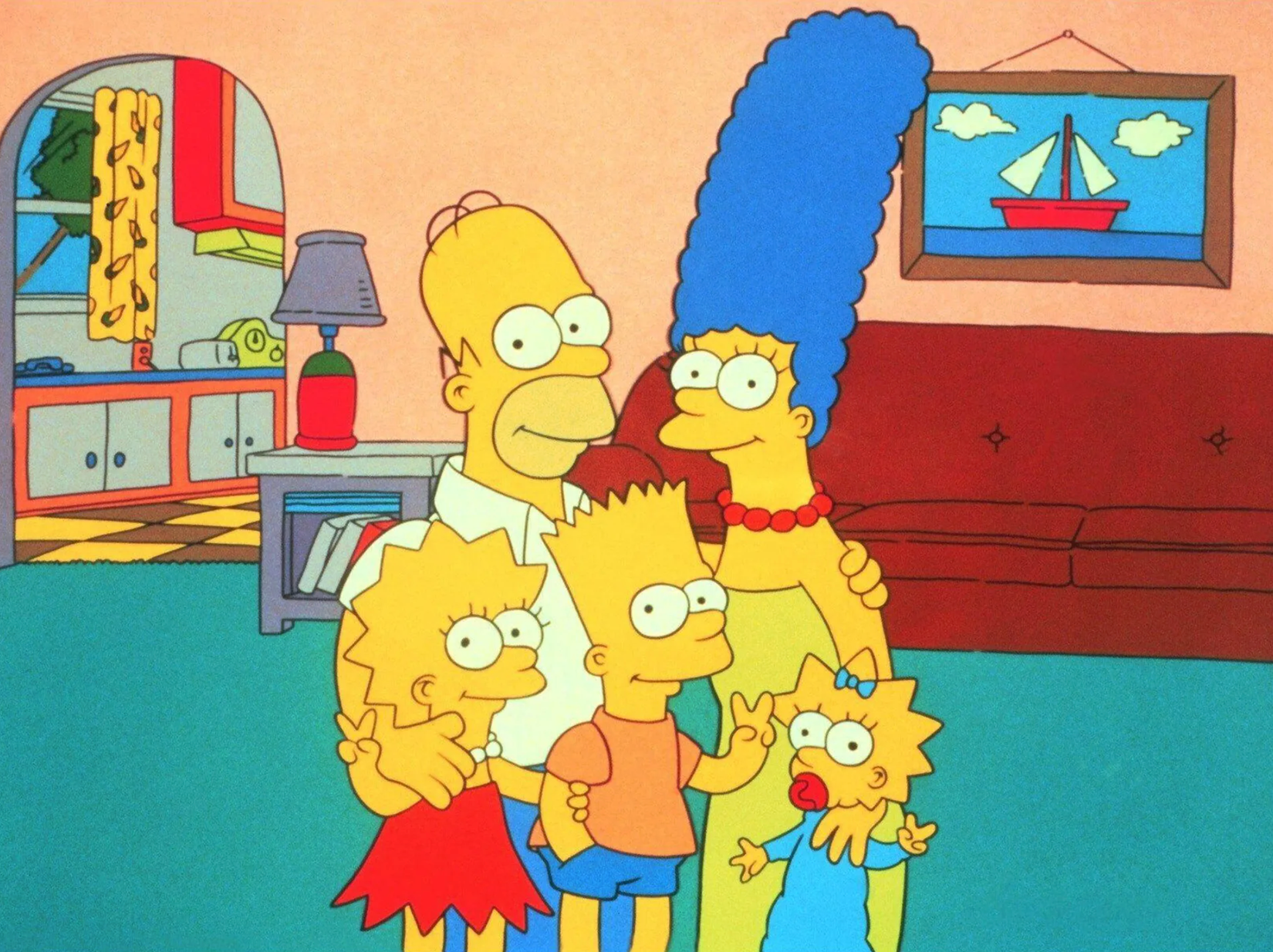
As The Simpsons officially launches its milestone 38th season with the premiere of "The Children’s Book Job"—featuring guest star Emma Thompson alongside an upcoming roster boasting Owen Wilson, Meg Ryan, and the triumphant return of Joe Mantegna as Fat Tony—the cultural behemoth continues to defy television gravity. Yet, even as the animated staple presses forward into its fourth decade on air, the discourse surrounding the series increasingly pivots from episodic reviews to existential queries about its longevity, the evolution of its voice talent, and the friction between legacy and modernization.
In a wide-ranging, exclusive interview with Polygon, co-executive producer Mike Price sat down to discuss the creative trajectory of the current season. However, the conversation quickly broadened to address some of the most persistent, pressing, and peculiar questions echoing through the digital corridors of the Simpsons fandom. From recent headlines involving voice cast speculations and artificial intelligence to long-standing character mysteries and the development of the next theatrical outing, Price offered candid insights into the inner workings of Gracie Films and 20th Century Television.
This report synthesizes Price’s revelations, contextualizes recent commentary from core cast members Hank Azaria and Nancy Cartwright, and examines the structural realities facing Springfield as it maps out a future well beyond its current pickup thresholds.
Detailed Chronology
To fully understand the current state of The Simpsons, one must trace the timeline of key developments that have kept fans, journalists, and industry insiders debating the show’s trajectory over the past several years:
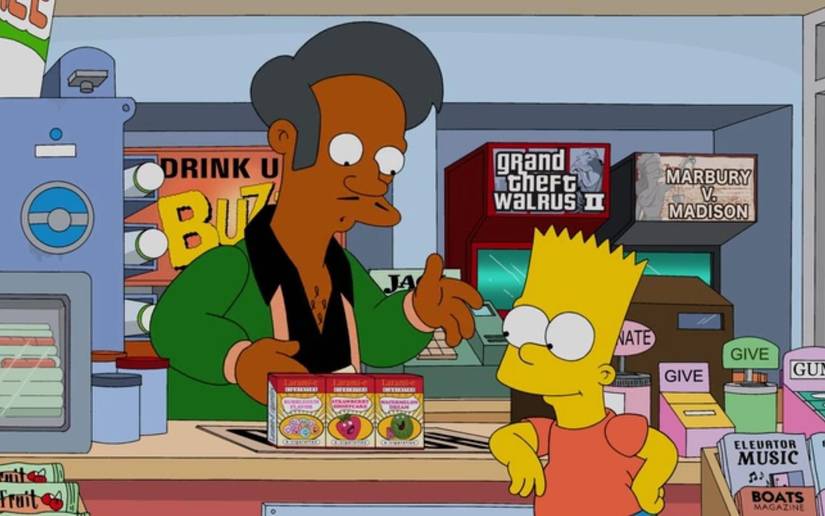
2017: Comedic filmmaker Hari Kondabolu releases the documentary The Problem with Apu, sparking an intensive global debate regarding the representation of South Asian characters and the cultural stereotyping inherent in Apu Nahasapeemapetilon. Following this, the character is quietly phased out of active dialogue in the series.
Early 2026: Longtime cast member Hank Azaria makes lighthearted remarks regarding the potential rise of artificial intelligence in the entertainment sector, joking that synthetic voice tools might eventually replace human actors. This quip quickly goes viral, igniting serious ethical and professional debates across fan forums and industry trades regarding the sanctity of human performance in animation.
January 2026: Nancy Cartwright, the legendary voice behind Bart Simpson, speculates in media interviews that the iconic series might naturally conclude its historic run around its 40th season, sending shockwaves through the fandom.
Late September 2026:The Simpsons debuts its 38th broadcast season with "The Children’s Book Job," kicking off another year of high-profile guest stars and established narrative arcs.
Present: Co-executive producer Mike Price addresses these unfolding narratives in an exclusive post-premiere debrief, firmly shutting down rumors of an impending series finale, pushing back against AI replacement fears, and clarifying the status of the show’s secondary characters and upcoming cinematic projects.
Supporting Context & Metrics
The longevity of The Simpsons is an unprecedented anomaly in the history of broadcast television. Having surpassed historic milestones years ago, the production pipeline operates with a unique combination of veteran institutional knowledge and incoming creative talent.
The Engine Behind Springfield
The administrative and creative weight of the show rests heavily on its production team, including showrunners, writers, and co-executive producers like Mike Price. Maintaining a writers’ room for nearly four decades requires a delicate balance of self-referential humor, topical satire, and character-driven storytelling. While the series has transitioned from its 1990s cultural peak into a modern institution distributed globally via Disney+, its core production metrics remain formidable:
Episode Count: Approaching nearly 800 produced episodes.
Season Orders: The network has officially commissioned the series through its landmark 40th season.
Cast Stability: The principal voice cast—featuring legendary talents who have defined American animation for generations—remains largely intact, though adaptation to modern recording technologies and industry shifts has become a standard part of their operational environment.
Official Statements & Fan Inquiries
During his discussion with Polygon, Mike Price tackled five distinct areas of concern raised by viewers and the media. His responses offer an authoritative look behind the curtain of the writers’ room.
1. Could AI Ever Replace Any of The Simpsons Voice Actors?
When Hank Azaria joked earlier this year about artificial intelligence stepping into the recording booth, it triggered legitimate anxieties about the future of voice acting. Price, however, dismissed the notion with unequivocal finality.
"If I have anything to say about it, no. I would never want to see that ever happen, ever, ever, ever. I’m sure there’s probably AI versions of characters out there that some guy’s throwing up on Instagram or something, but I don’t believe that the makers of the show would ever do something like that."
Price emphasized the irreplaceable value of human emotion and timing, noting that algorithms fundamentally lack the capacity for genuine artistic interpretation:
"These actors are so good. They take what we write and put it on a whole other level. Sure, you could synthesize any of these characters, type a sentence, and make them say it, but it won’t be a performance. It won’t be acting. It wouldn’t be worth it, as far as I’m concerned."
2. What Is the Status of Apu Nahasapeemapetilon?
The absence of the Kwik-E-Mart proprietor remains one of the most sensitive topics in the show’s modern history. Following the release of The Problem with Apu in 2017, the character was largely sidelined, speaking no new dialogue as the production team evaluated how to handle cultural critiques moving forward.
When pressed for an update on whether Apu might eventually return to an active role in Springfield, Price offered a concise and measured response:
"No. We love him, but no updates on him."
While the creative team acknowledges the character’s historical significance to the town’s ecosystem, a definitive path forward for Apu has not been publicly formalized.
3. Will Past Writers Return for the New Feature Film?
With a new Simpsons feature film currently in development and slated for release next year, fans have naturally begun speculating about its production structure. Many have wondered if the studio will replicate the strategy used for 2007’s The Simpsons Movie, which famously brought back a roster of legendary, veteran writers from the show’s classic era to collaborate on the screenplay.
Price tempered expectations regarding a massive nostalgic reunion in the writers’ room:
"Currently, no. We have a very small team working on the movie right now of people who are currently also working on the show."
While plot details and creative rosters remain heavily guarded under studio wraps, the current cinematic approach favors a tight, streamlined unit drawn directly from the active series staff.
4. Is Barney Gumble Actually Nelson Muntz’s Biological Father?
Fandoms are notorious for generating elaborate, highly imaginative conspiracy theories, and The Simpsons is no exception. One theory that has persisted across internet forums for decades posits that the chronic town alcoholic, Barney Gumble, is the true biological father of school bully Nelson Muntz, based entirely on a superficial visual resemblance.
Price admitted that the theory had previously flown under his radar:
"This is the first I’ve heard of that. I’d say no. We’ve seen Nelson’s father many times. Unfortunately, he’s always there for a minute and then he goes to get a pack of cigarettes and he’s gone again."
Price drew a parallel to another classic, unfounded fan myth—the idea that police officer Eddie is secretly the father of Ralph Wiggum due to their matching hairstyles:
"The one that I’ve heard that I don’t think we lend any credence to is that Eddie is possibly Ralph Wiggum’s father because he looks a little bit like him. They have a similar hairstyle, but that’s just a thing where, certainly in the beginning of the years of the show, a lot of people had similar looks, but I don’t think that was ever a conscious thing."
5. Will The Simpsons End with Season 40?
Perhaps the most alarming headline for longtime followers came when Nancy Cartwright speculated that the series might wrap up its run when it hits its 40th season. Given the show’s historic status, any suggestion of an endpoint immediately dominates media cycles.
Price firmly debunked Cartwright’s speculative remarks, clarifying that there are no internal mandates or creative discussions pointing toward a series finale:
"No. We have no knowledge of that whatsoever. I think Nancy even kind of brought it back after she said that. The show is currently picked up through season 40 and I don’t think anyone here is planning like season 40 is the end. I would say that’s a big no. We do not want it to end."
Future Outlook
As The Simpsons settles into its 38th season and looks ahead toward its confirmed trajectory through season 40—alongside a brand-new theatrical film in active development—it is abundantly clear that Springfield is in no rush to turn off its iconic opening title sequence.
Despite cultural shifts, technological anxieties regarding artificial intelligence, and the inevitable evolution of its cast and crew, the creative leadership remains deeply invested in the human element of animation. Mike Price’s remarks confirm that while the series must constantly adapt to a changing media landscape, its core philosophy remains rooted in the irreplaceable talent of its actors, the dedication of its writers, and an enduring refusal to put a definitive expiration date on the citizens of Springfield.