Executive Overview
The landscape of short-form digital advertising is undergoing a profound structural evolution. For years, platforms like TikTok have presented small- and medium-sized businesses (SMBs) with a frustrating paradox: massive potential audiences paired with a notoriously steep technical learning curve. Navigating the granular requirements of the TikTok Ads Manager interface, understanding dynamic audience targeting, and decoding complex ad delivery algorithms often required specialized agency retainers or dedicated media-buying personnel.
Today, that paradigm is fracturing. Thanks to a sweeping suite of artificial intelligence tools—including the newly debuted Agentic Hub, the Model Context Protocol (MCP) integrations, Symphony Creative Studio, and Content Suite—TikTok is lowering the barrier to entry. Marketers can now interact with their ad accounts in plain, conversational language via platforms like ChatGPT and Claude.
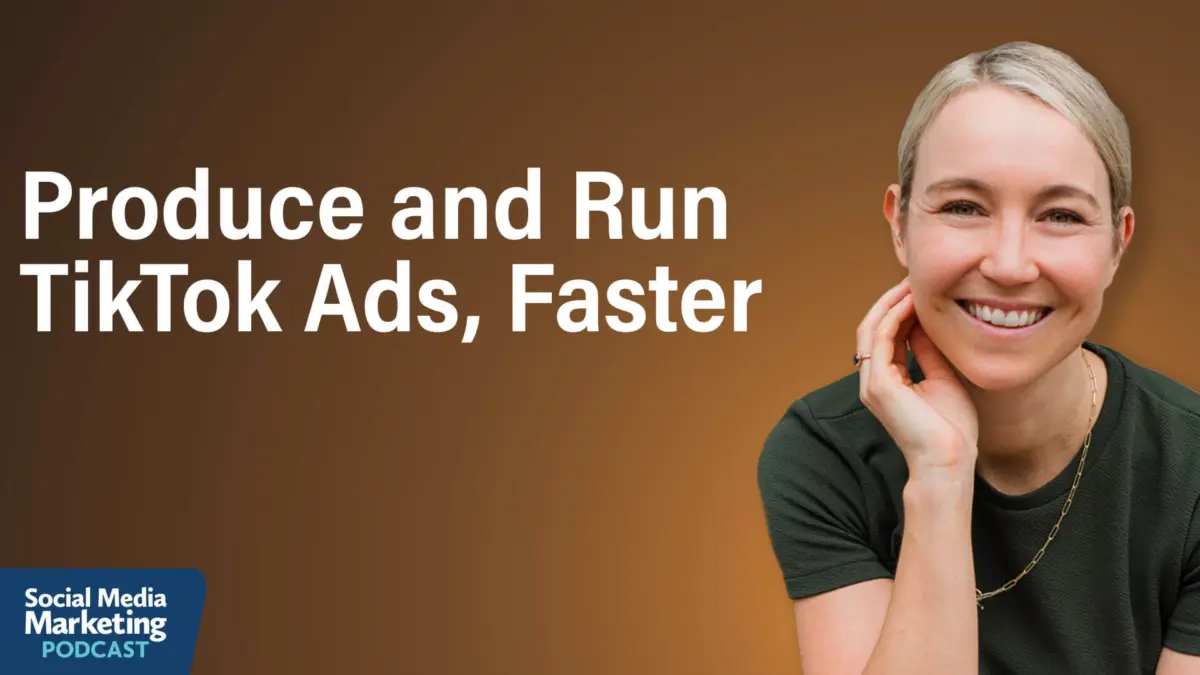
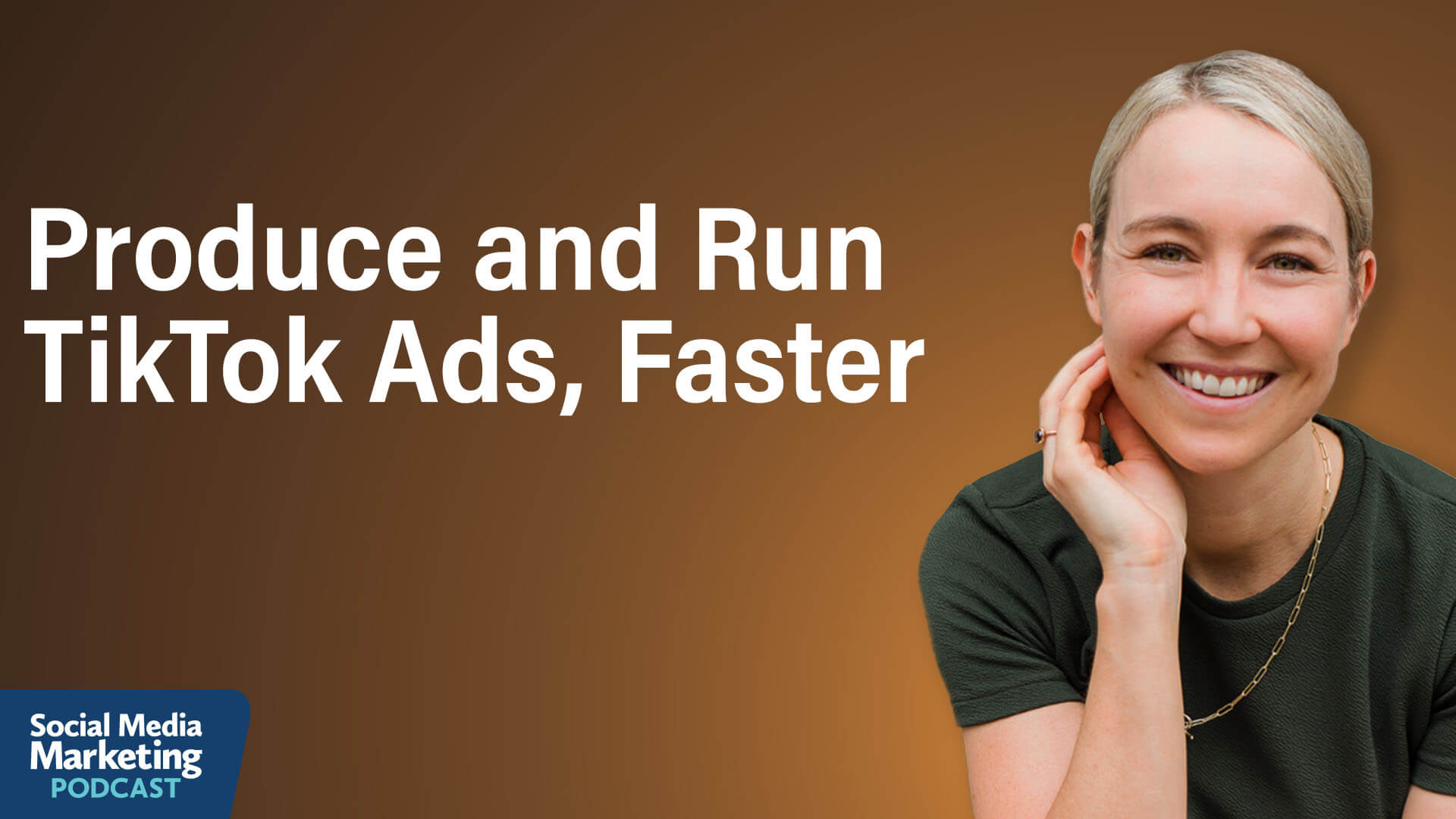
Yet, this democratization comes with complex trade-offs. While AI drastically accelerates campaign ideation, workflow automation, and content generation, it also introduces acute risks regarding brand trust, creative fatigue, and algorithmic blind spots. According to insights from short-form video expert and Oysterly Media founder Melissa Laurie, shared alongside digital marketing leaders Michael Stelzner and Jerry Potter, human oversight, strategic skepticism, and nuanced creative execution remain the indispensable counterweights to automated efficiency. This report examines how TikTok’s latest AI infrastructure functions, where it excels, where it falls short, and how modern brands can architect short-form video strategies to outpace a market saturated by generative content.
Detailed Chronology: The Infrastructure of Automated Advertising
The integration of artificial intelligence into TikTok’s ecosystem represents a multi-tiered technological leap, transforming the platform from a siloed ad network into an open, conversational advertising environment.
1. The Breakthrough of Model Context Protocol (MCP) and Agentic Hub
At the heart of TikTok’s recent updates is the Agentic Hub, a centralized marketplace designed to house AI-powered advertising tools. This hub operates via the TikTok for Business Model Context Protocol (MCP)—a standardized protocol that establishes a secure, direct bridge between external AI agents (such as OpenAI’s ChatGPT or Anthropic’s Claude) and the TikTok Ads Manager.
To understand the mechanics of MCP, industry practitioners often look to a simple analogy:
- TikTok Ads Manager acts as the physical restaurant kitchen and inventory.
- The MCP serves as the attentive waiter, taking requests and transmitting orders.
- The AI tool (Claude or ChatGPT) functions as the menu and interface, translating human intent into actionable backend commands.
Before MCP, marketers seeking to interface AI systems with ad platforms had to commission custom-built API integrations, requiring extensive coding, software engineering resources, and complex security clearances. MCP eliminates these barriers by enabling seamless, two-way communication. Marketers can pull real-time data reports through read-only connections or draft campaigns, adjust budgets, and modify ad group settings directly through read-and-write permissions—all without ever opening the native Ads Manager dashboard.
2. Specialized AI Skills and Prebuilt Expertise
Complementing the MCP architecture is TikTok’s newly deployed library of official AI skills. These downloadable instruction sets integrate directly into conversational AI tools, equipping them with deep, platform-specific knowledge. Rather than relying on generic prompts, marketers can deploy prebuilt skills such as:
- The Viral Video Creator: Analyzes millions of daily platform data points to surface top-performing ad patterns, hooks, and structures.
- Ad Group Optimizer: Monitors active campaigns to recommend budget reallocations and audience scaling.
- Account Diagnosis Co-pilots: Evaluates performance anomalies and flags drop-off points in user engagement.
- C-Dance Video Creation Skills: Proprietary video generation frameworks engineered by ByteDance.
These files are fully modular. Advanced marketers can layer custom instructions onto TikTok’s baseline templates, automating recurring tasks like daily performance reporting, creative fatigue tracking, and automated initial campaign structuring based on defined budget parameters. Intriguingly, this software layer is interoperable; the same logic and copywriting skills developed for TikTok can frequently be repurposed for Meta platforms, signaling an end to historical platform lock-in.
Supporting Context & Metrics: Content Suite, Symphony Studio, and the Reality of AI Video
While back-end campaign management has grown more accessible, the front-end creative challenge—producing high-performing short-form video—remains the ultimate differentiator. TikTok addresses this through two primary pillars: Content Suite and Symphony Creative Studio.
Competitive Intelligence via Content Suite
Content Suite functions as an expansive, searchable library of user-generated content (UGC) style videos and high-converting ads currently active on the platform. Enhanced by advanced AI search capabilities, it solves one of the most persistent hurdles for creative teams: blank-page syndrome.
Marketers can filter the repository by:
- Specific keywords and industry niches (e.g., travel, direct-to-consumer beauty, enterprise B2B).
- Timeframes (such as performance benchmarks from the trailing 30 days).
- Campaign objectives (lead generation, direct sales, or broad brand awareness).
- Geographic parameters.
By analyzing competitors’ creative strategies before allocating capital, brands can de-risk their ad spend, identifying which structural hooks and narrative arcs are currently driving engagement within their specific vertical.
Symphony Creative Studio: The Promise and Pitfalls of Generative Video
Symphony Creative Studio is TikTok’s native AI-powered video generation hub. Powered by the upgraded Symphony Agent, the platform absorbs trend data, performance signals, and brand guidelines to transform simple text briefs into end-to-end video assets—generating scripts, storyboards, digital avatars, and finished video clips.
For product-based businesses, the efficiency gains are staggering. For example, furniture brands and beauty e-commerce companies utilize Symphony to generate upwards of 100 localized product showcases per week. By uploading clean product imagery and letting the AI render textures, application effects, and dynamic transitions, brands achieve production volume that would be physically and financially impossible via traditional agency workflows.
Where AI Video Falls Short
Despite its impressive velocity, generative video hits a hard ceiling when attempting to replicate human authenticity:
- The Trust Deficit: AI-generated human avatars speaking directly to the camera ("All my friends are talking about this product") routinely fail to resonate with audiences. Consumers quickly spot artificial presenters, eroding brand trust.
- The Hybrid Solution: Rather than replacing human creators entirely, top brands are adopting a hybrid workflow. Real creators film core product demonstrations, and AI tools are subsequently deployed to add localized graphical enhancements—such as animated visual effects, dynamic text treatments, or dramatized before-and-after elements (e.g., animated "angry germs" for a cleaning product).
- Prompting Overhead: While Symphony removes the need for physical cameras, it shifts the labor burden to prompt engineering. Iterating frames, correcting visual glitches, and refining outputs require significant time and cognitive investment, trading one form of production skill for another.
Official Perspectives and Strategic Warnings
As automated workflows lower the floor of baseline quality across the platform, relying blindly on algorithmic recommendations can imperil campaign performance. Industry experts advise maintaining a posture of active skepticism toward native AI prompts.
1. Guarding Against Algorithmic Blind Spots
A primary risk of utilizing AI agents for ad management lies in their literal interpretation of metrics. For instance, when a brand launches a brand-new creative asset, TikTok’s optimization AI may initially recommend pausing it because its early conversion metrics lag behind older, established ads.
However, this recommendation often overlooks a core structural reality of ad delivery platforms: the algorithm inherently favors ads with historical momentum and extended runtime. Experienced media buyers know to push back against these automated directives. By challenging AI tools with prompt iterations such as "What is an alternative interpretation of these data points?" or "Could this creative need more runway before evaluation?", marketers force the AI to revise its initial assessments and adopt a more holistic view.
2. The Anatomy of High-Performing Short-Form Video
To consistently pierce the noise on a user’s For You Page (FYP), video content must out-execute the generic output generated by automated systems. High-performing organic and paid short-form video relies on a precise architectural anatomy:
[ First Frame Visual ] ──> [ Billboard Text Overlay ] ──> [ Spoken Hook ] ──> [ The "Glue" Transition ] ──> [ 3-5 Point Core Content ] ──> [ Sharp, Clean Cut ]- The First Frame: Competition is fierce; videos compete not just with industry rivals, but with top-tier content creators backed by major production houses. The very first frame must instantly justify why a viewer should stop scrolling mid-transit.
- Billboard Text: Large, high-contrast on-screen text operating on the principle of a highway billboard—legible in a fraction of a second to communicate immediate value.
- The Opening Words: The spoken hook must immediately reinforce the visual promise without meandering introductions.
- The "Glue": The narrative connective tissue bridging the initial hook to the core value proposition, preventing user drop-off.
- Structured Core Content: Delivering value in tight, digestible groupings—ideally structured around three key points.
- The Sharp Ending: Avoiding the natural human tendency to trail off or speak slowly at the conclusion of a video. A crisp, abrupt cut signals completion to the algorithm, confirming high view-through rates and boosting distribution.
Furthermore, authentic execution consistently outperforms high-gloss, highly staged advertisements. Videos filmed on location—such as a founder discussing a product outdoors amidst ambient traffic noise, or a professional explaining concepts while applying makeup—trigger the brain’s natural affinity for peer recommendations over polished corporate sales pitches.
Future Outlook: The Evolving Role of Marketers and Agencies
The deployment of Agentic Hub, MCP integrations, and advanced creative suites marks a permanent democratization of digital marketing. The capability to run sophisticated TikTok ad campaigns is no longer the exclusive province of large enterprises with six-figure agency retainers. Small-business owners can now leverage conversational AI to diagnose accounts, structure budgets, and analyze competitor libraries in minutes.
Yet, this shift does not render human expertise obsolete; it elevates it. Just as the democratization of desktop publishing did not eliminate graphic designers, the rise of AI advertising tools does not eliminate skilled marketers. Instead, it redefines their mandate:
- Strategic Oversight: Translating raw algorithmic data into nuanced brand narratives that AI cannot authentically replicate.
- Creative Direction: Directing hybrid workflows—pairing genuine human creator-led content with AI-driven visual enhancements.
- Critical Friction: Acting as the necessary checkpoint that questions, challenges, and refines automated platform recommendations.
For businesses weighing their options, the path forward involves methodical preparation. Before committing capital to ad spend, modern marketers should audit TikTok’s evolving educational resources, explore the Content Suite to map competitive benchmarks, and experiment with low-stakes AI-assisted campaign setups. Whether a brand chooses the fully autonomous "economy" route of self-management or retains full-service agency partners for enterprise navigation, mastering the synergy between artificial intelligence and human creative intuition will define the winners in the next era of digital commerce.