Executive Overview
For decades, the standard personal computer setup has demanded a compromise from the human body. Traditional gaming peripherals require a pronated forearm posture—where the ulna and radius bones criss-cross as the palm faces downward—to grip, maneuver, and click. While this geometry has served generations of competitive gamers, extended sessions in this unnatural configuration can induce profound strain on wrists, tendons, and forearms.
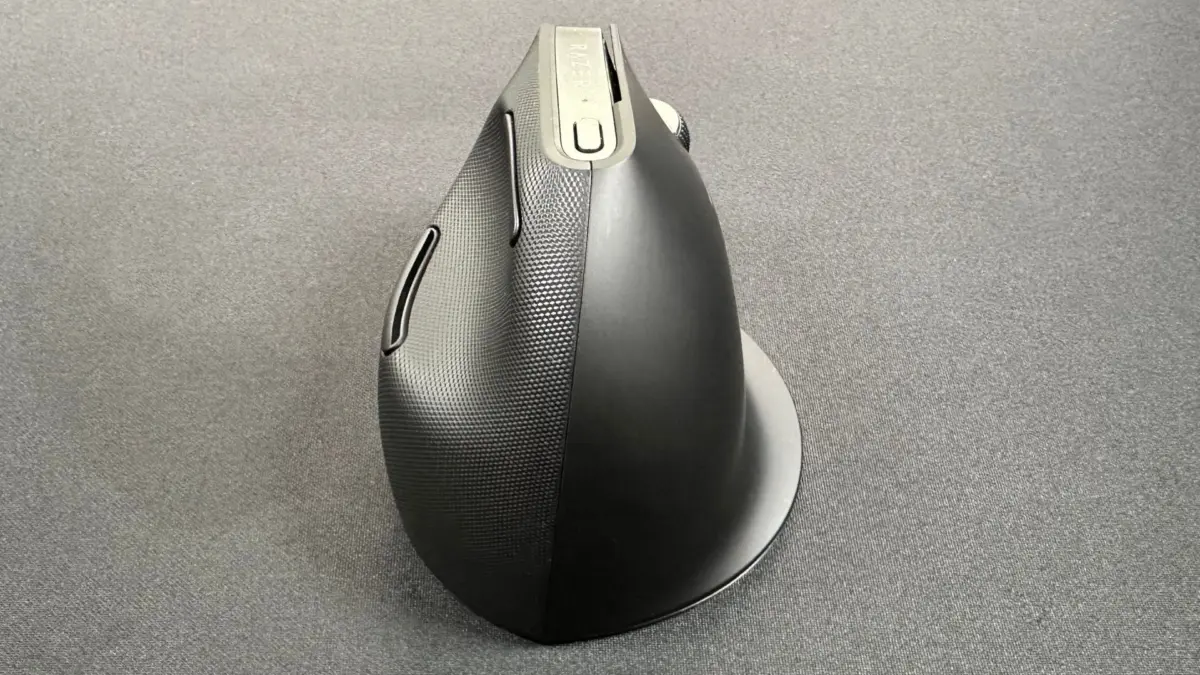
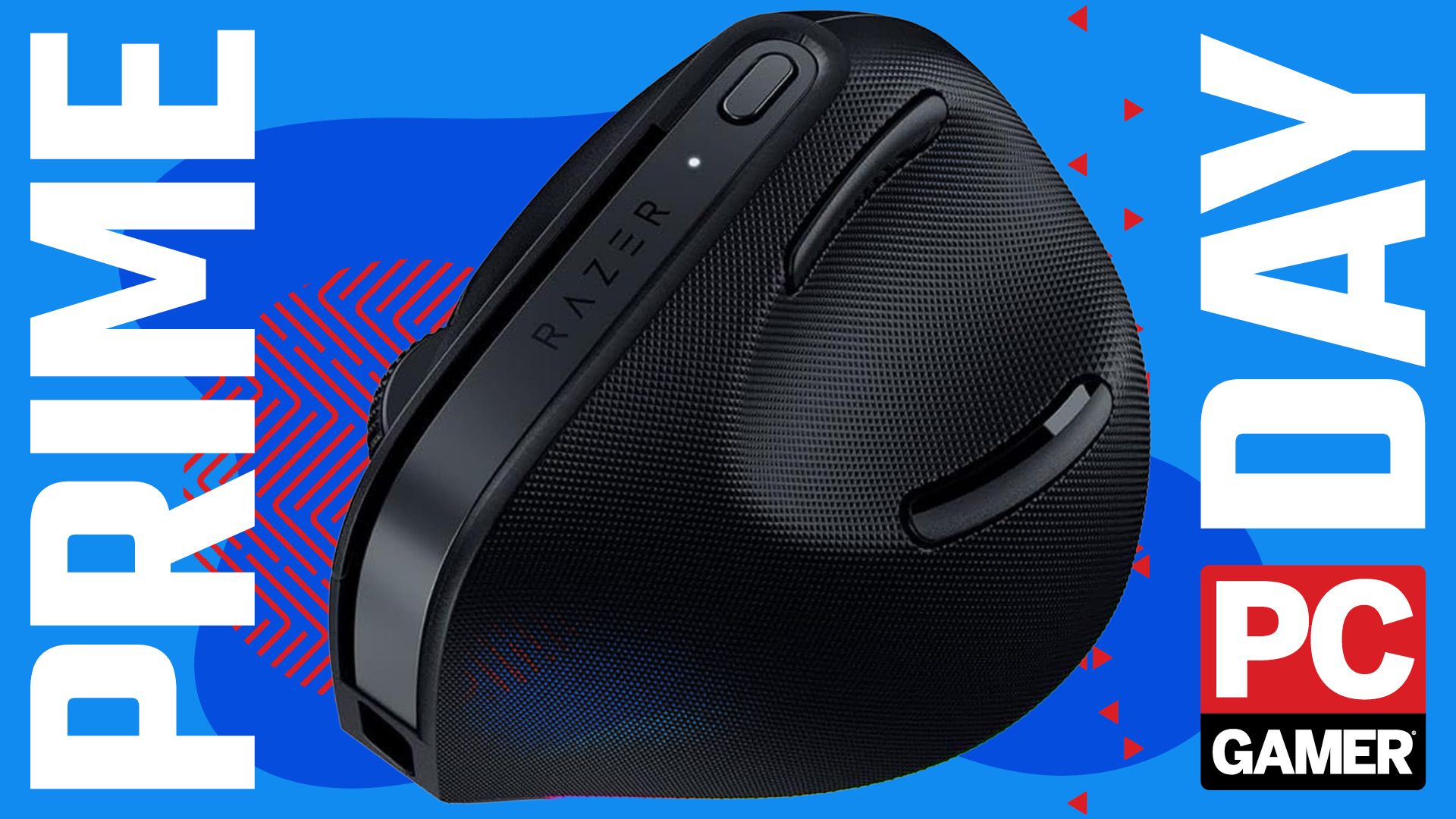
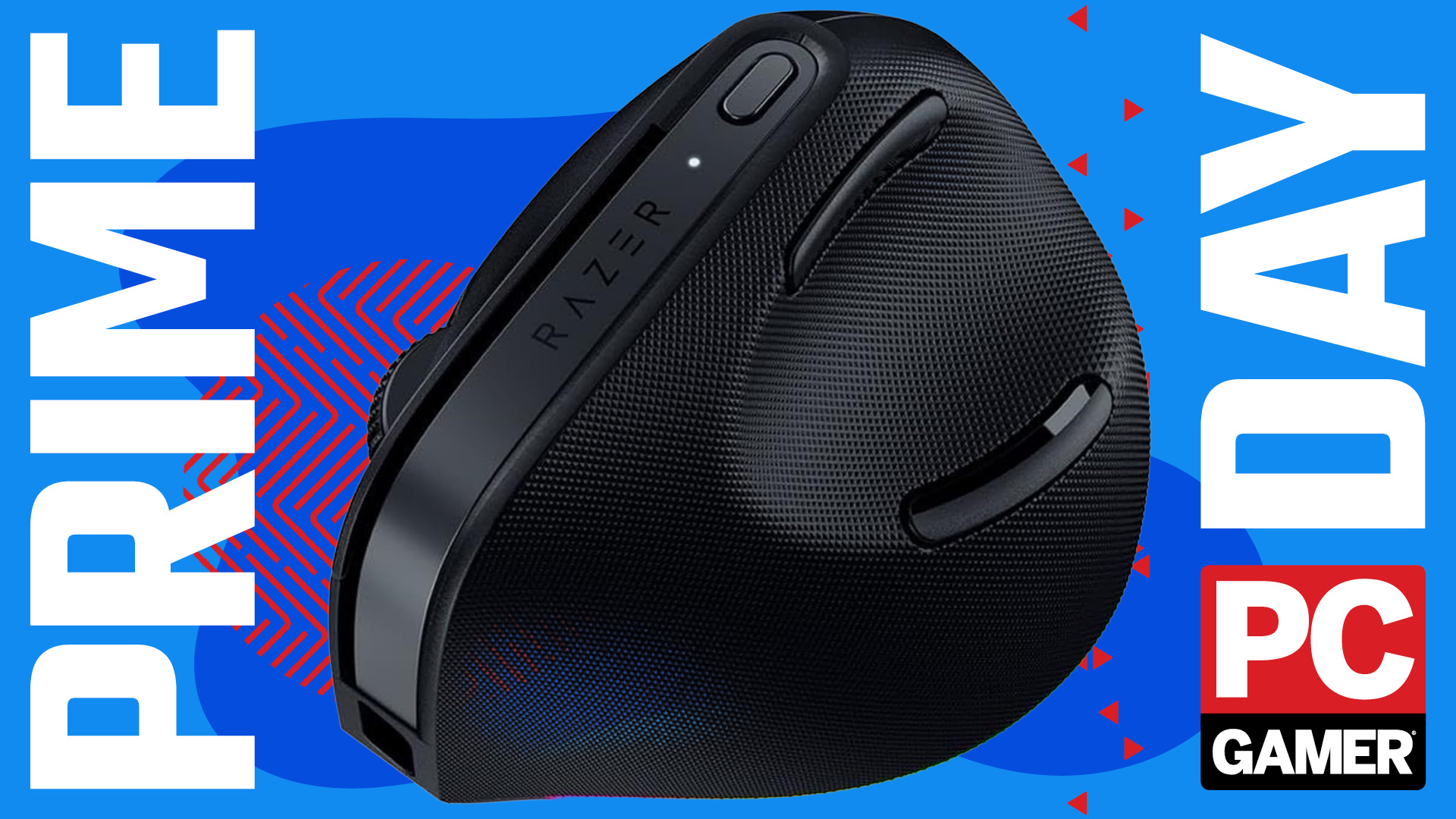
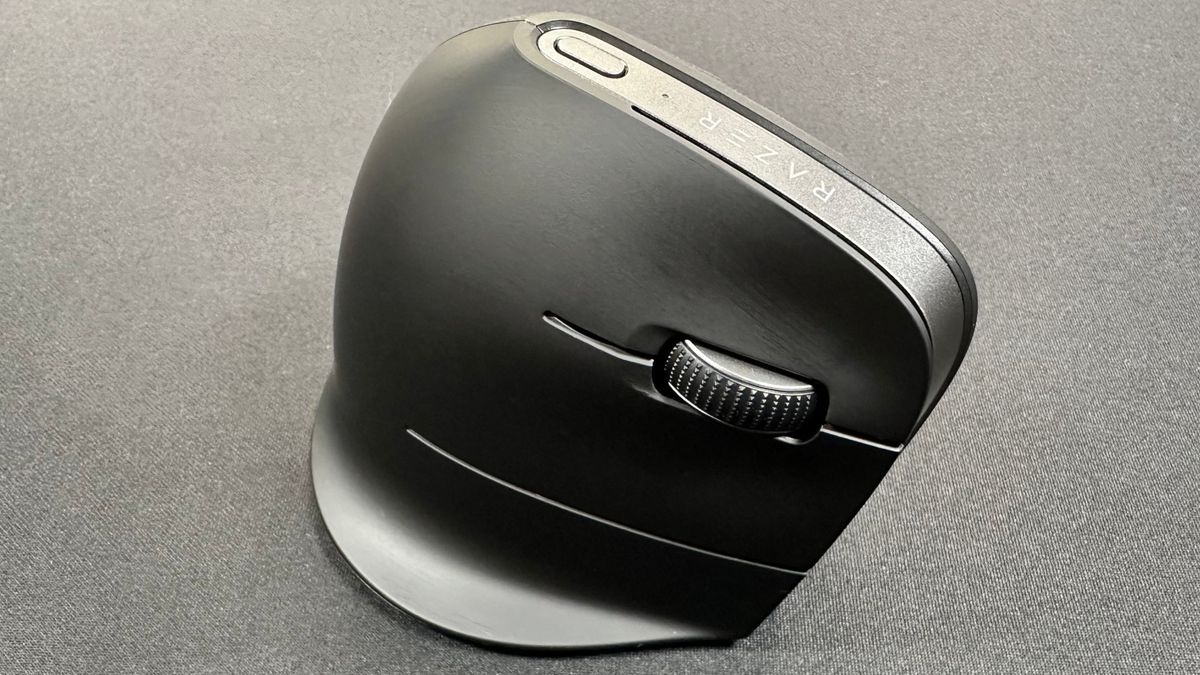
Enter the Razer Pro Click V2 Vertical Edition, a device that attempts to bridge the gap between ergonomic preservation and competitive performance. Currently available on Amazon at a 10% discount for $90, this peripheral represents Razer’s calculated entry into the vertical mouse arena.
While critics and reviewers note that its substantial 150-gram heft requires adjustment—especially compared to ultralight competitive mice like the 50-gram Razer Viper V4 Pro—it offers substantial relief for aching joints without completely sacrificing the precision required for modern gaming. This article examines the anatomy of wrist strain, the engineering philosophy behind the Pro Click V2 Vertical Edition, its real-world gaming efficacy, and what this peripheral signals for the future of hardware ergonomics.
Detailed Chronology: The Evolution of Ergonomics in PC Peripherals
To understand why a vertical mouse like the Razer Pro Click V2 is making waves, one must trace the timeline of computer mouse design from its utilitarian origins to modern specialized hardware.
The Mechanical Roots (1960s–1990s)
The computer mouse began as a wooden block with two wheels (invented by Douglas Engelbart in the 1960s) and evolved through the ball-tracking era of the late 20th century. Throughout this period, manufacturers prioritized functional tracking over anatomical health. The flat, low-profile design was optimized for desk space and manufacturing simplicity rather than natural human posture.
The Rise of Repetitive Strain Injuries (Late 1990s–2010s)
As personal computing saturated workplaces and gaming transitioned from casual pastime to digital sport, instances of Repetitive Strain Injuries (RSIs)—including carpal tunnel syndrome, tendonitis, and chronic wrist fatigue—surged. Early ergonomic solutions emerged, but they were almost exclusively marketed toward office workers. Vertical mice appeared as medical-grade or productivity-focused anomalies, frequently criticized for poor sensors, high latency, and an utter lack of gaming viability.
The Hybrid Era (2020s–Present)
Hardware manufacturers realized that a vast demographic of PC users split their time between high-intensity gaming and lengthy professional workflows. Brands began experimenting with high-end sensors built into ergonomic chassis. Razer’s development of the Pro Click series marked a deliberate shift: attempting to merge productivity-focused vertical geometry with top-tier gaming sensors, low-latency wireless connections, and robust battery performance. The introduction of the Pro Click V2 Vertical Edition signifies the maturation of this hybrid design philosophy.
Supporting Context & Metrics: Anatomy, Weight, and Performance
When evaluating the Razer Pro Click V2 Vertical Edition, hardware experts analyze several key metrics: weight, sensor precision, button orientation, and battery longevity.
The Skeletal Dilemma: Pronation vs. Neutral Posture
When holding a standard mouse, the human forearm enters pronation. In this state, the two bones of the lower arm—the radius and the ulna—cross over each other. Maintaining this twisted posture while executing rapid flick-shots or tracking targets in titles like Counter-Strike 2 places sustained tension on the wrist’s soft tissues.
A vertical mouse encourages a "handshake" grip. This neutral wrist posture aligns the radius and ulna parallel to one another, drastically reducing torsional stress on the tendons and alleviating pressure on the carpal tunnel.
Weight Distribution and the "Heavy Lifter" Dilemma
One of the most striking metrics associated with the Pro Click V2 Vertical Edition is its mass. Tipping the scales at 150 grams (5.29 ounces), it is remarkably heavy for a modern gaming mouse.
To put this in perspective:
- Razer Viper V4 Pro (Overall Gaming Standard): ~50 grams
- Average Competitive Esports Mouse: 55–70 grams
- Razer Pro Click V2 Vertical Edition: 150 grams
This added weight serves a purpose: it provides stability for a tall, vertical chassis and accommodates robust internal batteries and ergonomic framing. However, it fundamentally alters how the mouse handles in fast-paced environments. As hardware reviewers note, clicking buttons horizontally rather than vertically means that frantic, high-intensity clicking can cause the mouse to nudge slightly off-target. Adapting to this physical feedback loop requires a recalibration of muscle memory.
Sensor Technology and Longevity Metrics
Despite its unconventional form factor, Razer has integrated high-grade internal components normally reserved for flagship competitive mice:
- Sensor: Focus Pro optical sensor capable of up to 30,000 DPI.
- Latency: Consistently low input latency suitable for fast-paced gaming.
- Power Efficiency: A staggering battery life that can stretch up to six months depending on usage patterns and connectivity modes.
This combination ensures that while the user’s wrist is being pampered, the tracking performance remains precise enough to handle demanding titles without stutter or input lag.
Official Perspectives & Expert Review Analysis
Hardware reviewers and ergonomic specialists have weighed in on the real-world utility of Razer’s vertical venture.
According to hardware specialist Nick, who evaluated the device in the official PC Gamer review, the mouse serves as "blessed relief from aching wrists and sore tendons," reinforcing that it is fundamentally "an ergonomic mouse first, and a gaming mouse second."
While acknowledging the physical hurdles—such as the aforementioned 150-gram heft and the subtle lateral drift during rapid button-mashing—industry testers agree that the mouse is "surprisingly decent for gaming."
"Because you click buttons horizontally, rather than vertically, frantic button mashing will result in the mouse nudging slightly to one side… With prolonged experience, you do get used to it, and I’m sure there are plenty of PC gamers out there who would thrash me in a round of Counter-Strike 2 with a vertical mouse." — Hardware Review Excerpt
This perspective highlights a crucial truth about hardware adoption: muscle memory is malleable. While switching to a vertical mouse introduces a steep learning curve for seasoned gamers accustomed to ultralight, flat peripherals, the long-term health benefits often outweigh the initial adjustment period.
Future Outlook: Where Do Ergonomic Gaming Peripherals Go From Here?
The launch and subsequent discount of the Razer Pro Click V2 Vertical Edition ($90 on Amazon) point toward several emerging trends in the PC hardware market:
1. Mainstreaming Ergonomics in Esports
As professional and amateur gamers alike face career-limiting injuries related to repetitive strain, the esports ecosystem is slowly recognizing that longevity is just as important as raw performance. Future iterations of vertical mice will likely focus on shedding weight—combining the neutral wrist posture of the Pro Click V2 with the lightweight carbon-composite shells seen in modern competitive rodents.
2. Smarter Weight Distribution and Adaptive Shells
Engineering a vertical mouse that resists lateral drift during high-speed clicks remains a major challenge. Future design cycles may introduce adjustable weighting systems, textured grip profiles, or asymmetrical anchor points that counteract the physical deflection caused by horizontal button actuation.
3. The Convergence of Productivity and Play
As hybrid work-and-play lifestyles become the global standard, consumers increasingly demand devices that can transition seamlessly from a 9-to-5 spreadsheet marathon to an evening of competitive multiplayer gaming. Peripherals that prioritize musculoskeletal health without sacrificing sensor fidelity, high polling rates, and multi-device wireless connectivity will dominate the next decade of hardware innovation.
Summary
The Razer Pro Click V2 Vertical Edition is not a silver bullet for every competitive gamer, but it represents a vital step forward. By offering a discount down to $90 on Amazon, Razer has lowered the barrier of entry for users seeking relief from the ergonomic penalties of traditional pronated arm postures. For gamers willing to trade a bit of agility for long-term joint health, it just might be the most valuable upgrade on their desk.