The digital marketing landscape is undergoing a profound structural evolution. Major platforms—including Meta, LinkedIn, Google, Pinterest, Threads, and YouTube—are concurrently rolling out algorithmic changes, monetization strategies, and generative artificial intelligence tools. These shifts fundamentally alter how content creators and brands capture audience attention, optimize visibility, and monetize digital properties.
At the core of this transformation is a dual imperative: platforms are fighting to retain authentic engagement while aggressively embedding AI capabilities into their core publishing, advertising, and analytics suites. From Meta’s tests restricting organic link posts on non-paying Facebook Pages to YouTube’s overhaul of its discovery, commerce, and testing ecosystems at Made on YouTube 2026, marketers face a rapidly narrowing window to adapt. Concurrently, LinkedIn’s introduction of a split-feed system and AI-driven drafting assistance, alongside Pinterest’s holiday campaign optimization updates, signals an industry-wide pivot toward precision, hyper-personalization, and native platform ecosystems.
This report delivers an in-depth, investigative breakdown of the latest platform updates, strategic methodologies for maximizing click-through rates (CTR) and audience retention, and the overarching outlook for digital marketing professionals navigating these changes.
Detailed Chronology of Platform Updates and Algorithmic Shifts
1. Meta: Restricting Organic Links and Decoupling Threads Advertising
Meta has aggressively advanced changes across both Facebook and Threads to optimize user retention and monetization channels:
Facebook Page Link Restrictions: Meta is expanding a controversial test limiting certain non-paying Facebook Pages to a maximum of two link-containing posts per month. Additional link publishing privileges are increasingly tied to the Meta One subscription service. While traditional publisher Pages remain exempt, commercial brands affected by this test face a stark choice: pivot strategies toward native, link-free media formats or subscribe for broader distribution access.
Threads Independent Advertising: Meta decoupled Threads advertising requirements from Instagram. Advertisers can now run campaigns directly through native Threads profiles without needing a matching Instagram username. This change establishes Threads as a standalone marketing channel, expanding opportunities for brands aiming to build dedicated communities on the platform.
2. LinkedIn: Refining Professional Trust, Feeds, and AI-Assisted Editing
LinkedIn continues to expand its utility as a trusted professional network through a series of sweeping product updates:
Post Proofreader for Premium Members: LinkedIn introduced an inline AI writing assistant designed to help creators correct errors, shorten drafts, and clarify arguments without automatically rewriting copy. Users retain full control over accepting or rejecting individual inline edits, though functionality remains restricted to English drafts without native version history.
Separated Network and For You Feeds: LinkedIn is testing a redesigned feed architecture separating content from personal professional connections ("Network") from broader algorithmic discovery ("For You"). This gives professionals deliberate control over whether they want to engage with existing networks or explore broader industry insights.
Expanded Verification Protocols: With its verified user base eclipsing 115 million, LinkedIn is broadening verification with peer-validated employment and education histories, enhanced admin tools to combat false employee associations, and external integrations with platforms like Truecaller and PeerSpot.
3. Google and YouTube: AI Integrations, Demand Gen, and the "Made on YouTube 2026" Suite
Google and YouTube unveiled heavy-hitting AI capabilities designed to shrink the path from viewer discovery to consumer conversion:
Google Demand Gen Upgrades: The September Demand Gen update introduced Business Agent—a conversational product and brand assistant operating directly alongside YouTube video ads. Furthermore, one-click image ads on Shorts and Gmail streamline the conversion funnel, while Promoted pins expand local advertising on Google Maps.
Made on YouTube 2026 Overhauls: YouTube announced major upgrades spanning discovery, community, commerce, and AI tooling. Key features include customizable feeds, Shorts Series, expanded creator-brand partnership tools, international expansions for YouTube Shopping, conversational editing for Shorts, and automated thumbnail/title A/B testing inside YouTube Studio.
Dynamic Affiliate Shopping Tags: YouTube implemented a dynamic placement system for affiliate product tags, adjusting their prominence based on real-time viewer engagement. Highly engaged products receive prominent screen placement, while underperforming links remain tucked neatly in video descriptions, independent of video recommendation algorithms.
4. Pinterest and Campaign Optimization
Campaign Optimization Scores: Pinterest rolled out a dedicated campaign optimization score for its Ads Manager to help advertisers streamline holiday campaigns. The tool evaluates setup architecture, creative diversity, and signal strength, pairing real-time recommendations with Performance+ automation and Media Planner forecasts.
Supporting Context & Methodologies: Mastering YouTube CTR and Short-Form Video
Amid these infrastructure changes, platform-specific growth frameworks are shifting. Industry experts at Social Media Marketing World 2026 outlined tactical playbooks for conquering YouTube click-through rates and building loyal followings on short-form video.
The YouTube Packaging Formula for Higher CTR
Content creators frequently struggle with low click-through rates despite high-production values. To solve this, creators are advised to use a systematic packaging framework:
AI-Assisted Brainstorming: Generate at least 10 titles using AI tools, separating them into two strategic buckets:
The SEO Route: Targets long-term search intent using "how-to" and tutorial phrasing.
The Curiosity Route: Employs psychological triggers to drive viral clicks.
The Time-Versus-Outcome Hook Formula: Structure titles to promise a concrete, high-value result within a specified timeframe. For example, a title structured as "Give me 12 minutes and I’ll save you 17 years…" successfully drove 250,000 views and 27,000 email subscribers from a single video upload within six days.
Built-In A/B Testing: Utilize YouTube’s native title split-testing feature in YouTube Studio. Uploading a primary title alongside a secondary challenger allows YouTube to automatically split-test traffic based on watch time. Simple title optimizations have yielded immediate double-digit performance gains across top creator channels.
Structural Framework for Instagram Reels and Unpolished Content
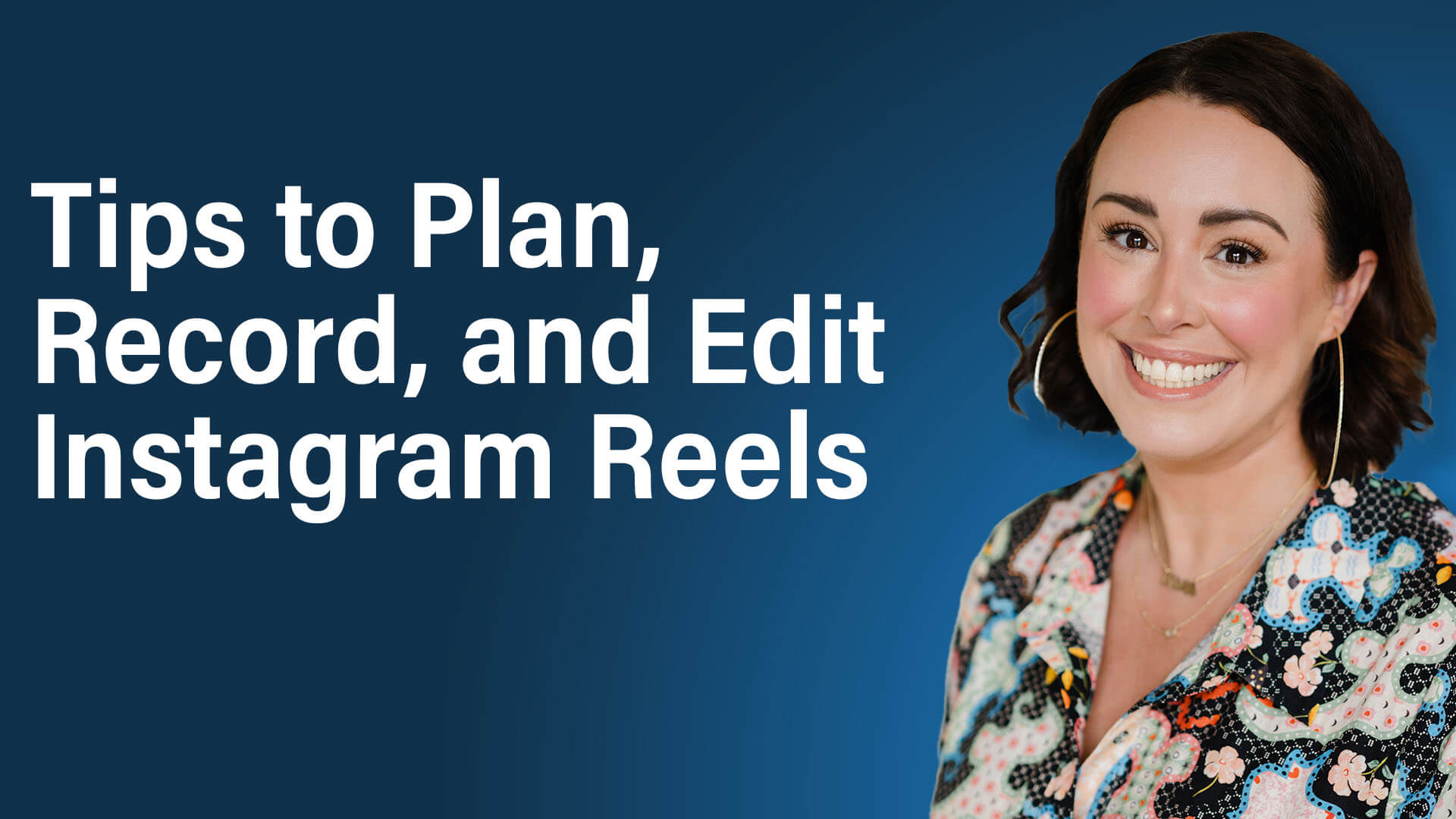
According to Instagram growth strategist Shannon McKinstrie, short-form video algorithms currently prioritize deep audience connection over polished, high-budget production. To turn casual scrollers into loyal communities, creators must implement specific tactical shifts:
The One-Word Specificity Check: Before publishing a Reel, audit the script for generic phrasing. Swapping broad terms for hyper-specific nomenclature—such as replacing "rock" with "Pink Floyd" or "moving" with "Relocating to Nashville"—immediately drives higher emotional resonance and viewer retention.
Scroll-Stopping Callouts: Address the ideal viewer’s core identity in the first second of the video by sourcing exact phrasing directly from community comments and audience language.
Trial Reels Strategy: Use trial-reel features to test unconventional content concepts on non-followers without cluttering or disrupting the core aesthetic of a main brand feed, monitoring micro-engagement metrics closely.
Official Statements and Industry Perspectives
The rapid integration of generative AI and algorithmic curation has elicited strong reactions across the technology and marketing sectors:
"Short-form video rewards connection over production value right now, yet many businesses still create reels as if the opposite were true."
— Shannon McKinstrie, Instagram Growth Strategist and Good Content Podcast Host.
Industry analysts note that Meta’s decision to restrict organic links on Facebook Pages mirrors broader industry efforts to keep users within closed ecosystem walls, forcing brands to budget for paid distribution or heavily invest in native community-building tools like Threads and WhatsApp.
Regarding the massive wave of features announced at Made on YouTube 2026, Google representatives emphasized that platform updates are designed to balance creator monetization with frictionless consumer journeys:
"By introducing dynamic product tags, conversational business agents, and built-in AI testing tools, our goal is to empower creators and advertisers to scale authentically without compromising viewer trust."
Future Outlook: Strategic Recommendations for Marketers
As we look toward the remainder of 2026 and beyond, digital marketers must adapt their strategies to thrive within these evolving platform parameters. Here is an actionable roadmap for navigating the months ahead:
Diversify Beyond Organic Links: With Meta tightening organic link access on Facebook Pages, brands must diversify traffic acquisition channels. Pivot away from purely outbound link strategies and invest heavily in native community engagement, conversational commerce tools (such as Google’s Business Agent), and standalone platforms like Threads.
Embrace Native AI Tools with Human Oversight: Leverage advanced platform features—such as LinkedIn’s Post Proofreader and YouTube’s automated title A/B testing—to streamline operational efficiency. However, maintain strict human editorial oversight to ensure brand voice and authenticity are never compromised by automated suggestions.
Prioritize Authenticity and Specificity in Short-Form Video: Abandon hyper-polished, corporate video production in favor of raw, relatable, and hyper-specific storytelling. Utilize precise language, audience-informed callouts, and trial-testing features to build genuine trust with viewers.
Optimize for Conversational and Visual Discovery: As Google Demand Gen and YouTube Shopping introduce dynamic tags and one-click purchasing experiences, ensure that visual assets and product catalogs are meticulously organized to capitalize on low-friction, in-app consumer conversions.
By aligning content packaging with platform-specific algorithmic preferences, embracing AI-driven optimization, and prioritizing genuine audience connection, brands can successfully future-proof their digital marketing strategies in an increasingly competitive ecosystem.