Executive Overview
In the fast-paced ecosystem of internet culture, virality is rarely predictable. The latest trajectory of "Mandem Style"—a niche drill remix of PSY’s legendary 2012 global mega-hit "Gangnam Style"—serves as a prime textbook example of modern meme propagation. Released quietly in May 2024 by musician and YouTuber Luke Day, the track languished in relative obscurity for over two years before experiencing an explosive resurgence across social media platforms, particularly TikTok, between September and October 2026.
At its core, "Mandem Style" reimagines the iconic K-pop track through the gritty, heavy-bass aesthetic of UK drill music. The signature hook of the original chorus is subverted, replacing the famous title lyric with the phrase "ching dat mandem style"—utilizing "mandem," a Caribbean Patois slang term deeply embedded in British urban youth culture meaning a group of men or friends.
What began as an underground audio experiment transformed into a viral juggernaut fueled by anime edits, absurdist comedy sketches, and participatory dance trends. Within days of its late-September 2026 breakout, millions of users were engaging with the meme, proving once again that internet phenomena operate on non-linear timelines where dormant content can be abruptly resurrected by the algorithmic zeitgeist.
Detailed Chronology
Phase One: Inception and the Early Period (May 2024 – August 2026)
On May 21st, 2024, musician and content creator Luke Day uploaded a new track to his YouTube channel. Titled "Mandem Style," the composition was an audacious mashup of two entirely distinct cultural epochs: the bouncy, hyper-commercial electro-pop of "Gangnam Style" and the brooding, aggressive cadence of UK drill.
The structural pivot of the track relied on phonetic substitution. Day retained the unmistakable rhythmic flow of PSY’s vocal delivery while swapping the core lyrics for British urban slang. The focal point of the parody centered on the line "ching dat mandem style."
Despite its creative premise, the song initially failed to capture the broader internet’s attention. For more than two years, the official YouTube upload hovered at a modest viewership, accumulating a relatively small audience of loyal subscribers and niche music enthusiasts. It remained a dormant piece of internet ephemera—waiting for the precise cultural spark required to ignite mainstream adoption.
Phase Two: The Spark and the Sasuke Effect (Late September 2026)
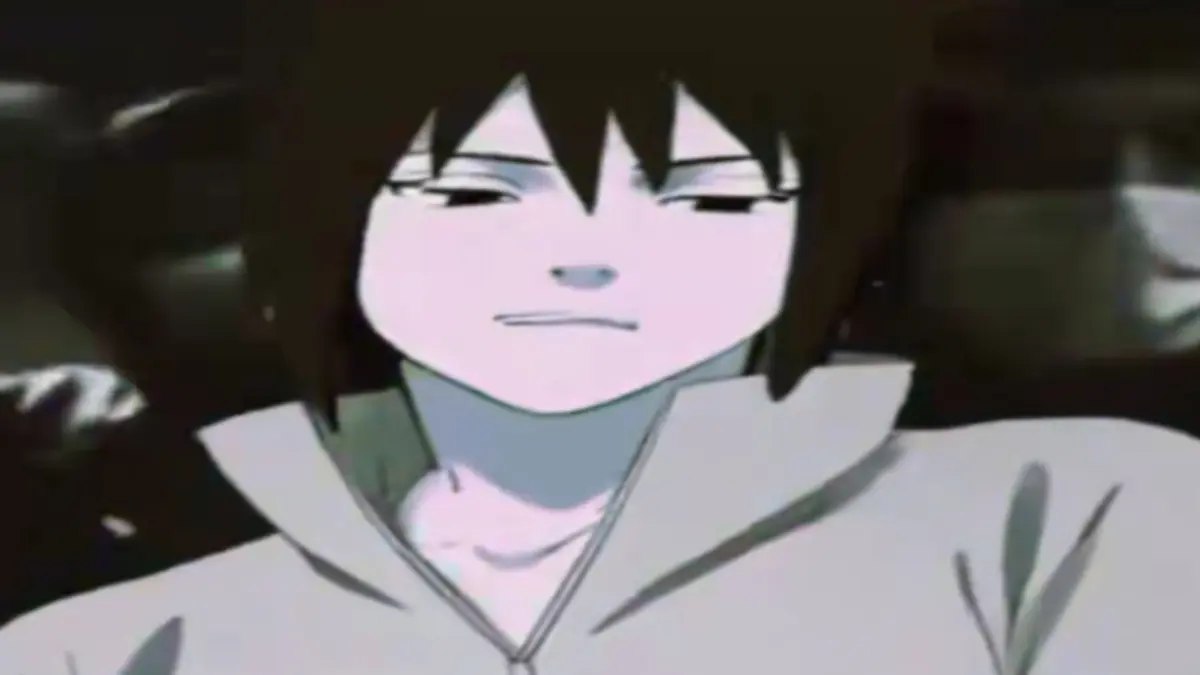
The turning point for "Mandem Style" arrived on September 26th, 2026. TikTok creator @youthflaw published a short video edit utilizing the track. Instead of standard footage, the edit featured Sasuke Uchiha, a principal character from the globally beloved anime and manga franchise Naruto, rhythmically shrugging his shoulders in sync with the heavy drill beat of the remix.
The juxtaposition of a stoic, brooding anime anti-hero moving to an irreverent UK drill parody struck a chord with the TikTok community. Within just seven days, @youthflaw’s post shattered engagement metrics, pulling in over 2.3 million views.
The success of the Sasuke edit established a blueprint for other creators. On September 29th, 2026, user @ackerknowledge capitalized on the momentum by posting a parallel Sasuke edit, heavily crediting the original creator. This second iteration added fuel to the fire, amassing upwards of 650,000 views in less than a week and cementing the track as an emerging audio trend.
Phase Three: Diversification and Meta-Meme Evolution (October 2026)
By the beginning of October 2026, the trend had officially escaped the confines of anime-edit subcultures, branching out into broader participatory formats:
- Accuracy Reenactments: On October 1st, 2026, TikToker @ilikeuncrider posted an "Accuracy Reenactment" video, physically mimicking the exact shrugging movements and swagger of the animated Sasuke edit in real life. The video quickly surpassed 230,000 views.
- Absurdist Comedy and Mukbangs: On October 2nd, 2026, food and lifestyle creator @moteaeats leaned into the surrealist humor surrounding the meme by publishing a comedy video in which she purported to try the "ching dat mandem style meal"—a completely fictional food item. The tongue-in-cheek mukbang resonated widely, pulling in more than 800,000 views in three days.
- Cross-Over Edits: Creators across diverse fandoms began substituting other characters into the trend. Edits featuring characters from JoJo’s Bizarre Adventure, Steel Ball Run, and various internet personalities flooded the platform, ensuring the audio remained omnipresent on the "For You" page (FYP).
Supporting Context & Metrics
The rapid ascent of "Mandem Style" highlights several shifting paradigms in modern digital media consumption and meme lifecycles:
- The Long-Tail Discovery Model: Traditional media marketing relies heavily on immediate release momentum. Conversely, internet meme culture frequently operates on delayed gratification. Content created years prior—such as Luke Day’s 2024 video—can suddenly be plucked from obscurity because an algorithmic catalyst (in this case, an anime edit) bridges the gap between older audio and contemporary aesthetic preferences.
- Cross-Cultural Slang Localization: The integration of Caribbean Patois terms like "mandem" into mainstream digital vernacular via UK drill music demonstrates the globalization of regional slang. Platforms like TikTok act as cultural accelerators, democratizing localized British and West Indian terminology and introducing it to international audiences who may use it purely for its comedic or rhythmic utility.
- Algorithmic Synergy and Audio Dominance: TikTok’s recommendation engine relies heavily on audio-driven trends. Once a specific sound is attached to a high-performing video (like the Sasuke Uchiha edit), the algorithm aggressively pushes that audio to users who engage with adjacent content, such as anime edits, gaming clips, and meme compilations. This created a self-sustaining loop where the view counts for individual videos compounded exponentially over a two-week window.
Official Statements and Creator Responses
As the meme crossed millions of collective views, the primary beneficiaries and creators involved expressed surprise at the sudden revival of the content.
Luke Day, whose channel originally hosted the audio file, found his two-year-old video thrust back into the public eye, with new waves of commenters arriving from TikTok to acknowledge the prophetic nature of his drill remix. While formal corporate statements from intellectual property holders (such as the creators of Naruto) have remained absent—as is standard for user-generated derivative meme content—individual TikTok creators driving the trend have openly acknowledged the collaborative nature of the wave.
Creators like @youthflaw and @ackerknowledge sparked a chain reaction of "inspiration-based" (IB) tagging, where successive video editors explicitly credited the original aesthetic blueprint, fostering a sense of community ownership over the trend’s visual grammar.
Future Outlook
As the calendar turns past October 2026, the critical question facing "Mandem Style" is sustainability. Like most fast-burning TikTok audio trends, the absolute saturation point of the Sasuke edit and its derivative parodies will eventually lead to listener fatigue.
However, the legacy of the phenomenon has already left a permanent mark. Luke Day’s once-forgotten YouTube upload has been permanently rescued from internet obscurity, securing its place in the annals of meme history. Furthermore, the trend has demonstrated the potent hybrid capability of anime fandoms and UK drill music—a combination that digital creators may well revisit in future viral campaigns.
Ultimately, "Mandem Style" stands as a testament to the unpredictable nature of internet culture: a reminder that with the right combination of catchy audio, recognizable pop-culture imagery, and participatory community humor, any piece of digital media can be given a second life.