Executive Overview
Over the past few years, a quiet revolution has swept across our social media feeds and weekend agendas. Once the domain of seasoned mountaineers and hardcore outdoor enthusiasts, alpine landscapes have officially entered the mainstream cultural zeitgeist. Snow-capped peaks, lush emerald meadows, resonant cowbells chiming in the distance, and rustic wooden cabins have captured the collective imagination. It often feels as though overnight, everyone—from our closest friends to their household pets—has transformed into a hardcore alpinist. Clad in high-performance Gore-Tex gear, modern adventurers conquer dizzying elevations before pausing to crack open a refreshing Almdudler or artisanal beverage at the summit.
Yet, beneath the glossy aesthetic of viral social media posts lies a much deeper, more profound cultural shift. Hiking is no longer just a weekend hobby; it has evolved into a vital therapeutic outlet, a physical proving ground, and a powerful metaphor for personal growth. This comprehensive report investigates the surging popularity of hiking, examining the physiological and psychological drivers behind the movement, the ancient allure of trail culture, and how forward-thinking brands are leveraging these spaces to foster community, empowerment, and self-discovery.
Detailed Chronology: The Evolution of the Modern Hiking Boom
To understand how hiking transitioned from a niche recreational activity to a dominant lifestyle trend, we must trace its recent trajectory through cultural, technological, and societal shifts.
Phase 1: The Great Re-centering (2020–2021)
The foundational catalyst for the modern outdoor boom occurred during the global disruptions of the early 2020s. As urban centers experienced lockdowns and indoor recreational facilities—gyms, swimming pools, and climbing walls—shuttered indefinitely, populations sought legal, safe ways to escape confinement. Local nature reserves, state parks, and forest trails saw an unprecedented influx of visitors. With international travel restricted, individuals turned their gaze inward, exploring the natural wonders hidden within their own backyards. This period marked the mass democratization of the trail: beginners swapped urban pavement for dirt paths, discovering the restorative power of fresh air and unstructured movement.
Phase 2: The Digital Trailhead (2022–2023)
As restrictions eased, the habits formed during confinement did not fade; instead, they evolved. Social media platforms became saturated with cinematic footage of misty mountain passes, golden-hour ridgelines, and wildflower-draped valleys. Apps dedicated to trail mapping, community tracking, and outdoor navigation recorded exponential growth in user accounts. Hiking solidified its status as an aesthetic movement. However, this digital visibility served a dual purpose: while it commodified the outdoors for the "feed," it simultaneously lowered the barrier to entry, proving that adventure did not require a transatlantic flight—just a sturdy pair of shoes and a willingness to explore.
Phase 3: The Holistic Paradigm Shift (2024 and Beyond)
Today, the hiking phenomenon has matured past mere aesthetics. The modern trekker views the trail not merely as a backdrop for a photograph, but as a holistic arena for mental clarity, physical endurance, and interpersonal connection. Industry leaders and outdoor brands have recognized this psychological evolution, shifting their marketing and community-building strategies away from purely functional gear promotions toward transformative experiences. Events that merge physical endurance with personal development—such as immersive workshops set against iconic backdrops—are defining the cutting edge of modern outdoor culture.
Supporting Context & Metrics: Why We March
The mass migration to the mountains is driven by a convergence of physiological benefits, psychological needs, and socioeconomic accessibility.
The Low Barrier to Entry
Unlike sports that require expensive club memberships, specialized court time, or complex technical training, hiking remains remarkably democratic. At its core, it demands very little: two functional legs, an exploratory spirit, and a pair of reasonably stable shoes. In most cases, exploring public trails is entirely free. Whether an individual is a complete novice or a seasoned trekker equipped with gear that resembles an archaeological expedition, the trail welcomes everyone equally.
Furthermore, the rise of the "micro-adventure" means one does not need to live adjacent to the Alps to participate. Day trips, weekend getaways, and local woodland walks allow urban dwellers to experience the restorative benefits of nature without uprooting their lives. This accessibility enables people to discover and appreciate local landscapes—such as the mystical rock formations, cascading waterfalls, and enchanted valleys of Germany’s Elbe Sandstone Mountains—in a sustainable, low-impact manner. These very landscapes historically inspired the masterpieces of the German Romantic painters, proving that profound beauty is often closer than we think.
The Physiology of the Ascent
From a fitness perspective, hiking is an exceptional total-body conditioner. It serves as a natural, low-impact glute and leg workout that builds functional strength without the sterile environment of a traditional gym. More importantly, it strips away the distractions of modern fitness culture. There are no heavy iron bench presses or digital screens to hide behind; there is only the raw, undeniable power in one’s own legs and the steady incline beneath one’s boots.
As hikers push higher, the physiological strain becomes visceral. Lungs burn as the air thins; the body works overtime to propel its weight upward. Yet, this very exertion triggers a cascade of neurochemical rewards. The combination of cardiovascular output, natural sunlight, and awe-inspiring vistas stimulates the release of endorphins and dopamine, reducing cortisol levels and fostering deep relaxation.
The Mental Health Nexus and Shared Vulnerability
Perhaps the most compelling driver of the hiking boom is its mental health dividend. In an era dominated by hyper-connectivity, screen fatigue, and constant notification loops, the trail offers a sanctuary of enforced offline presence.
Moreover, hiking serves as a unique social catalyst. When people walk side-by-side rather than face-to-face—as one might across a restaurant table—conversations flow differently. The rhythmic cadence of footsteps creates a relaxed neurological state that dissolves social guardrails. The depth, vulnerability, and intellectual weight of conversations shared on a grueling mountain ascent are notoriously difficult to replicate in everyday life.
When a group reaches the summit, the psychological payoff is profound. Ranging from breathless exhaustion to triumphant grins, hikers unpack their seat mats for a well-earned trail lunch (Vesperpause) or scramble to capture the panoramic views on their cameras. This shared ordeal builds a fierce sense of camaraderie and self-efficacy.
Psychologically, overcoming a mountain teaches us invaluable lessons that translate directly back to daily life. Navigating a steep incline requires conscious decision-making: deciding when to push through fatigue, when to pause and catch one’s breath, and how to reframe perceived limitations. These mental resilience patterns become mental blueprints for tackling professional hurdles, personal uncertainties, and life’s unexpected switchbacks.
Official Statements and Industry Alignment: The "Design Your Life" Movement
Recognizing the deep psychological resonance of the trail, major athletic brands are moving beyond traditional retail models to invest directly in transformative outdoor experiences. A prime example of this paradigm shift is adidas TERREX and its commitment to harnessing the restorative power of nature for both body and mind.
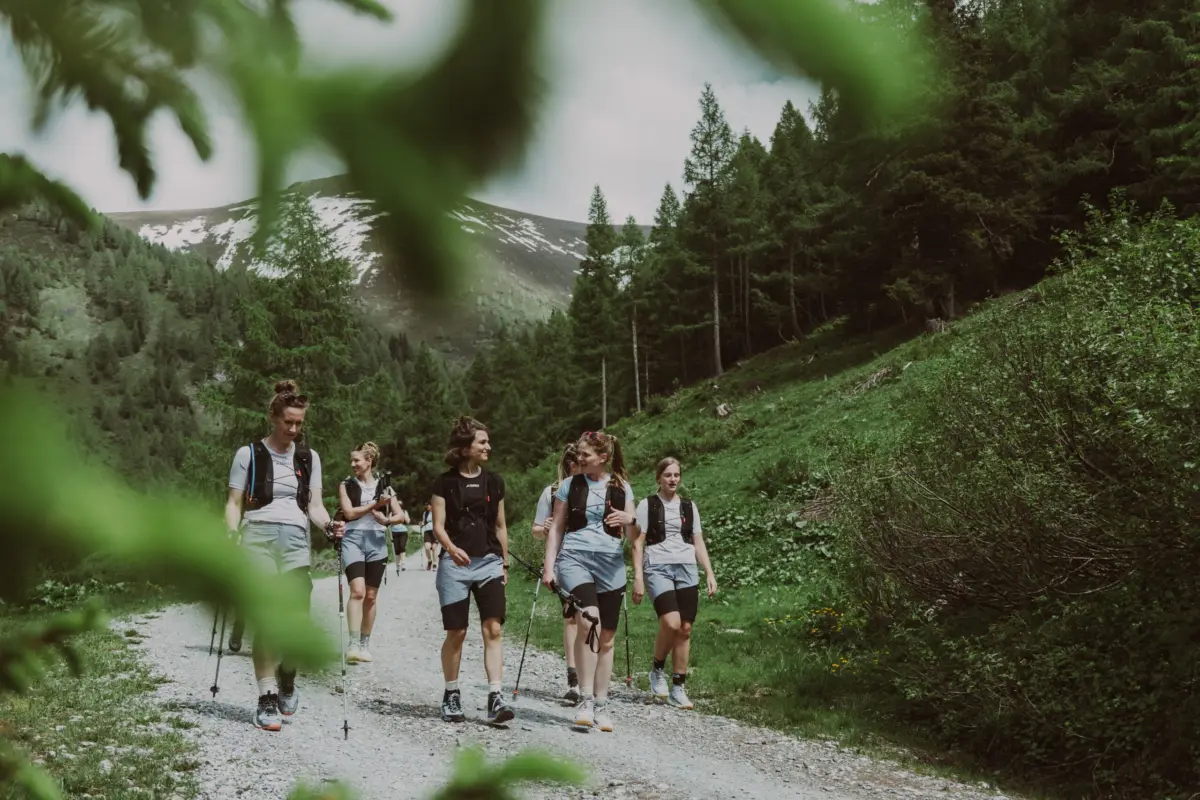
To champion outdoor enthusiasts—particularly women—seeking to shatter personal glass ceilings, adidas TERREX developed immersive initiatives such as the “adidas TERREX Design Your Life” Hiking Days. Held in iconic natural landscapes like the Malerweg (Painter’s Way) in Germany’s breathtaking Elbe Sandstone Mountains, these curated experiences merge high-level athletic hiking with professional coaching and community empowerment.
+-------------------------------------------------------------------------+
|                  THE "DESIGN YOUR LIFE" WORKSHOP PILLARS                |
+-------------------------------------------------------------------------+
|  PHYSICAL ENDURANCE  --> Conquering 500-600m elevation gains per day      |
|  MINDFUL IMMERSION   --> Experiencing the healing cadence of nature       |
|  EXPERT MENTORSHIP   --> Leadership, decision-making, and coaching      |
|  COMMUNITY & BONDING --> Fostering deep connections among women         |
+-------------------------------------------------------------------------+
Event organizers emphasize that such programs are designed for women who possess foundational sure-footedness and the physical endurance for 6-to-7-hour daily hikes featuring 500 to 600 meters of elevation gain. Beyond the physical challenge, the core objective of the initiative is psychological empowerment: helping participants learn what it means to make sound decisions, foster personal growth, and actively design their futures.
By fully underwriting accommodations at prestigious alpine properties like the Berghotel Bastei, providing complete plant-forward and traditional catering, supplying professional mountain guides and photographers, and outfitting participants with high-end gear packages valued at approximately €1,000, brands are signaling a new era of corporate responsibility and consumer engagement. It is no longer just about selling a jacket; it is about underwriting a life-altering experience.
Future Outlook: Where Trail Culture Leads Us
As we look toward the future of outdoor recreation, several clear trajectories emerge regarding how society interacts with nature, wellness, and adventure.
1. The Democratization of Empowerment
The historical exclusivity of extreme alpine sports is rapidly dissolving. Initiatives centered around female empowerment, beginner-friendly trail routing, and inclusive outdoor communities ensure that the mountains are no longer viewed as intimidating barriers, but as accessible arenas for self-actualization. We will likely see an expansion of branded workshops, mentorship programs, and grassroots hiking collectives designed to equip historically underrepresented groups with the confidence and technical skills required to navigate remote wilderness.
2. Sustainable Stewardship and Eco-Consciousness
With increased foot traffic comes the critical responsibility of environmental preservation. As millions of urban escapees discover the therapeutic value of local forests and alpine meadows, outdoor brands, local governments, and tourist boards must collaborate to promote "Leave No Trace" ethics. The future of hiking culture will heavily emphasize sustainability—encouraging train travel to trailheads, utilizing durable, repairable gear, and protecting sensitive ecosystems from over-tourism.
3. The Integration of Outdoor Therapy in Wellness Paradigms
The medical and psychological communities are increasingly validating what outdoor enthusiasts have known for centuries: nature is medicine. In the coming years, we can expect to see formal integration of outdoor trekking and "ecotherapy" into broader wellness and mental health treatments. Prescriptions for time spent in green spaces, guided wilderness retreats for stress management, and corporate leadership programs hosted on mountain trails will likely become standard components of holistic health optimization.
Conclusion
The modern hiking movement is far more than a fleeting social media trend or an excuse to wear technical outerwear to the corner store. It is a profound cultural realignment—a collective yearning to disconnect from digital noise and reconnect with the primal rhythms of the physical world. Whether scaling the jagged peaks of the Elbe Sandstone Mountains, embarking on a solitary afternoon micro-adventure, or sharing deep, life-altering conversations with friends along a misty ridge, the trail teaches us a fundamental truth: when we challenge our bodies and quiet our minds, we discover an inner strength that carries us through every terrain, both on the mountain and in life.