Executive Overview
The global music industry is facing an unprecedented technological and existential crisis. Across platforms like YouTube, TikTok, and Instagram, millions of listeners are streaming tracks featuring their favorite artists performing songs they never recorded, rapping lyrics they never wrote, and collaborating with peers they have never met in real life. Powered by sophisticated generative artificial intelligence (AI) voice-cloning tools, this phenomenon has blurred the line between human artistry and digital replication.
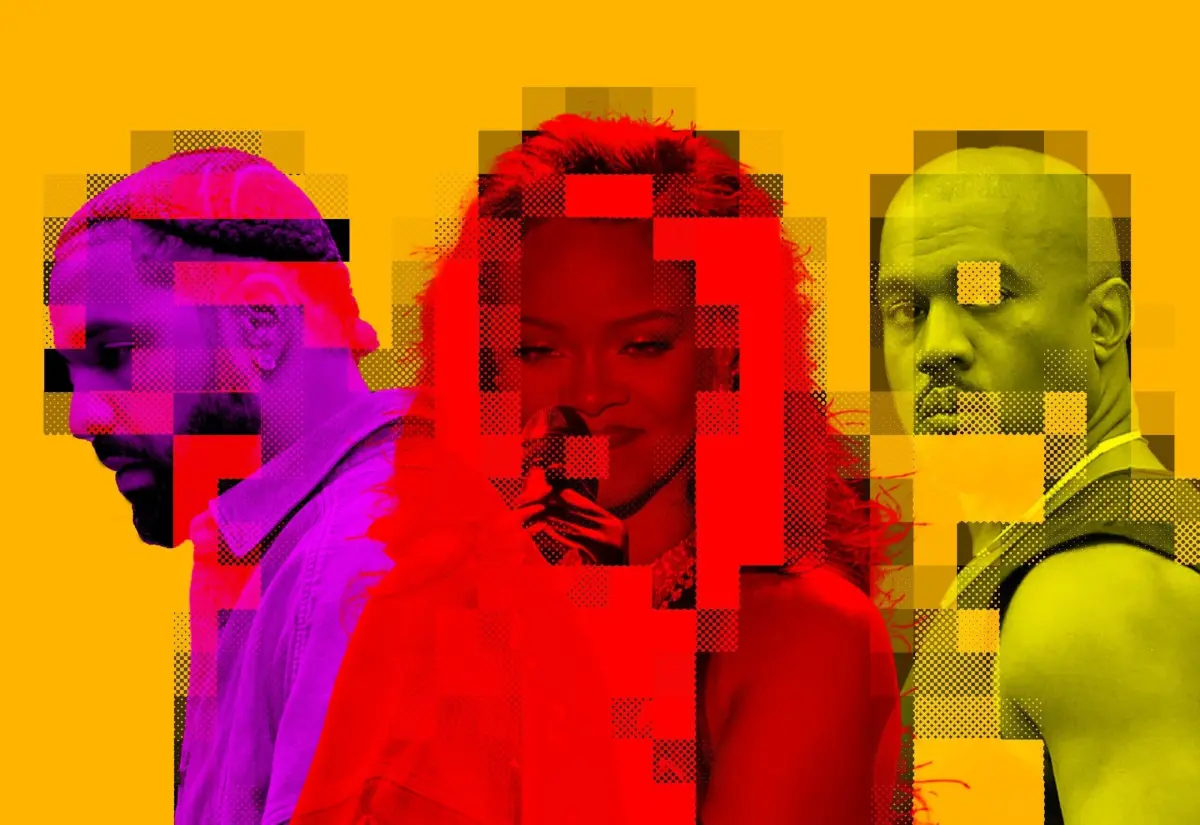
What began as a novelty for tech-savvy hobbyists has rapidly exploded into a mainstream cultural wave. Superstars such as Drake, Kendrick Lamar, and Kanye West have been digitally resurrected or repurposed to cover songs ranging from indie-pop hits to viral rap anthems. Yet, while fans revel in the novelty and ambiguity of these AI-generated tracks, the music establishment is sounding the alarm. Major record labels, publishing conglomerates, and legal experts view the technology not merely as a creative sandbox, but as a severe existential threat to intellectual property, artist likeness, and industry revenue models.
As streaming services grapple with automated copyright enforcement and major labels demand legislative and technical safeguards, the music world finds itself navigating uncharted legal waters. This report examines the rapid rise of generative AI music, the creators behind the viral tracks, the growing industry backlash, and the profound legal questions threatening to reshape the future of recorded sound.
Detailed Chronology: From Niche Experiments to Mainstream Shockwaves
The journey of AI-generated music from underground developer forums to global headlines has been shockingly swift. While speech synthesis has existed for years, recent breakthroughs in neural audio models have allowed hobbyists to replicate the exact timbre, cadence, and emotional delivery of world-famous vocalists with startling accuracy.
Early 2023: The Wave Begins
The rumblings of the current AI boom began to surface in early 2023. In February, superstar DJ and producer David Guetta electrified a live concert audience by playing a track that incorporated AI-generated vocals mimicking Eminem. The track, created without the Detroit rapper’s consent, served as an early warning shot for the industry. Shortly thereafter, French hip-hop act AllttA released “Savages,” a track featuring an AI-generated vocal performance modeled after Jay-Z. Writing for The New Yorker, critic Kyle Chayka noted that Jay-Z’s eerily familiar digital voice added an "ineffably compelling" layer to the music.
Spring 2023: Viral Sensations and the Breaking Point
The momentum reached a fever pitch in April 2023 with the release of "Heart on My Sleeve," an impressively polished, AI-generated collaboration between digital replicas of Drake and The Weeknd. The track went viral overnight across social media platforms, sparking intense speculation that it was a calculated marketing ploy by an early-stage audio startup.
At the same time, user-generated faux covers began flooding the internet. An anonymous creator uploaded an AI-generated version of Drake rapping Ice Spice’s viral hit "Munch (Feelin’ U)." This proved to be the tipping point for the Canadian superstar. Taking to Instagram, Drake publicly declared the track "the final straw."
Meanwhile, female pop icons became prime targets for the technology. Unofficial tracks circulated widely online featuring digital clones of Rihanna performing tracks associated with Beyoncé, Katy Perry, and Maroon 5, leaving fans and industry watchers wondering where the boundaries of digital impersonation lay.
Mid-2023 to Present: The Crackdown and Counter-Culture
As record labels mobilized legal and technical countermeasures, creators adapted. Platforms like YouTube and SoundCloud began experiencing waves of copyright takedown notices issued on behalf of major music publishers. Despite these efforts, communities of AI enthusiasts continue to thrive on Discord and TikTok, treating the creation of AI vocal models as a decentralized, open-source collaborative art project.
Supporting Context & Metrics: The Tech, The Creators, and The Culture
To understand how easily these deepfake songs are produced, one must examine the accessible tools driving the movement. The technology behind the viral wave relies heavily on open-source projects originally designed for speech-to-speech conversion.
The Mechanics: Inside the Open-Source Audio Pipeline
The primary engine behind the current generation of viral AI songs is an open-source software project known as So-Vits-SVC (Soft-Voice-to-Service). The tool has achieved massive popularity within developer and fan communities, boasting a dedicated hashtag on TikTok that has accumulated over 2 million views.
The process of creating a custom vocal model requires relatively modest technical skill:
- Data Harvesting: Creators scour the internet for clean acapella audio tracks, interviews, and isolated vocal stems of a target artist (such as Kanye West or Drake).
- Model Training: These audio clips are fed into the So-Vits-SVC framework. After a training period lasting anywhere from a few hours to a few days, the AI learns the unique acoustic fingerprint, pitch tendencies, and vowel shapes of the artist.
- Inference: Creators can then take a pre-recorded vocal track—often sung or spoken by an amateur in their bedroom—and run it through the trained model, instantly transforming the audio into the uncanny, pristine voice of a global superstar.
The Hobbyists: Inside the Fan Communities
Far from malicious corporate actors, many of the most prominent creators are ordinary young people operating out of bedrooms and college dormitories.
- YeezyBeaver: A 22-year-old from Oklahoma who manages a popular YouTube channel dedicated to Kanye West. His most viral creation is a remarkably charming AI-generated cover of the Plain White T’s classic "Hey There Delilah" performed in the style of Kanye. YeezyBeaver started experimenting after stumbling upon a link to a Kanye voice model shared within a Discord fan server.
- pieawsome: An American college student and active member of the internet’s "Kanye unreleased community"—a subculture dedicated to trading and finishing the rapper’s leaked, unfinished material. Realizing the community had amassed enough vocal data to train a neural network, pieawsome chopped up unreleased acapellas, trained a So-Vits-SVC model, and shared it with fellow fans. Within days, the model was being used to generate tracks that caught the attention of major industry figures like Travis Scott, who liked an Instagram post featuring a Kanye-style cover of Ice Spice’s "Munch."
- Jered Chavez: A 19-year-old student at the University of South Florida who viralized an Instagram video featuring digital clones of Drake, Kanye West, and Kendrick Lamar performing "Fukashigi no Karte," the ending theme to the popular anime series Rascal Does Not Dream of Bunny Girl Senpai. Chavez leans heavily into comedy to differentiate his content, acknowledging the murky ethical territory of his work.
Official Statements and Industry Response
The music business has moved swiftly from initial curiosity to defensive aggression. The stakes are immense: billions of dollars in royalties, master recording rights, and brand equity hang in the balance.
Universal Music Group’s Urgent Pushback
Universal Music Group (UMG), the world’s largest music corporation—representing powerhouse artists including Drake and Rihanna—has taken a frontline role in combating unauthorized generative AI. Industry reports indicate that UMG has approached major streaming services, including Spotify and Apple Music, demanding that they proactively block AI developers from "scraping" copyrighted audio catalogs. Music streaming platforms are being pressured to implement technological barriers that prevent AI models from ingesting commercial sound recordings to learn vocal nuances.
The Analyst Perspective: An Existential Threat
The corporate panic is mirrored by financial analysts tracking the sector. A recent research note by an influential analyst at BNP Paribas Exane categorized generative AI music as a "new disruptive threat" to the foundational revenue models of major record labels. The report questioned whether the traditional copyright framework can survive an era where high-fidelity, indistinguishable vocal clones can be manufactured by anyone with an internet connection.
Legal Limbo and the Question of Identity Theft
Despite the aggressive posture of major labels, legal experts emphasize that the law has yet to catch up with the technology.
Jonathan Bailey, former Chief Technology Officer of music tech firm Soundwide, offers a stark moral assessment of the practice:
"I think you can make a persuasive argument that using AI to reanimate Jay-Z’s voice to have him rap or sing something he never created is kind of a form of identity theft."
However, translating ethical outrage into actionable litigation is notoriously difficult. Donald Passman, a veteran entertainment attorney at Gang, Tyre, Ramer, Brown & Passman, Inc.—who has represented legendary artists such as Adele and Taylor Swift—declined to offer definitive legal predictions for this story. Citing the need to avoid positions that might conflict with future courtroom battles, Passman remarked simply: "It’s way too new."
Creator perspectives on legality vary wildly. Comparing his work to video game modding or literary fanfiction, pieawsome defends the hobby:
"It’s our version of that. That may be a good thing. It may be a bad thing. I don’t know. But it’s kind of an inevitable thing that was going to happen."
Future Outlook: Navigating the Brave New World of Synthetic Audio
As generative AI models continue to advance in speed, fidelity, and accessibility, the genie cannot be put back in the bottle. The trajectory of the music industry over the coming decade will likely be defined by how stakeholders resolve three critical friction points:
1. The Legal and Regulatory Frontier
Lawmakers globally will be forced to draft novel legislation addressing synthetic media, likeness rights, and copyright infringement. Existing doctrines regarding parody, transformative fair use, and the right of publicity are ill-equipped to handle real-time neural voice cloning. We can anticipate landmark lawsuits that will test whether a vocal timbre can be legally owned, and whether training an AI model on copyrighted sound recordings constitutes infringement.
2. Technical Countermeasures vs. Open-Source Innovation
As streaming platforms and publishers deploy automated audio-fingerprinting and watermarking technologies to scrub unauthorized AI tracks, an ongoing technological arms race will ensue. While major labels may successfully purge official platforms like Spotify and YouTube of blatant deepfakes, decentralized peer-to-peer networks, blockchain storage, and encrypted messaging apps will likely ensure that underground AI music continues to circulate freely.
3. The Evolution of Authorized Collaboration
Rather than fighting a losing battle of total suppression, forward-thinking artists and labels may eventually embrace generative AI through authorized licensing channels. We are likely to see a future where legendary artists officially license their voice models, allowing fans to create approved covers, or enabling aging legacy acts to continue releasing new material long after they have retired from touring or recording.
For now, the industry remains in a state of uneasy suspension. As Jered Chavez aptly observed:
"I guess [copyright takedowns] are one way of tackling it. But honestly, now this technology is out there, I don’t think people are ever going to stop using it. The responsibility lies in the judgment of the people that are making [AI-generated music]. I try to use my best judgment. This is kind of new territory for everyone."
The phantom voices of pop are here to stay. Whether they ultimately destroy the traditional music economy or force its most radical evolution in history remains one of the defining cultural questions of our time.