For millions of remote workers, content creators, and dedicated PC gamers, the modern lifestyle comes with a silent, chronic tax: back pain. Spending eight to ten hours a day hunched over a keyboard—transitioning seamlessly from a strenuous workday to an evening raiding dungeons or climbing competitive ladders—takes a punishing toll on the human spine. The modern digital lifestyle demands hours of sedentary focus, but human biology never quite adapted to the stationary chair.
As lower back strain, tight hip flexors, and poor posture become universal workplace hazards, the standing desk has transitioned from a trendy office novelty to an absolute ergonomic necessity. However, outfitting a proper battlestation with an electric, height-adjustable workstation has historically required a significant financial investment. Premium frames, robust motors, and expansive work surfaces often command prices that send budget-conscious gamers running back to static, flat-pack wooden tables.
Enter the current retail landscape. Major promotional events like Amazon Prime Day have completely altered the economics of office ergonomics. Sudden, aggressive price slashing on top-tier adjustable desks has transformed previously prohibitive equipment into impulse-buy territory. Industry analysts and hardware experts are currently tracking massive markdowns on some of the market’s most sought-after motorized workstations, including heavy-hitting models from FlexiSpot, ErGear, and Cubiker. For anyone who has spent months tracking prices and hesitating at checkout, this window represents a critical, fleeting opportunity to upgrade their setup, protect their physical health, and finally break the vicious cycle of sedentary fatigue.
Detailed Chronology: The Evolution of the Gaming Ergonomics Market
The Era of the Static Battlestation
A decade ago, the concept of "gaming furniture" was largely synonymous with racing-style bucket-seat chairs and heavy, fixed-height desks engineered to hold CRT monitors or early heavy-duty multi-display setups. Ergonomics were largely an afterthought; style, RGB lighting, and cable management ports took precedence over biomechanical health. Gamers accepted lower back pain as an unavoidable tax of the hobby, a badge of honor earned through marathon weekend sessions.
The Rise of the Sit-Stand Movement
As remote work blurred the lines between professional offices and personal gaming dens, health professionals began sounding the alarm regarding sedentary lifestyles. The medical consensus was unanimous: prolonged sitting drastically increases the risk of cardiovascular disease, musculoskeletal disorders, and chronic back pain.
Office spaces quickly adopted sit-stand desks, but early consumer adoption within the gaming community was sluggish. The first generation of standing desks suffered from severe mechanical limitations:
Crank-operated systems that required manual, exhausting winding to raise heavy setups.
Weak single-motor configurations that struggled with weight distribution, resulting in jerky, unstable movements.
Exorbitant price tags that alienated younger gamers and budget-conscious enthusiasts.
The Motorized Revolution and Price Compression
Over the past three years, manufacturing efficiencies and rapid advancements in dual-motor electric actuators completely revolutionized the market. Brands discovered how to manufacture whisper-quiet, high-load-capacity lifting columns at scale. Sturdy steel frames, programmable memory keypads, and collision-detection safety sensors trickled down from luxury commercial offices into consumer-grade gaming gear.
Despite these technological leaps, premium sit-stand desks remained a luxury purchase—until massive retail events bridged the gap. By leveraging synchronized shopping windows, manufacturers and e-commerce giants began offering seasonal price corrections that make ergonomic upgrades accessible to the masses. The current sales cycle represents the culmination of this evolution, where high-end stability, multi-motor power, and massive weight capacities are available at historic lows.
Supporting Context & Metrics: The Ergonomic Crisis and the Hardware Solution
To understand why upgrading to an adjustable desk is no longer a luxury, one must examine the hard data surrounding sedentary behavior and hardware capability.
The Cost of Sedentary Living
According to occupational health studies, the average digital worker sits for nearly 9.3 hours a day—often surpassing the amount of time spent sleeping. For PC gamers, this baseline is frequently augmented by an additional 3 to 5 hours of evening screen time. The biomechanical consequences are stark:
Increased Spinal Load: Sitting puts up to 40% more pressure on the spinal discs than standing.
Muscular Atrophy: Prolonged static sitting deactivates the gluteal muscles and tightens hip flexors, forcing the lower back to compensate and absorb unnatural stress.
Fatigue and Focus Decline: Alternating between sitting and standing promotes better blood circulation, elevating oxygen levels to the brain and staving off the dreaded afternoon slump.
Analyzing the Top Contenders on Sale
Hardware experts and long-term testers monitoring the current marketplace have highlighted three distinct models currently commanding attention due to their exceptional price-to-performance ratio during promotional windows.
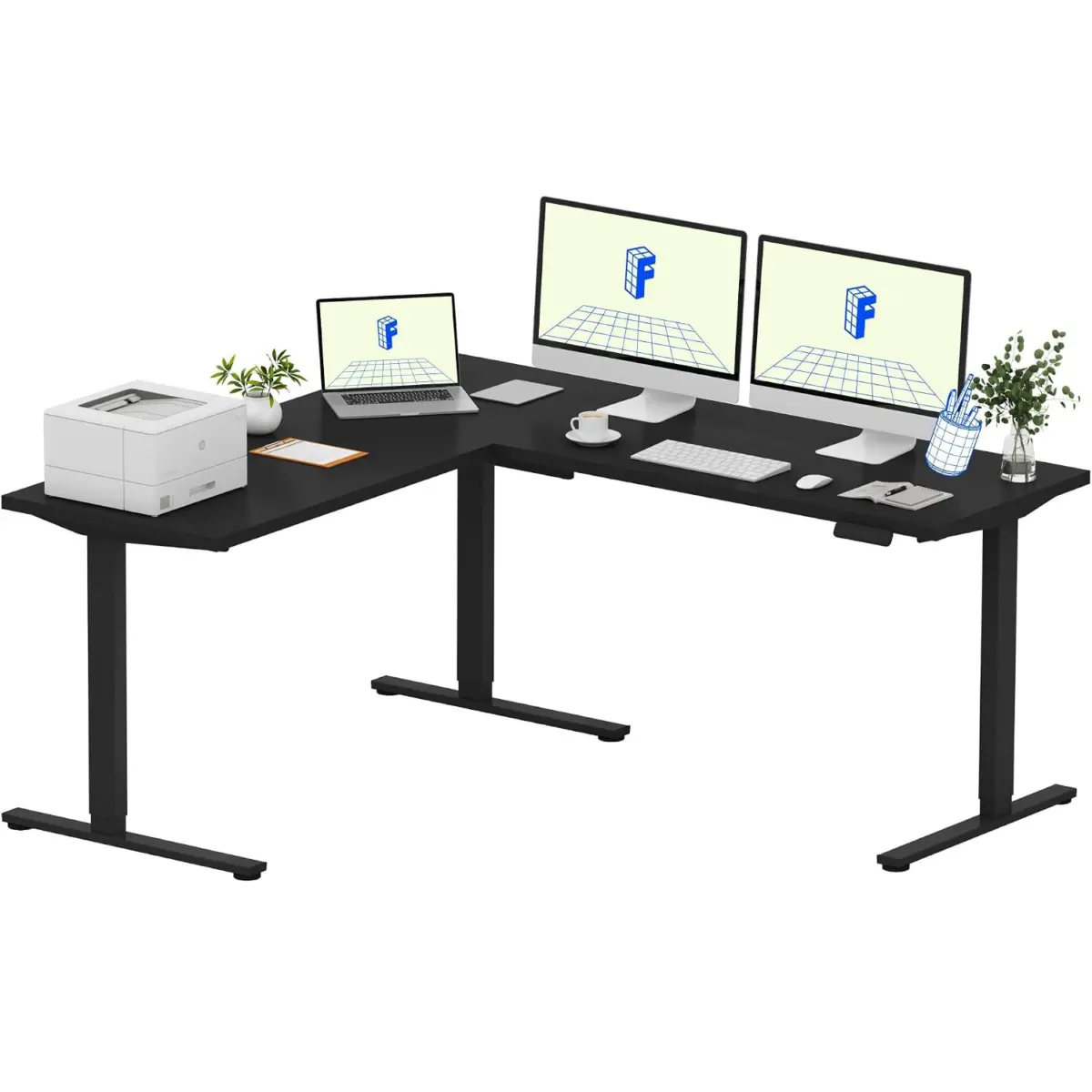
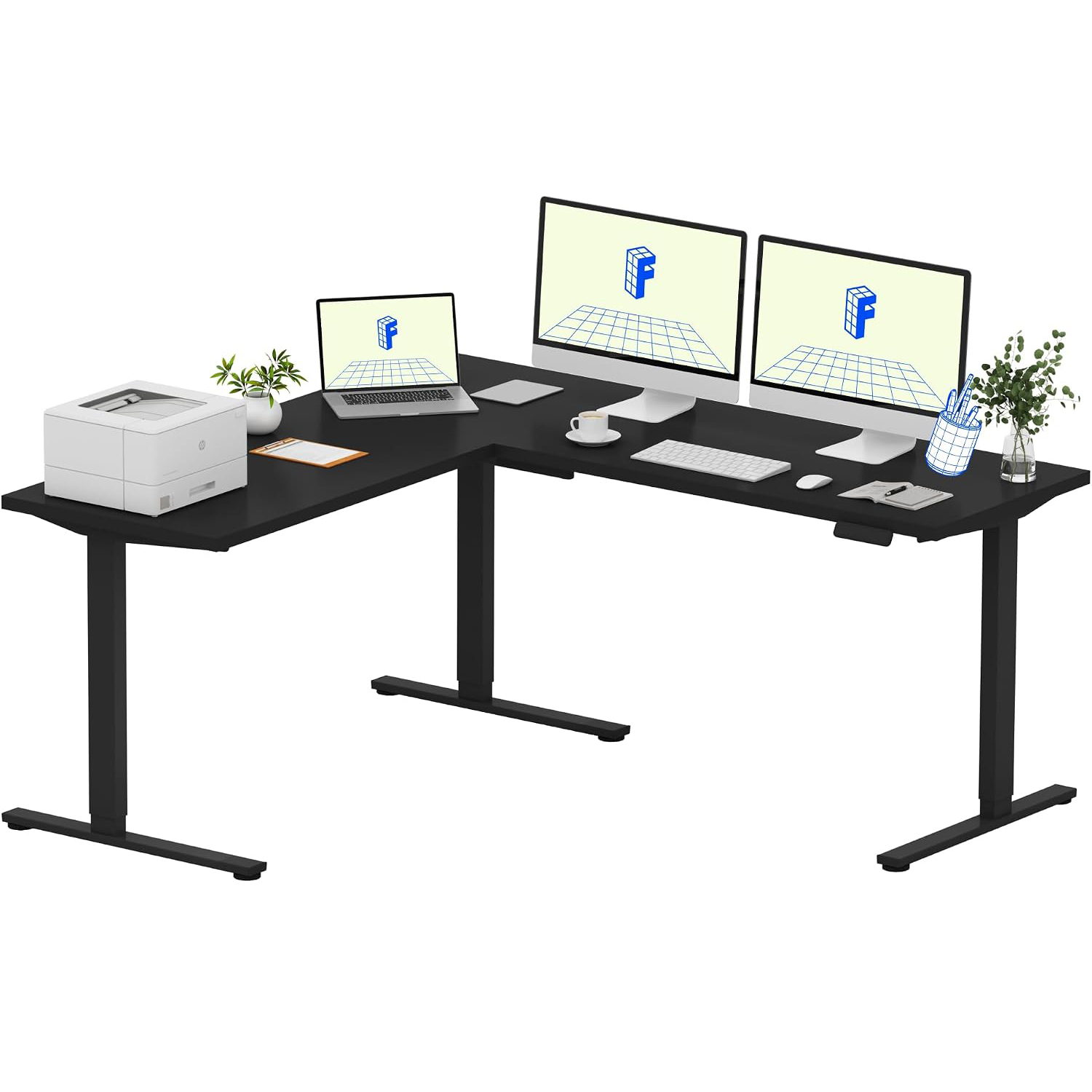
1. FlexiSpot E7L Pro L-Shaped Standing Desk
The Verdict: Widely regarded as a gold standard for heavy-duty setups.
Why It Matters: Traditional standing desks can feel cramped for users running triple-monitor arrays, complex streaming hardware, and massive desktop towers. L-shaped configurations solve this spatial crisis, but engineering a stable corner lifting mechanism is notoriously difficult. The FlexiSpot E7L Pro utilizes a robust multi-motor setup that effortlessly hoists sprawling work surfaces without dipping, wobbling, or stalling under a heavy load. It features advanced anti-collision technology and precise height memory presets, making it the premier choice for power users who refuse to compromise on space.
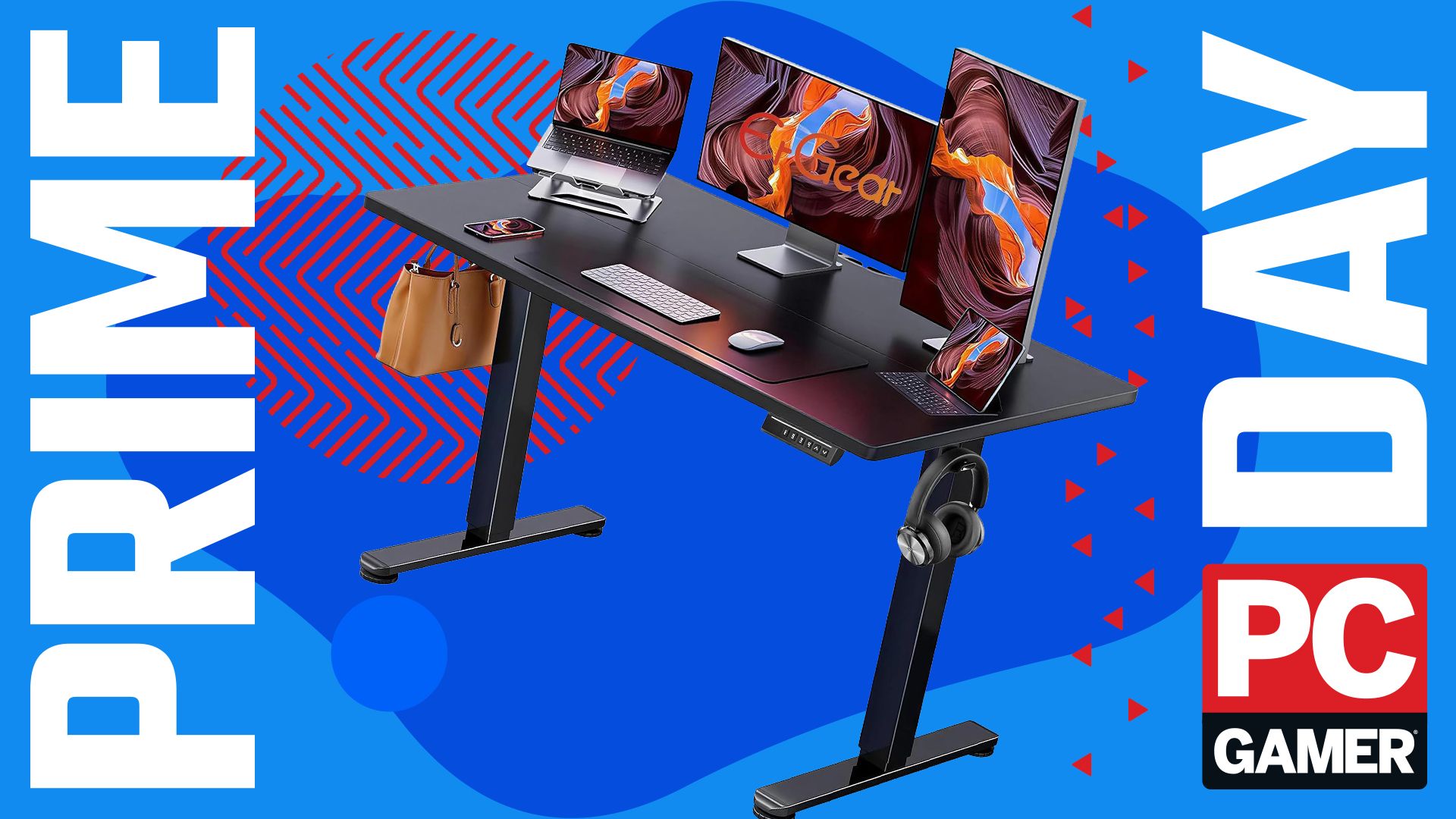
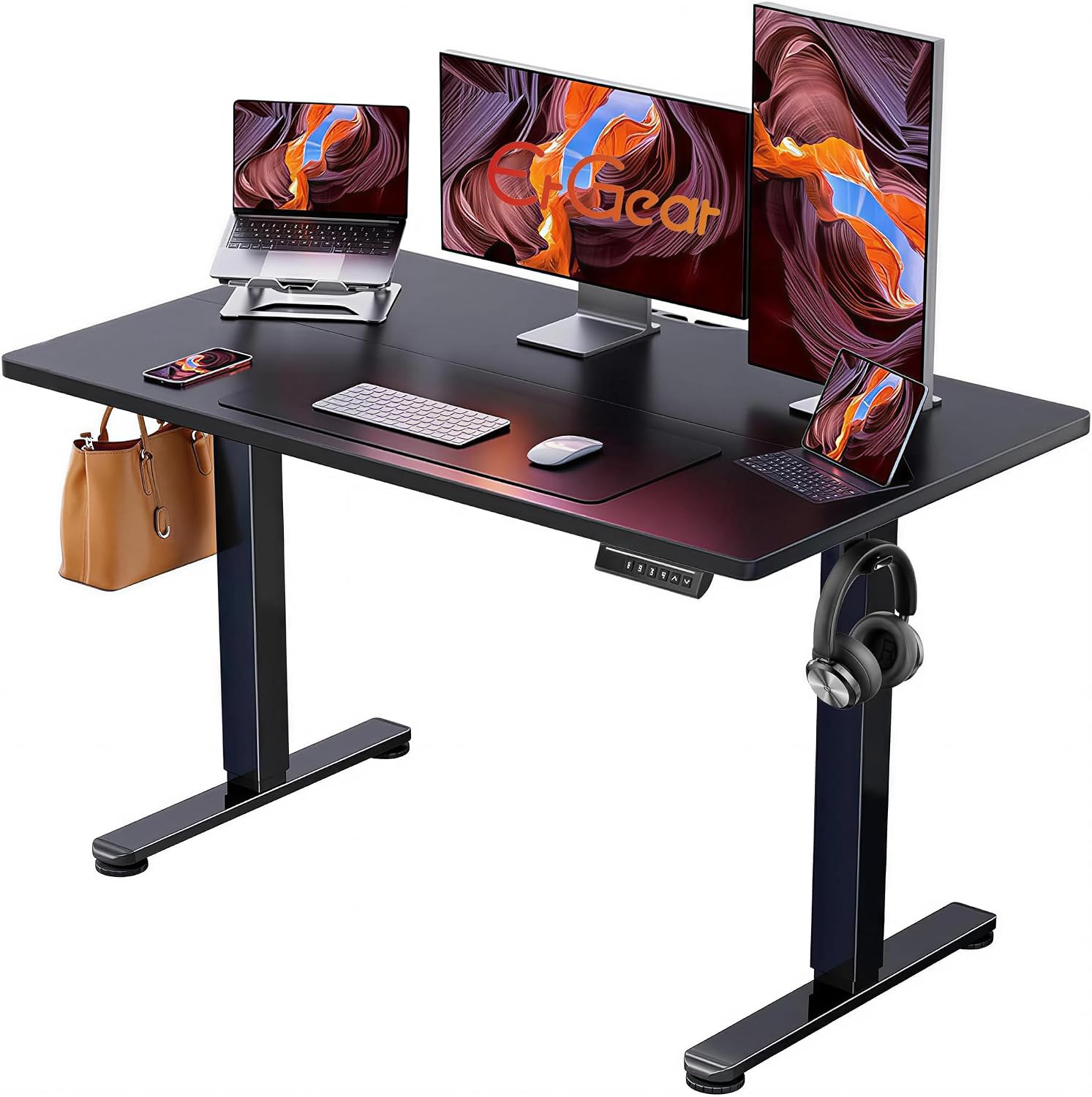
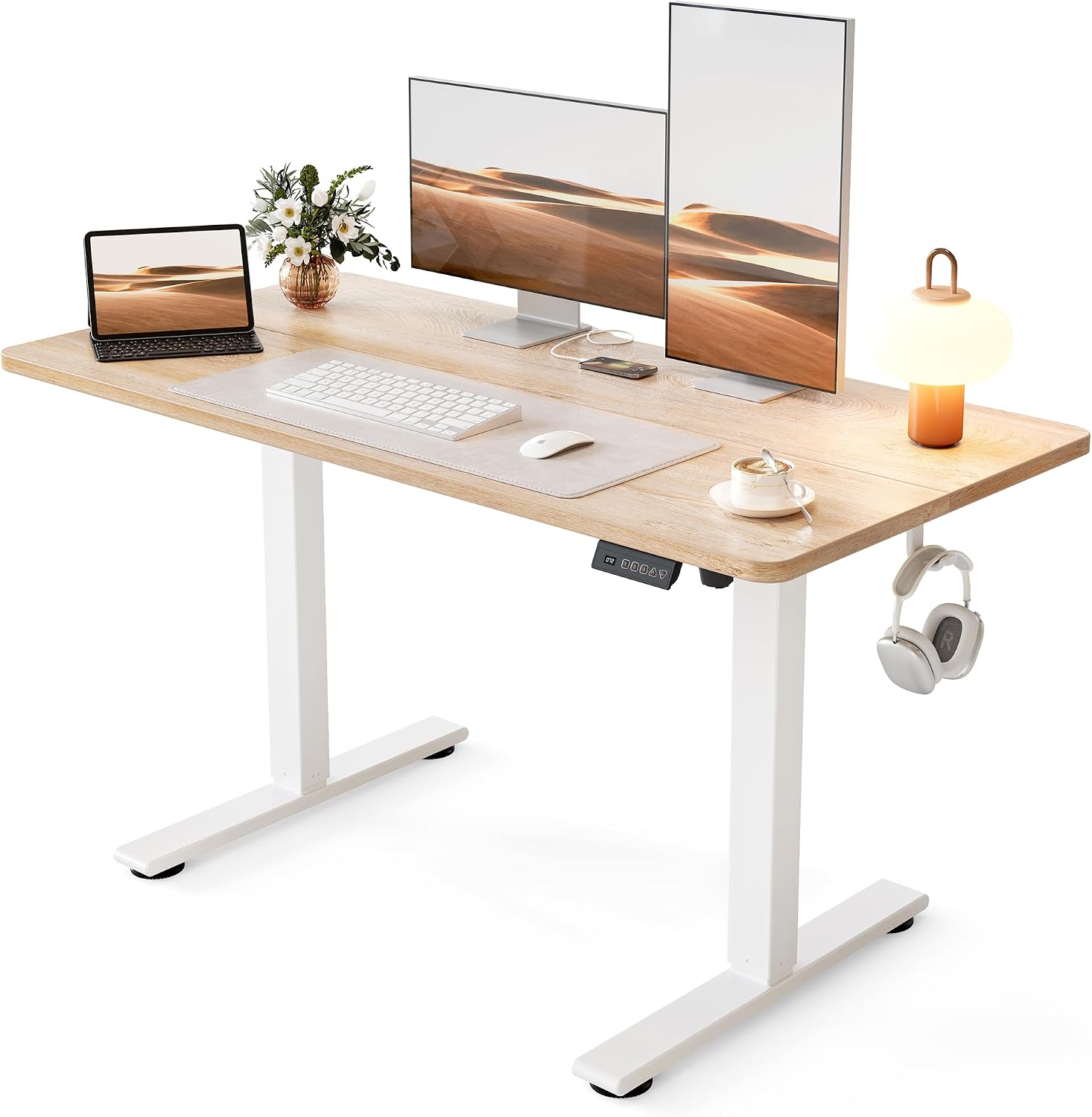
2. ErGear Electric Standing Desk
The Verdict: The ultimate budget-friendly powerhouse.
Why It Matters: For gamers dipping their toes into the world of active workstations without wanting to clear out their savings accounts, ErGear bridges the gap. These desks offer reliable single- or dual-motor lifting columns, smooth height transitions, and surprisingly solid industrial steel frames. They prove that you do not need to spend a small fortune to secure a reliable, health-conscious upgrade for your posture.
3. Cubiker Adjustable Electric Desk
The Verdict: The minimalist, space-conscious alternative.
Why It Matters: Not every gamer has the luxury of a dedicated, sprawling studio space. Cubiker targets urban apartments and compact bedrooms, offering streamlined electric desks that don’t sacrifice motor strength or build quality for a smaller footprint. They represent the democratization of office ergonomics, bringing sit-stand capability to tighter environments.
Official Statements and Industry Insights
Industry analysts tracking the ergonomic hardware market note that consumer buying habits have shifted permanently toward health-conscious setups.
"The boundary between office furniture and gaming hardware has completely dissolved," notes a leading hardware market researcher. "Gamers are realizing that their setups are essentially high-performance workstation environments. Investing in a quality electric desk is no longer viewed as an aesthetic choice—it is a preventative health investment akin to buying a high-end ergonomic chair or blue-light-filtering lenses."
Manufacturers have echoed these sentiments, pointing out that customer inquiries regarding motor durability, weight thresholds, and cable management integration have skyrocketed over the past twenty-four months.
"When we design modern standing desks, we aren’t just thinking about someone lifting a laptop," explains a lead product developer at a major ergonomic furniture firm. "We are engineering frames that can support a 50-pound custom liquid-cooled PC tower, studio monitors, boom arms, and a mechanical keyboard array, all while lifting smoothly at the push of a single button. The engineering challenge has intensified, but the consumer benefits are unprecedented."
Future Outlook: Where Ergonomics and Gaming Go From Here
As we look toward the future of the PC gaming ecosystem, the integration of smart technology and wellness tracking into furniture is accelerating rapidly.
What to Expect in the Next Generation of Desks
Biometric Integration and Smart Reminders: Future smart desks will feature subtle haptic feedback or integrated software notifications that remind users when it is time to transition from sitting to standing based on personalized health metrics.
Embedded Wireless Ecosystems: Expect next-generation work surfaces to feature seamless Qi charging pads, built-in USB-PD hubs, and invisible inductive power routing that eliminates desktop cable clutter entirely.
AI-Driven Posture Calibration: Utilizing depth-sensing cameras or wearable sync tools, future workstations will automatically adjust to optimal ergonomic heights based on who is sitting or standing at the terminal.
The Immediate Call to Action
While futuristic smart desks are on the horizon, the immediate reality remains grounded in practicality. Back pain does not wait for tomorrow’s technology, and neither do retail price cuts. The current wave of promotional discounts offers a rare intersection of premium build quality and rock-bottom pricing.
For anyone logging countless hours at their PC—whether grinding through competitive matches or compiling professional spreadsheets—procrastinating on ergonomic health is a losing game. The tools to protect your spine, enhance your focus, and revitalize your workspace are currently more affordable than they have ever been. Make the investment now, save your back, and step into a healthier, more active digital lifestyle before these fleeting discounts vanish for good.