Executive Overview
For over two decades, the auditory landscape of Final Fantasy X has occupied a revered space in video game history. Composed by industry luminaries Nobuo Uematsu, Masashi Hamauzu, and Junya Nakano, the soundtrack defined a milestone era for Square Enix (then Square Co.), accompanying players through the heartbreak, pilgrimage, and breathtaking vistas of the fictional world of Spira.
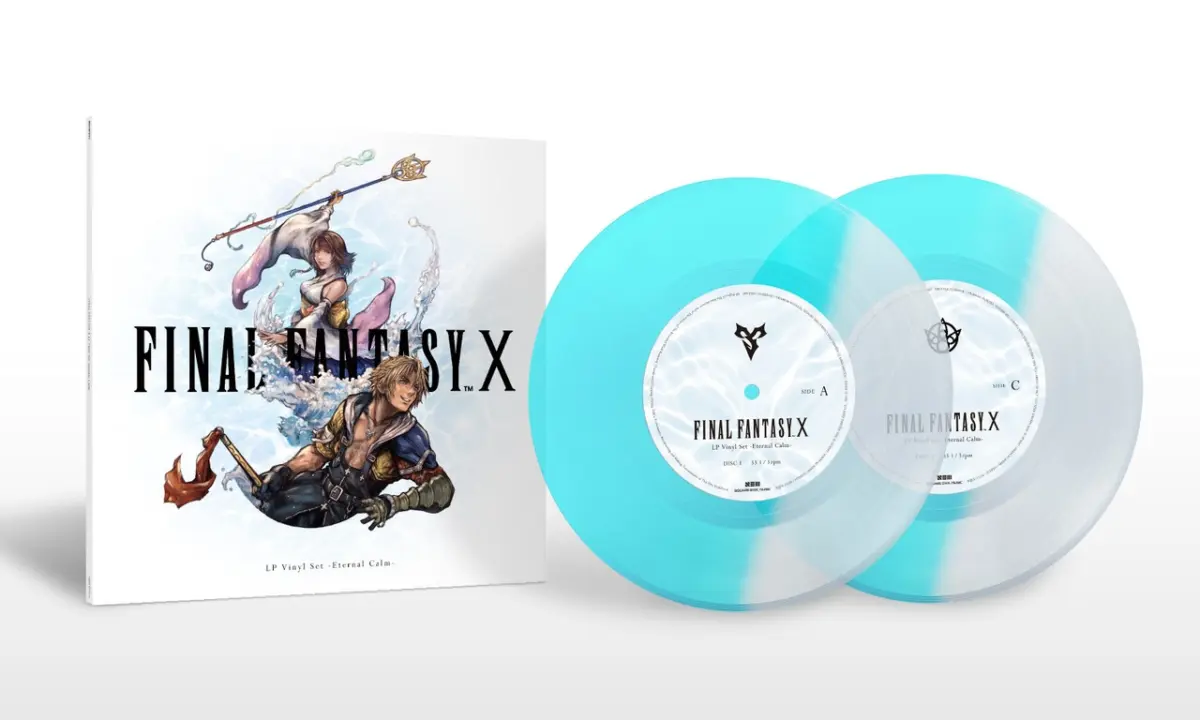
Now, as the iconic PlayStation 2 masterpiece approaches its milestone 25th anniversary, Square Enix Music is leaning heavily into its most valuable asset: nostalgia. The publisher has announced a stunning, premium anniversary vinyl release slated for next month, designed to capture the tactile and visual grandeur of the title’s enduring legacy.
Simultaneously, the company is pushing its catalog into wildly experimental territory with the release of Final Fantasy X: House Grooves. Following a similar conceptual venture for Final Fantasy IX, this digital release reimagines Spira’s famously moody, melancholic, and orchestral motifs through the lens of electronic dance music and house beats. The result is a fascinating, polarizing juxtaposition: a high-concept collision between solemn video game narratives and four-on-the-floor club culture. This comprehensive report examines the rollout of the 25th-anniversary vinyl, the unorthodox creative choices behind House Grooves, and what this dual-pronged strategy reveals about Square Enix’s ongoing commercialization of its legendary musical heritage.
Detailed Chronology: From PlayStation 2 Classics to Modern Audiophile Artifacts
To understand the weight of Final Fantasy X‘s upcoming anniversary milestones, it is essential to trace the journey of its score from digital code to physical medium.
2001–2002: The Birth of a Masterpiece
Released in Japan in July 2001 (and North America in December of that same year), Final Fantasy X was a seismic shift for the franchise. It was the first entry to feature fully voiced characters, 3D environments, and a departure from Uematsu’s solo composition duties. Uematsu teamed up with Hamauzu and Nakano to create a diverse sonic tapestry that blended Okinawan folk influences with ambient electronic textures and sweeping orchestral movements.
At the time, dedicated fans eagerly scoured import sites like Play Asia, spending exorbitant amounts of their hard-earned cash to import the multi-disc Original Soundtrack (OST) on compact disc. These physical artifacts became prized possessions for collectors worldwide, cementing the music’s status as a standalone work of art independent of the game itself.

The Evolution of Square Enix’s Merchandising Strategy
In the decades following the game’s release, Square Enix recognized that video game music (VGM) was not merely a marketing tool for software, but a lucrative, self-sustaining commercial ecosystem. The publisher systematically expanded its monetization avenues:
- Acoustic & Orchestral Interps: Piano collections, acoustic guitar arrangements, and massive global concert tours (Distant Worlds) became staples of the brand.
- The Vinyl Boom: As the analog market experienced a massive global resurgence in the 2010s and 2020s, Square Enix began pressing limited-edition, heavyweight vinyl records for its core titles, turning soundtracks into luxury coffee-table centerpieces.
- Genre-Bending Experiments: Most recently, the company has begun exploring niche electronic sub-genres, retrofitting classic RPG scores into chillwave, vaporwave, and now, house music.
The 25th-Anniversary Vinyl Rollout
Marking the upcoming silver anniversary of the game, next month’s vinyl release represents the pinnacle of this audiophile strategy. While specific tracklists and variant pressings vary by region, early promotional imagery reveals an immaculate package featuring iconic silhouette artwork, gatefold layouts, and heavyweight discs designed to satisfy purists and high-end collectors alike. It is a calculated tribute to a generation of gamers who grew up on the PS2 and now possess the disposable income to invest in premium physical collectibles.
Supporting Context & Metrics: The Economics of VGM and the House Grooves Experiment
The decision to release Final Fantasy X: House Grooves—the second album of its kind following Final Fantasy IX: House Grooves—highlights a broader industry shift toward cross-genre experimentation. But how does house music actually translate to a game characterized by grief, loss, and the looming terror of "Sin"?
The Anatomy of House Grooves
Transforming an emotionally heavy soundtrack into dancefloor-ready material is a risky creative endeavor. The tracks on House Grooves range from surprisingly cohesive adaptations to surreal auditory mashups:
- "To Zanarkand": The iconic, melancholic piano melody that opens the game is arguably the most recognizable piece of music in the FFX canon. In its house-remix incarnation, it evokes a distinct "hotel lobby lounge" atmosphere—reminiscent of casual networking events or high-end corporate mixers. While the styles undeniably gel on a technical level, it forces listeners to reconcile a solemn memory with an upbeat, rhythmic pulse.
- "Phantoms": Originally accompanying the eerie, glacial beauty of the Macalania region, this atmospheric track makes a surprisingly seamless transition to the electronic format. Having already found a second life in unofficial mid-2010s vaporwave and chillwave fan mixes, its conversion into an official house track feels almost like a homecoming.
- "Wandering": Played during one of the game’s most devastating early sequences—where the cosmic whale creature Sin attacks a beach and slaughters countless Crusaders—this track is defined by pure despair. Attempting to turn it into a "bop" proves nearly impossible. Instead, the remix results in a dissonant layering where the sorrowful original melodies and the upbeat rhythm track feel at war with one another. Yet, for fans with an eclectic (or chaotic) palate, this friction possesses its own strange charm.
- "Fight with Seymour" & The Blitzball Theme: Unquestionably the primary justification for the album’s existence, the battle theme for the game’s primary antagonist gets a high-octane club makeover, cleverly weaving in the infectious hook of the in-game Blitzball theme. While it is unlikely to be spun at an underground techno club anytime soon, it successfully hits the sweet spot for die-hard fans willing to embrace the absurdity.
The Nostalgia Economy
From a market perspective, Final Fantasy X: House Grooves and the anniversary vinyl target two different facets of the same consumer psychological profile: the aging millennial gamer.
Market research across the entertainment sector indicates that consumers aged 30 to 45—who experienced the golden era of fifth- and sixth-generation consoles during their formative years—demonstrate the highest retention and spending power for nostalgia-driven media. By offering both high-end physical preservation (vinyl) and ironic, digital-first genre mashups (House Grooves), Square Enix effectively captures both the reverent purist and the novelty-seeking enthusiast.

Official Statements and Industry Reception
While Square Enix has maintained a traditional corporate approach to the rollout of the 25th-anniversary physical items, the reception from music critics, journalists, and the fanbase has been a mix of affectionate self-awareness and genuine appreciation.
Industry commentators have pointed out that Square Enix’s willingness to authorize bizarre genre shifts speaks to the sheer elasticity of Uematsu, Hamauzu, and Nakano’s original compositions. Because the core melodies were written with strong structural foundations, they can survive drastic translation into radically different sonic environments—even if the emotional context is entirely upended.
"No one’s going to be spinning Final Fantasy X: House Grooves on Boiler Room any time soon," notes one industry critic, summarizing the general sentiment of the community. "Yet, considering it’s reheated nostalgia, the execution is deeply satisfying. It’s an indulgence for the dedicated fanbase—the kind of niche pandering that makes you shake your head while adding the track to your playlist for the twentieth time."
Future Outlook: What Next for Square Enix Music?
As Square Enix continues to optimize its intellectual property portfolio ahead of future fiscal milestones, the success of the Final Fantasy X anniversary initiatives offers a clear roadmap for upcoming projects.
- Expanded Vinyl Catalogs: Expect future milestones—such as upcoming anniversaries for Final Fantasy XI, XII, and the modern trilogies—to receive similar, if not more elaborate, collector-grade vinyl treatments. The physical collectible market remains a high-margin, low-risk revenue stream for legacy gaming publishers.
- Further Genre Exploration: Given the reception of the House Grooves series, Square Enix may look into other niche electronic or ambient sub-genres. Speculation within community forums already points toward potential Lo-Fi, synthwave, or orchestral-ambient crossover projects for other entries in the franchise.
- Live Experiences: The blending of traditional VGM arrangements with electronic elements could heavily influence upcoming concert setlists, bridging the gap between classical symphonic performances and modern electronic music festivals.
Ultimately, Final Fantasy X remains a titan of the JRPG genre, and its music is the emotional anchor that keeps fans returning to Spira generation after generation. Whether fans choose to spin a pristine 25th-anniversary vinyl on a high-end turntable or stream bizarre, rhythm-driven house remixes of tragic death scenes, Square Enix has once again proven that the melodies of Yuna, Tidus, and their world are timeless—and remarkably versatile.