Executive Overview
In an era defined by hustle culture and extreme athletic metrics, the modern endurance narrative is undergoing a quiet revolution. Gone are the days when marathon training was exclusively the domain of hyper-focused specialists waking up at ungodly hours to grind through solitary miles of pure discomfort. Today, a new archetype of runner is emerging—one that balances professional ambition, social engagement, and a profound commitment to personal comfort without compromising on elite athletic goals.
Enter Hong, a Berlin-based graphic designer, international flight attendant, and veteran marathoner currently preparing for her seventh 42.2-kilometer race. Hong’s journey dismantles the antiquated notion that to be a serious runner, one must sacrifice joy, relaxation, and lifestyle. By blending a demanding dual-career schedule with a holistic approach to fitness—incorporating yoga, targeted strength training, physical therapy, and an unyielding appreciation for post-run pastries—Hong represents a paradigm shift in urban athletics.
This in-depth feature explores Hong’s weekly training methodology, examining how she navigates the logistical labyrinth of a high-travel profession while logging serious mileage. Through an analysis of her physical routines, community integration via Berlin’s vibrant running collectives, and psychological strategies for maintaining motivation, this article offers a comprehensive blueprint for sustainable, joyful endurance sports.
Detailed Chronology: A Week in the Life of an Urban Marathoner
To understand how Hong manages the monumental task of preparing for her seventh marathon while juggling two distinct careers, one must examine the granular architecture of her weekly schedule. Far from a rigid military regime, Hong’s routine is an exercise in dynamic balance, where recovery is treated with the same reverence as high-intensity interval training.
Monday: The Sonic Lifeline and Canine Pacers
The professional week begins with the dual demands of design work and aviation scheduling. Mondays often present a psychological hurdle—the transition from weekend relaxation back into the friction of a busy schedule.
- The Anti-Burnout Strategy: To combat sluggishness before her morning coffee, Hong relies on a curated running playlist. "I don’t always listen to music when I run," she notes, "but when I feel unmotivated, it’s an absolute lifesaver."
- Vocal Regulation: When fatigue sets in mid-run, Hong employs a unique physiological hack: she drops her pace and begins to sing. This spontaneous vocalization forces her to regain control over her breathing patterns while injecting levity into the workout. Passersby frequently offer amused smiles as she jogs past, humming or singing melodies through the Berlin streets.
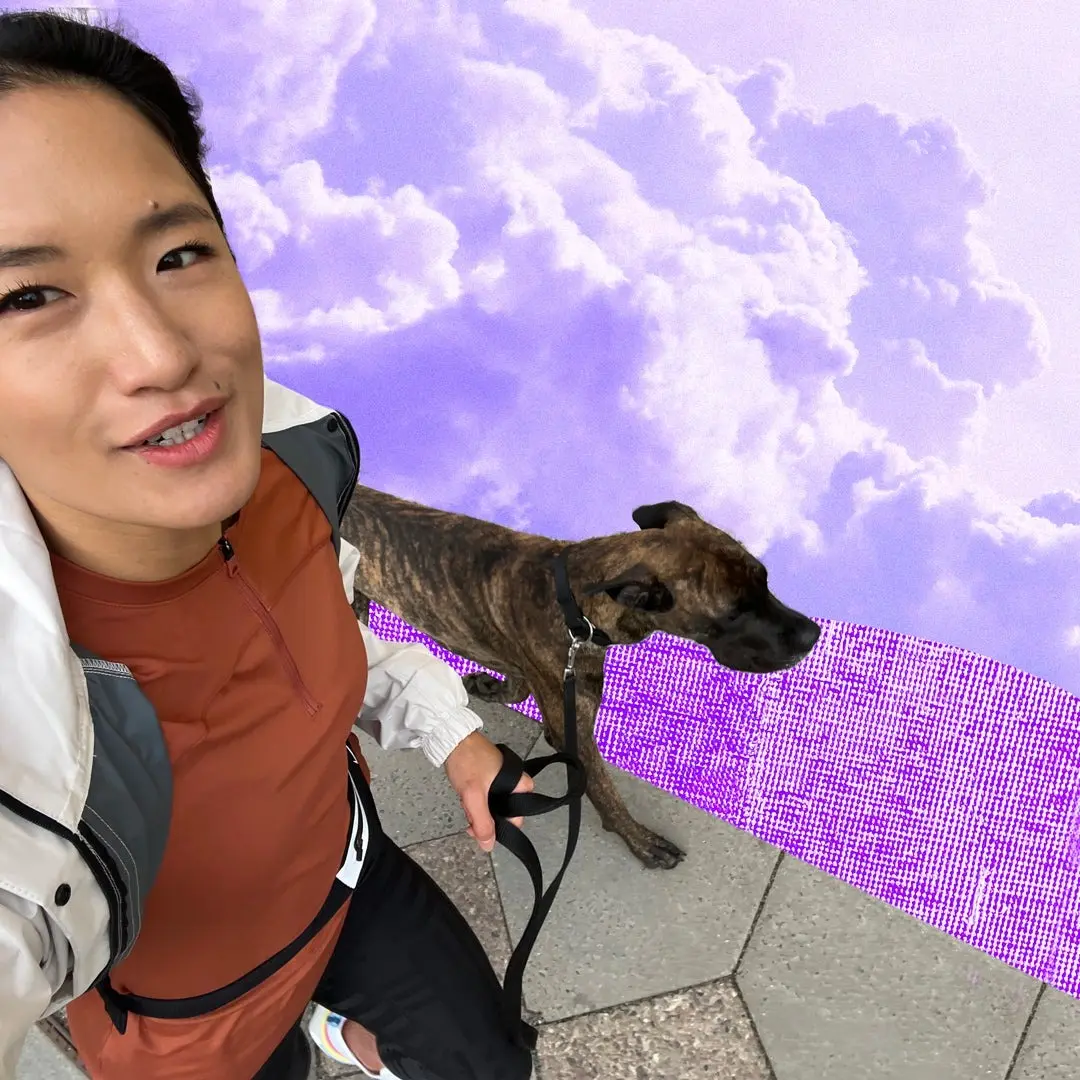
- Canine Companionship: Mondays also occasionally feature borrowed company. By taking her friend’s high-energy dog, Mia, for a spin, Hong introduces a dynamic element to her aerobic base-building. "At the beginning, she pulls me; at the end, I pull her," Hong explains. While Mia dominates the sprints, Hong’s steady pacing wins out on sheer endurance.
Tuesday: Cross-Training and Injury Mitigation
Tueasdays mark a strategic departure from pavement pounding. Recognizing that repetitive impact can spell disaster for distance runners, Hong shifts her focus to injury prevention and structural integrity.
- Holistic Conditioning: Tuesday’s itinerary features dedicated yoga sessions and heavy strength training, supplemented by regular physiotherapy appointments.
- Expanding the Comfort Zone: This cross-disciplinary approach provides a robust physical foundation. By strengthening stabilizing muscles, Hong ensures her body can withstand the rigors of high-mileage weeks without descending into chronic exhaustion. "This holistic program helps me step out of my comfort zone and test my limits safely," she notes.
Wednesday: Global Travel, Social Ties, and Active Rest
As a flight attendant, Hong’s weekly geography is subject to sudden shifts across international time zones. Wednesdays often serve as a vital nexus between professional duties and her social ecosystem.
- Prioritizing Connection: Landing back in Berlin triggers an immediate desire to reconnect with friends. Instead of forcing a redundant workout when her body demands respite, Hong opts for cultural nourishment, frequently visiting local art exhibitions.
- The Psychology of Rest: By embedding genuine downtime into her calendar, Hong prevents mental burnout. Rest is not viewed as a failure of discipline, but rather as an active component of the training cycle that precedes high-output days.
Thursday: Track Workouts and High-Performance Gear
With her physical batteries recharged, Thursday represents the crucible of Hong’s training week: the high-intensity track session.
- Embracing the Competitive Edge: "I love competitions. It gives me an incredible amount of joy to challenge myself," Hong states. Thursday’s track workout is designed to measure velocity thresholds and sustained pacing under duress.
- Tactical Equipment Selection: To protect her joints during explosive track work, Hong relies on specialized footwear. She favors the Nike Invincible 3 for its secure lockdown across varying surfaces and its responsive, high-energy foam sole, which delivers a "bouncy" sensation that mitigates ground-reaction forces.
Friday: Social Integration and Cultural Respite
Following the physiological stress of Thursday’s speedwork, Friday is designated for deliberate deceleration.
- Curating the Social Calendar: Balancing a transcontinental career means maximizing local downtime. Fridays are typically reserved for gallery hops, coffee dates, and deep conversations with Berlin’s creative community.
- Mental Decompression: Shifting focus away from athletic metrics allows Hong’s nervous system to reset entirely ahead of the weekend’s prolonged endurance efforts.
Saturday: The Landwehrkanal Routine and Urban Exploration
Saturday morning belongs to the ritualistic long-run—an unhurried affair conducted along one of Berlin’s most iconic waterways.
- Varied Terrain: The route along the Landwehrkanal offers an ever-shifting surface profile, transitioning seamlessly from smooth asphalt to damp grass and gravel.
- Sensory Engagement: Hong alternates between immersing herself in true-crime or cultural podcasts and running entirely unplugged. Absorbing the ambient acoustic landscape of the city provides a meditative backdrop to her miles.
- The Culinary Reward: Every Saturday run concludes with a non-negotiable ritual: a artisanal coffee and a light snack at a bustling local market stand in Kreuzberg.
Sunday: Collective Endurance and the Ritualistic Brunch
The culmination of the training week is Sunday’s long-distance excursion, conducted in partnership with her running collective.
- The Joy Run Collective: Training for a marathon in fluctuating European weather requires camaraderie and accountability. Alongside her peers in the Joy Run Collective, Hong tackles extended mileage through the sprawling expanses of the Tiergarten.
- Communal Gastronomy: The physical expenditure of a Sunday long run is invariably met with a celebratory feast. This week, the post-run gathering features handmade dumplings crafted by a hosting group member—a culinary reward anticipated throughout the entire week.
Supporting Context & Metrics: The Science of Sustainable Running
Hong’s trajectory from self-proclaimed "non-runner" to a seasoned athlete chasing her seventh marathon challenges outdated paradigms in sports science and consumer psychology.
The Evolution of the Modern Runner
For decades, the running industry catered almost exclusively to elite time-trialists or extreme endurance athletes. However, market research indicates a significant demographic shift over the past ten years. Urban runners increasingly view physical activity not as a punishment to achieve aesthetic ideals, but as an integrative lifestyle practice that promotes mental clarity and social cohesion.
| Training Pillar | Frequency / Focus | Primary Benefit |
|---|---|---|
| Aerobic Base Runs | 3–4 times weekly (Varied terrain) | Cardiovascular efficiency, mental decompression |
| High-Intensity Intervals | 1 time weekly (Track/Tempo) | Lactate threshold improvement, speed development |
| Cross-Training | 1–2 times weekly (Yoga & Strength) | Injury prevention, core stability, joint health |
| Physiotherapy & Rest | Daily integration / 2 rest days | Neuromuscular recovery, tissue regeneration |
| Community Runs | 1 time weekly (Group setting) | Social accountability, psychological motivation |
The Intersection of Comfort and Performance
Hong’s philosophy—that consistency and comfort are not mutually exclusive—is supported by modern biomechanical findings. Historically, minimalist footwear trends suggested that runners needed to endure physical discomfort to build natural strength. Contemporary shoe engineering, exemplified by high-stack, responsive trainers like the models Hong utilizes, demonstrates that reducing impact trauma allows athletes to accumulate higher weekly mileage with significantly lower rates of overuse injuries.
Furthermore, Hong’s integration of mental health practices (singing on runs, podcast consumption, socializing over art and dumplings) addresses the psychological burnout that often plagues endurance athletes. Studies in behavioral psychology confirm that intrinsic motivation—fueled by enjoyment, community, and sensory pleasure—yields far better long-term adherence rates than extrinsic pressure or guilt-driven training regimes.
Official Statements and Personal Philosophy
Reflecting on her four-year transformation from an intimidated novice to a resilient endurance athlete, Hong emphasizes that the true value of running extends far beyond physical conditioning.
"I started running four years ago. At 30, I am healthier and fitter than I ever was in my twenties. But running is so much more than physical training. As a runner, I have gained a tremendous amount of self-confidence because I now know how hard I can push myself, even when I feel a bit low."
— Hong, Marathoner and Designer
Hong’s insights offer a compelling rebuke to the pervasive myth that elite performance requires misery. Her journey proves that structured athleticism can coexist harmoniously with a vibrant social life, demanding creative professions, and an appreciation for the finer comforts of urban living.
"I’ve learned a vital lesson: consistency and comfort do not have to exclude one another. I can set new boundaries for myself and feel completely at ease while doing it. Next stop: my 7th marathon."
Future Outlook: The Next Frontier in Urban Athletics
As Hong sets her sights on her seventh marathon, her training methodology serves as a bellwether for the future of urban endurance sports. The rigid, solitary training camps of the past are rapidly giving way to fluid, community-driven movements where running clubs function simultaneously as athletic squads and cultural salons.
Emerging Trends in Endurance Culture
- Holistic Longevity: Athletes are increasingly prioritizing career longevity and joint health over short-term PR (Personal Record) obsession. Cross-training, yoga, and mental health days are becoming standard prerequisites rather than optional afterthoughts.
- Experiential Running: The integration of art, gastronomy, and music into training routines highlights a growing demand for experiential fitness. Running is no longer viewed merely as transportation from point A to point B, but as an immersive sensory journey.
- Inclusive Communities: Collectives like the Joy Run Collective are democratizing endurance sports, creating welcoming spaces for diverse demographics who reject traditional sports hierarchies.
Hong’s 3 Essential Rules for Joyful Running
For aspiring runners looking to bridge the gap between comfort and high-level endurance, Hong distills her methodology into three foundational pillars:
- Prioritize Footwear Integrity: Invest in comfortable, supportive running shoes that absorb impact and provide a secure, enjoyable ride across diverse urban surfaces.
- Curate Your Soundtrack: Utilize dynamic, energizing playlists—spanning genres like disco, house, and techno—to combat psychological fatigue and regulate pacing.
- Optimize the Post-Run Experience: Pair thoughtful, scenic routes with meaningful social rituals and delicious culinary rewards to anchor positive reinforcement around every workout.
As the running world continues to evolve, practitioners like Hong demonstrate that peak performance and personal well-being are not opposing forces, but complementary partners on the road to the finish line.