Executive Overview
For years, the cultural discourse surrounding American youth has been hijacked by generalized panic, reductionist headlines, and anxious think-pieces. Pundits and cultural critics endlessly debate whether Generation Z is having sex, whether they are terminally addicted to their smartphones, or whether they have abandoned traditional social spaces entirely in favor of digital isolation. Yet, these broad-brush narratives treat young Americans as a monolithic block, ignoring the rich, localized, and fiercely independent subcultures that thrive far beyond the cultural capitals of New York and Los Angeles.
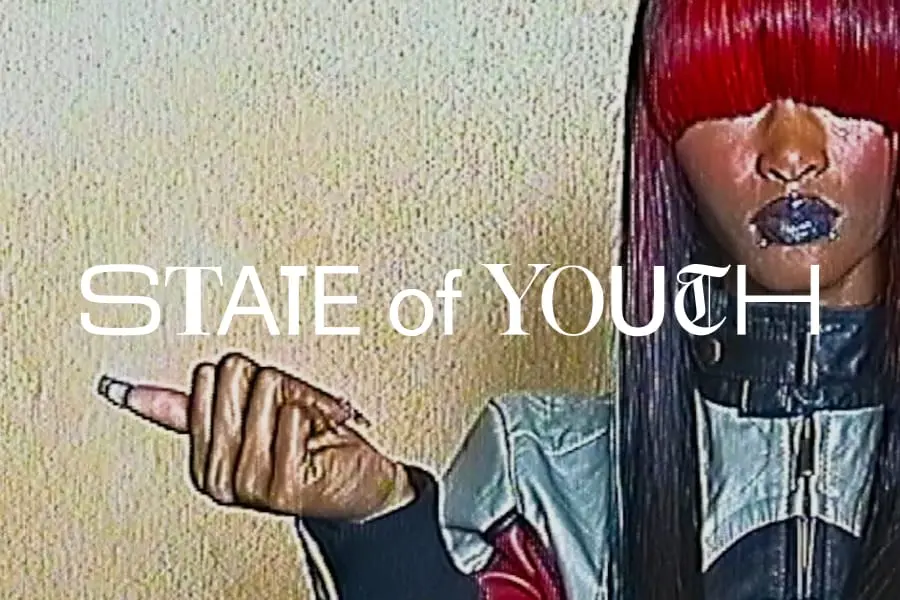
Enter State of Youth, a groundbreaking editorial series launched by Dazed that aims to dismantle these tired tropes once and for all. By issuing a nationwide open call for Gen Z writers, photojournalists, and creators, the publication is decentralizing cultural commentary, handing the microphone directly to the youth, and funding stories told from the ground up. Open to all 50 states and US territories, the initiative seeks to bypass traditional, coastal-centric media gates and secure first-time editorial bylines for fresh talent.
Rather than relying on outsourced reporting about what young people are doing, State of Youth demands firsthand accounts of hyper-local phenomena, underground scenes, and underrepresented communities. By offering professional mentorship, a paid commission, and a global platform, the initiative serves as both an investigative incubator and an act of journalistic democratization. This report examines the structural framework of the project, the cultural necessity of shifting media power back to the grassroots, and what this nationwide talent search means for the future of independent publishing.
Detailed Chronology
The genesis of State of Youth did not happen overnight; it is the culmination of a broader industry-wide reckoning regarding who gets to define cultural narratives in the digital age.
- The Pre-Digital Era of Gatekeeping: Historically, major style and culture publications operated on a top-down model. Editors based in metropolitan hubs dispatched parachute journalists to cover local scenes, often resulting in superficial, exoticized, or inaccurate portrayals of regional youth movements.
- The Rise of Hyper-Local Digital Fragmentation: Over the past decade, platforms like TikTok, Substack, and independent zines allowed Gen Z creators to document their own scenes. However, these digital spaces remained fragmented, often trapped within algorithmic echo chambers that struggled to cross over into mainstream cultural authority or secure sustainable financial backing.
- October 8 (The Official Launch): Dazed officially opened submissions for the State of Youth series through the Dazed Club app. The launch marked the removal of traditional barriers to entry: applicants did not need a degree in journalism, nor did they need a portfolio filled with bylines from legacy media institutions. College newspaper credits and personal Substacks were formally embraced as legitimate testing grounds.
- The Ongoing Commission and Editorial Process: Following the October launch, a rolling wave of pitches has been evaluated by Dazed editors. Selected creators are paired with professional editorial teams to sharpen their narrative and visual storytelling skills. Successful pitches are moving into production, transforming raw underground documentation into globally published features.
- The Path Ahead: As pieces roll out throughout the editorial cycle, State of Youth is actively constructing an expansive, decentralized digital archive of contemporary American adolescence—one that reflects the vast geographic, political, and cultural diversity of the United States in the mid-2020s.
Supporting Context & Metrics: The Anatomy of Modern Youth Media
To understand why State of Youth is a watershed moment for modern publishing, one must examine the shifting demographics and media consumption habits of Generation Z.
The Death of the Monolithic Teen Market
Market research consistently shows that Gen Z is the most racially diverse, digitally native, and economically precarious generation in modern American history. Unlike Millennials, who experienced the transition from analog to digital, Gen Z has never known a world without smartphones, hyper-targeted algorithms, and economic instability born of successive crises.
However, media coverage rarely mirrors this complexity. Traditional outlets often default to coastal tropes, pitting Brooklyn hipsters against Los Angeles influencers while completely erasing the distinct cultural mutations happening in the Rust Belt, the American South, the Pacific Northwest, and the rural Midwest.
Breaking Down the Digital Divide
While digital platforms have democratized content creation, they have also created a paradox of hyper-visibility and under-representation. According to recent media studies:
- Over 70% of Gen Z consumers feel that mainstream media misrepresents their generation, framing them either as chronically depressed digital addicts or hyper-woke political activists, while ignoring their mundane, creative, and localized realities.
- The Freelance Ceiling: Emerging writers and photographers face unprecedented economic barriers to breaking into legacy media. With the collapse of local newspapers and entry-level alt-weeklies, opportunities for first-time bylines have plummeted.
- The Rise of Niche Subcultures: Driven by algorithmic isolation, Gen Z has turned inward, cultivating hyper-specific micro-genres and localized countercultures. From underground combat sports to regional dance revivals, these scenes require an insider’s eye to accurately document.
Dazed’s initiative directly addresses these metrics by targeting unpublished creators who already possess insider access to these communities. By insisting that stories must be "distinctly American" yet rooted in hyper-local realities, the series bridges the gap between grassroots subculture and global visibility.
Official Statements and Editorial Vision
The conceptual framework of State of Youth is rooted in an ethos of editorial humility and empowerment. By stepping back and letting the subjects speak for themselves, Dazed is redefining the relationship between youth culture publications and their readerships.
In outlining the scope of the project, the publication emphasized that young Americans are not a monolith waiting to be explained by outsiders:
"People are always speaking about the state of youth culture on behalf of young Americans. Are they having sex anymore? Are they addicted to their phones? Do they even go out anymore? (Spoiler alert: yes.) But young people across the US are not a monolith. If you are Gen Z and based in America, we want to hear what’s happening in your state directly from you."
This manifesto rejects the anxiety-driven framing of modern youth. Instead of diagnosing young people with societal ailments, Dazed is treating them as cultural historians and active participants.
The editorial team has deliberately cast a wide net regarding what constitutes a valid story. Rather than dictating editorial angles from a central office, the publication has highlighted eclectic, diverse examples of what it is looking for. These include:
- T Boy Wrestling: An inside look at the camp, chaotic, and deeply political world of transgender wrestling in Los Angeles, which subverts traditional notions of masculinity and physical performance.
- Quebradita Subcultures: Photojournalism capturing LA’s thriving Mexican-American rodeo dance scene (vaquero cowboy culture), highlighting the cross-cultural pollination reshaping urban landscapes.
By emphasizing that pitches simply need to be authentic American stories with a strong state-specific anchor, the initiative signals a major shift: editorial power is moving away from corporate boardrooms and into the hands of the youth who live the culture every single day.
Future Outlook: The Ripple Effects on Independent Publishing
As State of Youth continues to accept pitches and roll out commissioned features, its long-term impact on the media landscape will likely be felt across several fronts.
1. The Decentralization of Cultural Authority
For decades, cultural trends were dictated by a handful of tastemakers in New York and London. Initiatives like State of Youth prove that the most vital cultural movements now happen on the periphery. By institutionalizing regional reporting through a global platform, Dazed is helping to decentralize where cultural authority resides. In the future, we can expect other major publications to adopt similar decentralized scouting models to capture authentic youth sentiment.
2. A New Blueprint for Paid Mentorship in Media
In an era where "exposure" is frequently weaponized as a substitute for fair compensation, State of Youth’s commitment to paid commissions is a crucial structural pillar. By paying emerging creators while simultaneously offering professional editorial guidance, the series creates a sustainable pipeline for a new generation of journalists and photographers who might otherwise be priced out of the creative industries.
3. Preserving the Ephemeral Underground
Subcultures are, by nature, ephemeral. Without documentation, the radical art, dance, sports, and political organizing happening in America’s basements, community centers, and rural towns risk disappearing without a trace. By archiving these movements through the lens of Gen Z creators, State of Youth is creating an invaluable historical record of 21st-century American counterculture.
Conclusion
The narrative of American youth has spent too long trapped in the binary of panic and praise. With State of Youth, Dazed has cut through the noise, offering a masterclass in how legacy platforms can evolve by handing over the keys to the next generation. For the Gen Z writer or photographer sitting on a story about their local scene, the message is clear: the microphone is yours. Use it.