Executive Overview
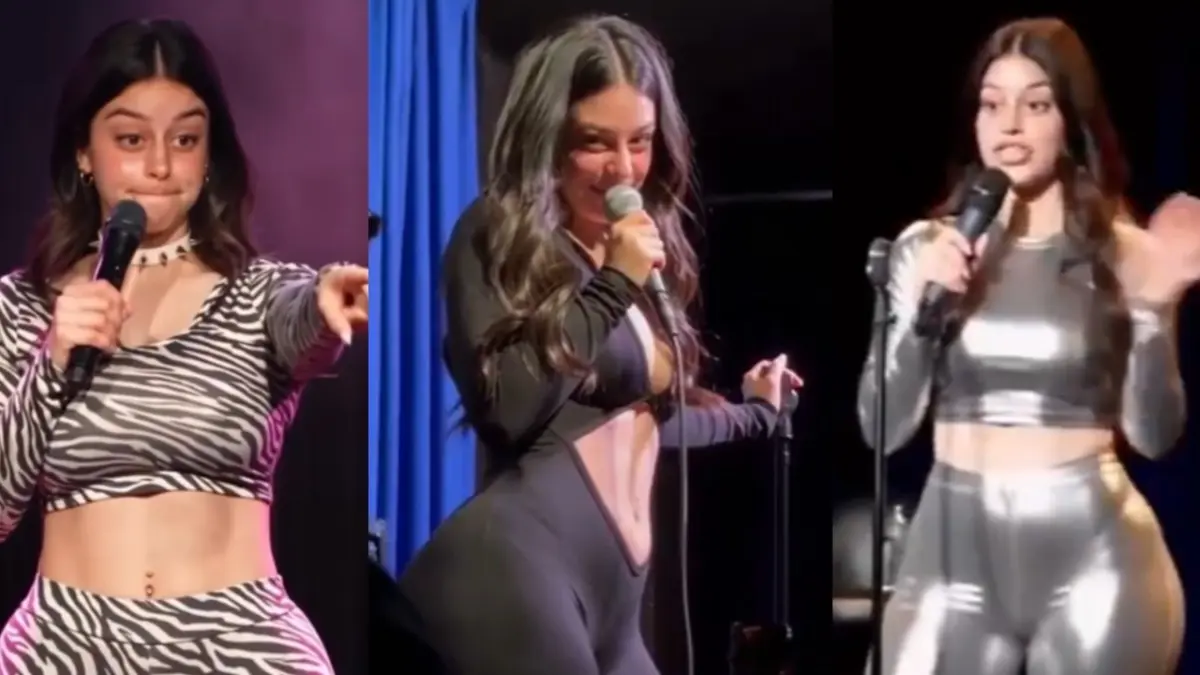
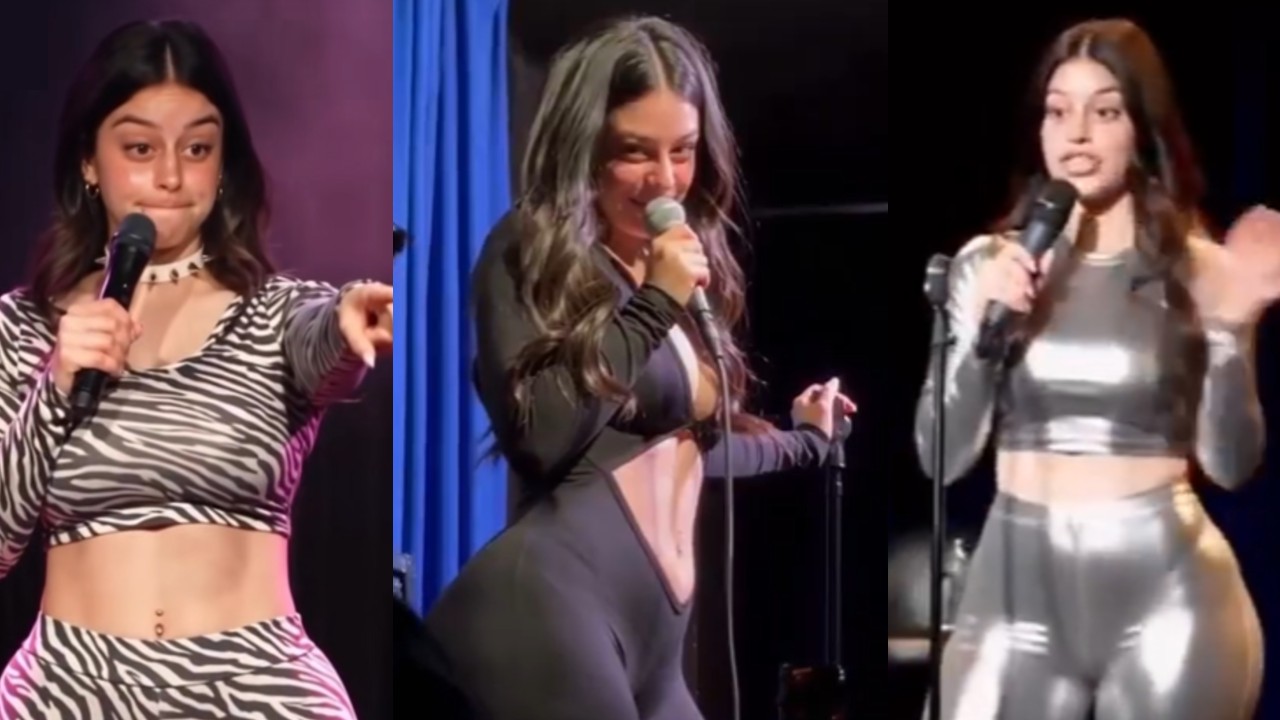
In the rapidly evolving landscape of digital media, artificial intelligence continues to blur the lines between authenticity, art, and commerce. Few events in recent memory encapsulate this chaotic intersection quite like the meteoric rise and swift backlash faced by Tiffany Sloane, an AI-generated comedian, influencer, and OnlyFans model. Emerging seemingly from nowhere in September 2026, Sloane amassed over 360,000 followers and millions of views across social media platforms within a remarkably brief three-week window.
However, her viral ascent was not fueled by genuine comedic genius or groundbreaking technological artistry. Instead, Sloane’s sudden ubiquity became a lightning rod for deep-seated anxieties surrounding intellectual property theft, anti-AI sentiment, and the commodification of digital spaces. The controversy reached a boiling point in early October 2026, when human comedians—most notably George Brett Olson—publicly exposed Sloane for systematically stealing original joke material.
This exposé, coupled with widespread condemnation from industry observers, journalists, and internet personalities, forced a rapid retreat. By mid-October, Sloane’s primary Instagram hub had scrubbed all its content, leaving behind a digital ghost town that serves as a cautionary tale about the ethical hazards of algorithmic content generation. This report provides an exhaustive investigative overview of the Tiffany Sloane phenomenon, tracing its chronology, analyzing the online ecosystem that enabled its rise, examining the broader implications for creative industries, and forecasting what this event means for the future of synthetic media.
Detailed Chronology: From Algorithmic Obscurity to Viral Infamy
The Genesis and Silent Launch (Mid-September 2026)
The precise origin of the Tiffany Sloane persona remains shrouded in the anonymous architecture of prompt engineering and automated content pipelines. Designed as a hyper-realistic synthetic persona—complete with synchronized video delivery, calculated comedic timing, and an alluring aesthetic—Sloane was deployed onto Instagram under the handle tiffany.bbyx in mid-September 2026.
Unlike traditional organic influencers who spend years building an audience through trial, error, and personal connection, Sloane was engineered from inception to exploit the algorithmic biases of modern short-form video platforms. Her content leveraged high-retention editing techniques, trending audio cues, and provocative visual presentations. Crucially, the account’s bio strategically linked to an OnlyFans profile, revealing the persona’s true underlying function: an advanced, automated marketing funnel designed to convert parasocial engagement into subscription revenue for an unspecified human operator.
The Spark of Virality (October 3–4, 2026)
For the first three weeks of her existence, Sloane operated on the fringes of algorithmic discovery, steadily accumulating views and follower metrics. The turning point occurred on October 3rd, 2026, when prominent tech commentator and X (formerly Twitter) user Justine Moore (@venturetwins) published a thread highlighting the account.
Moore shared a compilation video of Sloane’s stand-up routines, marveling at what she termed a "genius OnlyFans marketing hack." Moore pointed out that the AI personality had exploded to over 360,000 followers in less than a month, generating millions of views. While Moore’s initial framing was analytical—viewing Sloane through the lens of innovative digital entrepreneurship—the post inadvertently threw open the floodgates, exposing the synthetic comedian to a much larger, and far more critical, mainstream audience. The post quickly accumulated thousands of likes and shares, propelling Sloane from a niche algorithmic curiosity into the center of a viral firestorm.
The Plagiarism Exposé and Backlash (October 3–5, 2026)
As millions of new viewers flooded to Sloane’s pages, the veneer of novelty quickly dissolved under the scrutiny of working professionals within the comedy community. On October 3rd, human comedian and Instagram content creator George Brett Olson published a blistering video response. Olson did not merely critique the existence of an AI comedian; he brought receipts.
Olson presented direct, side-by-side comparisons demonstrating that Sloane’s routines were not procedurally generated creative thoughts, but rather direct, beat-for-beat thefts of his own original material. The revelation that an unthinking algorithm was profiting off the intellectual labor of a struggling human artist struck a raw nerve. Olson’s video went viral, amassing over 100,000 likes within five days and galvanizing public opinion against the Sloane account.
The backlash swiftly cascaded across the broader internet ecosystem:
- On October 5th, 2026, journalist and commentator Jesse Singal weighed in on X, describing the phenomenon as "very very dark," a sentiment echoed by thousands of users who viewed the integration of generative AI and adult content marketing as a dystopian milestone.
- Later that same day, X user @JPHilllllll captured the prevailing cynicism of the tech landscape, writing: "Perfect summary of the state of AI. Tech investor loves that someone is using AI to steal comedians’ content to do marketing for OnlyFans."
- Specialized gaming and culture outlets took notice. Kotaku published an investigative piece on October 5th with the damning headline, "Viral AI-Generated Comedian Steals Jokes And Is Rewarded With Millions Of Views."
The Deplatforming and Retreat (Mid-October 2026)
Facing an unrelenting wave of negative press, copyright infringement allegations, and aggressive comment sections, the handlers behind Tiffany Sloane chose self-preservation over endurance. By October 7th, 2026, the tiffany.bbyx Instagram page had completely purged its library, deleting all uploaded videos and posts.
Despite the content wipe, the digital footprint of the controversy continued to expand. On October 7th, high-profile streamer Asmongold reviewed the situation during a live broadcast, with his "Asmongold Shorts" YouTube channel capturing the segment. The video pulled in over 644,000 views in a single day, cementing Sloane’s case study status across multiple corners of internet culture.
Supporting Context & Metrics: Analyzing the Digital Footprint
To fully understand the impact of the Tiffany Sloane phenomenon, one must examine the quantitative metrics and structural mechanics that allowed such an account to scale so rapidly in 2026.
Growth Velocity vs. Authenticity
Traditional influencer marketing relies on a protracted "trust-building" phase. Creators must establish relatability, personality, and community over months or years. Sloane bypassed this entirely through algorithmic arbitrage. By utilizing hyper-polished visual generators and stealing pre-vetted, audience-tested jokes from working comedians, the account achieved an unnatural growth velocity:
- Time to 360,000 Followers: Approximately 21 days.
- Average Daily Follower Acquisition: ~17,140 users per day during its peak.
- Engagement-to-Conversion Pipeline: Direct integration of short-form comedy clips (top-of-funnel reach) feeding into an OnlyFans subscription model (bottom-of-funnel monetization).
The Economics of Synthetic Plagiarism
The operational overhead for running an account like Tiffany Sloane is remarkably low. Once the foundational AI pipeline—comprising text generation models for joke sourcing, voice synthesis, facial animation software, and automated posting scripts—is established, the marginal cost of producing content approaches zero.
Conversely, human comedians spend years developing material, performing in empty rooms, and enduring the financial instability of the arts. When an automated account can scrape a comic’s material, synthesize a digital avatar to deliver it, and capture hundreds of thousands of followers for commercial gain, it exposes a profound economic asymmetry. The human artist bears 100% of the creative and financial risk, while the synthetic operator captures the reward with zero accountability.
Official Statements and Industry Reactions
The emergence of Tiffany Sloane forced various stakeholders—from tech commentators to cultural critics—to articulate their positions on the convergence of generative AI and intellectual property.
- George Brett Olson (Victimized Comedian): Through his viral Instagram presentation, Olson emphasized the existential threat that automated content scrapers pose to independent creators. By demonstrating clear-cut plagiarism, Olson shifted the public debate from abstract fears of "artificial intelligence taking over" to concrete grievances about theft and economic exploitation.
- Justine Moore (Tech Commentator): Moore’s initial framing of Sloane as a "genius marketing hack" highlighted a deep cultural divide in how emerging technologies are perceived. While tech-adjacent commentators initially viewed the stunt through a purely utilitarian, entrepreneurial lens ("growth hacking"), they were quickly forced to reckon with the ethical externalities of their admiration.
- Journalistic & Streaming Consensus: Outlets like Kotaku and streamers like Asmongold framed the incident as a symptom of a broken attention economy. The consensus among cultural critics was that algorithmic platforms actively incentivize controversy and theft by rewarding engagement metrics regardless of a content’s origin or ethical validity.
Future Outlook: What the Tiffany Sloane Incident Portends
The swift rise and fall of Tiffany Sloane is not an isolated anomaly; it is a preview of systemic challenges that creative industries will face for the remainder of the decade. As generative video and audio tools become democratized, several key trends and regulatory battles are likely to emerge:
1. The Weaponization of Synthetic Personas for Niche Monetization
The use of synthetic influencers to drive traffic to adult platforms like OnlyFans represents a lucrative, highly optimized gray market. Because these platforms operate on direct-to-consumer subscription models, even a small conversion rate from a viral 300,000-follower funnel can yield significant financial returns. We can expect bad actors to continue deploying synthetic personas specifically designed to exploit algorithmic loopholes before detection.
2. Escalating Legal Battles Over Comedic Intellectual Property
Unlike music (which has robust automated copyright detection systems like Content ID) or visual art (which benefits from reverse-image search tools), comedy exists largely in a live, unrecorded, or text-based grey area. The ease with which AI models can ingest, rephrase, or outright steal jokes highlights an urgent need for legal frameworks and platform-level protections tailored to the performance arts. Comedians will increasingly demand provenance verification for audio and video content uploaded to major social networks.
3. Platform Moderation and Algorithmic Countermeasures
In the wake of the Sloane controversy, pressure is mounting on platforms like Meta, TikTok, and X to implement stricter guardrails regarding unlabelled AI-generated influencers, particularly those monetizing through external adult links. Expect platforms to roll out more aggressive watermarking requirements and detection algorithms to flag synthetic accounts before they achieve viral scale. However, as the technological arms race continues, bad actors will undoubtedly find new ways to obfuscate their digital footprints.
Conclusion
Tiffany Sloane may have scrubbed her Instagram page and faded from the immediate algorithmic spotlight, but the cultural shockwaves of her brief existence will resonate for years. The incident served as an unvarnished stress test for the modern internet—revealing how easily automated systems can bypass ethical boundaries, exploit human labor, and manipulate public attention for profit. As generative media matures, the digital ecosystem must grapple with the fundamental question exposed by Sloane: in a world where anyone—or any algorithm—can steal a joke and buy an audience, how do we protect the genuine human expression that makes art worth consuming in the first place?