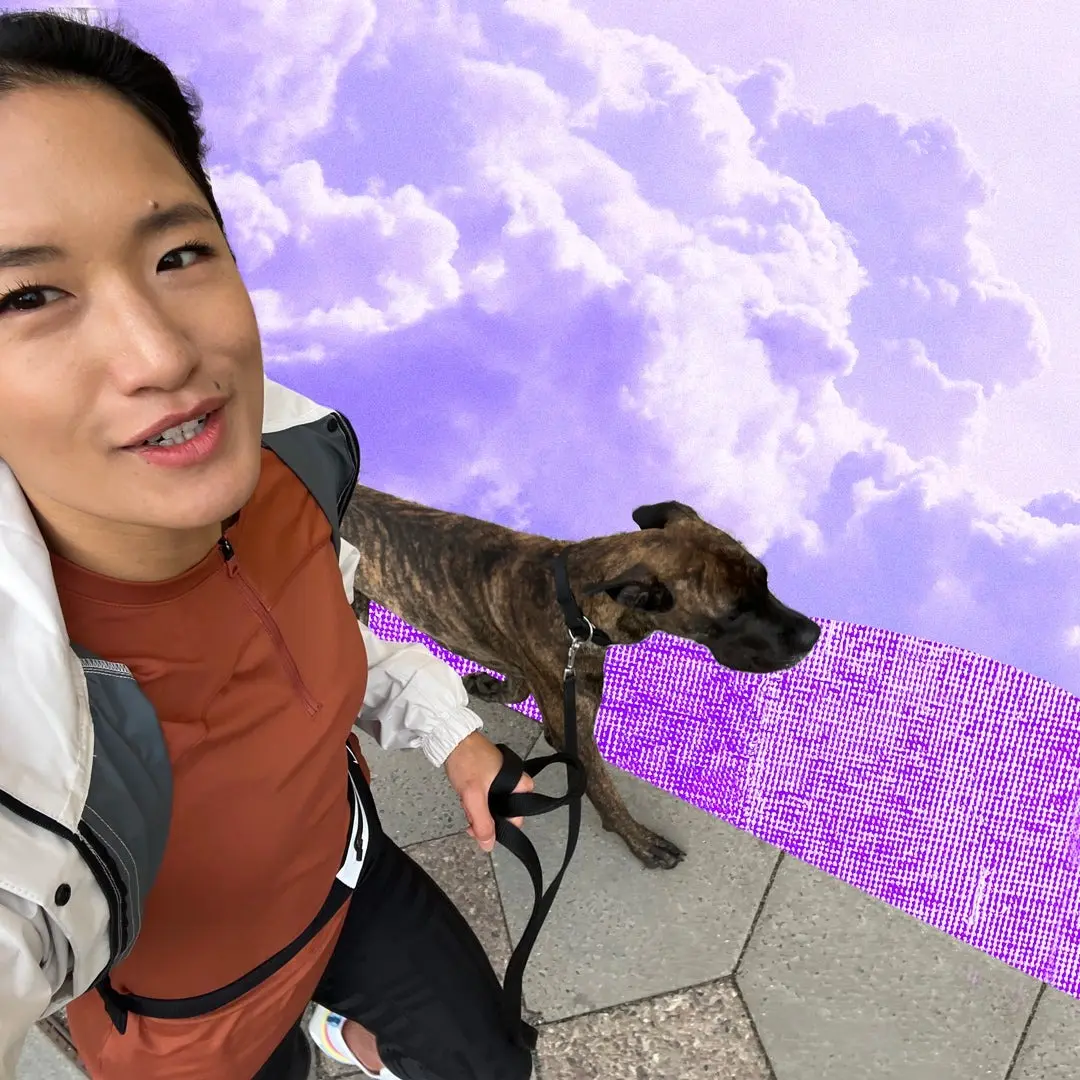
Berlin, Germany — The archetype of the marathon runner is undergoing a profound cultural deconstruction. For decades, endurance sports have been shackled to a punishing mythology: the relentless early bird leaping out of bed at 4:00 AM, driven by ascetic discipline, suffering through agonizing mileage, and optimizing every waking minute for athletic output. But a quiet rebellion is brewing on the pavements of global capitals—one spearheaded by everyday athletes who refuse to sacrifice comfort, professional ambition, or a vibrant social life on the altar of personal bests.
Consider Hong, a Berlin-based designer, international flight attendant, and veteran endurance athlete currently preparing for her seventh marathon. Hong’s journey challenges the orthodoxies of modern training. She loves her sleep, hits the snooze button with regularity, admits to being completely non-functional before her morning coffee, and prioritizes a post-run pastry just as much as her cadence. Yet, she is logging the demanding mileage required of serious distance runners.
Her narrative is not merely a personal anecdote; it is a case study in a broader paradigm shift within the endurance sports market. Modern runners are proving that consistency does not require misery, and that high-level athletic performance can successfully coexist with a relaxed, human-centric lifestyle.
Executive Overview
The modern fitness landscape is experiencing a significant pivot away from "hustle culture" athletics toward sustainable, lifestyle-integrated training models. As working professionals navigate increasingly complex schedules, the rigid, high-stress training regimens of the past are giving way to adaptable, holistic frameworks.
- The Athlete Profile: Hong, 30, balances a high-demanding dual-career as a graphic designer and commercial flight attendant while training for her seventh marathon.
- The Core Philosophy: The integration of comfort, community, and mental well-being as non-negotiable pillars of athletic longevity, dismantling the notion that suffering equals success.
- The Training Methodology: A blended routine incorporating strength work, physiotherapy, yoga, active recovery, and psychological tactics—such as music therapy and social running—to maintain high consistency without burnout.
- The Broader Impact: Highlighting how brands, urban run collectives, and everyday athletes are redefining what it means to be a "runner" in the 21st century.
Detailed Chronology: A Week in the Life of a Balanced Marathoner
To understand how high-volume endurance training fits into a chaotic contemporary lifestyle, one must examine the micro-level logistics of a balanced athlete’s week. Hong’s weekly schedule serves as an architectural blueprint for how modern professionals structure their physical and mental health.
Monday: The Sonic and Canine Catalyst
The psychological hurdle of starting a demanding work week is universal. For Hong, Mondays blend the creative pressures of design work with the logistical curveballs of aviation schedules.
- The Mindset Check: "I can’t lose the joy of running, or I won’t stay consistent," Hong explains. When intrinsic motivation wanes, external stimuli take over. Her secret weapon is a carefully curated running playlist featuring energetic house, disco, and techno tracks designed to elevate her heart rate before her feet even hit the asphalt.
- Tactical Breathing Control: When fatigue sets in mid-run, Hong employs an unorthodox tactical adjustment: she begins to sing out loud. This forces a conscious deceleration, bringing her respiratory rate back under control while transforming a grueling interval into an enjoyable, lighthearted experience that frequently elicits smiles from amused pedestrians.
- K9 Pacing Partners: Seeking companionship on urban routes, Hong frequently utilizes canine pacing partners—such as borrowing a friend’s high-energy dog, Mia. This introduces an element of dynamic play into the workout. "At the beginning, she pulls me; at the end, I pull her," Hong notes. While raw sprinting speed may favor the canine, endurance is strictly the human’s victory.
Tuesday: The Preventative Trinity (Yoga, Strength, and Rehab)
True athletic longevity requires looking beyond the act of running itself. Tuesdays are strictly designated for structural integrity.
- Injury Mitigation: Running is a high-impact, repetitive sport that places immense stress on joints, tendons, and muscular chains. Hong dedicates her Tuesdays to a triad of preventative care: dedicated strength training to build muscular armor, dynamic yoga sessions to maintain flexibility and range of motion, and scheduled physiotherapy interventions.
- Expanding the Comfort Zone: This multi-disciplinary approach provides a robust physical foundation. By fortifying her musculoskeletal system, Hong ensures that her high-intensity running days do not leave her completely depleted. Recovery periods are treated as active components of the training schedule, not as passive voids.
Wednesday: Global Mobility and Social Integration
Operating as a flight attendant means crossing time zones and navigating erratic schedules. Wednesdays emphasize the necessity of psychological decompression and social nourishment.
- Reconnecting with the Urban Fabric: When back in Berlin, Hong actively prioritizes her community ties. Rather than forcing a suboptimal workout when travel fatigue lingers, she permits herself to step away from the training log entirely. A Wednesday afternoon spent exploring a contemporary art exhibition serves as vital mental cross-training, proving that a healthy mind is just as critical to athletic success as a high VO2 max.
Thursday: Pushing Limits with Structural Support
With recovery reserves replenished, Thursday is reserved for high-intensity track workouts designed to test anaerobic thresholds and pace retention.
- Embracing the Competitive Edge: Marathon preparation demands physiological adaptation through speed work. Hong approaches track sessions with enthusiasm, viewing them as controlled environments to test velocity and endurance limits.
- Gear as a Catalyst: Footwear selection plays a critical psychological and physical role in high-stress sessions. Utilizing performance footwear with high-energy-return cushioning—such as the Nike Invincible 3—provides a stable, highly cushioned platform across varied urban surfaces. The "bouncy" sole geometry absorbs shock while delivering a propulsive feel, minimizing post-run joint soreness and building the psychological confidence needed to chase ambitious splits.
Friday: Active Decompression
Following Thursday’s punishing track session, Friday is mapped out for low-impact recovery. A gentle restorative yoga flow combined with cultural outings with friends ensures that physical taxation does not bleed into psychological burnout. For frequent flyers, anchoring oneself to the local culture upon return home is an essential form of grounding.
Saturday: The Meditative Long Loop
Saturday morning marks the execution of the standard training route along Berlin’s historic Landwehrkanal—a varied terrain featuring asphalt, packed dirt, and grass.
- Sensory Management: Depending on her mental bandwidth, Hong alternates between true auditory isolation—listening to investigative podcasts—and complete sensory absorption, tuning into the ambient hum of the city, the clatter of bicycles, and the chatter of weekend markets.
- The Post-Run Reward: The run invariably concludes with a localized ritual: coffee and a artisanal pastry at a Kreuzberg market stall. This tangible reward reinforces positive neural associations with the physical effort expended.
Sunday: Collective Endurance and the Social Payoff
Long-run Sunday is where individual training transforms into a communal ritual through the Joy Run Collective, a local running group that redefines the solitary nature of distance running.
- The Winter Tiergarten Expedition: Tackling long distances through the sprawling expanse of the Tiergarten during colder months requires strategic layering and collective accountability. Pacing together through adverse weather conditions builds deep social bonds.
- The Gastronomic Finish Line: The culmination of Sunday’s endurance test is a communal brunch. This week’s menu features handmade dumplings—a culinary carrot that Hong admits to visualizing during the final, grueling kilometers of her long run. It is a powerful reminder that food is not merely fuel; it is culture, community, and joy.
Supporting Context & Metrics: The Paradigm Shift in Endurance Sports
The cultural shift embodied by athletes like Hong is mirrored in broader market data and sports science research. The demographics of endurance running have evolved dramatically over the past decade.
[Traditional Training Model]          [Modern Holistic Framework]
  * Pain as a primary metric             * Comfort & psychological safety
  * Isolation & asceticism               * Community-driven collectives
  * Rigid adherence (No rest)            * Integrated cross-training & rest
  * Fuel as mere calories                * Culinary rewards & social integration
The Rise of the Casual-Competitive Athlete
According to recent insights from the running footwear and apparel sector, the fastest-growing demographic of marathon participants consists of urban professionals aged 25 to 40. Unlike elite competitors who structure their entire existence around physiological optimization, this cohort demands gear, coaching methodologies, and event experiences that integrate seamlessly with professional careers, social lives, and personal wellness goals.
- Injury Statistics: Sports medicine studies indicate that runners who incorporate strength training, dedicated mobility work, and structured rest periods experience up to a 40% reduction in overuse injuries compared to those who focus solely on high-mileage accumulation.
- The Psychology of "Bouncy" Footwear: Innovations in foam technology and rocker geometries (such as those found in modern maximalist daily trainers) have fundamentally altered runner expectations. The demand is no longer just for durability, but for an experiential, energetic ride that reduces perceived exertion during high-mileage weeks.
Official Statements & Expert Perspectives
To contextualize this lifestyle-first approach to marathon preparation, sports psychologists and physiological experts weigh in on why the "comfort-first" model is outperforming older, austere training philosophies.
"The historical narrative of endurance sports relied heavily on a puritanical model of suffering—the idea that if you aren’t miserable, you aren’t working hard enough. Modern sports psychology turns this on its head. When we associate running with comfort, community, and positive sensory experiences like music, great routes, and good food, the brain releases dopamine rather than stress hormones. This dramatically improves long-term consistency and reduces the psychological friction of starting a workout."
— Dr. Elena Vance, Sports Psychologist and Endurance Consultant
Athletes themselves are becoming vocal advocates for this philosophy. Hong reflects on her evolution over the past four years:
"When I started running four years ago, I never imagined I’d be training for my seventh marathon. Turning 30 has left me healthier and fitter than I ever was in my twenties. But the physical transformation is secondary. Running has given me profound mental resilience because I now understand how to navigate discomfort without breaking. I’ve learned a vital truth: consistency and comfort do not have to be mutually exclusive. You can chase ambitious goals while treating yourself well. Next stop: number seven."
— Hong, Designer, Flight Attendant, and Marathoner
Future Outlook: What’s Next for the Urban Running Movement?
As we look toward the future of endurance sports, several key trends are set to define how everyday athletes approach their training:
- The Democratization of Training: Gone are the days when marathon training required hiring an elite coach and adopting a monastic lifestyle. Accessible digital training apps, community-led run collectives, and smart recovery tracking are empowering everyday athletes to customize their preparation.
- Gear as Lifestyle Integration: Athletic brands are increasingly designing products that bridge the gap between performance and daily urban aesthetics. Footwear and apparel must now look as good at a post-run café as they perform on a 20-kilometer long run.
- Community as the Ultimate Retention Tool: Run clubs are evolving into cultural hubs. The post-run brunch, art gallery visit, or shared social ritual is becoming just as important to the running experience as the Strava upload.
Hong’s 3 Golden Rules for a Sustainable, Joyful Run
For those looking to adopt a more balanced, human-centric approach to their running journey, Hong distills her philosophy into three foundational pillars:
- Prioritize Comfort & Footwear: Invest in footwear and apparel that make you feel secure, cushioned, and physically supported across diverse urban terrains. Eliminate unnecessary friction points before you step out the door.
- Curate Your Soundtrack: Build dynamic, high-energy playlists (spanning genres like disco, house, and techno) to rescue your motivation on low-energy days—or use vocal pacing techniques like singing to regain breath control and bring playfulness back to your stride.
- Embrace the Destination Ritual: Design your routes around beautiful environments, and always pair your mileage with a tangible, delicious post-run reward shared within a community setting.
The marathon starting line is no longer reserved exclusively for the humorless ascetic. It belongs just as much to the designer, the traveler, the snooze-button enthusiast, and the person who knows that the best part of running 42 kilometers is the plate of dumplings waiting at the very end.