Executive Overview
For centuries, knitting and fiber arts have been romanticized as the ultimate antidote to modern anxiety. Cultural tropes paint the craft as a serene, solitary pursuit—a grandmother quietly clicking needles in a sunlit corner, or a lifestyle influencer curating an aesthetic of effortless calm over a cup of chamomile tea. Yet, a dive into the digital ecosystem reveals a starkly different reality. Far from the tranquil idylls of popular imagination, online knitting communities are hotbeds of fierce debate, ideological warfare, and hyper-vigilant gatekeeping.
Platforms like Reddit, TikTok, and YouTube have transformed a peaceful, tactile pastime into a high-stakes arena where pattern designers face intense public scrutiny, copyright wars turn cutthroat, and even a misplaced stitch in a promotional graphic can ignite a firestorm of accusations.
This piece investigates the paradoxical nature of modern fiber arts culture. We examine why an analytical hobby that demands intense concentration has birthed some of the internet’s most cutthroat subcultures, how creators navigate the double-edged sword of digital visibility, and why—despite the toxicity—these vibrant, ferocious online clashes ultimately strengthen the global crafting community.
Detailed Chronology: From Cozy Parlors to Digital Battlefields
To understand how a community centered around loops of yarn became a nexus of digital conflict, one must trace the evolution of the craft from an industrial necessity to a hyper-connected digital subculture.
- The Pre-Digital Era (Pre-2000s): Crafting was largely localized, sustained through community guilds, yarn shops, and family lineages. While rivalries and local snobbery certainly existed—often rooted in technical precision or adherence to traditional methods—disagreements remained confined to physical spaces, lacking the amplification of algorithmic distribution.
- The Forum and Blog Era (2000s–2010s): The advent of platforms like Ravelry created the first centralized digital hubs for makers. Knitters could share patterns, stash metrics, and project notes on an unprecedented scale. However, the sheer volume of interaction also sowed the seeds for widespread moderation challenges and early iterations of digital gatekeeping.
- The Social Media Boom (2010s–Present): With the rise of Instagram, TikTok, and YouTube, the fiber arts community exploded. Content creators emerged as micro-celebrities, turning patterns and yarn dyeing into lucrative full-time businesses. Simultaneously, algorithmic incentives began rewarding controversy, turning niche debates—such as English versus Continental knitting styles—into viral spectacles.
- The Peak Drama Epoch (2020–Present): The pandemic catalyzed a massive surge in crafting popularity, drawing millions of new makers online. As the community swelled, so did the complexity of its internal politics. High-profile scandals—ranging from indie dyers faking their deaths to fierce copyright battles over vintage slipper patterns and private equity buyouts of beloved yarn brands—cemented the fiber arts internet as a surprisingly ruthless space.
Supporting Context & Metrics: The Anatomy of Crafting Controversy
What drives otherwise peaceful hobbyists into digital frenzies? Industry observers and creators point to a unique psychological mix: the meditative solitude of crafting provides ample time for deep analysis, which in turn breeds a hyper-critical eye for technical precision.
The Metrics of Niche Drama
The public appetite for fiber arts scandal extends far beyond active makers. "Rubberneckers"—users who have never cast on a sweater in their lives—frequently propel crafting controversies into viral mainstream territory:
- True Crime Crossover: Videos covering extreme indie-dyer scandals have amassed over 1 million views on YouTube.
- Deep-Dive Lore: Analyses of specific crochet hooks or localized fiber festival mishaps routinely pull in 700,000+ views.
- Subcultural Subversion: Dedicated forums like Reddit’s "Bitch Eating Crafters" (a play on the internet idiom "Bitch Eating Crackers") thrive by cataloging everyday maker faux pas and social media missteps.
The Content Creator Dilemma
For professionals whose livelihoods depend on digital engagement, the constant pressure to maintain an unblemished, serene online presence while navigating perpetual discourse has exacted a heavy toll.
"It felt like every time I opened Instagram, there was a post debating whether pattern designers should live or die, some new discourse I felt I needed to have an opinion on, or a million reminders that everyone else was apparently doing more, making more, selling more, posting more."
— Sydney Graham, Sewing-Pattern Designer
This sentiment is echoed by creators like Aspen, founder of the YouTube commentary channel Aspen in the Moment, who notes that the very analytical skills required to master complex knitting charts—such as German short rows or intricate lace knitting—are naturally primed for picking apart online arguments and technical flaws.
Official Statements & Industry Perspectives
The friction between traditional expectations and digital realities has forced many creators to reevaluate their relationship with the internet.
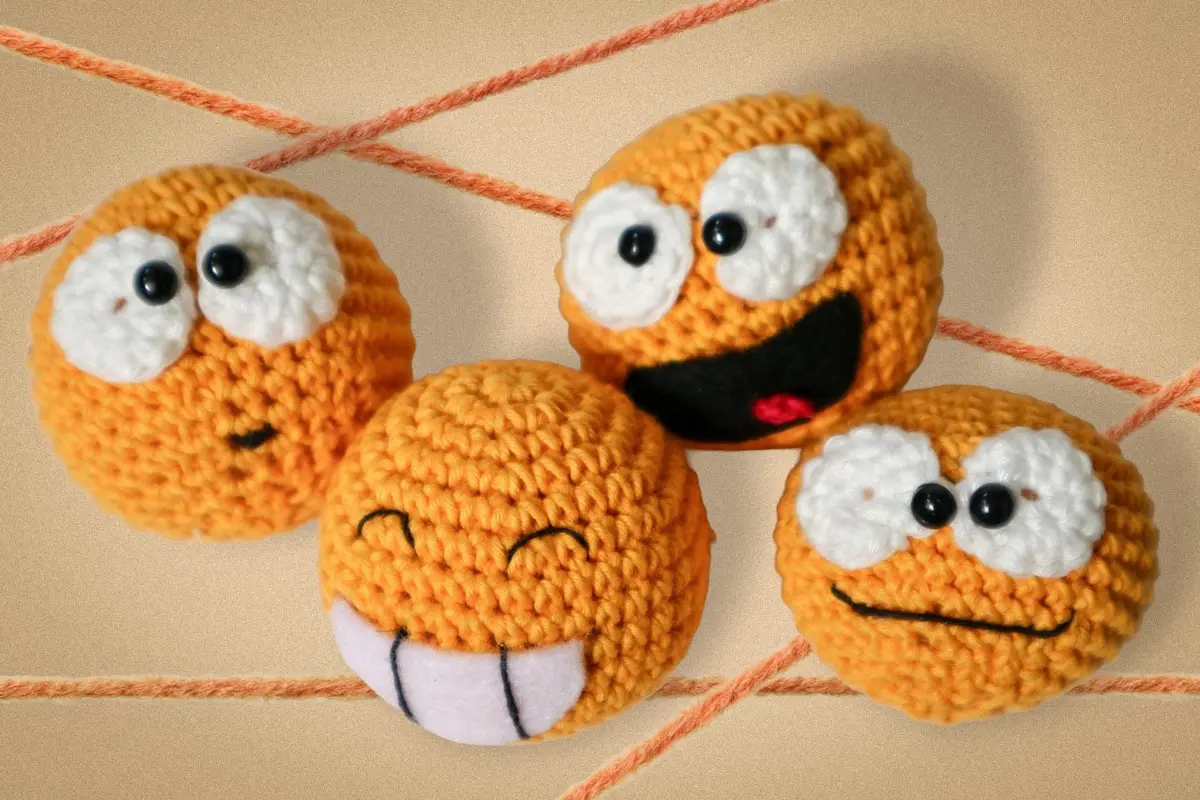
Industry veterans emphasize that the hostility often stems from a deep-seated defensiveness about the validity of their work. For generations, fiber arts have been marginalized as "women’s work" or frivolous pastimes, ignoring their historical foundation as complex mathematical and engineering feats. When modern media misrepresents the craft—such as illustrating an article about knitting with crochet imagery, or using suspected AI-generated assets—it triggers a protective backlash from a community that fights daily for professional respect.
Furthermore, the commercialization of the craft has introduced corporate pressures that clash with its DIY ethos. Recent acquisitions of indie favorites like Knitting For Olive by private equity firms have sparked intense debates over sustainability, corporate consolidation, and the soul of independent yarn production.
Future Outlook: Can the Fiber Arts Community Find Peace?
Despite the labyrinth of landmines, gatekeeping, and sudden digital flare-ups, the online crafting ecosystem continues to thrive. Paradoxically, the very controversies that cause temporary burnout are also the mortar holding the community together.
Small talk about yarn weights can only sustain a conversation for so long. But a shared collective memory of high-profile pattern copyright disputes, tariff-induced yarn shortages, and deep-dive debates over superwash processing gives makers a rich, dynamic vernacular. When two strangers lock eyes over a skein in a local yarn shop, they aren’t just bonding over a cozy hobby; they are tapping into a living, breathing, fiercely opinionated global culture.
As long as people pick up needles and hooks, the digital friction will persist. New controversies will emerge, lines will be drawn, and hobbyists will log on ready to defend their stitches to the death. For those brave enough to navigate the fray, it is proof that beneath the quiet exterior of the craft lies a community that is deeply passionate, intensely protective, and endlessly entertaining.