Executive Overview
In the high-stakes world of endurance sports, a persistent myth continues to dictate the culture: true performance requires absolute suffering. The traditional archetype of the marathon runner is often painted as an ascetic figure—someone who routinely sacrifices comfort, joy, and social connectivity to wake up at 4:00 AM, log grueling mileage in silence, and treat fitness strictly as a punishing discipline.
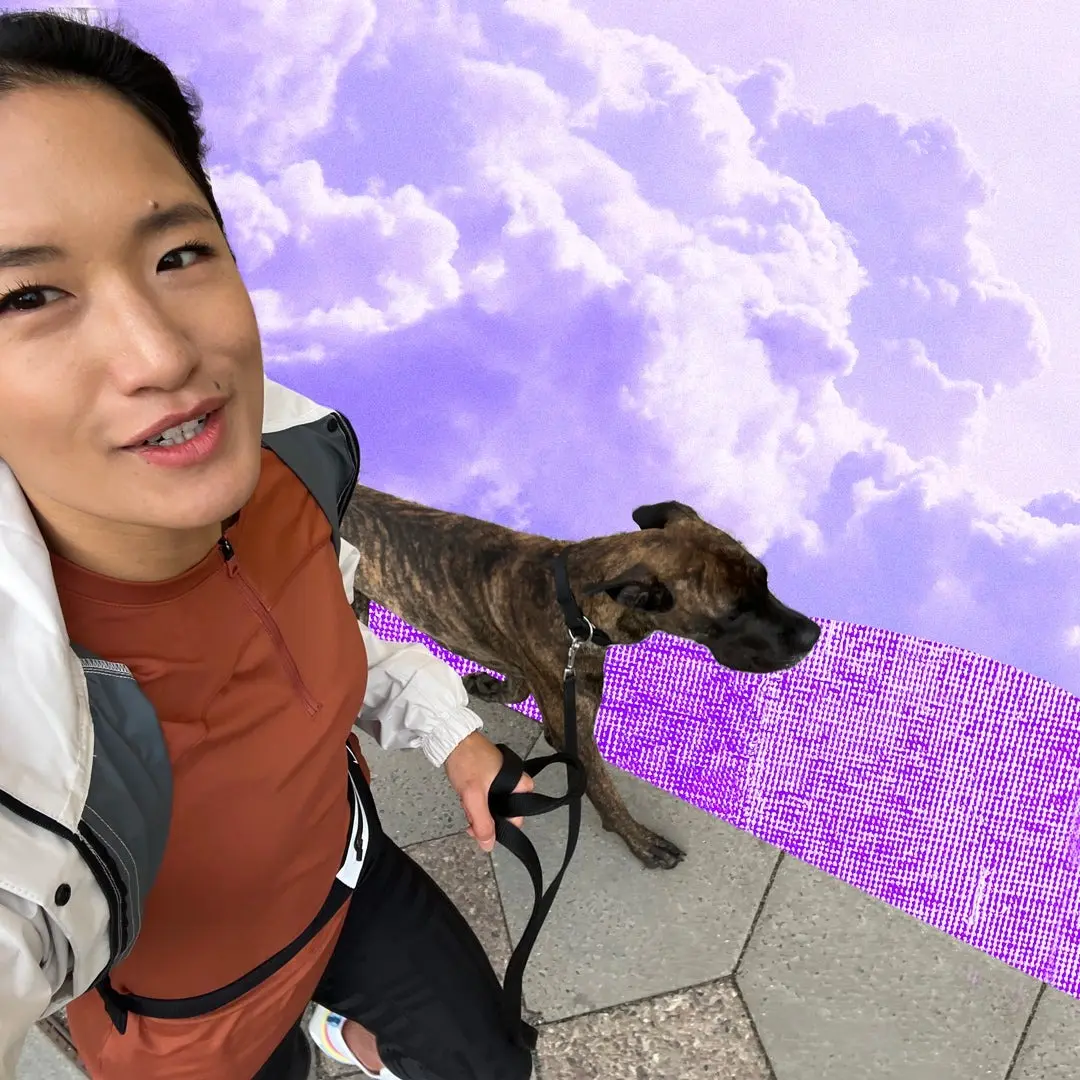
Berlin-based designer and flight attendant Hong challenges this antiquated dogma at every turn. Once firmly self-identified as a "non-runner," Hong is now actively preparing for her seventh marathon. Yet, her approach to the sport is refreshingly unorthodox. Rather than leaning into exhaustion, she has built her training regimen on the foundational pillars of comfort, consistency, and holistic well-being.
By seamlessly blending a demanding professional life—frequently pivoting between international aviation schedules and creative design work—with a rigorous yet joyful training philosophy, Hong proves that endurance athletics and a comfortable lifestyle are not mutually exclusive. This in-depth feature explores her weekly routine, the intersection of community and physical performance, and why redefining modern training methodologies might just be the secret to sustainable athletic longevity.
Detailed Chronology: A Week in the Life of an Unconventional Marathoner
To understand how Hong balances high-level athletic performance with a vibrant social and professional life, one must examine the mechanics of her weekly schedule. Her routine dismantles the misconception that training for a 42.2-kilometer race requires locking oneself away from the world.
Monday: Breaking the Inertia with Playlists and Pups
Mondays set the tone for Hong’s demanding week. Juggling client design projects alongside long-haul flight shifts means that motivation is a finite resource that must be managed strategically.
"I’m definitely not someone who functions without their morning coffee, and hitting the snooze button is a regular occurrence," Hong admits. To combat Monday morning lethargy, she relies heavily on auditory catalysts. Her running playlists—rich in infectious house, disco, and techno beats—act as a psychological bridge between fatigue and momentum.
However, music is not her only pacing tool. On runs where breath control slips, Hong employs a unique, self-correcting technique: she sings out loud. "If I’m running out of breath, I’ll drop my pace and start singing," she explains. "It forces me to slow down and get my breathing under control. Plus, it makes the run vastly more entertaining, and I love seeing the smiles on people’s faces when I jog past them humming a tune."
To add an extra layer of social accountability and joy, Monday’s mileage often involves canine companionship. Borrowing a friend’s high-energy dog, Mia, transforms a solitary training session into a dynamic game. "At the beginning, she pulls me; at the end, I pull her," Hong laughs. While the dog may hold the sprint advantage, Hong’s steady endurance ultimately wins out.
Tuesday: Building the Foundation Through Cross-Training
Marathon preparation extends far beyond logging miles on pavement. Tuesday is explicitly designated for non-running disciplines, prioritizing structural integrity and injury prevention.
Hong’s Tuesdays are anchored by structured yoga sessions, targeted strength training, and periodic visits to her physiotherapist. This holistic methodology is the secret weapon that allows her to push her physical boundaries later in the week without courting injury. By developing a robust musculoskeletal foundation, she ensures that her body can absorb the high-impact stress of marathon training. Consequently, her recovery periods are shorter, enabling her to lace up her running shoes with confidence just a day or two later.
Wednesday: Honoring the Art of Rest and Recovery
In professional athletics, overtraining is a silent career killer. Hong treats her rest days with the same disciplined reverence as her high-intensity interval workouts.
As a flight attendant whose job keeps her perpetually in motion, maximizing her time in Berlin is paramount. Wednesdays are typically reserved for cultural enrichment and social reconnection. Rather than squeezing in a junk-mile run out of guilt, Hong frequently meets up with friends to explore Berlin’s thriving contemporary art and gallery scene. This mental decompression is just as vital to her marathon preparation as physical rest; it lowers systemic stress levels and feeds her creativity as a designer.
Thursday: Pushing Limits on the Track
If Monday and Wednesday are about rhythm and recovery, Thursday is where performance metrics are tested. This is track workout day—a session dedicated to speed, threshold work, and mental toughness.
"Some people think marathon runners effortlessly bounce out of bed at 5:00 AM and casually knock out 20 kilometers," Hong notes. "The reality is, I need that extra dose of motivation, too. That’s why comfort is non-negotiable for me, especially when heading into a brutal track session."
To safeguard her joints and maximize energy return during high-speed intervals, Hong relies on specific gear. For these sessions, she laces up the Nike Invincible 3. The shoe’s highly cushioned, "bouncy" foam architecture and stable platform provide the psychological and physical security needed to push the pace without fearing impact-related fatigue.
Friday: Socializing and Mental Decompression
Following Thursday’s grueling track session, Friday is designated for active recovery and community engagement. Physical exertion is kept to a minimum—perhaps a gentle, restorative yoga flow—leaving ample energy for social interactions.
Because her profession involves spending days away from home, Hong treats her Fridays in Berlin as social investments. Catching up over coffee, visiting another museum exhibition, or simply wandering through the city neighborhoods allows her to maintain a balanced, fulfilling lifestyle that many elite athletes sacrifice in pursuit of medals.
Saturday: The Urban Long Run and Kreuzberg Rewards
Saturday morning belongs to the iconic Landwehrkanal route—Hong’s training sanctuary. This multi-terrain loop offers a shifting canvas of asphalt, packed dirt, grass, and occasional mud, keeping the proprioceptive system active and engaged.
"I plug into an immersive podcast or simply turn off all audio and let the ambient sounds of the city wash over me," she says. "People-watching in Berlin is a sport in itself."
True to her philosophy that running must yield tangible rewards, every Saturday long run concludes with a ritualistic pit stop. She wraps up her mileage at a local market stand in Kreuzberg, treating herself to artisanal coffee and a post-run snack—a small, highly anticipated indulgence that serves as positive reinforcement for the miles logged.
Sunday: Community Mileage and the Ultimate Dumpling Brunch
The crown jewel of Hong’s training week takes place on Sunday, courtesy of her local running crew, the Joy Run Collective.
Long runs are notoriously difficult to sustain in isolation, particularly during colder weather conditions. By plugging into a community, Hong leverages collective energy to conquer extended mileage through the historic Tiergarten park.
True to the social ethos of modern running subcultures, the miles are immediately followed by communal nourishment. This week, a fellow collective member hosted a post-run brunch centered around homemade dumplings—a culinary reward that Hong admits occupies her thoughts throughout the final kilometers of the run.
Supporting Context & Metrics: The Science of "Comfort-First" Training
To dismiss Hong’s approach as merely recreational would be a critical analytical error. Beneath her relaxed demeanor lies a calculated, highly effective training philosophy backed by modern sports science.
The Physiology of Recovery
Sports physiologists have long debated the optimal balance between high-intensity output and restorative down-time. Overtraining syndrome (OTS) results in decreased performance, elevated resting heart rates, and chronic fatigue. Hong’s integration of yoga, physiotherapy, and deliberate social rest days aligns directly with current data on autonomic nervous system regulation. By ensuring her cortisol levels remain low through enjoyable activities (such as gallery visits and socializing), her body can allocate maximal metabolic resources toward muscle protein synthesis and glycogen replenishment.
Footwear Technology and Injury Mitigation
Hong’s preference for high-cushion trainers like the Nike Invincible 3 reflects a broader paradigm shift in running gear. Modern biomechanical research indicates that maximalist shoes with high energy return can significantly reduce peak tibial shock during high-mileage training blocks. For runners balancing heavy professional workloads, minimizing structural micro-trauma is the single most effective way to guarantee training consistency—the holy grail of marathon success.
Comparative Training Metrics: Traditional vs. Modern Balanced Approach
| Metric / Parameter | Traditional / Ascetic Model | Hong’s Balanced Model |
|---|---|---|
| Weekly Mileage | Maximized at all costs; "junk miles" normalized. | Strategically periodized; quality over sheer volume. |
| Cross-Training | Often neglected in favor of pure running volume. | Core component (Yoga, Strength, Physiotherapy). |
| Social Life | Frequently sacrificed; training takes absolute priority. | Integrated; community runs and cultural outings prioritized. |
| Recovery Strategy | Passive rest (sleep only). | Active recovery, mental decompression, and nutritional rewards. |
Official Statements & Personal Reflections
Reflecting on her four-year evolution from a reluctant beginner to a seasoned endurance athlete, Hong emphasizes that the true transformation has been psychological rather than physical.
"I started running four years ago. At 30, I am healthier and fitter than I ever was in my twenties," Hong reflects.
"But running is so much more than physical training. As a runner, I’ve gained an immense amount of self-confidence because I now know just how hard I can push myself, even when I’m feeling a bit low. I’ve learned a vital lesson: consistency and comfort do not have to be mutually exclusive. I can set new boundaries for myself and feel entirely at ease while doing it. Next stop: my seventh marathon."
Her perspective offers a profound counter-narrative to the toxic hustle culture often permeating amateur sports. By stripping away the guilt traditionally associated with taking rest days, missing an early morning alarm, or prioritizing a social brunch over a strict pacing chart, Hong has discovered an avenue to athletic longevity.
Future Outlook: The Evolution of Modern Running Culture
Hong’s journey is emblematic of a wider, global transformation within endurance sports. The old guard—characterized by solitary suffering, militaristic discipline, and an exclusionary gatekeeping of who "counts" as a runner—is rapidly giving way to a more inclusive, lifestyle-oriented movement.
Communities like the Joy Run Collective in Berlin, alongside similar running collectives in London, New York, Tokyo, and Paris, are redefining what it means to be an athlete. In this new era, running is not an escape from daily life; it is an integrated lifestyle expression that coexists peacefully with creative careers, artistic pursuits, and culinary appreciation.
As Hong prepares to toe the starting line for her seventh marathon, her trajectory serves as a blueprint for aspiring endurance athletes everywhere. It demonstrates that you do not need to abandon your comfort, your social life, or your personal identity to achieve extraordinary goals.
Hong’s 3 Golden Rules for Maximum Running Enjoyment
For runners looking to escape burnout and rediscover the joy of movement, Hong distills her philosophy into three actionable takeaways:
- Invest in Proper Footwear: Never underestimate the psychological and physical security provided by comfortable, well-cushioned running shoes engineered for your specific needs.
- Curate Your Soundtrack: Build an inspiring, high-tempo playlist (infused with disco, house, and techno) to rescue your motivation when energy levels flag.
- Design the Ultimate Experience: Combine a scenic, engaging route with a concrete, delicious social reward waiting for you at the finish line.