Executive Overview
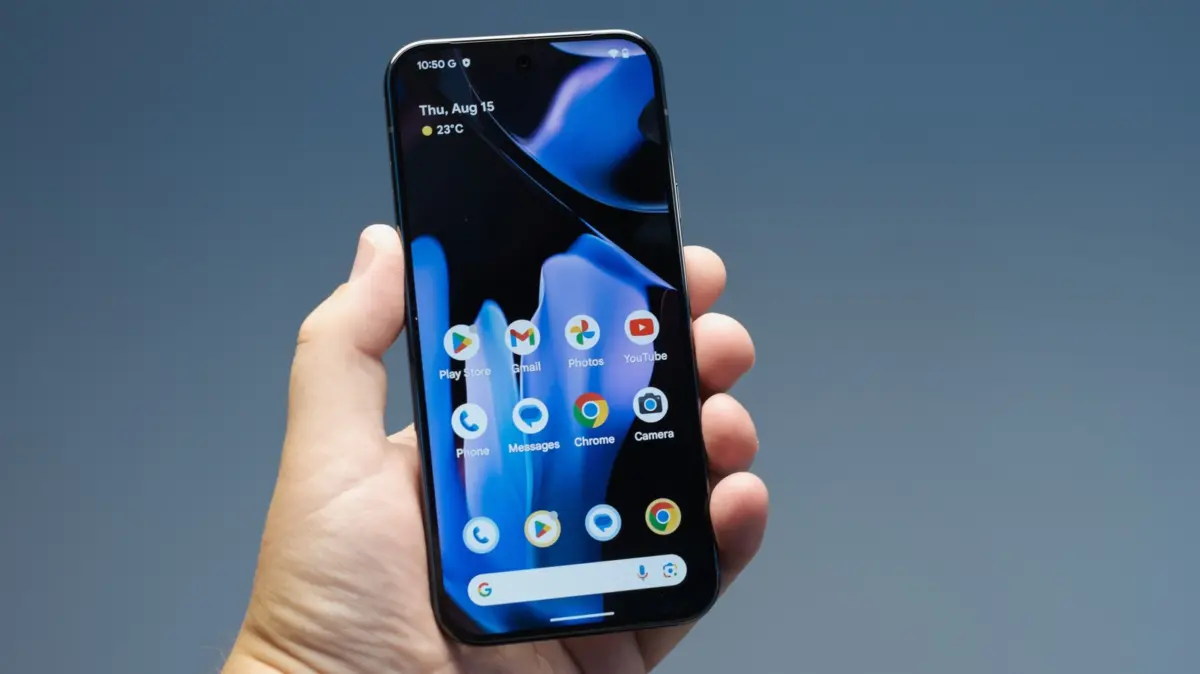
The modern smartphone market occupies a paradoxical position. On one hand, flagship devices routinely cross the $1,200 threshold, offering titanium builds, generative AI accelerators, and periscope zoom lenses that rival entry-level mirrorless cameras. On the other hand, the global entry-level and mid-range Android ecosystem has never been more robust. Consumers operating on a strict budget—typically targeting devices priced at $300 or less—no longer need to resign themselves to painfully sluggish interfaces, failing batteries, or unusable cameras.
However, navigating the budget tier requires a disciplined approach. While manufacturers must cut costs to hit aggressive price points, these reductions often happen at the expense of fundamental hardware components. Sacrificing a sleek metal chassis, wireless charging, or IP68 water resistance is a sensible compromise for a budget-conscious buyer; after all, most devices spend their operational lifespans safely encased in protective aftermarket covers. Conversely, compromising on core systemic pillars—such as insufficient random-access memory (RAM), sub-par display technology, outdated processors, or underpowered batteries—transforms a modest financial savings into a frustrating daily user experience.
This exhaustive guide establishes the absolute technical baseline required for a budget Android smartphone in 2026. By distinguishing between cosmetic luxuries and non-negotiable operational requirements, prospective buyers can secure a device that not only meets their daily communication and productivity needs but also maintains functional longevity for years to come.
Detailed Chronology & Evolution of the Budget Tier
To understand why certain features are now considered non-negotiable, it is instructive to examine how the budget smartphone category has evolved over the past decade.
The Era of Compromise (2015–2019)
In the mid-to-late 2010s, purchasing a sub-$300 smartphone meant accepting severe compromises. Devices in this price bracket were routinely plagued by low-resolution 720p LCD screens, meager 2GB of RAM that caused relentless app reloads, and eMMC storage chips that made file transfers glacial. Battery capacities hovered around 3,000mAh, and software support was virtually nonexistent; many budget devices shipped with outdated versions of Android and received zero security patches post-purchase. Cameras were largely performative, producing muddy, artifact-heavy images in anything less than direct sunlight.
The Democratization of Performance (2020–2023)
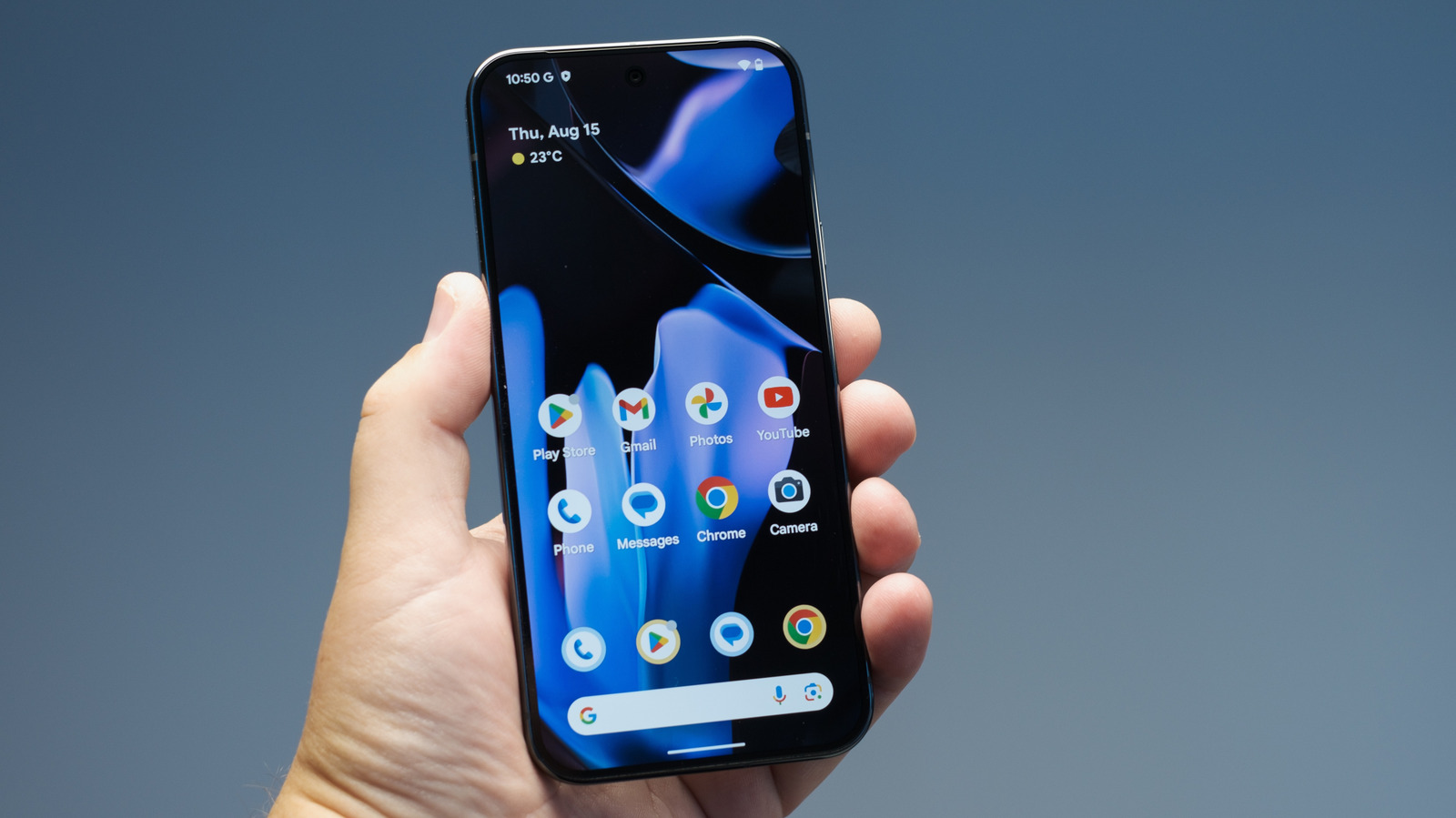
As semiconductor manufacturing matured and component costs plummeted, original equipment manufacturers (OEMs) began trickling down flagship features to cheaper tiers. High-refresh-rate displays, multi-camera arrays, and faster UFS storage slowly became standard. During this period, the baseline for an acceptable budget phone shifted dramatically. Brands like Samsung (via the Galaxy A series), Motorola (with the Moto G lineup), and Google (with the introduction of the A-series Pixel line) proved that consumers did not need to spend four figures to get a reliable daily driver.
The Modern Baseline (2024–Present)
Today, the budget landscape is defined by aggressive competition among established tech giants and insurgent brands like Nothing. Consumers now expect features that were once exclusive to the $800+ tier: punchy OLED displays, reliable all-day batteries, competent low-light photography, and multi-year software maintenance plans. Yet, this democratization has also introduced new pitfalls. With the integration of intensive background processes and increasingly demanding application ecosystems, hardware floors must be drawn higher than ever before. Buying a phone with less than 6GB of RAM or an outdated processor in the current market is an invitation to digital obsolescence.
Supporting Context & Core Metrics: The Non-Negotiable Hardware Breakdown
When evaluating a sub-$300 Android smartphone, consumers must look past marketing hyperbole and focus on five core hardware domains: display specifications, memory and storage, processing architecture, battery capacity, and optical hardware.
+-----------------------------------------------------------------+
|               BUDGET ANDROID NON-NEGOTIABLE SPECS               |
+----------------------+------------------------------------------+
| Component            | Minimum Acceptable Standard              |
+----------------------+------------------------------------------+
| Screen Size          | 5.6" to 6.1"+                            |
| Display Panel        | AMOLED with HD+ Resolution & 1,000+ nits |
| System RAM           | 6GB (8GB recommended for gaming/heavy)   |
| Internal Storage     | 128GB (256GB preferred; rare expansion)  |
| Battery Capacity     | 4,500mAh to 5,000mAh                     |
| Main Camera Sensor   | 32MP+ with large sensor light-gathering  |
| Selfie Camera Sensor | 12MP+                                    |
+----------------------+------------------------------------------+
1. Display Architecture: Size, Panel Technology, and Brightness
The physical interface between user and device begins with the screen. While historical mobile design favored compact form factors—such as the original iPhone’s diminutive 4.5-inch panel—modern software and content consumption paradigms demand a larger canvas.
- Dimensions: A budget device should feature a screen measuring at least 5.6 inches, with most current offerings landing comfortably in the 6.1-inch to 6.5-inch range. This footprint strikes an optimal balance, providing sufficient acreage for two-handed typing and media consumption without rendering the chassis excessively cumbersome.
- Panel Quality: Avoid cheap, washed-out LCD panels where possible. The display must utilize an AMOLED (Active-Matrix Organic Light-Emitting Diode) panel. AMOLED technology guarantees deep blacks, infinite contrast ratios, and vibrant color reproduction.
- Resolution and Brightness: Ensure the display carries at least an HD+ resolution (ideally Full HD+ if the budget allows) and features a peak brightness rating of at least 1,000 nits. Lower brightness thresholds render budget devices completely illegible under direct sunlight, severely degrading outdoor utility.
2. Memory (RAM) and Storage Configuration
Memory is the engine of multitasking. A device with insufficient RAM will constantly terminate background applications, forcing users to reload web pages, chats, and social feeds from scratch—a major drain on both time and battery life.
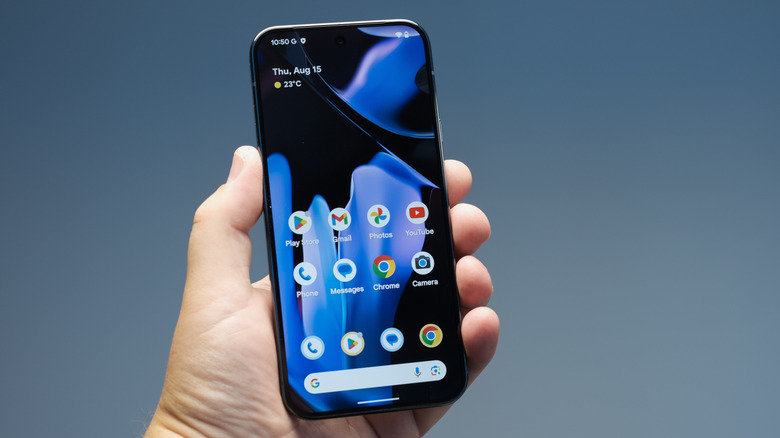
- RAM Minimums: Never purchase a primary Android device in 2026 with less than 6GB of RAM. This serves as the minimum threshold to manage modern background services, smooth animations, and casual multitasking. If the device is intended for mobile gaming or heavy multitasking, prioritize models equipped with 8GB of RAM.
- Storage Capacity: With expandable micro-SD card slots becoming an endangered species across the mobile industry, internal storage cannot be overlooked. 128GB is the absolute minimum acceptable baseline. For long-term peace of mind and freedom from persistent "storage full" notifications, target 256GB. Settling for 64GB in the modern era guarantees reliance on expensive cloud storage subscriptions or constant manual file pruning.
3. Processing Power and Silicon Architecture
The system-on-chip (SoC) dictates the overall responsiveness of the hardware. While budget buyers cannot expect elite benchmark scores, they must avoid processors that are "slow as molasses."
- Evaluating Performance: Reviewers and benchmark databases offer crucial insights into generational performance. Consumers should check the release date and architecture of the processor. An older mid-range chip from a reputable tier can often outperform a brand-new entry-level chip from an obscure manufacturer.
- The Cost of Sluggish Silicon: A poor processor directly compromises streaming quality, app launch speeds, interface fluidity, and gaming capabilities. Laggy performance undermines the utility of the device, regardless of how attractive its initial purchase price may be.
4. Battery Longevity and Power Management
A smartphone’s processing and display capabilities are rendered irrelevant if the device dies halfway through the afternoon.
- Capacity Thresholds: A battery capacity of 4,500mAh is the absolute bare minimum, and it is only acceptable if the device lacks heavy artificial intelligence processing overhead or power-hungry display controllers. A 5,000mAh battery is the gold standard for budget devices, ensuring confident all-day endurance even under moderate-to-heavy usage profiles.
- Ecosystem Integration: Beyond raw milliamp-hours, look for power-efficient chipsets and modern Bluetooth iterations (such as Bluetooth 5.3 or higher) that minimize energy drain when paired with wireless accessories like headphones and smartwatches.
5. Optical Hardware: Rear and Front Camera Sensors
While budget phones will not compete with dedicated flagship imaging systems, consumers should not accept blurry, unusable photographs.
- Rear Cameras: Look for a primary rear sensor rated at 32MP or higher, accompanied by a physical sensor size large enough to capture adequate light. Megapixel counts alone are deceptive; a well-optimized sensor with a larger surface area will consistently yield superior low-light performance and dynamic range compared to a high-megapixel, low-quality sensor.
- Selfie Cameras: Front-facing cameras are utilized constantly for video calls, authentication, and social media. Demand a front sensor of at least 12MP paired with decent light-gathering capabilities to avoid washed-out or excessively grainy self-portraits.
Industry Perspectives & Expert Analysis
Navigating the sub-$300 hardware landscape requires understanding the philosophies of major manufacturers who compete fiercely in this sector. Industry analysts point out that the democratization of features is largely driven by Samsung’s Galaxy A series, Motorola’s enduring Moto G line, and strategic plays by brands like Nothing.
Furthermore, tech economists note a growing trend in the refurbished and renewed market. Consumers willing to purchase certified refurbished hardware can frequently secure high-tier mid-range devices—such as an older-generation Google Pixel A-series phone—for roughly the same price as a brand-new, entry-level budget device. These refurbished units often bypass the typical compromises of the sub-$300 tier by offering superior camera processing, premium build materials, and extended software support lifecycles.

+-----------------------------------------------------------------+
|             RECOMMENDED BUDGET BRAND ECOSYSTEMS (2026)          |
+-------------------+---------------------------------------------+
| Brand Lineup      | Key Advantage                               |
+-------------------+---------------------------------------------+
| Samsung Galaxy A  | Reliable software updates, widespread parts |
| Motorola Moto G   | Clean software experience, excellent value  |
| Nothing (Phone a) | Unique design language, strong performance  |
| Refurbished Pixel | Flagship-grade cameras at budget pricing    |
+-------------------+---------------------------------------------+
Future Outlook: The Trajectory of the Sub-$300 Smartphone
Looking forward, the budget smartphone landscape will be defined by two conflicting forces: the integration of localized AI features and the economic pressure to keep prices flat.
As generative AI tools move from cloud-based servers to on-device neural processing units (NPUs), budget manufacturers will face mounting pressure to include capable silicon capable of handling lightweight AI workloads. This shift means that the baseline specifications outlined in this guide—particularly RAM minimums and processor capabilities—will become even more critical. Devices equipped with 4GB of RAM or underpowered chips will struggle to execute basic OS-level AI enhancements, accelerating their path toward functional obsolescence.
At the same time, fierce market competition ensures that consumers will continue to benefit from falling component costs. Features that are currently considered premium or borderline luxuries in the budget tier—such as high-refresh-rate AMOLED displays, faster charging protocols, and multi-year security maintenance commitments—will soon become universally standardized baselines.
Strategic Buying Recommendations
- Prioritize Core Infrastructure: Never compromise on RAM (minimum 6GB) or storage (minimum 128GB) to save a nominal amount of money.
- Scrutinize the Display: Insist on an AMOLED panel with strong peak brightness to ensure long-term visual comfort and outdoor legibility.
- Explore Certified Refurbished Options: Consider previous-generation mid-range devices (such as Google Pixel A-series models) that have dropped into the $300 price bracket via authorized retail channels.
- Leverage Seasonal Promotions: Timing a purchase around major retail holidays can allow buyers to secure a well-equipped mid-range device at a rock-bottom budget price, bypassing the worst compromises of the entry-level tier entirely.