Executive Overview
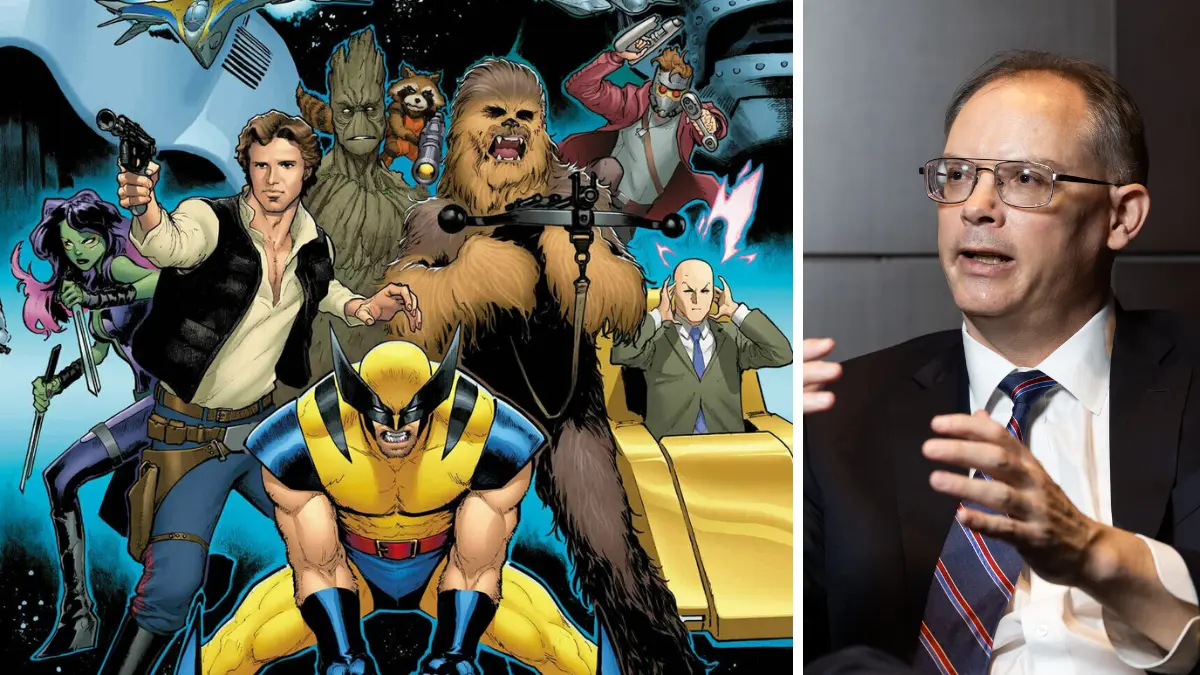
In a development that has sent shockwaves through both the video game industry and entertainment sectors alike, Epic Games has officially slammed the brakes on its heavily anticipated, yet unannounced, multi-franchise shooter. The project—a massive pop-culture convergence uniting the heavy-hitting intellectual properties of Star Wars and Marvel—has been indefinitely delayed from its tentative March 2027 launch window.
The catalyst for this sudden stall is not a routine creative dispute or technical roadblock, but rather a sweeping, top-down corporate pivot. According to internal communications leaked to Bloomberg and confirmed by industry insiders last week, Epic Games management has instructed its development teams to immediately transition to an uncompromising "AI-first" production model. This sweeping mandate requires developers to integrate automated systems, such as Anthropic’s Claude, deep into the production pipeline, while demanding that all visual assets be generated via full artificial intelligence workflows.
This radical restructuring arrives on the heels of a turbulent period for Epic Games, characterized by massive structural downsizing, declining console sales, ongoing antitrust legal battles with tech giants Apple and Google, and the mounting pressure of maintaining live-service consistency for its crown jewel, Fortnite. As CEO Tim Sweeney and his executive team double down on automated workflows, the gaming community is left to reckon with a troubling question: Have we officially crossed the rubicund threshold where generative AI supersedes human craftsmanship in blockbuster game development?
Detailed Chronology: From Concept to Corporate Mandate
To understand how one of the most commercially promising crossover projects in gaming history was abruptly thrown into developmental limbo, it is necessary to examine the timeline of events leading up to last week’s seismic announcement.
The Genesis of the Crossover
For years, Epic Games has positioned Fortnite as the ultimate metaverse sandbox, successfully hosting limited-time events, skins, and storylines featuring characters from both the Marvel Cinematic Universe and a galaxy far, far away. However, the unannounced project—informally discussed within the industry as a dedicated shooter leveraging these Disney-owned powerhouses—represented a distinct escalation: a standalone, premium-scale gaming experience built outside of the standard Fortnite ecosystem.
With Disney having previously invested $1.5 billion into Epic Games in early 2024 to build an expansive games and entertainment universe, expectations for this collaborative shooter were astronomically high. Initial development roadmaps pointed toward a polished, blockbuster release slated for March 2027.
The Spring 2024 Layoffs and Structural Shocks
Cracks in the foundation began showing long before the AI mandate. In March of the previous year, Epic Games executed a devastating round of layoffs, purging more than 1,000 employees from its global workforce. At the time, CEO Tim Sweeney was candid about the company’s unsustainable financial trajectory, admitting that Epic had been "spending significantly more than [it was] making."
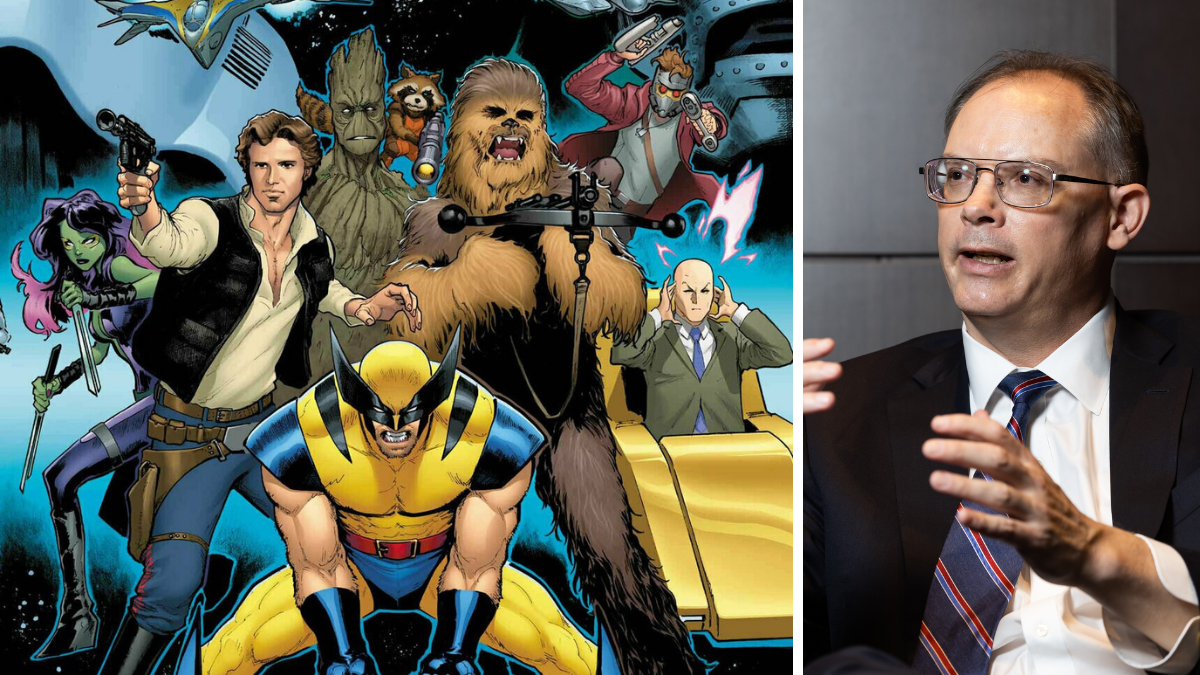
Sweeney attributed these financial hemorrhages to a combination of shifting consumer habits, a broader decline in traditional console hardware sales, the exorbitant legal costs of fighting Apple and Google over app store monopolies, and the immense operational pressure required to deliver fresh, engaging content seasons for Fortnite on a relentless schedule.
The "AI-First" Pivot
Faced with persistent financial pressures and the ballooning costs of traditional AAA game development—where budgets frequently exceed hundreds of millions of dollars and development cycles stretch past half a decade—Epic’s leadership sought disruptive efficiencies.
Last week, staff working on the Star Wars/Marvel project were abruptly informed that the March 2027 release date had been scrapped indefinitely. Concurrently, management issued a comprehensive directive: the project would henceforth operate under an "AI-first" production model. According to the internal guidelines reviewed by journalists, teams were ordered to utilize tools such as Anthropic’s Claude for foundational code generation, narrative structuring, and logic frameworks. More controversially, the directive mandated that all environmental, character, and promotional art be produced using "full AI workflows," effectively sidelining human concept artists, animators, and texture designers.
Shortly after Bloomberg broke the story, Epic Games CEO Tim Sweeney took to social media platform X to address the industry chatter, offering cryptic commentary on modern player nostalgia and technological inevitability, further fueling debates surrounding the studio’s trajectory.
Supporting Context & Metrics: The Economics of Automation and Industry Strain
To contextualize Epic’s aggressive pivot toward generative artificial intelligence, one must examine the broader economic pressures currently strangling the interactive entertainment sector.
The Unsustainable Costs of AAA Development
The modern AAA video game industry is trapped in a vicious cycle of escalating budgets and diminishing returns. Developing a top-tier console title now routinely requires budgets ranging from $200 million to $400 million, involving workforces numbering in the thousands spread across multiple global studios. A single misstep can result in catastrophic financial failure, as evidenced by recent high-profile studio closures and mass layoffs across Sony, Microsoft, Electronic Arts, and Embracer Group.
By integrating generative AI tools, executives like Sweeney view automation not merely as a feature, but as a financial life jacket. Proponents argue that AI can drastically cut down asset production times, automate repetitive bug testing, and synthesize placeholder assets in a fraction of the time required by human artists.
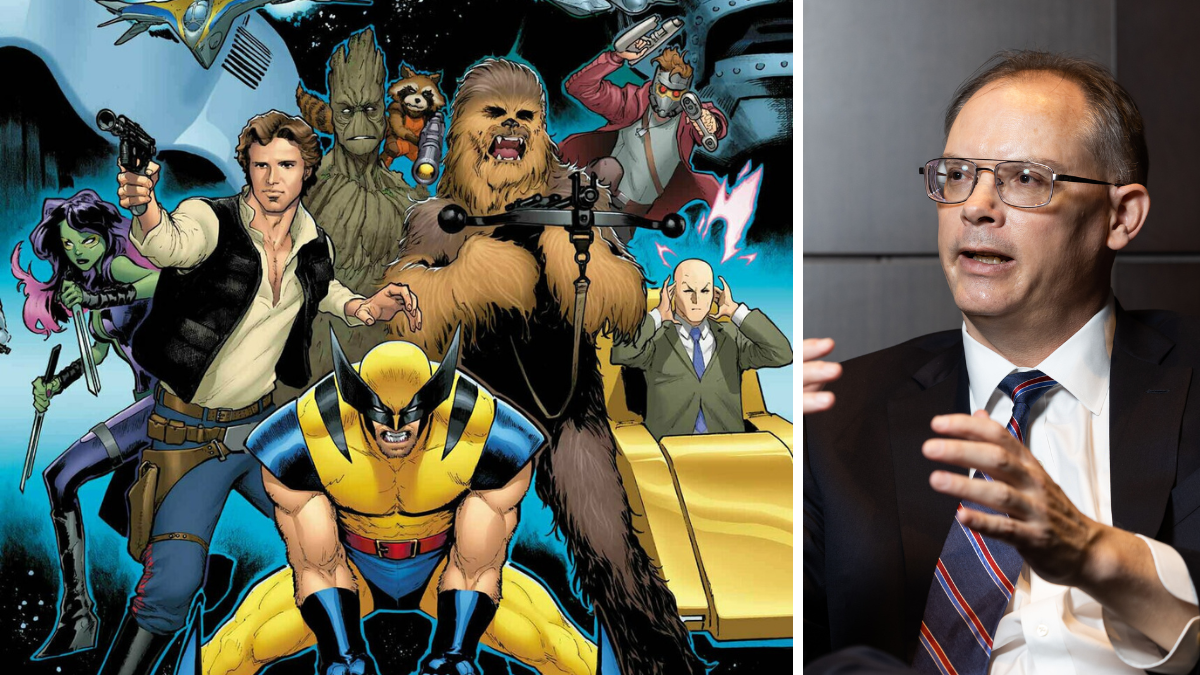
The Aesthetic Homogenization of "AI Slop"
However, critics and industry veterans argue that this short-term financial relief comes at an irreversible artistic cost. As industry analysts note, the contemporary visual language of mass-market entertainment—typified by the clean, hyper-saturated, glossy aesthetic of Fortnite, Pixar films, and modern Disney blockbusters—already shares a striking resemblance to the output of off-the-shelf generative AI models.
This creates a philosophical ouroboros. When AI models are trained on existing commercial media, and studios then use those models to generate new media within that exact same stylistic vein, the result is an echo chamber of aesthetic conformity. As commentators have wryly observed, the intersection of Marvel, Star Wars, and Pixar-esque rendering engines forms a literal "Mount Rushmore" of corporate generated content—an abyss staring directly back into the abyss.
Official Statements and Industry Reactions
The announcement has triggered intense debates across developer forums, union organizations, and executive boardrooms regarding the ethical, legal, and creative implications of forcing an "AI-first" model onto beloved intellectual properties.
While official press statements from Epic Games have remained tightly controlled, focusing broadly on "exploring cutting-edge technological efficiencies," internal dissent has been palpable. Anonymous developers speaking to trade publications have expressed deep demoralization, noting that forcing artists to act as mere prompter-editors for AI-generated assets strips away the creative fulfillment that draws talent to the industry in the first place.
Meanwhile, external commentators have zeroed in on the fatalistic rhetoric often employed by tech executives. The narrative pushed by the AI industry frequently frames automation as an unstoppable force of nature—an inevitability that "luddite" detractors must simply learn to cope with. This determinism, however, exists in stark contrast to the quiet panic within tech circles regarding the long-term societal and existential risks posed by unbridled artificial intelligence advancement.
Future Outlook: What Lies Ahead for Epic Games and Interactive Entertainment?
The indefinite delay of the Star Wars and Marvel crossover shooter serves as a watershed moment for the video game industry. It forces a reckoning on several critical fronts:
- The Quality Control Crisis: As Epic Games attempts to pioneer full AI workflows on a major franchise project, the ultimate test will be consumer reception. Will mainstream gamers notice—or care—if the code, textures, and writing are synthesized by algorithms, provided the brand synergy hits the right nostalgic notes? Or will the project buckle under the weight of generative uncanny valley artifacts and generic storytelling?
- Labor Relations and Talent Retention: By signaling that human artists and developers can be readily bypassed in favor of automated tools like Claude and generative art models, Epic risks alienating its remaining workforce. In an industry already battered by thousands of layoffs, the institutional knowledge and creative passion of human developers remain irreplaceable assets. Alienating this talent pool could permanently damage Epic’s capacity to innovate.
- The Precedent for Competitors: All eyes are now on how other industry titans—such as Electronic Arts, Ubisoft, and Sony—will respond to Epic’s gamble. If the "AI-first" model proves capable of slashing production budgets without instantly cratering sales, other publishers may follow suit, fundamentally altering the employment landscape for creative professionals across the globe.
Ultimately, Epic Games is betting that consumers care more about familiar intellectual properties than the human labor required to build them. Whether this calculated gamble pays off or results in a high-profile corporate disaster remains one of the most compelling storylines to watch as the industry navigates the latter half of the decade.