Executive Overview
In an era where digital communication can instantly amplify minor retail disputes into international cultural phenomena, few controversies have matched the peculiar friction of the October 2026 clash between Grammy-winning pop superstar Kelly Clarkson and Art of Play, a specialty curio shop and magic venue located in Brooklyn, New York. What began as a brief, five-minute in-store browsing experience swiftly devolved into a polarized public relations battle involving viral social media accusations, contested narratives over a one-of-a-kind singing bird automaton named "Molly," and intense online discourse regarding celebrity influence, customer service etiquette, and the economic vulnerabilities of small businesses.
The incident underscores the volatility of modern consumer interactions. When a celebrity of Clarkson’s magnitude leverages her platform—boasting millions of followers—to air retail grievances, the resulting asymmetrical warfare between a multinational icon and a localized independent shop can destabilize a business overnight. Yet, as the timeline of statements, counter-statements, and digital evidence unfolded, the "Kelly Clarkson Singing Bird Drama" evolved far beyond a simple case of perceived elitism. It became a fascinating case study in miscommunication, the mechanics of high-end art and novelty sales, and the unforgiving nature of algorithmic outrage culture.
This report provides a comprehensive examination of the controversy, tracing its origins from the streets of Brooklyn to the digital battlegrounds of X (formerly Twitter) and Instagram, analyzing the competing narratives, and evaluating the broader cultural implications of celebrity public shaming.
Detailed Chronology: From Brooklyn Browsing to Viral Backlash
October 10th, 2026: The Initial Salvo
The controversy erupted on Thursday, October 10th, 2026, when Kelly Clarkson took to X to voice her intense frustration following a visit to Art of Play in Brooklyn. Known for her approachable persona and vocal support of independent commerce, Clarkson expressed shock and indignation at how she perceived she was treated by the store’s staff.
In her initial post, which quickly amassed over 266,000 likes and 11,000 reposts within 48 hours, Clarkson wrote:
"Just drove all the way to Brooklyn to check out this store I thought looked really rad and had a few things in mind to buy and literally was looked at as if I couldn’t afford it and was told he could find something comparable for me. Wow, dude. You’re an idiot and just lost a huge sale. But y’all should go check out Art of Play in Brooklyn if you enjoy being treated like Julia Roberts character in Pretty Woman. For sure, check it out 👆"
The reference to Pretty Woman—specifically the iconic scene where boutique sales associates refuse service to Julia Roberts’ character Vivian Ward under the assumption that she lacks the financial means to shop there—instantly framed the narrative. To her millions of followers, Clarkson was casting herself as the victim of classicist condescension, targeted by an unobservant clerk who failed to recognize her purchasing power.
The internet reacted with immediate fervor. Industry peers and fans rallied around the singer, while digital sleuths and casual observers alike fixated on the store in question, anticipating immediate fallout for the employee involved.
October 11th, 2026: Art of Play’s First Defense
Recognizing the mounting digital pressure, Art of Play issued an official response across its Facebook and other social media channels on October 11th. The shop attempted to defuse the situation by contextualizing the item that had caught Clarkson’s eye: a mechanical singing bird automaton named "Molly."
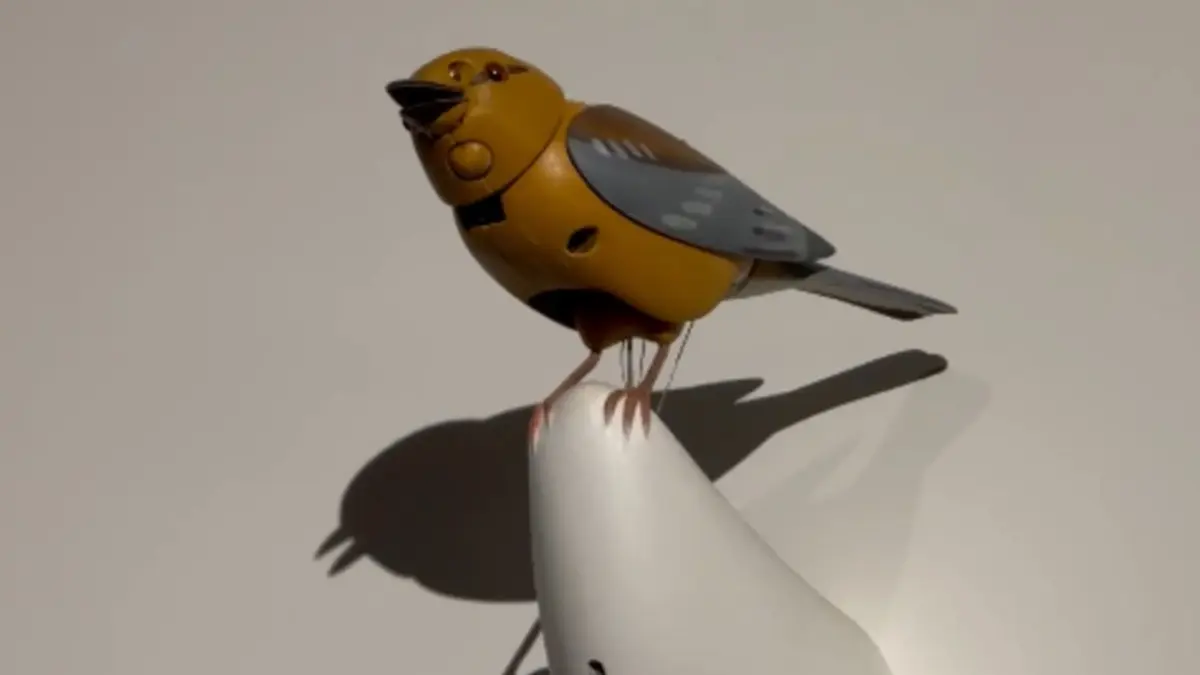
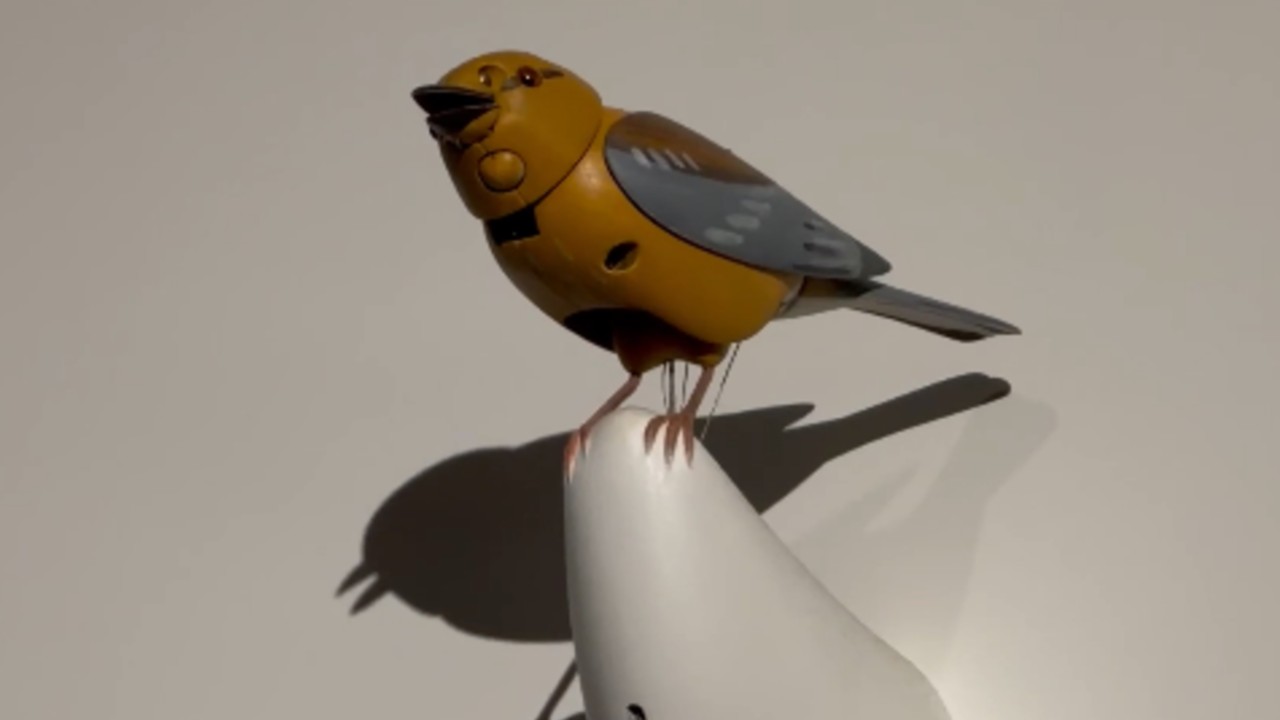
According to the store’s statement, Molly was not part of their inventory for general retail sale. Instead, they explained that the automaton was permanently attached to the store wall, serving as a de facto mascot and playing an integral role in the magic shows hosted on the premises.
Furthermore, Art of Play highlighted the immediate, overwhelming collateral damage of Clarkson’s viral post. The store stated that they were suddenly inundated with backlash from millions of internet users who had never set foot in the establishment. While expressing gratitude for their loyal local patrons and the curious visitors drawn in by the unfolding drama, the shop maintained a conciliatory tone, quoting one of Clarkson’s own famous lyrics ("what doesn’t kill you makes you stronger") and expressing hope that they could eventually clear the air with the singer.
October 11th, 2026: Clarkson Doubles Down with Evidence
The dispute escalated rapidly later that same day when Kelly Clarkson rejected Art of Play’s narrative, posting a blistering rebuttal on X that accrued over 150,000 likes in a single day.
Tired of the store’s assertion that the item was never for sale, Clarkson published a photograph featuring a price tag hanging next to the singing bird automaton, explicitly reading "$15,000."
In her second post, Clarkson challenged the shop’s version of events head-on:
"Cool, cool. Sure, it wasn’t for sale. That’s the narrative Art of Play is gonna go with so the whole conversation we had when I asked you if it was for sale whilst pointing to the price tag hanging on the wall with the title Singing Bird didn’t happen as you elevator eyed me saying in a condescending tone ‘yes, it’s for sale but it costs 15,000 dollars so if you’d like me to find something comparable for me I can.’ That all never happened and now it’s not for sale. Okay, cool. So you’re not only rude, you’re also a liar. Got it 🎯"
Clarkson also addressed accusations that she was attacking a small business unfairly, asserting her long-standing commitment to independent merchants while drawing a firm boundary on customer dignity:
"And by the way, I obviously support small businesses because I was literally at a small business trying to purchase things… but you don’t get a free pass to treat people less than in your store just because you are a small business. It’s not that hard to be kind."
October 12th, 2026: Clarification and the "Twin" Revelation
On October 12th, Art of Play released a detailed, second statement via Instagram, attempting to bridge the massive gap between their reality and Clarkson’s perception. This statement provided a granular breakdown of the five-minute interaction that took place inside the store.
The shop clarified the complex provenance of the $15,000 price tag: while "Molly" the bird was permanently affixed to the shop wall as a store mascot, the creator of the mechanical marvel—a Seattle-based artist named Bliss Kolb—did indeed possess a nearly identical twin automaton. Kolb had previously informed the shop that he would be willing to part with Molly’s twin for $15,000, which accounted for the visible price tag. The employee had reportedly attempted to explain this nuance to Clarkson.
Additionally, Art of Play revealed that their staff member had offered to show Clarkson an alternative singing bird automaton crafted by a traditional clockmaking workshop in Germany, priced at approximately $2,000, which she could have purchased and taken home immediately. According to the store, Clarkson departed before being shown this alternative option. Art of Play concluded by noting they had reached out to the singer privately to resolve the misunderstanding.
Supporting Context & Metrics: The Mechanics of the Viral Storm
The collision between Kelly Clarkson and Art of Play generated staggering metrics across social media platforms, highlighting the volatile reach of digital fandoms and cultural commentary channels.
- Audience Reach: Clarkson’s initial tweet reached hundreds of thousands of users within hours, securing over 266,000 likes and 11,000 reposts. Her follow-up post secured an additional 150,000 likes.
- Meme Propagation: Within 48 hours, digital creators integrated the drama into pre-existing internet formats. Memes featuring reaction images from Shrek, The White Lotus (via Jennifer Coolidge), and commentary from prominent digital figures like filmmaker Joseph Kahn and tech commentator Eugene Wei flooded timelines.
- The Object of Desire: "Molly" and similar mechanical singing bird automata by artists like Bliss Kolb represent a niche, highly valued intersection of horology, kinetic sculpture, and antique curation. Priced at $15,000, these items appeal to high-net-worth collectors rather than casual impulse buyers, inherently creating pricing friction in a walk-in retail environment that deals in accessible magic tricks, puzzles, and novelty items.
Official Statements and Public Discourse
The polarization of public opinion revealed deep ideological divides regarding wealth, celebrity influence, and consumer rights.
The Pro-Clarkson Faction
Supporters of the pop star argued that wealth should not preclude anyone from receiving basic, respectful customer service. Public figures, such as director Joseph Kahn, stepped forward to vouch for Clarkson’s character, describing her as exceptionally kind and noting that it took an extreme degree of poor service to provoke a public rebuke. For this camp, the employee’s behavior was emblematic of cynical retail elitism—presuming a customer’s financial capacity based on appearance or casual demeanor.
The Pro-Art of Play Faction
Conversely, defenders of the Brooklyn curio shop emphasized the precarity of independent retail businesses operating in high-rent metropolitan areas. Critics of Clarkson argued that utilizing a massive global platform to publicly chastise a small business over a perceived slight was disproportionate and reckless, effectively unleashing a digital mob upon workers who may have simply been trying to explain the unique, non-commercial status of a shop mascot. Many pointed out the logistical challenges of managing high-value, bespoke art pieces in a storefront that encourages tactile exploration and play for everyday visitors.
Future Outlook
As the dust settles on the Kelly Clarkson Singing Bird controversy, the incident serves as a modern parable for high-profile consumer interactions. While Art of Play experienced a jarring wave of uninvited digital hostility, the shop simultaneously saw a massive influx of global curiosity, effectively placing their niche Brooklyn establishment on the international map.
Whether Clarkson and Art of Play ultimately reconcile or laugh off the misunderstanding over a cup of coffee remains to be seen. However, the event permanently etches "Molly" the mechanical bird into internet folklore—a testament to how easily high-end art, retail misunderstandings, and celebrity star power can collide to create a modern digital spectacle.