Executive Overview
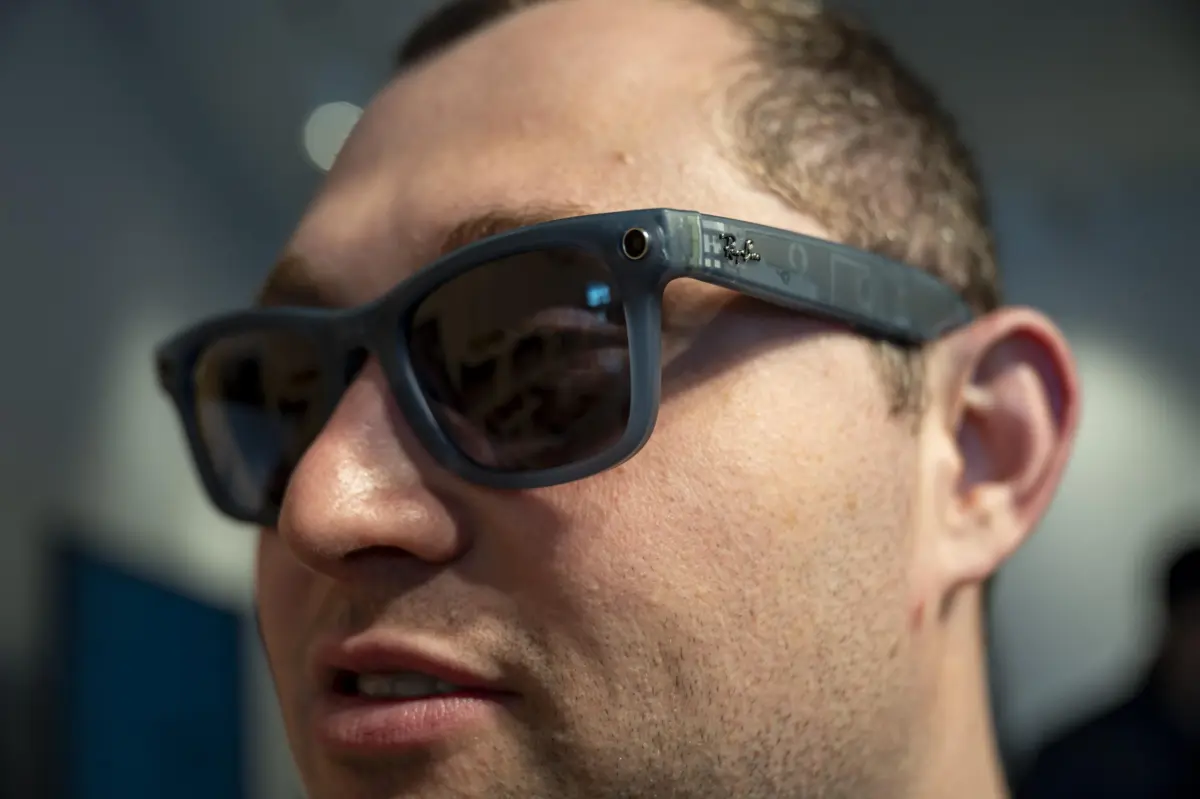
The intersection of artificial intelligence and wearable hardware has long been pitched as a seamless integration of human capability and digital convenience. In 2026, that promise has materialized in the form of $300 AI-enhanced smart glasses from Meta. Outfitted with dual high-definition cameras, arrays of directional microphones, and miniaturized speakers connected to an on-device AI ecosystem, these spectacles are designed to augment reality. Users can translate foreign languages on the fly, command music playlists, interact with contextual digital assistants, and capture their lived experiences at a moment’s notice—all hands-free.
Yet, despite their technical sophistication and genuine utility for accessibility and hands-free computing, these devices have run aground on the jagged rocks of public perception. Rather than being embraced as progressive tools of empowerment, Meta’s smart glasses have ignited fierce social resistance, sparking debates over surveillance, non-consensual recording, and the slow erosion of public privacy. Derisively dubbed "pervert glasses" across internet subcultures and mainstream social media alike, the hardware has created an acute social conundrum: even if an owner has entirely benign intentions, the mere presence of the device casts an involuntary pall over social environments, altering human behavior, killing the vibe, and converting everyday bystanders into reluctant background extras in a stranger’s private content pipeline.
This investigative report examines the cultural backlash, technological vulnerabilities, and existential identity crisis facing Meta’s flagship wearable, exploring how a $300 gadget managed to fundamentally disrupt the unwritten social contracts of modern public life.
Detailed Chronology: From Promotional Hype to Social Pariah Status
The trajectory of Meta’s smart glasses from high-tech novelty to social lightning rod mirrors the accelerated lifecycle of modern consumer technology. To understand how public sentiment fractured so rapidly, it is necessary to trace the rollout of the hardware, its aggressive marketing campaigns, and the swift counter-movement led by everyday citizens.
Phase 1: The Ubiquitous Pitch
In late 2024 and throughout 2025, Meta’s promotional apparatus went into overdrive. Ad campaigns—featuring high-profile endorsements from celebrities like Kylie Jenner and dynamic spots highlighting use cases across Tokyo, Miami, and exclusive Hollywood venues—painted a picture of total integration. The implicit message of the marketing strategy was clear: your point of view is inherently valuable, and you should be recording it everywhere. From upscale restaurants and dimly lit nightlife districts to escalators and concert backstage areas, consumers were encouraged to make the glasses an indispensable extension of their anatomy.
Phase 2: The Grassroots Resistance
By early 2026, the reality of widespread adoption began to clash with societal norms. Non-users across metropolitan centers started noticing the subtle shift in social dynamics. In Washington, D.C., fitness enthusiasts reported gym trainers wearing sleek black Ray-Ban frames to record workouts, leaving bystanders deeply uncomfortable about where their likenesses were ending up. In New York, wedding guests openly mutinied against friends wearing the hardware during romantic ceremonies, threatening complete ostracization until the frames were removed.
Phase 3: The "Pervert Glasses" Moniker and Underground Exploitation
The tipping point arrived when bad actors hijacked the hardware’s primary capability. A subset of pickup artists, pranksters, and bad-faith actors began weaponizing the discreet form factor to capture candid, non-consensual videos of people—particularly women in nightlife venues, music festivals, and gym settings.
The situation deteriorated to the point where major platforms, including Reddit, were forced to purge entire forums dedicated to trading non-consensual content captured via smart wearables. Intoxicated patrons at clubs and bars, incapable of granting informed consent, found themselves unwittingly commodified for viral content. Consequently, the public vernacular shifted permanently: the device was no longer just a pair of smart specs; it was branded as the "pervert glasses."
Supporting Context & Metrics: The Panopticon Effect and Social Friction
The psychological phenomenon driving the backlash against Meta’s glasses is rooted in the concept of the panopticon—a disciplinary concept wherein people alter their baseline behavior because they believe they are being watched, leading eventually to constant self-regulation even when no active surveillance is occurring.
The Death of the Nightlife Vibe
Nightlife culture relies heavily on psychological safety and uninhibited self-expression. When individuals suspect a camera is rolling, the calculus of human interaction shifts entirely. Vee, a nightlife aficionado and former owner of a Meta glasses pair, notes the chilling effect the hardware has on social spaces:
"When people know there’s a camera on them, they behave differently. They start to monitor their own behavior. They become self-conscious and they start to think, Well, what will the people watching this video think I’m doing? Am I being cringe?"
This chilling effect has led to the formation of grassroots anti-smart-glasses coalitions. Patrons have launched informal petitions to bar the devices from bars, music venues, and immersive theater experiences. The consensus among nightlife veterans is absolute: no matter the event, the introduction of a potential ambient recording device flattens the mood and destroys organic spontaneity.
The Burden of the Indicator Light
Central to the hardware’s design is an integrated LED indicator light meant to signal when recording is active. However, this feature has become its own distinct flashpoint. In dimly lit environments, the light glows with glaring visibility, transforming the wearer into an unmistakable walking surveillance node.
This visibility has created a bizarre psychological loop:
- For the Wearer: The obviousness of the recording light spikes self-consciousness, making normal social interactions awkward as both parties grapple with the elephant in the room.
- For the Bystander: The light serves as an aggressive reminder of potential surveillance, triggering immediate distrust.
- For Bad Actors: The visibility of the light has inspired a sub-community of users attempting to illegally hack, obstruct, or disable the LED hardware entirely—giving rise to the precise privacy fears that prompted severe regulatory scrutiny.
Official Statements and Industry Response
Faced with mounting public backlash and the proliferation of privacy-violating exploits, Meta has been forced to adapt its product roadmap and defensive messaging.
The Firmware Security Countermeasure
In July 2026, Meta announced a critical system update designed to address public safety concerns. Under the new firmware protocol, the glasses are hardcoded to disable their video-recording capabilities entirely if the physical indicator light is tampered with, modified, or obstructed.
Industry analysts view this as a necessary move to salvage the brand’s reputation. Early adopters and consumers alike have welcomed the hardline stance. Jason, a 28-year-old owner who purchased a pair to review local sandwich shops before abandoning the idea due to social friction, expressed strong support for uncompromising hardware security:
"I think if you tamper with that, they should just break. It’s the thin veil that makes it like, Okay, at least you’re telling me you’re filming me. So the idea that if you tamper with it? No, your product should be bricked."
Balancing Utility and Privacy
Meta continues to champion the genuine value propositions of its wearable technology. Beyond recording, the glasses offer profound accessibility features for individuals with reduced vision or hearing impairments, hands-on translation tools for global travelers, and essential sun protection.
Corporate communications stress that mass surveillance via institutional infrastructure is already ubiquitous in public spaces. However, consumer advocates and users like Max, an Australian owner who wears his frames for upward of 40 hours a week primarily during transit and work, draw a vital distinction:
"While we’re constantly being recorded when in public anyway, there’s a big difference between mass surveillance and one random weirdo recording you for their own purposes. It’s really the only defense wearers have against the ‘pervert glasses’ remarks."
Future Outlook: Can Smart Glasses Escape Their Reputation?
The long-term viability of AI-enhanced smart eyewear hangs in a delicate balance. On one hand, the underlying technology is indisputably advancing toward becoming an essential pillar of personal computing. As hardware shrinks, batteries improve, and generative AI features become more deeply contextual, the temptation for consumers to adopt head-up displays and hands-free assistants will only grow.
On the other hand, the cultural stigma currently attached to Meta’s hardware highlights a profound cultural hesitation. Technology companies frequently overestimate the public’s appetite for frictionless digital integration at the direct expense of interpersonal trust and physical privacy.
For Meta and competing hardware manufacturers, the path forward requires more than software patches and firmware updates. It demands a fundamental cultural reset regarding digital etiquette. Until society establishes ironclad behavioral norms, strict consent frameworks, and unambiguous social penalties for bad-faith recording, smart glasses will remain trapped in their current paradigm: an engineering marvel crippled by the social anxiety it generates, reminding us all that just because we can record every second of our lives, doesn’t mean anyone else wants us to.