Executive Overview
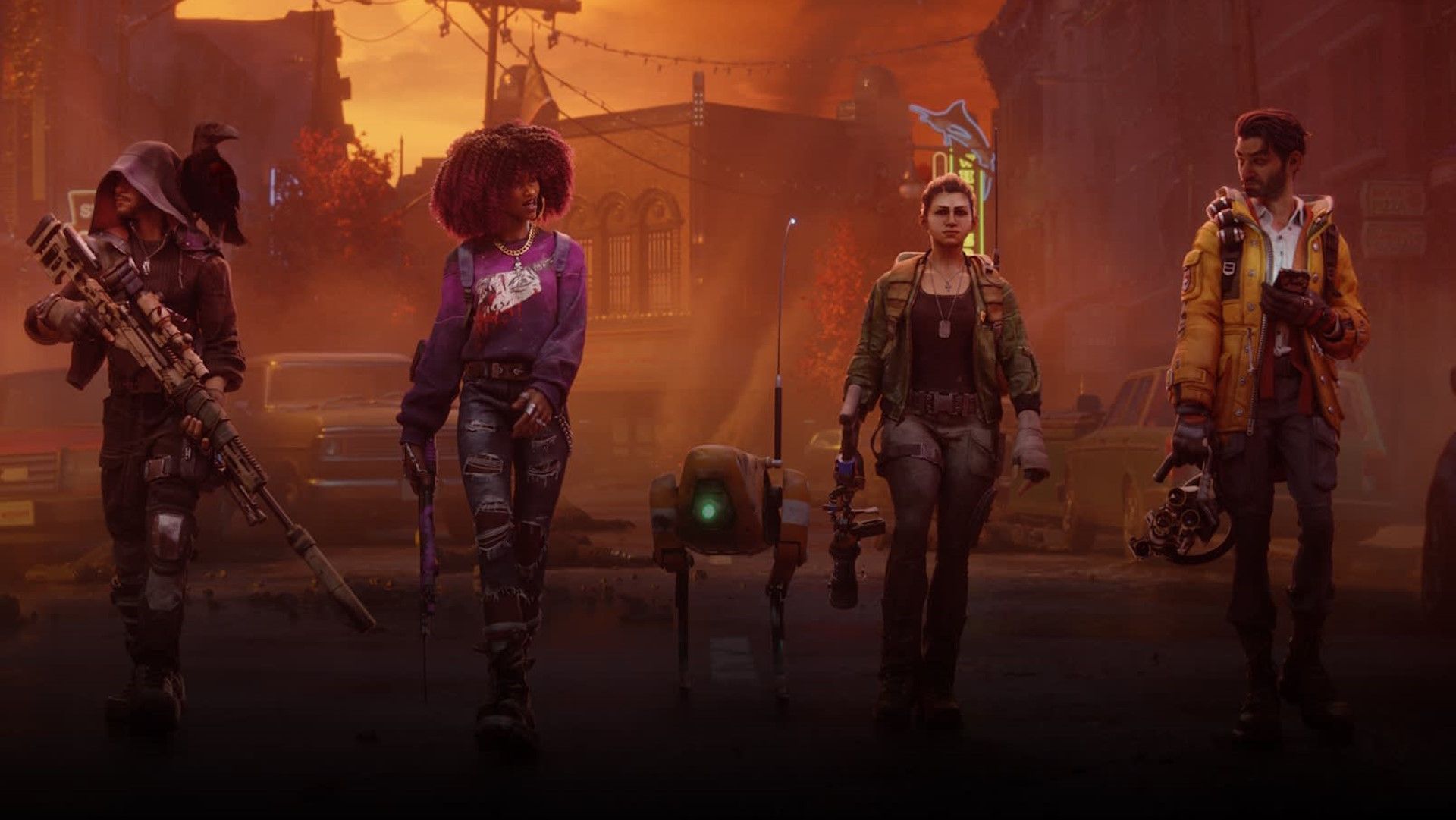
The video game industry is no stranger to turbulent development cycles, commercial disappointments, and high-profile corporate restructurings. However, few narratives in recent memory match the tragic trajectory of Arkane Austin and its catastrophic 2023 release, Redfall. Coming from a revered studio celebrated for genre-defining masterpieces like Prey and the Dishonored series, Redfall was envisioned as a bold evolution for the developer—a co-operative, open-world vampire-hunting shooter infused with immersive sim elements. Instead, it arrived to scathing critical reviews, profound player backlash, and a commercial failure that sent shockwaves through parent company Microsoft and the broader gaming ecosystem.
Just one year after the game’s disastrous launch, Microsoft shuttered Arkane Austin entirely, alongside several other high-profile studios under the Bethesda and ZeniMax umbrella. For many industry observers, the narrative appeared cut and dry: a legendary single-player studio forced by a monolithic corporate parent to pivot away from its artistic strengths into the cynical, hyper-lucrative waters of the "games-as-a-service" (GaaS) model, ultimately paying the ultimate price for corporate greed and mismanagement.
Yet, a deeper, more nuanced reality has begun to emerge from the wreckage. Recent interviews with former studio leadership—including Studio Director Harvey Smith and Production Director Ben Horne—reveal that the descent of Redfall was not merely a top-down corporate decree, but a complex cocktail of internal optimism, industry-wide gold-rush mentality, unprecedented global crises, and a chaotic, apocalyptic development cycle. Most astonishingly, the saga features a surreal post-script: a core group of laid-off developers returning to the studio to ship Redfall’s final, comprehensive update, proving that dedication to a craft can outlive the corporate entities meant to sustain it.
Detailed Chronology: From Immersive Sims to Multiplayer Ambitions
To understand how Arkane Austin arrived at Redfall, one must trace the studio’s cultural and creative evolution. Historically, Arkane was defined by its devotion to the immersive sim—a genre prized by hardcore PC gamers for its intricate player choice, environmental storytelling, systemic sandbox design, and deep respect for player intelligence. Titles like Arx Fatalis, Dishonored, and the 2017 sci-fi psychological thriller Prey cemented the studio’s reputation as a sanctuary for systemic, artistic game design.
However, the economics of producing prestige, narrative-driven single-player games can be notoriously unforgiving, especially within a rapidly consolidating industry. As the video game landscape shifted toward long-tail monetization, continuous player engagement, and live-service ecosystems, studios faced mounting pressure to scale up their audiences.
According to Harvey Smith, this systemic pressure did not merely come from corporate boardrooms; it permeated the creative consciousness of the development teams themselves. Driven by a desire to reach a wider demographic and a naive, idealistic belief in their own adaptability, studio leadership bought into the live-service paradigm.
"Arkane is very specialized, but the industry is growing, and there’s always more mouths to feed," Smith reflected in a recent interview with The Game Business. "And it’s great when you can reach a wider audience. We got swept up in the games-as-a-service thing, and I had the foolish chutzpah to assume that it always works out for us."
This hubris birthed a fundamentally mismatched conceptual framework. The studio attempted to synthesize its core design philosophy—system-driven player agency and environmental exploration—with modern live-service mechanics, introducing character classes, day-and-night world states, and co-operative multiplayer loops. It was an ambitious swing, but one that fundamentally stretched the studio’s technical pipeline and creative identity past their breaking points.
Supporting Context & Metrics: The Apocalyptic Development Cycle
If conceptual misalignment laid the groundwork for Redfall’s struggles, the external environment ensured a catastrophic execution. The development cycle of Redfall coincided with one of the most volatile periods in modern global history, turning an already risky creative pivot into an operational nightmare.
The Pandemic and the Great Resignation
The onset of the COVID-19 pandemic upended the games industry overnight, forcing tightly knit, office-based collaborative teams into remote isolation. For a studio like Arkane Austin—where creative breakthroughs often happened organically through whiteboard sessions and spontaneous desk-to-desk discussions—the transition to remote work was devastating. Compounding this was the "Great Resignation," a period marked by massive labor churn across the tech sector, resulting in significant brain drain as seasoned developers left the studio midway through production.
Biblical Texas Weather and Bizarre Real-World Interferences
What sets the Redfall post-mortem apart from typical troubled development stories is the sheer, almost farcical absurdity of external disruptions faced by the team in Austin, Texas. Smith’s accounts of the production read less like corporate game development and more like a magical realism novel:
- The Ice Storm of 2021: A catastrophic winter storm paralyzed the state of Texas, collapsing the local power grid and leaving employees without electricity and running water for weeks.
- Environmental Crises and Anomalies: Amidst the grueling development push, the region contended with bizarre natural occurrences, including swarms of invasive "murder hornets" migrating toward Texas.
- Societal Surrealism: As Smith dryly noted, development was further colored by surreal contemporary events, including government announcements regarding unidentified aerial phenomena (aliens), adding an almost surreal backdrop to an already pressurized workplace.
These compounding crises fragmented communication, delayed milestones, and fractured the cohesion necessary to successfully execute a massive, unproven multiplayer architecture on new hardware frameworks.
Official Statements & The Surreal Aftermath of Patch 1.4
When Redfall finally launched in May 2023, the reaction was swift and unforgiving. Reviewers and players alike criticized its technical instability, uninspired gameplay loops, and the stark contrast between its live-service ambitions and the immersive-sim pedigree of its creators. Within a year, Microsoft announced the shuttering of Arkane Austin, marking a dark chapter in corporate accountability that many in the industry dubbed a definitive "year of shame" for Xbox leadership.
Yet, amidst the pink slips and studio closures, a remarkable human story unfolded. Despite the critical panning and the heartbreak of termination, the creators retained a profound emotional attachment to their work. Recognizing that Redfall had shipped in a state that failed to reflect their true intentions, Smith and his team took an unprecedented step.
"We finished the game and it was very poorly received. We then worked on it for a year. We patched thousands of bugs. We then got laid off, but we had in the pipe version 1.4. It was the one that fixed tons of stuff. So, we went to Microsoft and said, ‘I know we don’t work here anymore, but can we please release this?’"
— Harvey Smith, Studio Director
To Microsoft’s credit, the corporate parent did not issue a flat refusal. Instead, bureaucratic red tape was temporarily bypassed, allowing six or seven former Arkane Austin employees to sign release forms, re-enter the studio building, and push Version 1.4 across the finish line.
Ben Horne, the production director at the time, encapsulated the bittersweet milestone: "It feels like an achievement unlocked for me in my career, to release something after I’ve been fired and the studio closed down."
While Patch 1.4—which introduced performance optimizations, improved enemy AI behaviors, and critical bug fixes—did not single-handedly rewrite public perception or salvage the game from commercial obscurity, subsequent retrospectives acknowledged its impact. Reviewers returning to the final version of the game noted that while it could not fully restore the lost potential of what Arkane Austin could have made under ideal conditions, it laid bare the ghost of a mechanically sound, atmospheric shooter trying desperately to claw its way out.
Future Outlook: Lessons Learned and the Cost of Industry Consolidation
The legacy of Redfall extends far beyond a single failed product; it serves as a cautionary tale for an entire industry grappling with identity, scale, and corporate stewardship.
- The Danger of Chasing Trends: The industry-wide rush toward games-as-a-service has repeatedly demonstrated that forcing historically single-player, narrative-driven developers into multiplayer molds is a high-risk gamble with a remarkably low success rate. Studios thrive when playing to their core competencies rather than reacting to volatile market trends.
- The Human Cost of Restructuring: Microsoft’s decision to close Arkane Austin—alongside Tango Gameworks, creators of the critically acclaimed Hi-Fi Rush—sparked intense debate regarding the stability of creative talent within massive platform holder ecosystems. When monolithic publishers absorb legendary studios, the margin for error narrows to zero, leaving no room for iterative recovery or creative redemption.
- The Resilience of Developer Craftsmanship: Perhaps the most enduring takeaway from the Redfall autopsy is the extraordinary dedication of its creators. The willingness of laid-off developers to return to a shuttered office simply to ensure their final project received a dignified, polished send-off underscores a deep-seated pride in game development that transcends corporate balance sheets.
Ultimately, the tragedy of Redfall is not merely that a bad game was released, but that an exceptional studio was dismantled before it could apply the hard-earned lessons of its failure. Whether future iterations of the industry will heed these warnings remains to be seen, but the ghosts of Arkane Austin will linger in the collective memory of PC gaming for years to come.