Executive Overview
In what promises to be its most ambitious bid to capture the center of the connected living room, Apple is preparing to unveil a dedicated smart home command hub dubbed the HomeView. According to industry disclosures detailed by Bloomberg’s Mark Gurman, the consumer tech titan is scheduled to announce the long-rumored display device alongside an array of updated peripheral hardware, setting the stage for a mid-November commercial launch.
The introduction of the HomeView represents a critical pivot for the Cupertino-based company. After years of relying on software frameworks like HomeKit and pure-audio endpoints such as the HomePod and HomePod mini, Apple is shifting toward an integrated, screen-centric ambient computing hardware architecture. Powered by Apple’s high-performance A18 system-on-a-chip (SoC) and featuring a deeply integrated, next-generation Siri voice interface, the HomeView aims to serve as an intelligent, central nervous system for modern smart environments.
+-----------------------------------------------------------------------+
|                       APPLE HOMEVIEW ECOSYSTEM                        |
+-----------------------------------------------------------------------+
                                   |
         +-------------------------+-------------------------+
         |                                                   |
         v                                                   v
+------------------+                               +------------------+
| Countertop Model |                               | Wall-Mount Model |
| (Flexible Hub)   |                               | (Fixed Panel)    |
+------------------+                               +------------------+
         |                                                   |
         +-------------------------+-------------------------+
                                   |
                                   v
             +-------------------------------------------+
             |            A18 SILICON ENGINE             |
             |  - On-Device Intelligence & Siri Processing|
             |  - Matter & Thread Controller Native Support|
             +-------------------------------------------+
                                   |
         +-------------------------+-------------------------+
         |                                                   |
         v                                                   v
+-----------------------------------+     +-----------------------------------+
|     FIRST-PARTY COMPANIONS        |     |     CO-DEVELOPED PERIPHERALS      |
|  - Refreshed Apple TV 4K Box      |     |  - LG Co-Branded Smart Lock       |
|  - Updated HomePod mini           |     |  - LG Smart Thermostat            |
|                                   |     |  - LG Video Doorbell              |
+-----------------------------------+     +-----------------------------------+
The device will launch in two physical form factors: a flexible countertop unit tailored for high-traffic shared spaces like kitchens and living rooms, and an architecturally integrated wall-mounted variant meant to replace traditional thermostat and security panels.
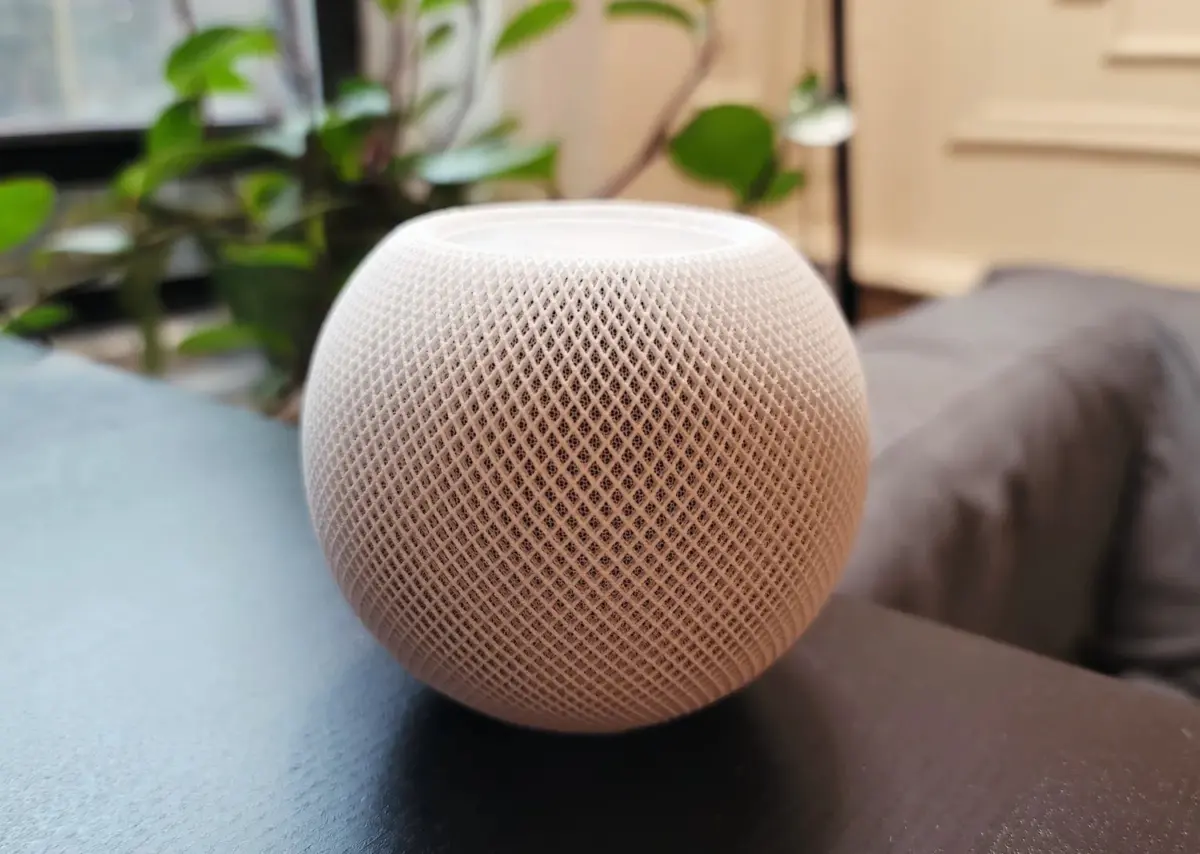
To complement this new hardware standard, Apple is also slated to roll out refreshed versions of the Apple TV set-top box and the HomePod mini, while executing an unexpected strategic hardware collaboration with South Korean electronics giant LG to deliver branded locks, thermostats, and video doorbells.
Detailed Chronology: The Road to Apple’s Smart Home Turning Point
Apple’s path toward a unified, screen-driven smart home portfolio has been marked by strategic recalibrations, software delays, and evolving hardware paradigms spanning more than a decade.
2014: Apple unveils HomeKit software framework
  │
2018: Original HomePod launches ($349, audio-focused, high cost barrier)
  │
2020: HomePod mini introduced to capture low-end market share
  │
2024–2025: Internal development hurdles & Siri natural-language processing delays
  │
October 2026: Gurman leaks "HomeView" details, A18 silicon integration, & LG deal
  │
Mid-November 2026 (Expected): Commercial release of HomeView & updated peripherals- 2014 — Framework Origins: Apple debuts HomeKit at WWDC 2014, establishing an encrypted, local-first software standard designed to let iOS devices control third-party smart accessories securely.
- 2018 — The First-Party Audio Bet: The original HomePod launches at $349. While praised for its acoustic performance, it faces criticism for its high price tag, strict reliance on Apple Music, and the limited contextual abilities of Siri compared to rival voice assistants.
- 2020 — Pivoting to Accessibility: Apple shifts focus with the HomePod mini, a $99 smart speaker designed to broaden its hardware footprint and expand Thread/Matter mesh networking integration across residential spaces.
- 2024–2025 — Software Bottlenecks: Multiple reports emerge highlighting internal delays surrounding Apple’s dedicated smart display project. Development is reportedly stalled by challenges in refining Siri’s contextual natural-language processing engines for shared, multi-user household environments.
- October 2026 — Product Realization: Bloomberg confirms the upcoming unveil of the HomeView, identifying its official hardware branding, A18 silicon foundation, dual form factors, and planned mid-November commercial release window.
Hardware Architecture, Silicon & Operating System
The A18 Engine: Bringing Edge AI to Ambient Displays
By outfitting the HomeView with the A18 processor—the same silicon generation driving Apple’s flagship mobile devices—the company is making a deliberate infrastructure decision. Smart home displays from competitors historically relied on low-cost, lower-power SoCs sufficient only for streaming basic audio, loading simple widgets, and processing cloud-bound voice requests.
+----------------------------------------------------------------+
|                   A18 SMART HOME COMPUTING STACK               |
+----------------------------------------------------------------+
|  +----------------------------------------------------------+  |
|  |                 Ambient UX & Touch Dashboard             |  |
|  +----------------------------------------------------------+  |
|  |             On-Device Generative AI / Siri               |  |
|  +----------------------------------------------------------+  |
|  |     Computer Vision (Face ID / Visual Handover / Proximity) |  |
|  +----------------------------------------------------------+  |
|  |           Local Matter & Thread Control Stack            |  |
|  +----------------------------------------------------------+  |
|  |                   Secure Enclave Engine                  |  |
|  +----------------------------------------------------------+  |
+----------------------------------------------------------------+
Integrating the A18 silicon provides the HomeView with access to an advanced Neural Engine and local memory bandwidth. This hardware setup enables key technical features:
- On-Device AI Processing: Natural language requests directed at Siri can be interpreted and executed locally on the device without requiring round-trip cloud latency, significantly accelerating light toggles, security adjustments, and scene triggers.
- Computer Vision & Spatial Awareness: High-speed machine learning models process camera inputs directly on the device, allowing for privacy-focused presence detection, user identification via Face ID architectures, and automated UI adaptation based on how far a user is standing from the screen.
- Local Smart Home Orchestration: Acting as a localized border router for Matter and Thread, the HomeView can maintain home automation routines locally, ensuring connected locks, lights, and sensors continue operating uninterrupted even during broadband network outages.
Dual Form Factors and Ergonomic Design
To accommodate different home layouts, Apple designed two target configurations for the HomeView:
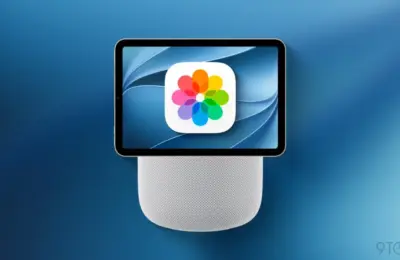
- The Countertop Variant: Formatted to sit on kitchen islands, desks, and nightstands, this unit features an angled base housing an acoustically tuned speaker array, combined with an adjustable touch screen. It functions as a hybrid between an iPad-style dashboard, a high-fidelity speaker, and a dedicated FaceTime terminal.
- The Wall-Mounted Variant: Designed as an architectural fixture, this ultra-slim panel mounts flush against drywalls or directly onto standard electrical gang boxes. Serving as a centralized home control panel, it offers a permanent interface to monitor security feeds, tweak climate settings, and manage energy consumption metrics.
Strategic Alliance: The Apple–LG Hardware Co-Development
In a notable shift from its historical preference for strictly in-house peripheral development, Apple is partnering with LG Electronics to build co-developed, Apple-optimized home accessories.
+-----------------------------------------------------------------+
|               APPLE & LG CO-DEVELOPMENT ALLIANCE               |
+-----------------------------------------------------------------+
|                                                                 |
|   +-------------------+   +-----------------+   +-----------+   |
|   |    Smart Lock     |   |   Thermostat    |   | Doorbell  |   |
|   |  (Ultra-Wideband) |   | (HVAC Integration)| | (Secure)  |   |
|   +-------------------+   +-----------------+   +-----------+   |
|                                  |                     /       |
|                                  |                    /        |
|               v                   v                   v         |
|   +---------------------------------------------------------+   |
|   |             Native Apple Home Integration               |   |
|   |    - Thread Mesh Networking  - HomeKit Secure Video     |   |
|   |    - Digital Key Support     - Direct HomeView Sync     |   |
|   +---------------------------------------------------------+   |
+-----------------------------------------------------------------+
Addressing the Ecosystem Hardware Gap
While Apple has spent years certifying third-party accessories under its HomeKit umbrella, performance and user experience across third-party smart locks, doorbells, and thermostats have remained inconsistent. Rather than waiting for third-party manufacturers to adopt Apple’s design specifications, Apple is working directly with LG to engineer hardware across three core product categories:

- Smart Door Locks: Featuring keyless entry powered by Ultra-Wideband (UWB) technology, allowing hands-free unlocking when an iPhone or Apple Watch approaches the door.
- Smart Thermostats: Integrated climate-control hardware featuring high-contrast display panels that sync settings with the HomeView dashboard and Apple’s System Health routines.
- Video Doorbells: Purpose-built entry monitors featuring HomeKit Secure Video integration, on-device facial recognition, end-to-end encrypted local storage pipelines, and low-latency streaming directly to the HomeView and Apple TV displays.
This partner model allows Apple to establish reference-grade hardware standards across core home touchpoints without needing to manage specialized manufacturing pipelines for plumbing, HVAC, and mechanical door hardware entirely in-house.
Supporting Context & Market Metrics
Market Share Dynamics
The introduction of the HomeView comes as Apple looks to expand its footprint in a smart display market currently dominated by Amazon and Google.
Smart Display Market Share (Estimated Installed Base)

Amazon Echo Show Series : [████████████████████████████████████████] ~52%
Google Nest Hub Series  : [███████████████████████████████        ] ~38%
Apple (HomePod Series)  : [████████                               ] ~10%
Historically, Apple’s smart speaker strategy struggled to secure broad market volume due to high price points and a lack of visual screen interfaces:
| Metric / Feature | Amazon Echo Show 15 | Google Nest Hub Max | Apple HomeView (Reported) |
|---|---|---|---|
| Primary Processor | Amlogic Octa-Core | MediaTek Quad-Core | Apple A18 SoC |
| Primary Interaction | Alexa / Touch | Google Assistant / Touch | Siri / Touch / Proximity Vision |
| Connectivity | Wi-Fi, Bluetooth, Zigbee | Wi-Fi, Bluetooth, Thread | Wi-Fi 7, Thread, Matter, UWB |
| Target Integration | Fire TV, Ring | Google Home, Nest | Apple Home, HomeKit, LG Ecosystem |
| Primary Processing | Cloud-centric | Hybrid | On-Device (Edge Local AI) |
While Amazon and Google expanded early by releasing lower-cost displays focused on cloud services, Apple’s strategy relies on local-first data processing, high hardware build quality, and privacy-focused computing architecture.
Official Statements and Industry Insights
Industry analysts view the HomeView launch as an important structural evolution for Apple’s hardware ecosystem.
"Apple’s long-standing challenge in the smart home space was never software security or industrial design—it was the absence of a visual hub," notes Elena Rostova, Senior Hardware Analyst at TechMarket Research. "By pairing an A18 chip with a dedicated display and extending its footprint through hardware partnerships like LG, Apple is moving from passive smart home endpoints to an active ambient computing platform."
While Apple corporate spokespeople declined to comment directly on upcoming product announcements prior to Tuesday’s scheduled event, supply-chain signals out of East Asia indicate that assembly partners have scaled up production for both the countertop display chassis and the wall-mount power assemblies.
Ecosystem Impact & Future Outlook
The launch of the HomeView, alongside updated Apple TV units, refreshed HomePod minis, and co-developed LG smart accessories, highlights a clear shift in Apple’s smart home approach.
               +----------------------------------+
               |      FUTURE OUTLOOK & ROADMAP    |
               +----------------------------------+
                                |
        +-----------------------+-----------------------+
        |                                               |
        v                                               v
+-------------------------------+               +-------------------------------+
|     Phase 1: Ecosystem Hub    |               |  Phase 2: Ambient Robotics    |
| - Unified Touch & Voice Hub   |               | - Robotic Articulated Displays|
| - Matter / Thread Harmonization|               | - Autonomous Home Surveillance|
| - Integrated Local AI Control |               | - Predictive Contextual Automation|
+-------------------------------+ +-------------------------------+- Unified Control Standard: By positioning the HomeView as a local thread border router powered by the A18 chip, Apple reduces reliance on cloud servers, providing faster response times and stronger privacy protections for personal home data.
- Addressing Hardware Gaps: Partnering with LG allows Apple to quickly enter functional hardware categories like smart locks and thermostats without managing specialized manufacturing lines itself.
- Foundation for Future Robotics: Industry observers point out that a stationary A18-powered display platform serves as a key testing ground for Apple’s long-term smart home ambitions. The software pipelines, proximity vision models, and local processing frameworks built for the HomeView could lay the groundwork for future projects, including rumors of motor-articulated tabletop screens and home robotics.
With the official announcement set for Tuesday and a commercial rollout planned for mid-November, the HomeView marks Apple’s most comprehensive attempt to define the modern, privacy-focused connected home.