Executive Overview
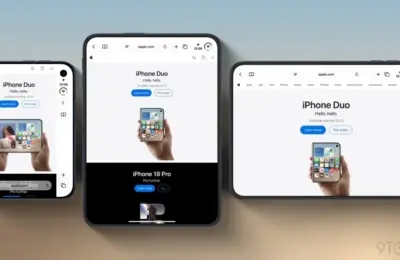
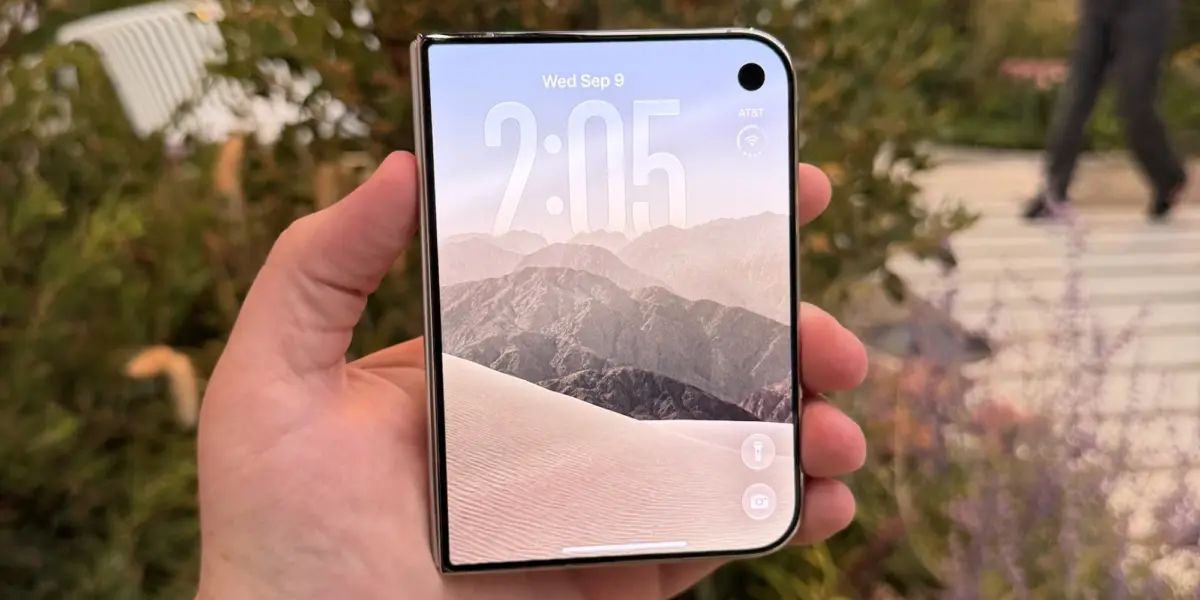
As the highly anticipated consumer release of the Apple iPhone Duo approaches this Friday, early adopters and tech analysts are combing through every detail of the new hardware ecosystem. While initial reviews praise the ambition, build quality, and display fidelity of Apple’s latest form factor, a notable software caveat has emerged. Apple has confirmed that a key accessibility feature designed to ease one-handed operation—Reachability—will not be available out of the box. Instead, the capability is slated for a software update rolling out later this year.
Unlike traditional iPhones, which have historically scaled upwards in height, prompting vertical accessibility solutions, the iPhone Duo introduces a radically different physical footprint. Its wider inner and outer displays present unique ergonomic challenges, particularly for users with smaller hands or those attempting to navigate the device on the go.
To address this, Apple is completely re-engineering Reachability. Rather than shifting the user interface downward vertically, the forthcoming iteration will slide elements horizontally. This pivot highlights Apple’s ongoing struggle to balance cutting-edge, expansive display technology with practical, one-handed usability—a challenge that has become increasingly pronounced as mobile form factors continue to evolve.
Detailed Chronology: The Evolution of Reachability and the Birth of the iPhone Duo
2014: The Birth of Reachability
To understand the significance of Apple’s upcoming software adjustment, one must look back at how the company has historically handled growing screen real estate. The concept of Reachability was first introduced to the iOS ecosystem in 2014 alongside the iPhone 6 and iPhone 6 Plus. Marking a departure from the smaller, thumb-friendly 3.5-inch and 4-inch screens of earlier generations, these new devices pushed Apple into the "phablet" territory.
Recognizing that users could no longer comfortably reach the top corners of the display with a single thumb, Apple implemented a clever UI trick. By double-tapping (and later, swiping down on) the Home bar or Touch ID sensor, the entire top half of the screen would slide down toward the bottom. This allowed users to interact with top-tier navigation bars, back buttons, and notification headers without awkwardly shifting their grip or risking a costly drop. Over the subsequent decade, this vertical shifting mechanism became a foundational accessibility and convenience tool across virtually every large-screen smartphone on the market.
The Modern Era: Wider Form Factors and Ergonomic Hurdles
Fast forward to the development of the iPhone Duo. As mobile engineering pushed into foldable and ultra-wide device categories, manufacturers found themselves grappling with dimensions that defied traditional smartphone ergonomics. The iPhone Duo features outer and inner displays that are noticeably wider than standard slab-style iPhones.
Early review units sent to major publications revealed a distinct design leaning: the operating system’s default user interface layout heavily favors right-handed operation. This bias leaves left-handed users or those with smaller hands struggling to bridge the gap across the breadth of the screen.
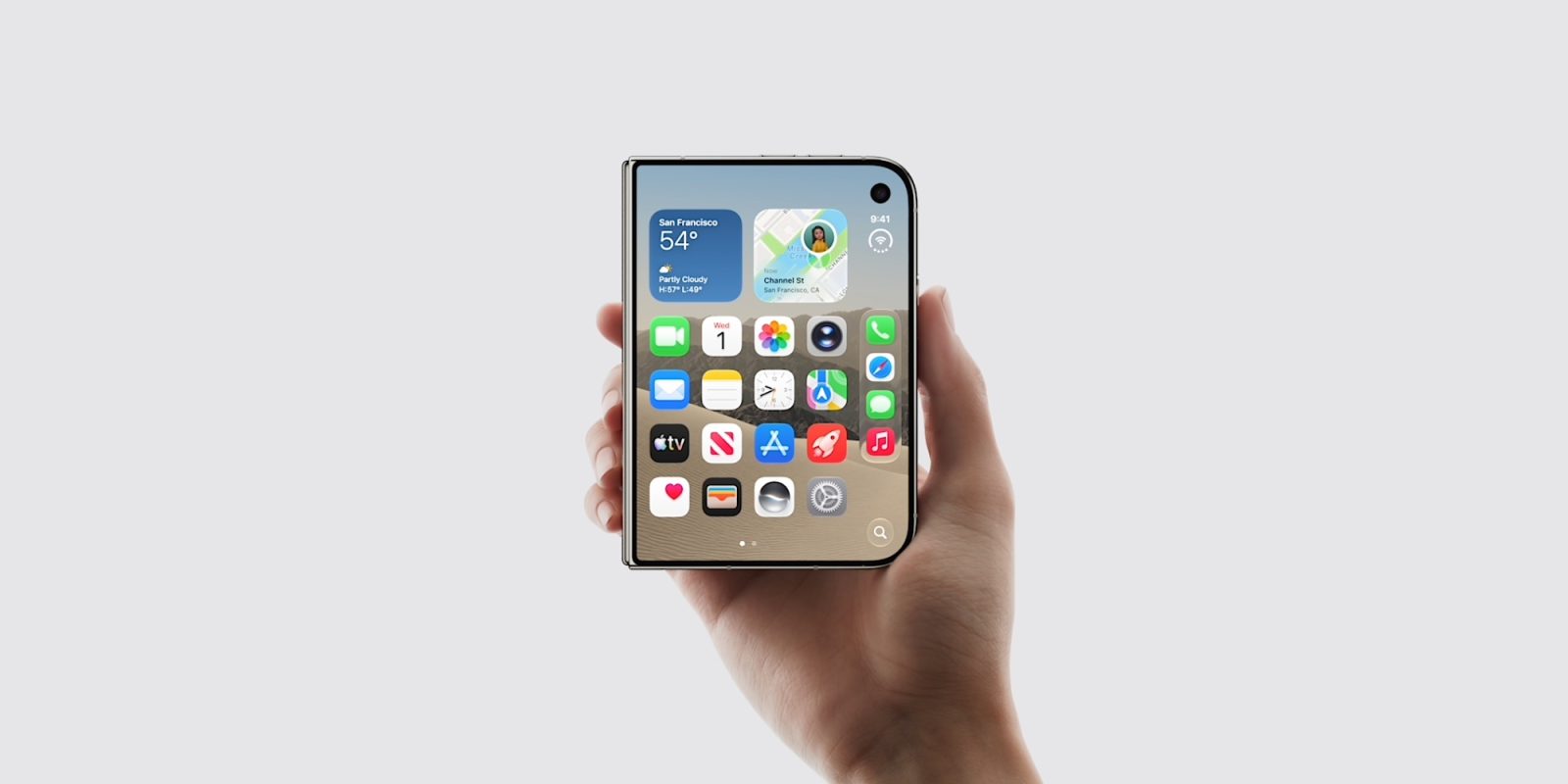
When early hardware leaks and review agreements lifted, reviewers quickly noted that standard vertical Reachability—while still useful for top-to-bottom navigation—did little to solve the lateral stretch required by the Duo’s wider aspect ratio.
The Coming Update: Shifting Horizons
According to reports from industry insiders, including Julian Chokkattu of WIRED, Apple recognized this ergonomic friction during late-stage user testing. The company’s engineering teams are currently developing a specialized, horizontal adaptation of Reachability for the iPhone Duo.
Rather than pulling the screen contents downward, this new gesture-based or tap-based utility will slide interface elements left or right, bringing distant edge-screen buttons and menus directly under the user’s thumb. However, because the software pipeline for this unprecedented horizontal layout requires further refinement and localization testing, Apple has opted to hold the feature back from the initial retail firmware, targeting a late-year software update window instead.
Supporting Context & Metrics: The Ergonomics of Wide Displays
To fully grasp why horizontal Reachability is critical for the iPhone Duo, it is essential to examine the physical dimensions and biometric data surrounding average human hand sizes relative to modern mobile hardware.
Biometric Realities of One-Handed Smartphone Use
According to ergonomic studies cited by human factors engineers in the mobile industry:
- The average adult human thumb has a comfortable operational radius of approximately 2.5 to 3.5 inches when gripping a standard mobile device.
- Devices exceeding a width of 3 inches generally require deliberate two-handed operation or frequent hand-shifting maneuvers to prevent repetitive strain injuries (RSIs) and accidental drops.
- Market data indicates that upwards of 65% of smartphone interactions occur while the user is standing, walking, or otherwise engaged in a secondary activity that leaves only one hand free.
With the iPhone Duo pushing past traditional width boundaries when unfolded or utilized in its primary wide-screen modes, the distance from the left bezel to the right bezel exceeds the comfortable span of a single thumb for a significant demographic of consumers.
+-------------------------------------------------------+
|              Traditional Vertical Reachability        |
|      (iPhone 6 through iPhone 16 / Standard Slabs)    |
|                                                       |
|   [Top UI Elements Move Downward]                     |
|   +-----------------------+                           |
|   |                       |                           |
|   |      App Content      |                           |
|   |                       |                           |
|   +-----------------------+                           |
|   |       Thumb Zone      |                           |
|   +-----------------------+                           |
+-------------------------------------------------------+

+-------------------------------------------------------+
|               New Horizontal Reachability             |
|                   (iPhone Duo Only)                   |
|                                                       |
|   [Left/Right UI Elements Slide Inward on Demand]     |
|   +-----------------------+                           |
|   | [Edge Content Shifted]|                           |
|   |        Center         |                           |
|   |        Focus          |                           |
|   +-----------------------+                           |
|   |      Thumb Zone       |                           |
|   +-----------------------+                           |
+-------------------------------------------------------+
Reviewer Consensus and the Right-Hand Bias
As highlighted in 9to5Mac’s comprehensive device review by Chance Miller, the iPhone Duo’s operating system leans heavily toward right-handed users. Critical menus, swipe-to-back triggers, and interactive cards frequently anchor themselves to the outer margins of the display.
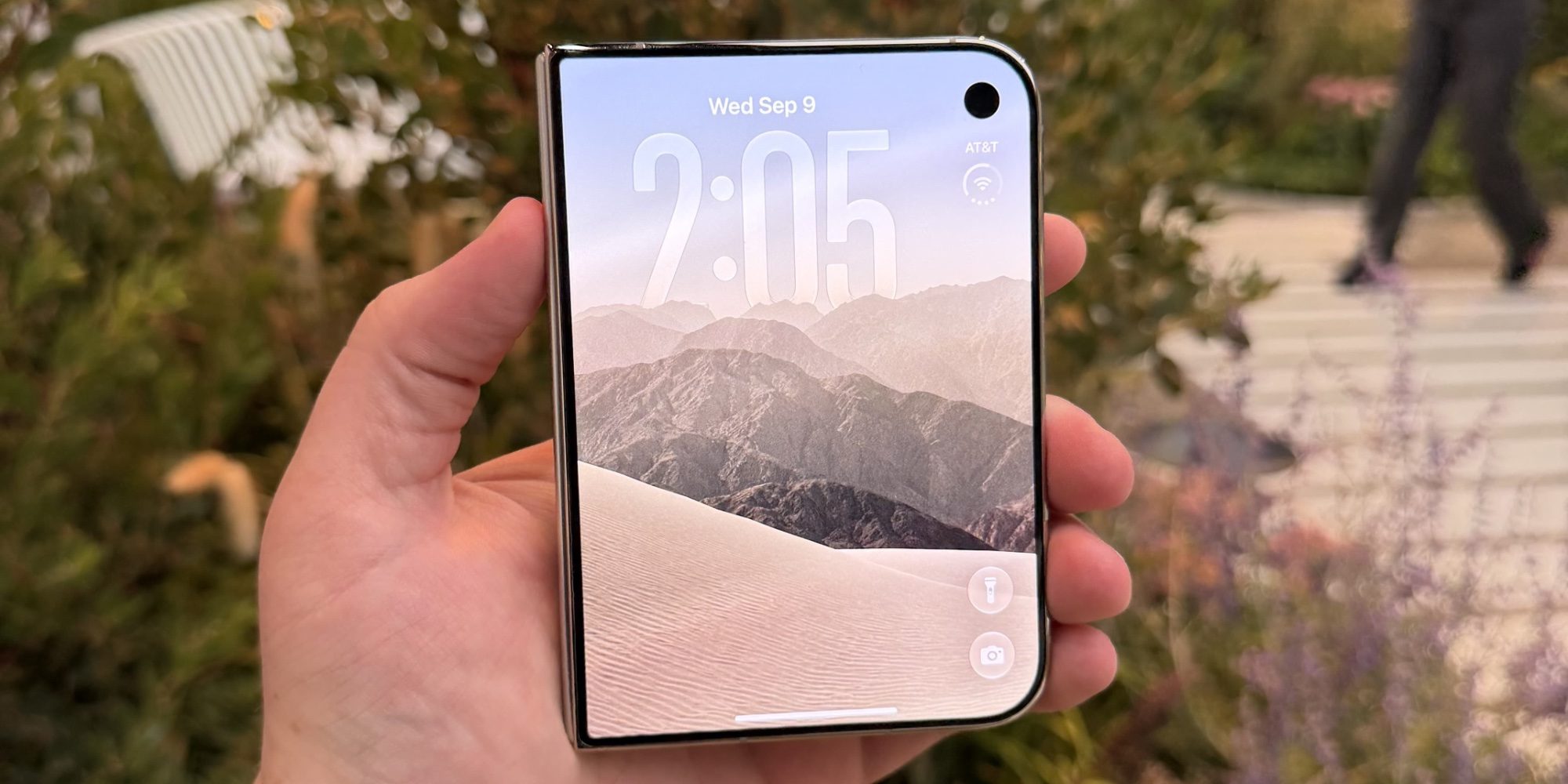
For right-handed users, anchoring the phone in the left palm allows the right thumb to sweep across the screen with relative ease. However, for left-handed consumers, accessing those same right-hand anchoring points without re-gripping the device becomes an exercise in frustration.
While the introduction of horizontal Reachability will not completely eliminate the inherent asymmetries of software design, it provides a crucial software-level safety net. By allowing users to pull the left or right edge of the screen toward the center with a simple tap, Apple is attempting to democratize usability across diverse hand sizes and dexterities.
Official Statements and Industry Reaction
Apple has maintained its typical tight-lipped stance regarding unreleased software features, focusing its primary marketing and PR push on the hardware innovations, battery performance, and display technology underpinning the iPhone Duo’s Friday launch.
However, tech journalists who have spent extensive time with pre-production review units have been vocal about the day-one software limitations. Julian Chokkattu’s reporting for WIRED brought the issue to the forefront of the tech community, noting:
"Apple plans to add Reachability later this year for the Duo, letting folks with small hands more easily access the left or right edges of the screen with a tap."
Industry commentators have praised Apple for proactively addressing the hardware’s ergonomic footprint, even if the timing of the software patch leaves early buyers temporarily reliant on two-handed operation. Consumer advocacy groups focused on tech accessibility have similarly weighed in, noting that while software delays are always disappointing, engineering a brand-new gesture framework—moving from vertical scaling to horizontal displacement—represents a complex programmatic challenge that demands rigorous testing.
Future Outlook: What the Delay Means for Consumers and Developers
The delayed rollout of horizontal Reachability on the iPhone Duo raises several important questions about the trajectory of iOS software development and the future of unconventional form factors.

1. Interim Workarounds for Launch Day Buyers
Consumers lining up to purchase the iPhone Duo this Friday will need to exercise patience and adopt temporary habits to manage the device’s wider displays:
- Two-Handed Navigation: Embracing a two-handed workflow, particularly when typing or navigating complex web layouts, remains the most reliable safeguard against dropping the device.
- Third-Party Accessibility Aids: Utilizing standard iOS accessibility settings, such as AssistiveTouch or custom Back Tap shortcuts, can help bridge the gap until the official horizontal Reachability update drops.
- Dominant Hand Adaptation: Left-handed users may find success by adjusting how they cradle the device, shifting the primary weight-bearing hand to match the operating system’s right-leaning bias.
2. Implications for iOS App Developers
Beyond Apple’s native system UI, the introduction of horizontal Reachability places new responsibilities on third-party app developers. Developers creating applications optimized for the iPhone Duo must ensure their custom navigation bars, floating action buttons, and side-menu drawers play nicely with Apple’s dynamic window scaling. If an app rigidly anchors critical buttons to the absolute outer extremes of the horizontal display without respecting system layout guides, users invoking horizontal Reachability may experience visual glitches or unresponsive touch targets.
3. A Precedent for Future Hardware Form Factors
The evolution of Reachability from a simple vertical drop to a sophisticated horizontal shift signals a broader shift in mobile UX design. As flexible displays, foldables, and multi-screen devices continue to mature, the traditional notion of "one-handed use" is being entirely rewritten. Apple’s willingness to rethink a decade-old software feature indicates that hardware innovation must be matched by equally agile software engineering.
As we look toward the later months of this year, all eyes will be on Cupertino to see how smoothly the horizontal Reachability update is integrated into iOS, and whether it successfully alleviates the ergonomic concerns voiced by early reviewers.
Are you planning to purchase the iPhone Duo this Friday, or are you concerned about one-handed usability? Does the promise of horizontal Reachability alter your purchasing decision? Share your thoughts in the comments below.