Executive Overview
For the better part of half a decade, Apple’s smart home hardware lineup—anchored primarily by the HomePod mini and the Apple TV 4K—has languished in a state of quiet stagnation. While other tech giants aggressively iterated on smart displays, security hubs, and conversational AI integrations, Cupertino’s home-focused division seemed to pause. Industry analysts and everyday consumers alike have spent the last few years wondering when, or if, Apple would revitalize its footprint in the living room.
The primary bottleneck holding back these hardware developments has been an open secret within the tech industry: Siri. Apple’s legacy voice assistant simply lacked the underlying conversational depth, contextual awareness, and localized processing power required to anchor a next-generation smart home ecosystem.
Now, the landscape is shifting dramatically. With the rollout of Apple Intelligence and the reimagined, AI-driven Siri finally materializing, the floodgates are set to open. Apple is preparing for what can only be described as a comprehensive, multi-year smart home hardware overhaul. From imminent chip-bump refreshes to entirely new product categories—including wall-mounted smart hubs, proprietary security cameras, doorbells, and even tabletop robotics—Apple is gearing up to challenge competitors like Amazon, Google, and Ring head-on.

This deep dive explores the upcoming roadmap for Apple’s home product ecosystem, analyzing what is launching this fall, what is slated for early next year, and what futuristic concepts are waiting just over the horizon.
Detailed Chronology: The Apple Home Roadmap
Apple’s product pipeline for the smart home is structured across three distinct rollout phases. This phased approach allows the company to first modernize its existing stalwarts with AI-capable silicon before introducing brand-new form factors and accessories.
Phase 1: Imminent Releases (Fall 2026)
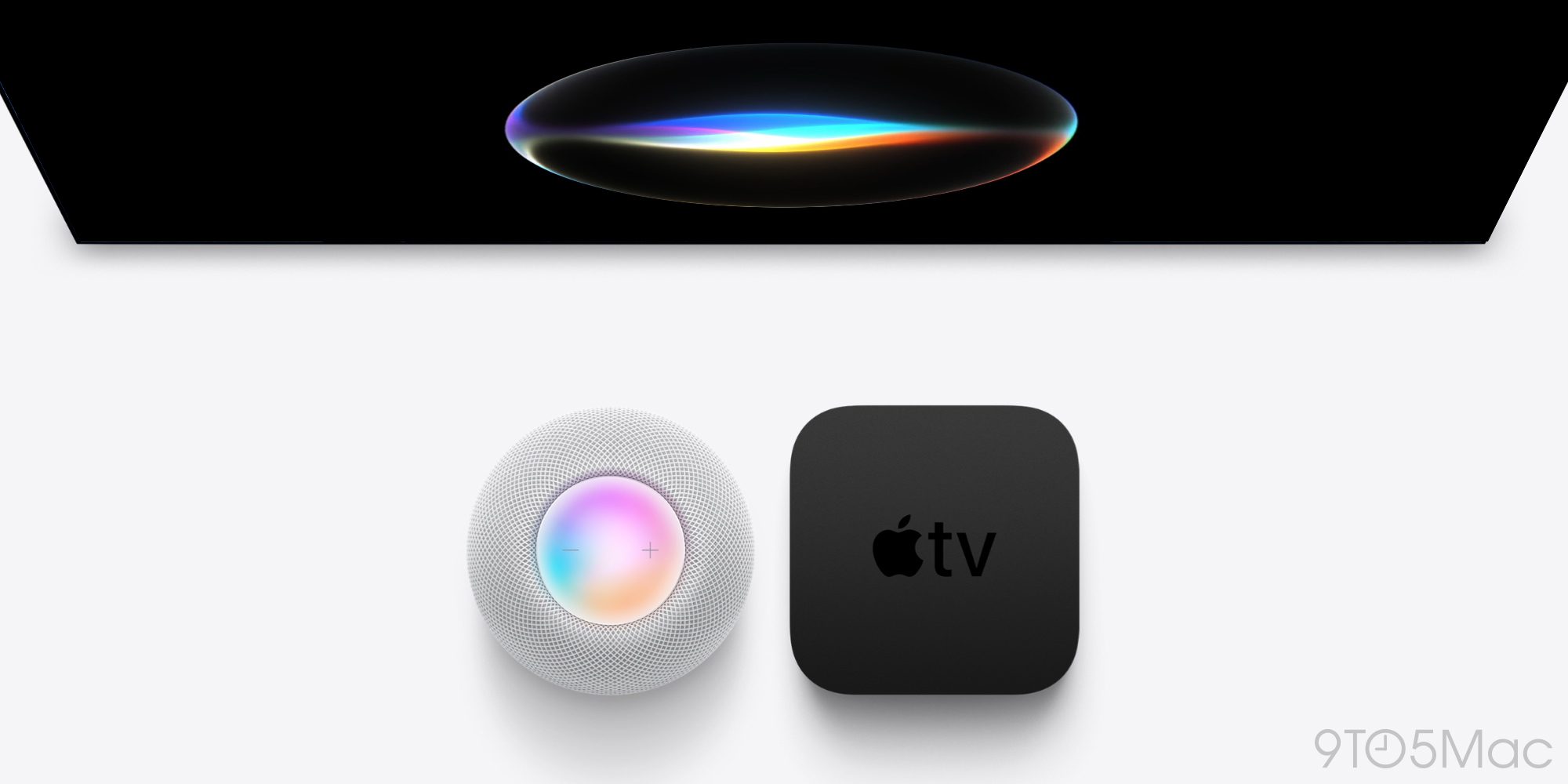
The revitalization kicks off this fall with iterative, yet vital, updates to Apple’s current hardware mainstays: the HomePod mini 2 and the Apple TV 4K.
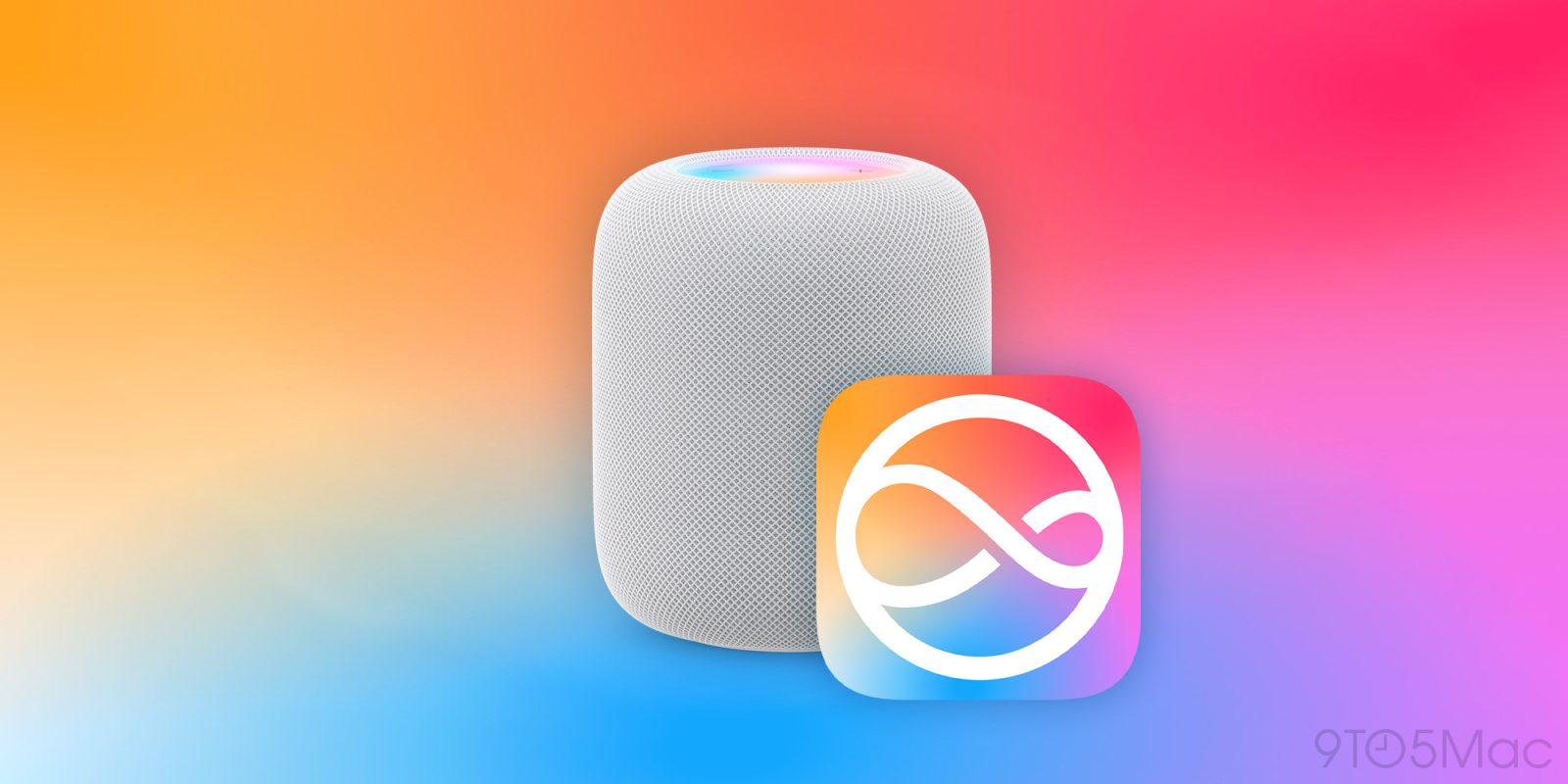
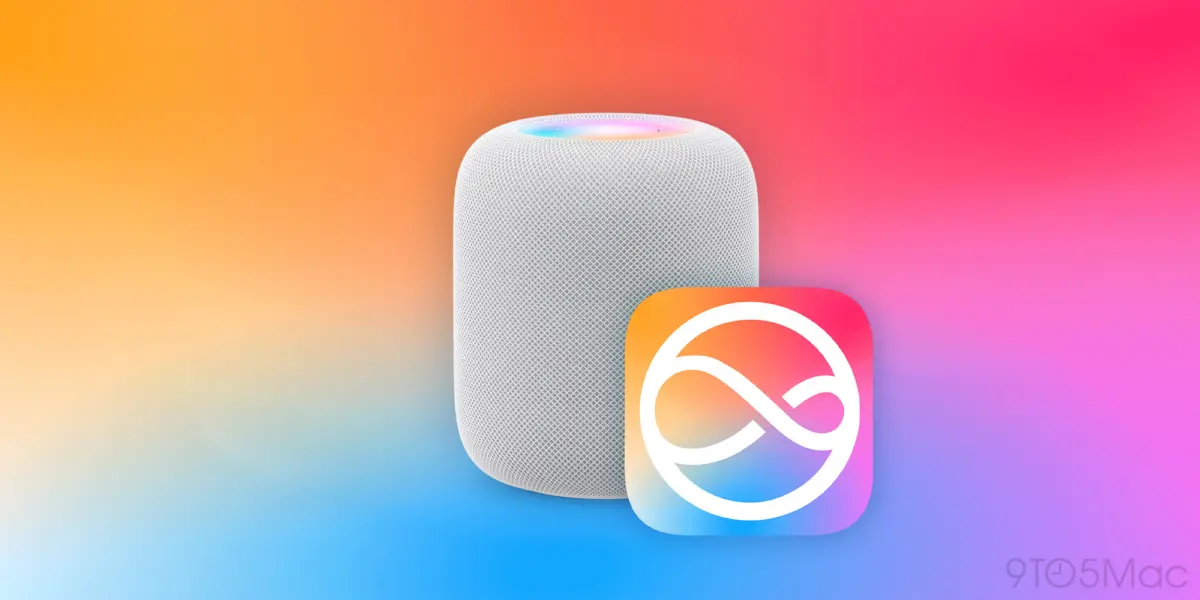
HomePod mini 2
- The Upgrade: The original HomePod mini, beloved for its compact size and surprisingly robust audio performance, has relied on the aging S5 chip since its debut. The upcoming iteration is slated for a massive internal overhaul, jumping straight to the S9 chip (or potentially even newer silicon).
- New Features: Alongside the processing bump, reports indicate the inclusion of a new wireless chip—likely the N1 hardware that debuted in recent iPhone generations—alongside subtle acoustic improvements and fresh colorways.
- The AI Factor: More important than the hardware tweaks is software compatibility. The S9 chip ensures that the new HomePod mini will fully support advanced Siri AI capabilities locally, transforming it from a basic music streamer and timer into a deeply contextual home assistant.
- Pricing: Reports suggest Apple aims to keep pricing stable, maintaining the $129 price point introduced following earlier summer price adjustments.
Apple TV 4K
- The Upgrade: Apple’s premier streaming box is also due for a refresh, moving from the current A15 Bionic chip to the A17 Pro. While some tech enthusiasts may note that the A17 Pro is already a few years old by contemporary smartphone standards, it represents a monumental leap in processing power for a set-top box.
- New Features: Beyond raw speed and AV1 decoding enhancements, this chip transition is entirely about meeting the computational demands of Apple Intelligence. The A17 Pro will allow select Apple Intelligence features to run locally on the device rather than relying exclusively on cloud servers. Rumors also point toward a subtly redesigned Siri Remote.
- Pricing: The updated Apple TV 4K is expected to hover around its current $199 starting price.
Phase 2: Mid-Term Debuts (Late 2026 to Early 2027)
Moving beyond traditional form factors, Apple is finally ready to enter the dedicated smart display market—a space dominated for years by Google Nest and Amazon Echo Show devices.
The First Smart Home Hubs ("HomePad")
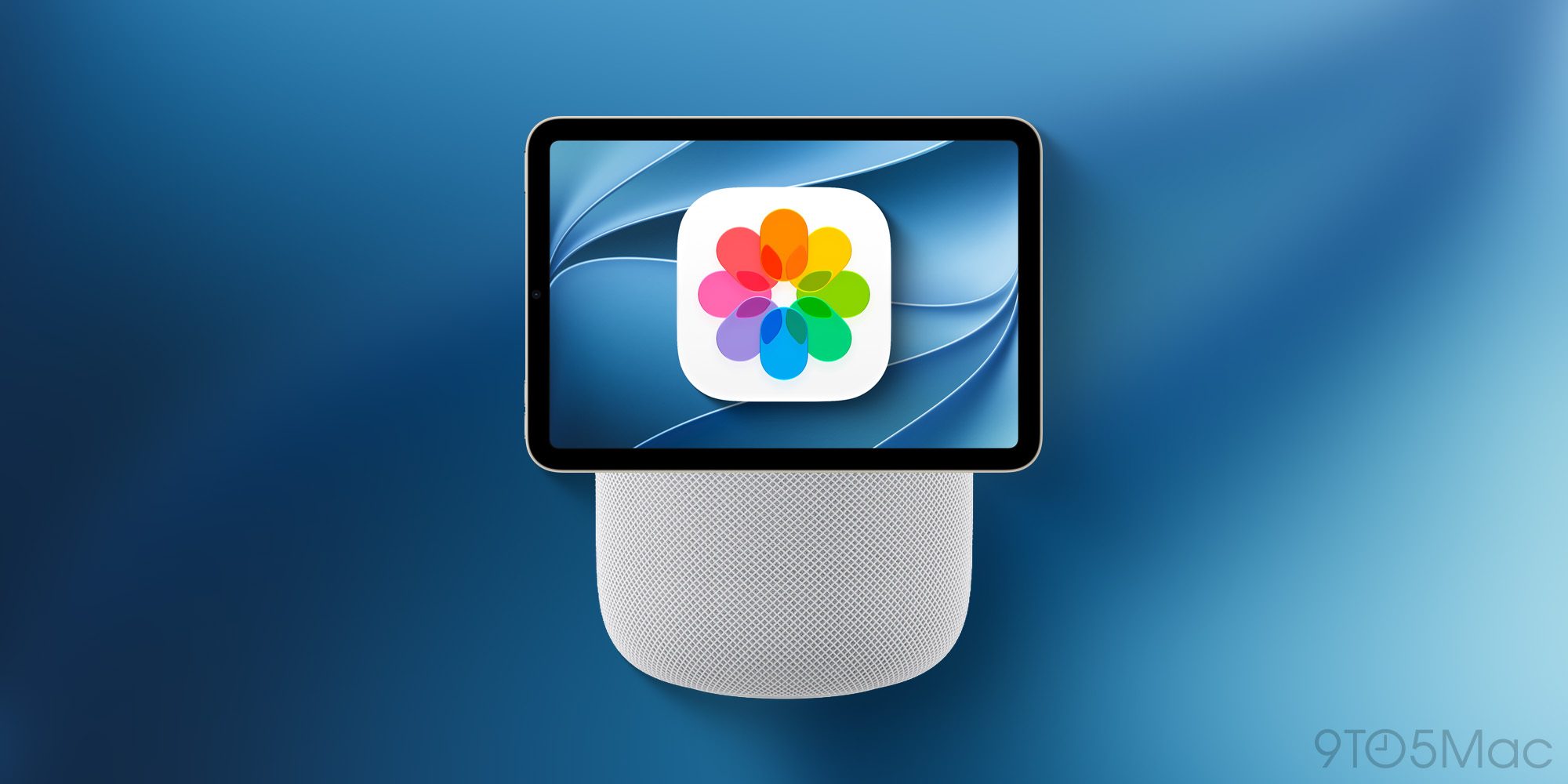
- Form Factors: Apple has two distinct variants of its inaugural smart home hub nearing production. The first is a standalone, ultra-thin touchscreen display designed to mount easily to walls using a proprietary magnetic system. The second version features an integrated speaker base, positioning it as a direct competitor to the Google Nest Hub.
- Launch Window: Industry tracking places the release window anywhere between October and early next year, meaning it could either accompany the fall hardware drops or arrive as a standalone winter/spring event.
- Under the Hood: Powered by the robust A18 chip, these devices will run an internally dubbed operating system tentatively referred to as homeOS.
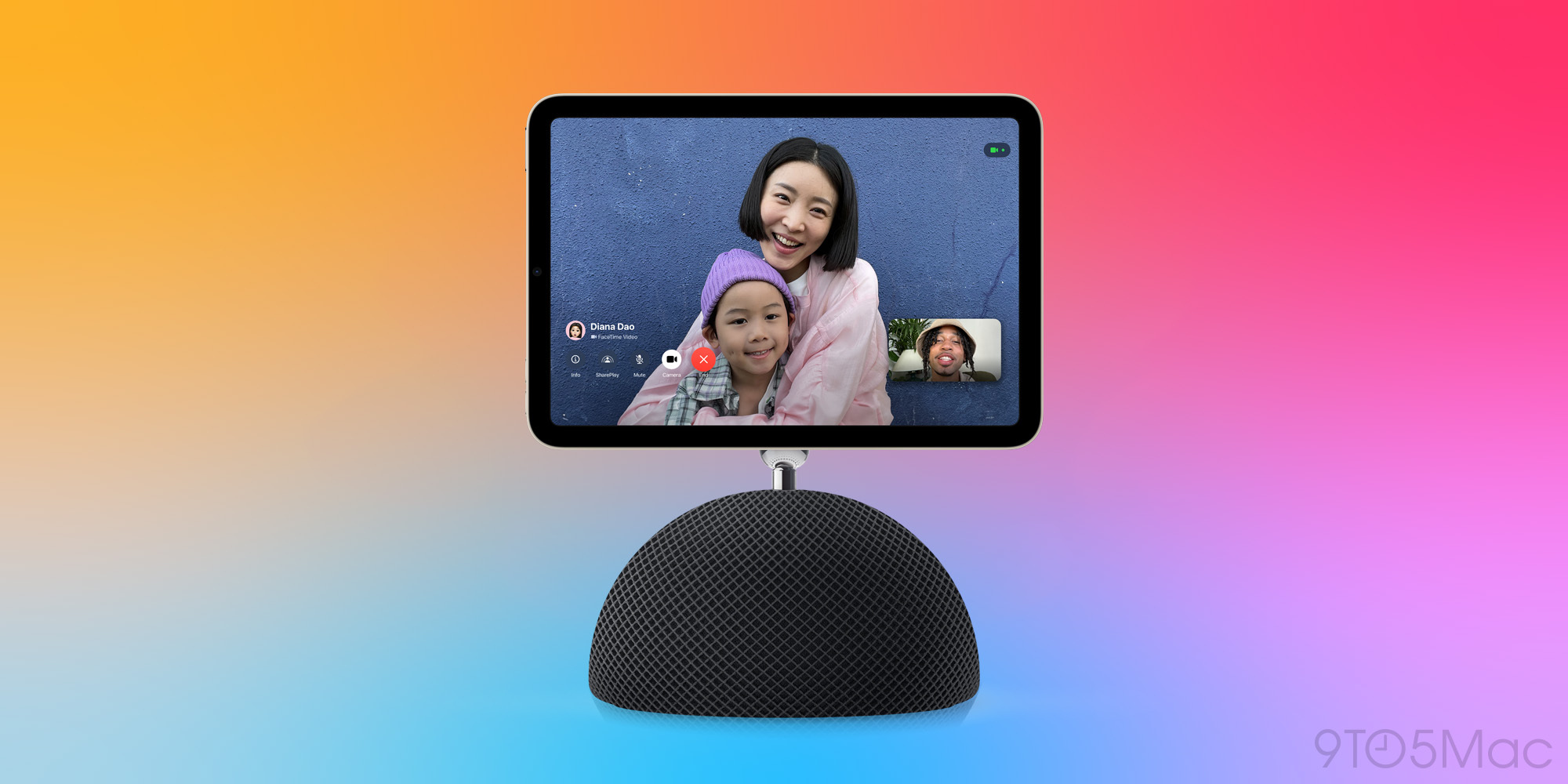
- Capabilities: The "HomePad" will act as the ultimate centralized command center for Apple users. It will support crystal-clear FaceTime video calls, deep integration with Siri AI for natural conversational queries, and comprehensive HomeKit/Matter device management.
Full-Size HomePod Refresh
While timelines remain slightly more fluid, supply chain reports indicate that a modernized version of the full-size HomePod is also in active development. Like its smaller sibling, this high-end speaker will receive a contemporary chip upgrade to ensure seamless integration with the expanded Siri AI feature set.
Phase 3: Long-Term Horizons (2027 and Beyond)
Looking further down the road, Apple’s ambitions extend well beyond control panels and speakers, pushing into home security and consumer robotics.
Proprietary Security Ecosystem
In a strategic shift from pure software orchestration to hardware manufacturing, Apple is preparing to release its own branded security hardware. This includes:
- An Apple Smart Security Camera: Designed to integrate natively with HomeKit Secure Video, prioritizing end-to-end encryption and local processing.
- An Apple Smart Doorbell: Rumored to leverage advanced facial recognition technologies (potentially tying into Face ID algorithms) to identify family members and frequent visitors at the front door.
The Tabletop Robotic Display
Perhaps the most ambitious product in Apple’s long-term R&D pipeline is an advanced evolution of the smart home display. This high-end device will feature a larger 9-inch touchscreen mounted to a motorized robotic arm. Described by insiders as a "tabletop robot," the display will dynamically swivel, tilt, and track users around a room during FaceTime calls or interactive cooking sessions, marrying ambient computing with physical motion.
Supporting Context & Metrics: Why Now?
To understand the urgency behind Apple’s smart home push, one must look at the macro trends of the consumer electronics market over the last four years.
| Metric / Factor | Previous State (2020–2024) | Current State (2026 & Beyond) |
|---|---|---|
| Average Device Age | 4 to 6 years (Stagnant hardware) | Actively refreshing with S9, A17 Pro, and A18 chips |
| Siri Capability | Rule-based, reactive, frequently criticized | Localized Large Language Models (LLMs) via Apple Intelligence |
| Ecosystem Reach | Software-only (HomeKit, Matter) | Expanding into proprietary hardware (Cameras, Doorbells, Hubs) |
| Core Processor Baseline | S5 (HomePod mini) / A15 (Apple TV) | S9, A17 Pro, A18 for advanced on-device AI |
The primary driver behind this renaissance is the maturation of on-device machine learning. Historically, home devices operated on constrained processors because voice assistants did not require heavy local compute; simple cloud-based API calls for weather and music playback were sufficient.
However, generative AI and context-aware virtual assistants demand robust neural engines. By outfitting the HomePod mini 2 with an S9 chip and the Apple TV 4K with an A17 Pro, Apple is future-proofing its living room lineup. Users will no longer experience the frustrating latency or limited command recognition that plagued earlier generations of Siri.
Official Statements & Industry Insights
While Apple has historically maintained a strict policy of silence regarding unannounced products, commentary from industry insiders—most notably Bloomberg’s Mark Gurman and supply chain analysts across Asia—has painted a vivid picture of internal corporate strategy.
According to reports leaking from Cupertino, executive leadership identified the smart home division as a critical growth vector that was being bottlenecked by software readiness. With Apple Intelligence now deployed across iPhones, iPads, and Macs, the infrastructure is finally stable enough to scale down into ambient home hardware.
Furthermore, internal memos leaked earlier this year suggest that Apple views the home not merely as an extension of the iPhone, but as a central nervous system for daily life. By combining ambient displays, spatial audio, proprietary security, and robotics, Apple aims to capture consumer loyalty in rooms where smartphones are typically set aside.
Future Outlook: Can Apple Win the Living Room?
Apple enters the smart home hardware race at an interesting juncture. Amazon and Google have spent years saturating the market with inexpensive Echo and Nest displays, establishing deep footholds in millions of households. However, those competing ecosystems have increasingly struggled with monetization, user privacy concerns, and conversational limitations.

Apple’s calculated entry relies on three distinct competitive advantages:
- Privacy-First Architecture: By leveraging local processing via Apple Intelligence and secure cloud relays (Private Cloud Compute), Apple can offer advanced smart home automation without compromising user data—a major pain point for competitors.
- Ecosystem Synergy: For consumers already entrenched in the Apple ecosystem—utilizing iPhones, Apple Watches, MacBooks, and AirPods—adding a "HomePad" or an AI-powered HomePod mini feels like a seamless extension of their digital lives rather than onboarding a fragmented third-party service.
- Hardware-Software Co-Design: By building custom silicon (like the A18 powering the upcoming smart hubs and homeOS), Apple maintains end-to-end control over latency, energy efficiency, and feature performance.
As we look toward the fall of 2026 and into 2027, the slumber of Apple’s smart home division is officially coming to an end. For consumers who have waited years for Cupertino to take the living room seriously, the upcoming wave of hardware promises to redefine what a smart home can, and should, be.