Executive Overview
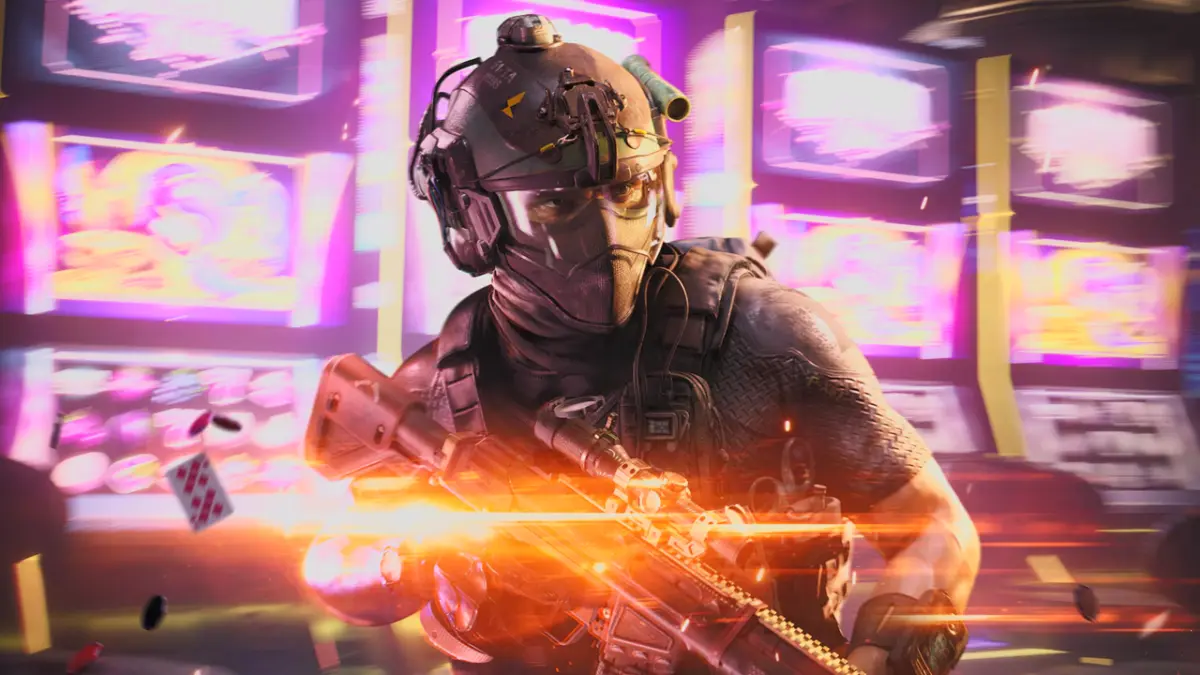
The launch of Battlefield 6 Season 5 was meant to be a celebratory milestone for Battlefield Studios and Electronic Arts (EA), introducing fresh maps, a highly anticipated Dead Space crossover, and new community events. Instead, the update triggered an unexpected firestorm across social media platforms like X (formerly Twitter), Reddit, and Discord. At the center of the controversy are two bizarre cosmetic additions: a character skin featuring an apparent typo on an armband and another sporting an astonishing five pistol holsters.
These visual anomalies quickly ignited a fierce debate within the gaming community, prompting rampant speculation that EA and Battlefield Studios had utilized generative artificial intelligence (AI) to produce low-effort microtransactions. The backlash struck a nerve, highlighting broader player anxieties regarding the commercialization of modern live-service games, rising cosmetic price points, and the perceived erosion of traditional artistic craftsmanship.
In response to the mounting pressure, Battlefield Studios took to its official Discord server to issue a frank statement addressing community concerns. The developers confirmed that the misspelled armband will be corrected in an upcoming November patch, attributing the error to an oversight in quality control. However, they defended the multi-pistol design as an intentional, albeit exaggerated, creative nod to classic action movie tropes.
While the developers’ swift communication has tempered some of the initial outrage, the incident has left lingering questions. Notably, the studio’s statement sidestepped direct accusations regarding generative AI and broader workflows, leaving the community to scrutinize the developer’s internal pipelines. As Battlefield 6 continues its multi-wave seasonal rollout, this episode serves as a cautionary tale about the delicate balance between rapid content delivery and maintaining the stringent aesthetic standards expected by a passionate player base.
Detailed Chronology of the Controversy
The sequence of events unfolded rapidly following the deployment of Battlefield 6 Season 5 on October 13, 2026. What follows is a detailed timeline of how the cosmetic controversy erupted, captured the attention of mainstream gaming outlets, and forced a developer intervention.
Phase 1: The Initial Discovery (October 13, 2026)
Within hours of the Season 5 update going live, players exploring the new Battle Pass and store bundles began scrutinizing the newly added operator skins. Dedicated dataminers and sharp-eyed community members posted screenshots highlighting glaring visual errors.
The first major point of contention was discovered on the McNeil operator skin. An armband bearing text intended to read "Security" instead displayed the misspelled, non-existent word "Secuty." A prominent community tracking account, Battlefield Intel, shared the image on X with the caption: "Secuty 🫠 It’s AI." The post immediately went viral, generating thousands of engagements and fueling suspicions that developers were cutting corners by using automated text-to-image generators.
Shortly thereafter, a second cosmetic drew ridicule: the "Midnight Mirage" skin. Screenshots revealed that the operator model was outfitted with a staggering five separate pistol holsters strapped across various parts of the tactical gear. Another viral post from Battlefield Intel quipped: "💥 BRO IS CARRYING 5 PISTOLS! WHO APPROVED THIS SKIN?"
Phase 2: Escalation and Generative AI Accusations (October 14–16, 2026)
The simultaneous appearance of a textual typo and an absurd tactical configuration proved toxic for the game’s public relations. Players began connecting these anomalies to prior community debates surrounding the authenticity of modern cosmetic design. Forums on Reddit and specialized boards flooded with threads accusing EA of pushing AI-generated assets into a triple-A release.
Critics pointed to previous rumors and alleged visual oddities—such as weapons featuring nonsensical components or impossible geometry—as proof of a systemic shift toward automated asset generation. The discourse quickly expanded beyond mere memes, transforming into a serious critique of the value proposition behind Battlefield 6‘s premium pricing structures, which often see cosmetic packs priced upwards of $20.
Phase 3: The Developer Response (October 17, 2026)
Recognizing the potential for long-term brand damage, Battlefield Studios intervened on October 17. Addressing the community directly via the official Battlefield 6 Discord server, development representatives acknowledged the backlash head-on.
The studio confirmed that the "Secuty" typo was indeed a mistake that slipped past internal quality assurance and promised a definitive fix in the upcoming November patch. However, they pushed back against the narrative surrounding the five-pistol outfit, clarifying that the design choice was a deliberate artistic decision rather than an algorithmic artifact. Despite offering transparency regarding these specific items, the studio’s statement omitted any direct confirmation or denial regarding the use of generative AI tools in their asset pipelines, leaving certain segments of the fanbase unsatisfied.
Supporting Context & Metrics: Cosmetics, Pricing, and Player Sentiment
To fully understand why a misspelled armband and an excessive number of pistol holsters caused such a massive uproar, one must examine the historical context of player sentiment surrounding Battlefield 6 cosmetics since the game’s launch in October 2025.
The Evolution of Battlefield 6 Customization
Historically, the Battlefield franchise prided itself on a relatively grounded, militaristic aesthetic. While past iterations included unorthodox customization options, the transition into a live-service framework for Battlefield 6 introduced a wider array of stylized operator skins, colorful weapon wraps, and thematic crossover events (such as the current Dead Space collaboration).
This shift has created an ideological divide within the player base. A vocal segment of the community prefers gritty, realistic tactical gear that aligns with historical or plausible modern-day military operations. Conversely, publishers often rely on flashy, eye-catching cosmetics to drive microtransaction revenue in live-service titles. When premium cosmetics miss the mark—whether through stylistic excess or glaring production errors—they become flashpoints for broader frustrations over monetization.

Pricing Pressures and Value Perception
Compounding the issue is the financial investment required to acquire these items. With cosmetic packs frequently commanding high prices, players maintain rigorous standards for quality control. When an outfit costing the equivalent of a standalone indie game exhibits basic spelling mistakes or nonsensical physical layouts (like five sidearms), it shatters the illusion of premium craftsmanship.
Multiplayer Reception vs. Cosmetic Backlash
Interestingly, the visual design controversy stands in stark contrast to the critical reception of the game’s core gameplay loop. Upon release, IGN awarded Battlefield 6 multiplayer an impressive 8/10, praising its "well-layered action and dynamic destruction" and noting that the multiplayer "hits in all the places where it counts most."
Because the underlying game mechanics remain robust and widely appreciated by fans, cosmetic missteps often provoke disproportionate amounts of scrutiny. For many players, an exceptional shooter experience marred by sloppy storefront additions feels like an unnecessary blemish on an otherwise well-crafted product.
Official Statements and Developer Transparency
The official statement released by Battlefield Studios on October 17 offers a fascinating glimpse into corporate crisis communication and internal accountability. Rather than deflecting blame or ignoring the community, the development team adopted a conciliatory and reflective tone.
Addressing Quality Control and the Typo
Regarding the McNeil skin’s "Secuty" typo, the studio did not attempt to justify the error. Instead, they validated the community’s eagle-eyed observations:
"You called it out clearly, and we hear your concerns… To be completely frank: Items that miss the mark like this do not reflect the quality standards you expect from us, or that we set for ourselves. We take pride in the craft of our world and our gear, and seeing visual oddities slip through is frustrating for everyone. We are currently examining our internal processes and workflows to pinpoint how these issues occurred and to see how we can tighten our quality control process going forward. Thank you for holding us to high standards."
This admission signals an internal audit of the studio’s asset-approval pipeline. By promising a fix slated for the November seasonal update, Battlefield Studios demonstrated a commitment to rectifying tangible production mistakes.
Defending the Creative Intent of "Midnight Mirage"
While the typo was classified as an oversight, the studio firmly stood by the design choices behind the Midnight Mirage skin and its five pistol holsters. The developers explained that the aesthetic was designed to lean into cinematic exaggeration:
"This is an intentional creative concept—a nod to over-the-top action movie tropes where an operative inexplicably has another backup weapon strapped to every spare inch of gear. That said, we understand how this could look unintentional when released alongside other cosmetic anomalies."
By framing the design as a satirical nod to action cinema, the studio attempted to reclaim the narrative. However, they conceded that timing played a negative role; releasing a satirical, hyper-exaggerated skin right alongside a genuine typographical error created a compounding perception of sloppiness.
The AI Elephant in the Room
Despite addressing the specific design complaints, the developer statement notably omitted any direct reference to the widespread accusations regarding generative AI. In an era where game studios face intense scrutiny over the ethical and legal implications of AI-generated art, text, and code, silence on the matter can invite further speculation. While the studio defended the concept of the multi-pistol skin, they did not explicitly clarify whether AI tools were utilized in generating textures, concepts, or promotional materials—leaving a vital gap in their transparency efforts.
Future Outlook: Season 5 Roadmap and Community Relations
As Battlefield 6 moves past this initial PR hurdle, the development team faces the challenge of maintaining momentum through the remainder of the Season 5 content cycle.
The Season 5 Content Schedule
Season 5 is structured as a multi-wave rollout designed to keep player engagement consistently high over the coming months:
- Wave 1 (Active Now): Launched alongside the controversy, this initial phase introduced the Vegas Strip and Area 51 maps, alongside the headline-grabbing Dead Space crossover event.
- Wave 2 (November 10): Scheduled to bring the new European Casino map, accompanied by fresh tactical tools and specialized community events. This update will also serve as the deployment window for the promised fix to the McNeil skin’s typographical error.
- Wave 3 (December 8): Set to introduce comprehensive map updates for Blackwell Fields and New Sobek City, alongside additional gameplay adjustments and winter content.
Moving Forward: Rebuilding Trust
The overarching success of Battlefield 6 depends heavily on the studio’s ability to maintain an open, trustworthy dialogue with its player base. The rapid response to the Season 5 cosmetics controversy indicates that Battlefield Studios monitors community sentiment closely and is willing to course-correct when visual standards slip.
However, as live-service ecosystems continue to evolve, developers must navigate the fine line between creative experimentation and professional polish. Whether this incident prompts long-term changes to EA’s asset review workflows—and whether future updates will provide greater clarity on the use of modern development technologies like generative AI—remains to be seen. For now, the community will undoubtedly continue to hold the developers to the high standards they claim to champion.