Executive Overview
When Toei Animation first announced Dragon Ball Super: Beerus, the news was met with a heavy wave of community skepticism and fatigue. After all, the fandom had traversed this narrative territory twice before—initially through the cinematic spectacle of Dragon Ball Z: Battle of Gods (2013) and subsequently in the rushed, poorly managed opening arc of the 2015 Dragon Ball Super television series.
To many longtime enthusiasts, the prospect of witnessing Beerus’ awakening, Goku’s attainment of Super Saiyan God, and the ensuing clash on King Kai’s planet for a third time felt redundant. Major milestones within the manga—such as the highly anticipated Galactic Patrol Prisoner arc featuring the ancient sorcerer Moro—remained conspicuously unadapted on screen. Re-entering a well-worn story arc seemed like an unnecessary narrative detour.
However, following the world premiere of Beerus at New York Comic Con 2026, those initial reservations evaporated. Far from being a lazy, cash-grab asset flip or a superficial coat of digital paint, Dragon Ball Super: Beerus represents a calculated, highly polished creative course-correction.
By taking structural cues directly from the Dragon Ball Super manga—written and illustrated by Toyotarou under the conceptual guidance of the late Akira Toriyama—this new adaptation strips away the padding of the 2015 broadcast. It introduces deliberate pacing, striking chiaroscuro lighting, visceral fight choreography, and a genuine sense of cosmic dread. For a franchise celebrating over four decades of global cultural impact, Beerus is not merely a retelling; it is an authoritative reclamation of Toriyama’s foundational vision for modern anime.
Detailed Chronology: From Big Screen to Small Screen and Beyond
To truly understand why Dragon Ball Super: Beerus feels like a monumental shift, one must examine the tumultuous history of how this specific narrative era has been handled over the past decade.
1. The Cinematic Blueprint (2013)
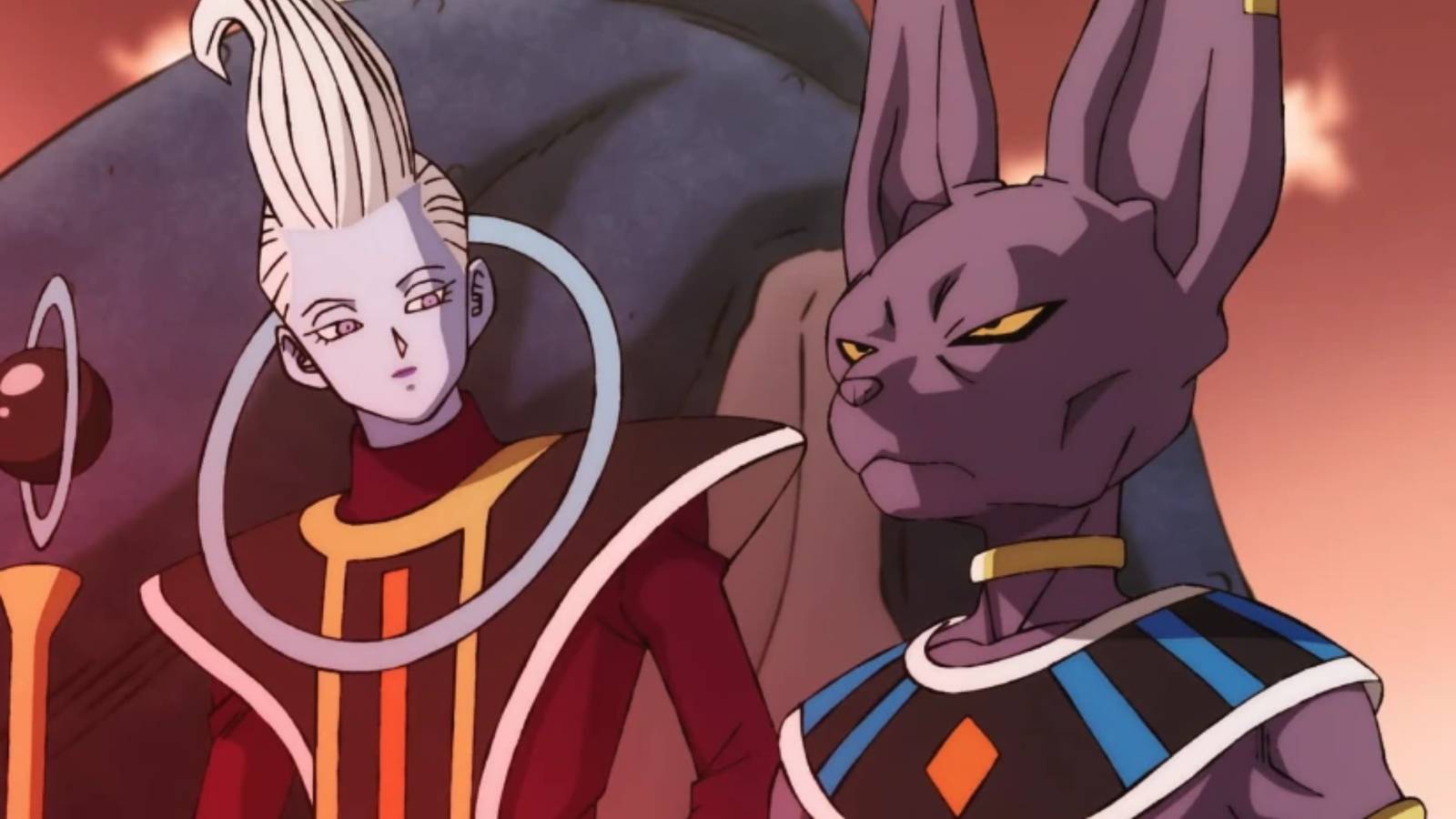
The modern era of Dragon Ball was effectively resurrected by Dragon Ball Z: Battle of Gods. Written by franchise creator Akira Toriyama as a direct narrative continuation of the original manga’s Majin Buu saga, the film introduced the capricious God of Destruction, Beerus, and his angelic attendant, Whis. The movie balanced lighthearted situational comedy with high-stakes martial arts action, establishing a fresh paradigm where Earth’s defenders were entirely outclassed by divine entities. While critically and commercially successful, its feature-film runtime necessitated narrative compression.
2. The 2015 Television Adaptation and Its Pitfalls
Capitalizing on the film’s success, Toei Animation launched the Dragon Ball Super weekly television series in July 2015. Unfortunately, the production pipeline was severely compromised from day one. Plagued by an expedited production schedule that immediately followed the release of Resurrection ‘F’, animators were subjected to crushing weekly deadlines with virtually zero lead time.
The resulting adaptation of the Battle of Gods arc became infamous. Episodes featured rigid anatomy, flat digital shading, and wildly inconsistent character designs—most notably encapsulated by the universally memed animation in Goku’s initial battle with Beerus on King Kai’s planet. Furthermore, the 2015 anime padded the narrative with unnecessary filler, diluting the terrifying gravitas of a villain whose mere sneeze could obliterate star systems.
3. The 2026 NYCC Premiere and Re-Evaluation
The debut screening at New York Comic Con 2026 fundamentally shattered expectations. Rather than fast-tracking the narrative to reach familiar milestones, the premiere episode of Beerus establishes a deliberate, atmospheric rhythm.
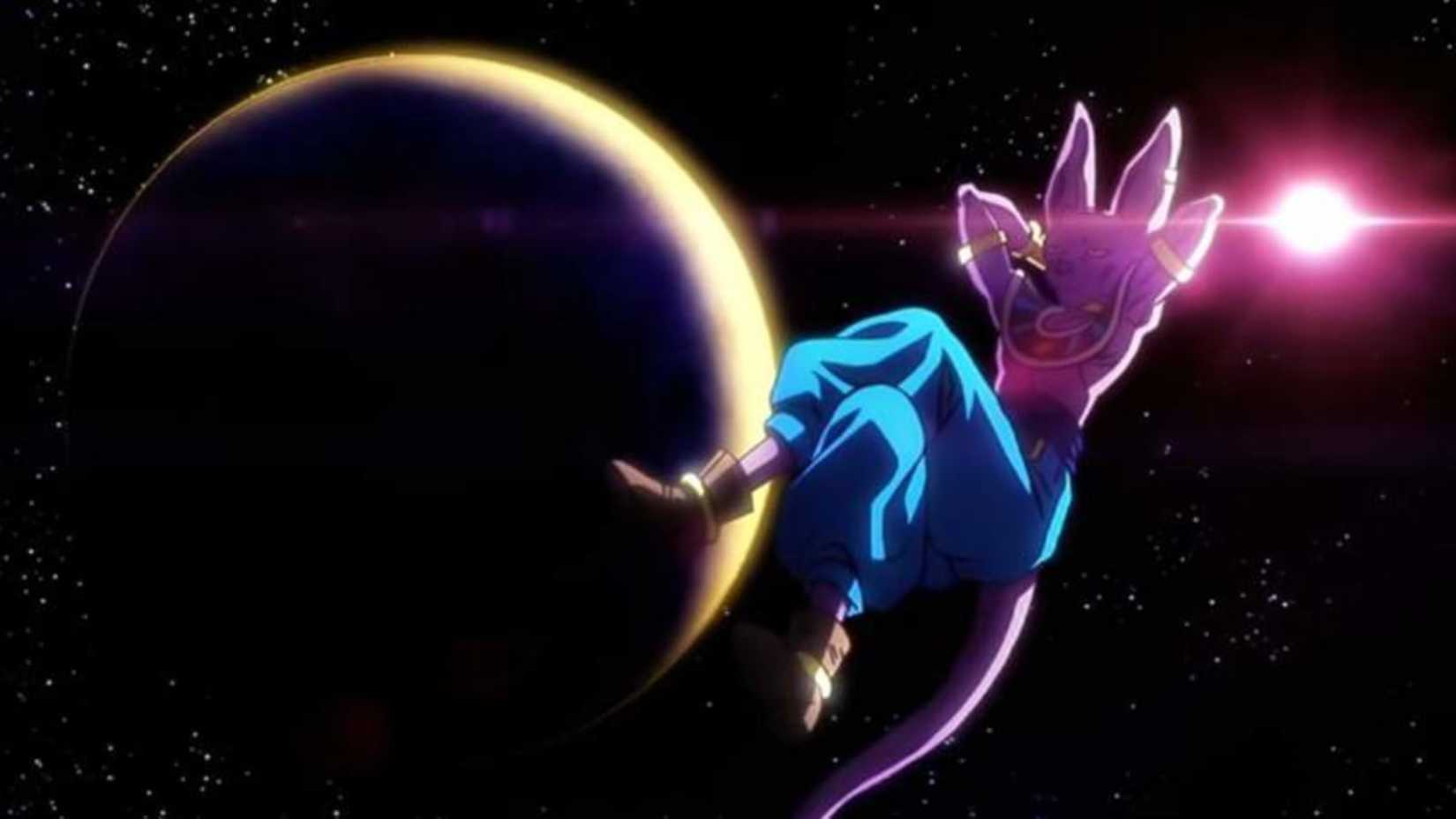
The episode opens with an extraordinary, franchise-spanning sequence that honors Dragon Ball history while showcasing fluid, modern animation standards. It immediately pivots to quiet, character-driven moments: Goku is framed in his daily routine as a hardworking radish farmer, contrasted against deep-space shots of Beerus slowly rousing from a multi-decade slumber. This measured approach grants the narrative room to breathe, establishing emotional resonance and spatial weight before the cosmic stakes ever materialize.
Supporting Context & Metrics: Analyzing the Visual and Structural Evolution
The transformation from the 2015 iteration of Dragon Ball Super to the 2026 Beerus adaptation is best understood through structural production metrics and aesthetic choices.
Production Constraints vs. Creative Freedom
- The 2015 Weekly Grind: Produced under an unforgiving weekly television schedule, the original anime utilized digital shortcuts, resulting in flat lighting, minimal background texturing, and a heavy reliance on static frames during dialogue exchanges.
- The Modern Production Pipeline: Dragon Ball Super: Beerus benefits from a restructured production window that allows for layered compositing, contrast-heavy shading, and dynamic camera framing. Character models possess organic line-weight stability, allowing them to remain on-model even during high-velocity martial arts sequences.
Translating Manga-Exclusive Beats to Screen
One of the most profound upgrades in the Beerus adaptation is its strict adherence to the Dragon Ball Super manga blueprints. The premiere weaves in subtle, manga-exclusive world-building details—such as Goku’s mental shadow-sparring against classic adversaries from his past. This inclusion links the continuity of the series more closely to Toyotarou’s printed medium, offering longtime fans fresh narrative texture that was entirely omitted in previous television adaptations.

Weight and Impact in Choreography
In the 2015 broadcast, divine clashes often felt weightless due to rapid-fire digital compositing and lack of tactile feedback. Beerus restores the physical impact that defined the classic Dragon Ball Z era.
During Beerus’ brief skirmish on Planet Mogina, the revised linework and heavy contrast-shading grant the God of Destruction a chilling, monolithic presence. When he casually deflects the Chief Moginaian’s desperate energy blast, the sound design and visual shockwaves emphasize absolute authority. It transforms a routine planetary destruction scene into a stark demonstration of terrifying divine might.
Official Statements and Industry Reception
The critical reception at New York Comic Con 2026 and subsequent statements from attendees highlight a profound shift in community sentiment regarding the necessity of remakes in long-running shonen franchises.
Critics and industry analysts noted that while the initial announcement of Beerus was greeted with skepticism regarding franchise fatigue, the actual execution silenced doubts. Reviewers emphasized that the series successfully repairs the structural damage done to the Beerus arc a decade prior, providing a definitive visual standard that matches the historical prestige of the 42-year-old franchise.
"We went into NYCC wondering why we needed to revisit this arc for a third time, and we left wondering how much better the modern era of Dragon Ball might have been if it had been given this level of care from the very start." — Industry Reviewer, NYCC 2026
Animation directors and production leads have similarly pointed out that modern technological advancements in digital ink-and-paint, combined with careful storyboarding, allow Toei Animation to bridge the gap between classic hand-drawn aesthetics and modern visual effects without losing the raw kinetic energy of Toriyama’s character designs.
Future Outlook: Bridging to Uncharted Territory
While evaluating a multi-episode arc based on a single premiere episode requires measured caution, the strategic positioning of Dragon Ball Super: Beerus points toward a much larger master plan for the franchise’s anime future.
Resetting the Baseline for 2027
Industry insiders have confirmed that Dragon Ball Super: Beerus serves as a thematic and narrative runway leading directly into the long-awaited adaptation of the Galactic Patrol Prisoner arc, scheduled to debut in 2027. This upcoming storyline features Goku and Vegeta facing off against Moro, an ancient, planet-consuming sorcerer whose threat level dwarfs anything seen in the early days of Super.
For years, manga readers have clamored to see the Moro arc animated, recognizing it as one of the strongest narrative stretches in Toyotarou and Toriyama’s modern catalog. However, dropping viewers directly into the complexities of the Galactic Patrol without narrative grounding could alienate casual viewers. By rebuilding the foundation with Beerus, Toei Animation successfully resets the baseline, ensuring that both new fans and veteran enthusiasts are synchronized before the series moves into entirely unadapted animated territory.
A Lasting Legacy for Akira Toriyama
Following the passing of franchise creator Akira Toriyama, every piece of animated Dragon Ball media carries profound emotional weight for the global community. Ensuring that Toriyama’s foundational concepts are treated with stylistic reverence, narrative precision, and top-tier production value is paramount.
Dragon Ball Super: Beerus demonstrates that Toei Animation is willing to invest the necessary time and creative capital to honor that legacy. If the premiere episode is any indication of the quality awaiting fans throughout this arc, the modern era of Dragon Ball is finally stepping into the brilliant, divine light it has always deserved.
Dragon Ball Super: Beerus is currently streaming on Crunchyroll and Netflix.