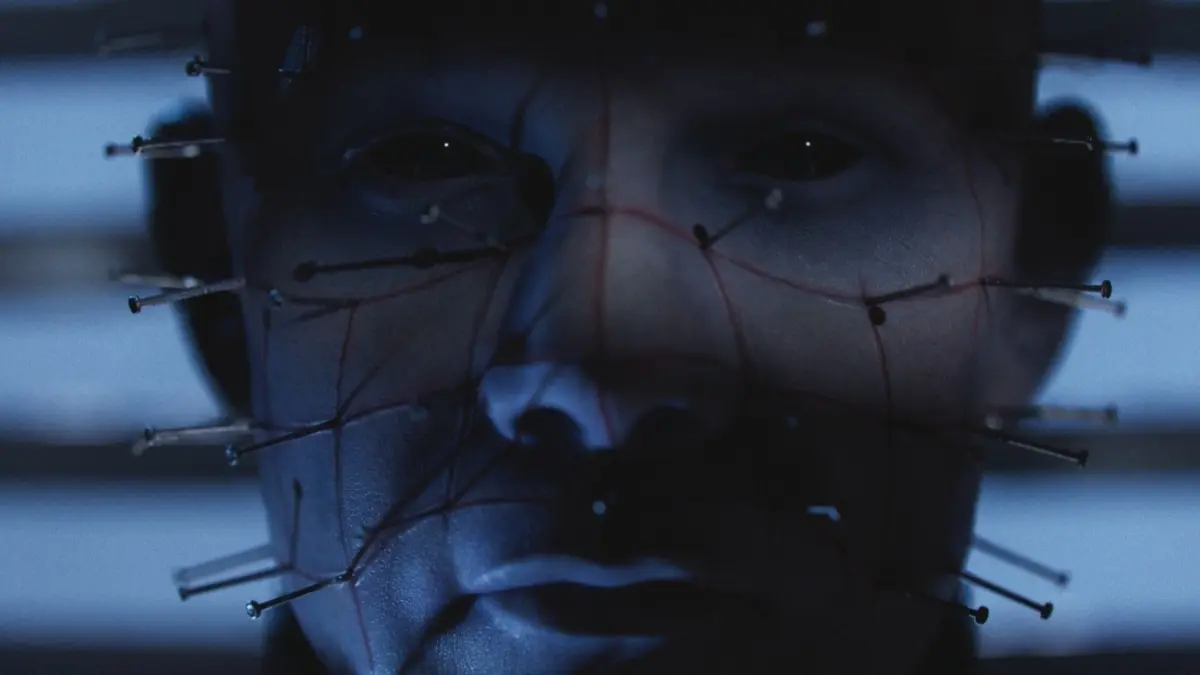
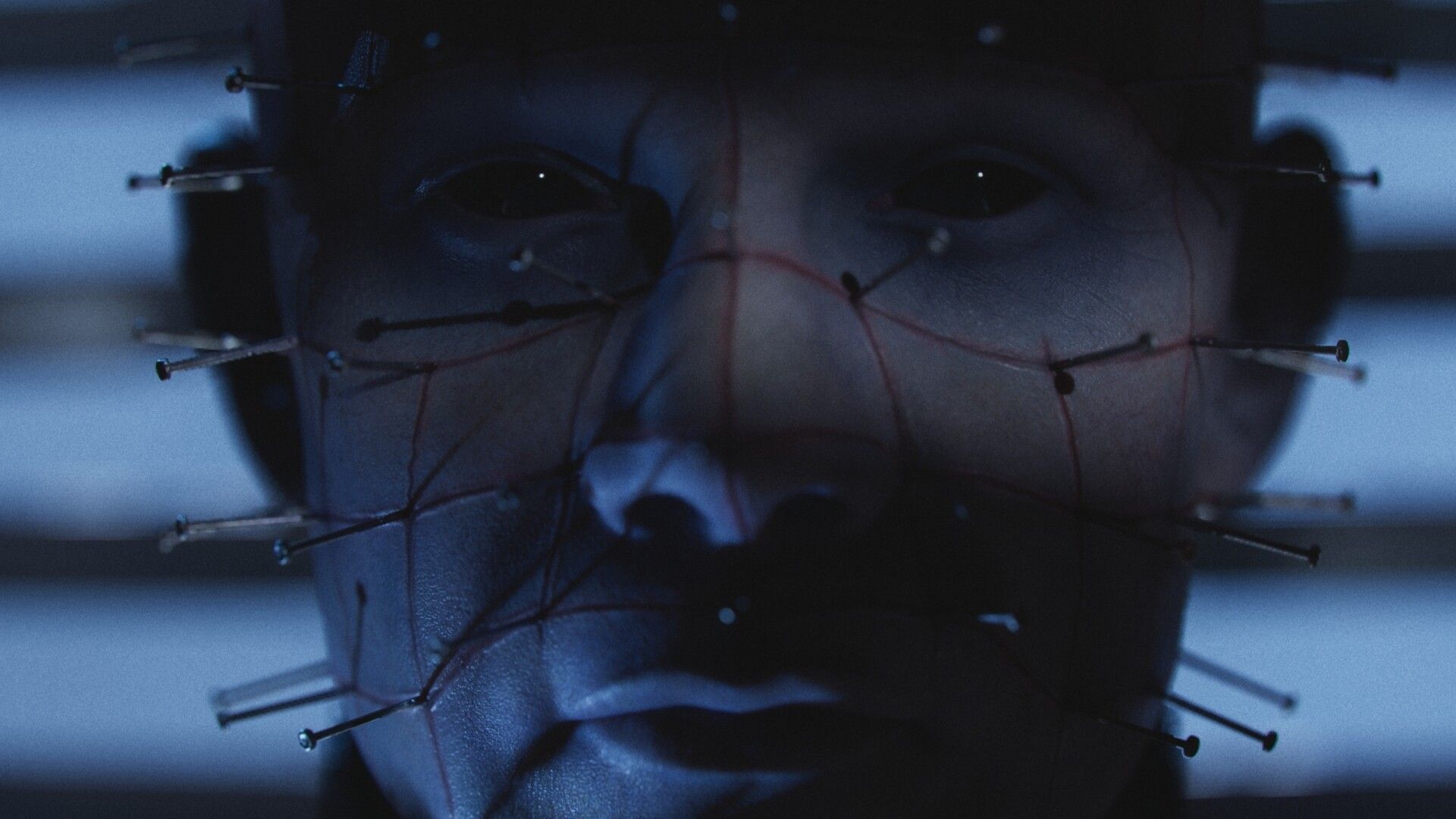
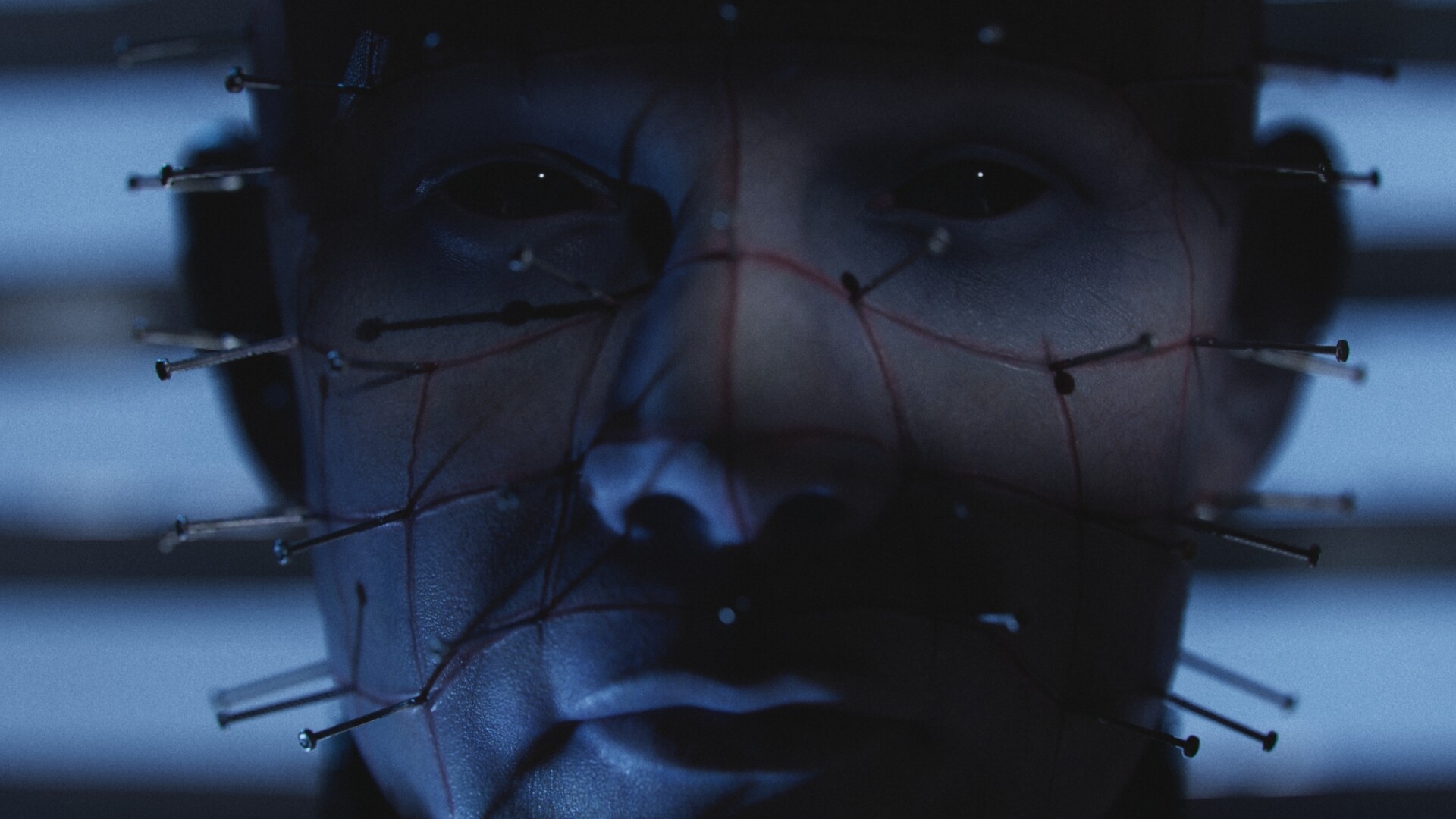
The intersection of extreme body horror and transgressive sensuality has long been the artistic signature of Clive Barker. For decades, the creator of the Hellraiser universe watched as his seminal 1987 cinematic masterpiece—and the haunting lore of Pinhead, the Cenobites, and the Lament Configuration—was co-opted, diluted, and sequestered by corporate machinery. However, a major paradigm shift has arrived from an unexpected quarter: the interactive gaming space.
Saber Interactive’s survival horror title, Hellraiser: Revival, has broken the long-standing curse of underwhelming franchise extensions. Eschewing the heavily censored, direct-to-video sequels of the late franchise era, Revival embraces an uncompromisingly visceral, "nasty and horny" aesthetic that has earned high praise from early reviewers and, more importantly, the absolute validation of Barker himself.
In recent interviews, Barker has expressed profound pride in the final product, calling the game a much-needed "wake-up call" for intellectual property holders and future content creators. By working hand-in-hand with Saber Interactive to craft a legacy sequel that purposefully bypasses the post-Hellraiser 2 cinematic trajectory, Barker’s collaboration proves that video games can sometimes out-adapt and out-shined their silver-screen predecessors.
Detailed Chronology: From Cinematic Decline to Interactive Renaissance
To understand the magnitude of Hellraiser: Revival, one must examine the turbulent history of the franchise. Following the massive success of the original 1987 film and its acclaimed 1988 sequel, Hellbound: Hellraiser II, the rights to the intellectual property entered a labyrinthine corporate custody battle.
For many years, subsequent sequels—principally distributed under the Weinstein banner—were rushed into production with shrinking budgets. These projects were widely criticized by fans and critics alike as low-effort productions designed primarily to retain US copyright ownership rather than tell compelling horror stories. While talented writers and directors frequently did their best within a restrictive framework, the system stifled the dark, philosophical, and boundary-pushing sexuality that defined Barker’s original vision.
The turning point arrived when Clive Barker successfully reclaimed the American franchise rights to Hellraiser following a notable lawsuit settlement. Empowered to protect his legacy, Barker set his sights on expanding the universe correctly.
When Saber Interactive approached him with a proposal for a narrative-driven survival horror game, Barker harbored initial anxieties. Fearing the project would face severe censorship or watered-down corporate mandates, he closely monitored its development. Instead of facing interference, Barker found himself deeply involved in shaping Revival‘s world and advising on its intricate storyline. The resulting game deliberately acts as a legacy sequel that honors only the first two films, completely discarding the narrative bloat of the intervening decades. Released to a rapturous, albeit shocked, audience, Hellraiser: Revival has redefined what licensed horror gaming can achieve.
Supporting Context & Metrics: The Aesthetic of Excess
What sets Hellraiser: Revival apart in a crowded horror market is its absolute refusal to compromise on its core themes. Industry critics, including early reviewers at PC Gamer, have noted that the game leans hard into its dual identity of being simultaneously "gnarly and horny."
The title’s uncompromising attitude toward gore, body horror, and sexual deviance has struck a chord with horror purists who felt modern cinema had sanitized the Cenobites. By leveraging current-generation hardware—such as the PlayStation 5, Xbox Series X/S, and high-end PCs—Saber Interactive was able to render flesh, metal, and otherworldly architecture with sickening, breathtaking fidelity.
This critical acclaim acts as a stabilizing force for Saber Interactive, arriving on the heels of a turbulent summer. Earlier in the year, the studio navigated heavy public scrutiny surrounding the Rideshare Stimulator controversy, which involved online disputes over generative artificial intelligence and public remarks made by CEO Matt Karch. Although Karch later issued a public apology, Saber’s Chief Creative Officer, Tim Willits, was quick to reassure players that generative AI tools played zero role in the development of prestige narrative projects like Hellraiser: Revival, Jurassic Park: Survival, or Space Marine 3. The stellar execution and genuine artistic integrity of Revival have effectively steered the narrative back toward Saber’s technical and creative strengths.
Official Statements: In Clive Barker’s Own Words
The partnership between Clive Barker and Saber Interactive has been characterized by mutual respect and a shared vision for the macabre. Speaking candidly in an interview with horror media outlet Dread Central, Barker did not mince words regarding his initial fears and ultimate satisfaction with the project.
"I’m proud as f**k at the end result," Barker stated. "I was fearful at one point that the game would be overly censored, but I’m genuinely astonished by how far they’ve been able to push it."
Barker emphasized that Revival serves as a stark rebuke of past corporate handling of the IP. Reflecting on the straight-to-video sequels manufactured under the Weinstein brothers to hold onto rights, he noted:
"There are many of the Hellraiser movies that were made… simply to hold onto the rights, with less and less money spent on those films over time. It’s not the fault of the writers and directors, but just the way the system works in some cases."
By breaking this cycle, Barker believes Saber has set a new benchmark for how legacy licenses should be managed.
"I think what was achieved in the game is a wake-up call to anyone who’s been involved in the making of a franchise like Hellraiser."
Future Outlook: Beyond the Lament Configuration
With Hellraiser: Revival successfully breathing new unholy life into the franchise, the appetite for more Barker-led nightmares has reached an all-time high. The author’s collaboration with Saber Interactive has clearly reinvigorated his passion for exploring the dark dimensions he conceptualized decades ago.
"I have many ideas that I’d like to see realised in the Hellraiser universe, and I’m planning to keep my fingers in that pie," Barker revealed. While these creative concepts are currently manifesting in an ongoing series of comic books, Barker made it clear that his ambitions extend far beyond static pages. "I’d love to go further in the movies," he admitted, signaling potential cinematic ambitions now that he holds tighter creative control.
Furthermore, fans of the psychological and physical torment depicted in Revival can breathe a sigh of relief, as Barker strongly hinted that his professional relationship with Saber Interactive is far from over. "I’m looking forward to working with them again on some other projects," he teased.
Whether this future collaboration entails a direct sequel to Revival, downloadable expansions, or an entirely new adaptation of another classic Barker property remains unconfirmed. However, one thing is certain: the box has been opened once more, and the darkness inside is here to stay.