Executive Overview
For years, the Apple Watch has reigned supreme as the undisputed king of the consumer smartwatch market. Yet, despite its massive market share, life-saving atrial fibrillation alerts, and ubiquitous presence on wrists worldwide, a persistent critique has followed Apple’s flagship wearable: its data presentation. While competitors like Whoop, Oura, and Garmin have captured the devotion of fitness enthusiasts by translating continuous health metrics into deep, actionable recovery insights, Apple has historically remained anchored to its iconic—yet fundamentally simplistic—Activity Rings.
According to recent intelligence shared by Bloomberg’s Mark Gurman, that paradigm is about to shift dramatically. As Apple prepares for the upcoming launch cycle of the Apple Watch Series 12 and Ultra 4, Cupertino is engineering a comprehensive overhaul of both its hardware and software.
The upcoming generation aims to bridge the gap between casual fitness tracking and professional-grade biometric analysis. Central to this strategy is the introduction of always-on heart-rate tracking paired with a completely overhauled health and wellness app architecture designed to rival the deep recovery analytics popularized by Oura and Whoop. Furthermore, hardware enthusiasts have plenty to look forward to, including the rumored return of a premium ceramic chassis available in classic white and a sophisticated dark gray, alongside an expansive palette of new band configurations.
Looking further ahead, supply chain murmurs and internal timelines point toward a significant hardware redesign arriving as early as next year with the Series 13—or potentially the Series 14—signaling that Apple is preparing to shake up its industrial design language for the first time in years. This report explores the incoming software paradigms, hardware alterations, and strategic shifts defining the next chapter of the Apple Watch ecosystem.
Detailed Chronology: The Evolution Toward Continuous Wellness Intelligence
To understand the magnitude of Apple’s upcoming software and hardware adjustments, it is vital to trace how the Apple Watch evolved from a notification-centric wrist companion into a serious physiological monitoring tool.
From Notifications to Biometrics: A Historical Retrospective
When the original Apple Watch debuted in 2015, it was marketed primarily as a luxury fashion accessory and an extension of the iPhone. Fitness tracking was largely secondary, centered around the gamified triad of Move, Exercise, and Stand rings. However, with the release of the Apple Watch Series 4 in 2018, Apple fundamentally altered its trajectory by introducing electrical heart sensors capable of recording electrocardiograms (ECGs) and detecting irregular heart rhythms.
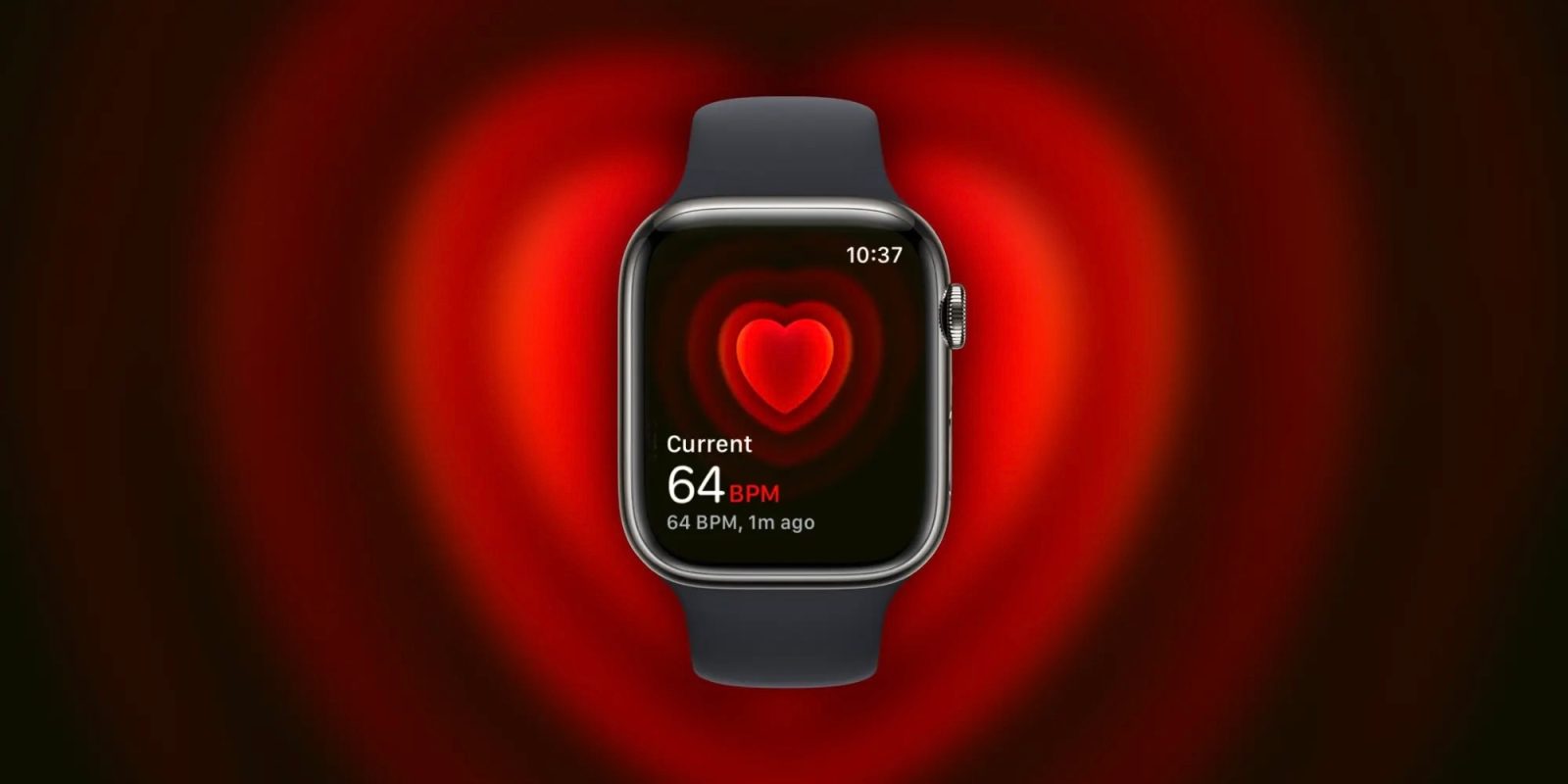
Subsequent iterations added hardware marvels like blood oxygen (SpO2) monitoring (though later sidelined by patent disputes in key markets), body temperature sensors for retrospective ovulation tracking, and high-g accelerometer hardware capable of detecting severe car crashes and hard falls.
Despite these impressive hardware additions, the software user experience remained largely tethered to the original ring-closing philosophy. Users could check isolated metrics—such as VO2 max, walking steadiness, or sleep stages—within the cumbersome Apple Health app on their iPhones, but the watchOS interface itself offered limited contextual synthesis. If you had a poor night of sleep, an elevated resting heart rate, or accumulated high strain, the Apple Watch rarely told you what it meant for your day ahead in a cohesive, unified dashboard.
The Shift Toward Recovery Metrics
According to Bloomberg’s reporting, Apple’s upcoming software revamp aims to directly address this friction. By restructuring the fitness and wellness app interface, Apple is moving away from purely goal-oriented ring metrics and transitioning toward holistic wellness metrics.
This approach mimics the philosophy of the Whoop strap and the Oura Ring. These platforms excel by aggregating disparate data points—sleep efficiency, resting heart rate (RHR), heart rate variability (HRV), and skin temperature—into a single, easily digestible recovery score. By presenting data this way, users can immediately see whether their body is primed for a strenuous workout or if it desperately requires rest.
If Apple successfully deploys this revamped software ecosystem across the Apple Watch Series 12 and Ultra 4, it could neutralize one of the primary reasons health-conscious consumers defect to dedicated recovery wearables.
Supporting Context & Metrics: The Mechanics of Always-On Health Tracking
A sophisticated software dashboard is entirely dependent on the quality and frequency of the underlying data it processes. Historically, the Apple Watch has optimized battery longevity by rationing when and how often it samples physiological metrics.
The Problem with Intermittent Sampling
On current watchOS builds, the optical heart sensor operates intermittently. While it actively monitors your heart rate continuously during designated workout sessions, its background sampling rate during daily wear is sporadic—typically checking in every few minutes or when motion is detected, unless an irregular rhythm notification or high/low heart rate threshold is triggered.
While this intermittent approach successfully preserves the 18-to-36-hour battery life expected by mainstream consumers, it creates blind spots in data collection. Subtle physiological shifts—such as a gradual creep in resting heart rate hours before the onset of an illness, or micro-fluctuations in heart rate variability during stress—can be missed if the sensor is asleep.
The Engineering Challenge of Always-On Heart-Rate Tracking
By moving toward always-on heart-rate tracking, Apple is crossing a significant technological Rubicon. To sample heart rate continuously without causing catastrophic battery drain, Apple’s engineering teams must rely on deep optimization across both hardware and software:
- Algorithmic Efficiency: Utilizing advanced machine learning models processed locally on the device’s System in Package (SiP) to intelligently determine when deep biometric polling is necessary versus when the user is completely stationary.
- Sensor-Level Enhancements: Leveraging next-generation photoplethysmography (PPG) sensors that require less power to penetrate the skin and capture accurate pulse data.
- Power Management Architecture: Integrating more energy-efficient display drivers and silicon chips (presumably the upcoming S12 processor) to offset the constant power draw of uninterrupted sensor polling.
If executed correctly, always-on heart-rate tracking will provide the raw data horsepower required to feed Apple’s new wellness dashboard, offering users unprecedented granularity into their daily physiological baseline.
Material Innovation: The Return of Ceramic and New Finishes
While software updates will breathe new life into existing use cases, physical hardware changes continue to drive upgrade cycles. For the Apple Watch Series 12 and Ultra 4, Apple is reportedly exploring material variations that cater to luxury buyers and endurance athletes alike.
The Comeback of Ceramic
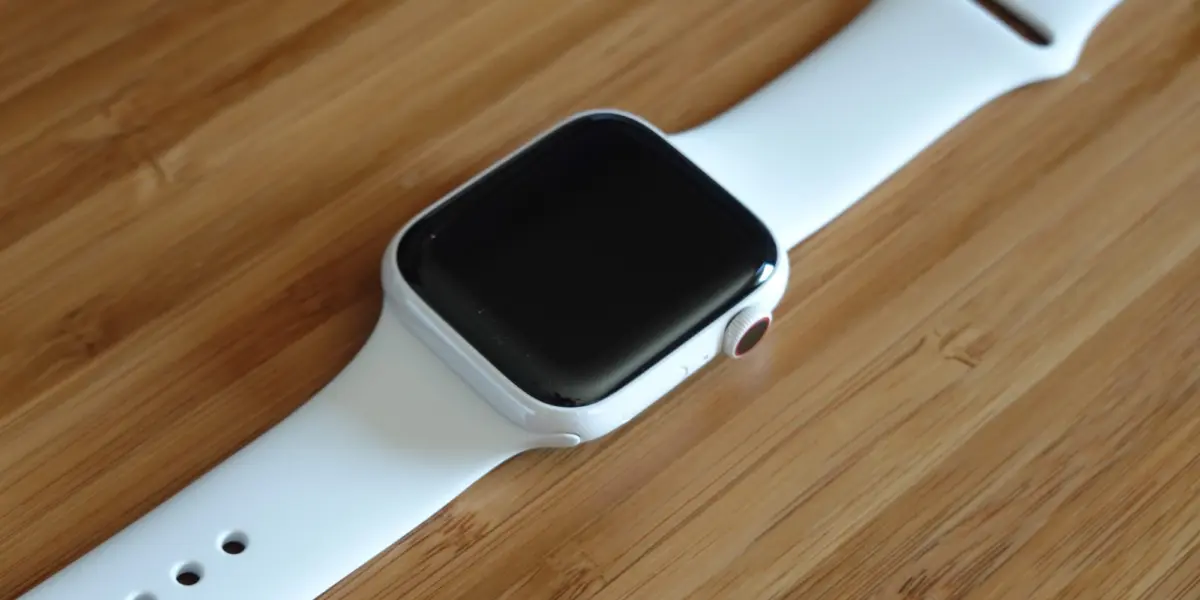
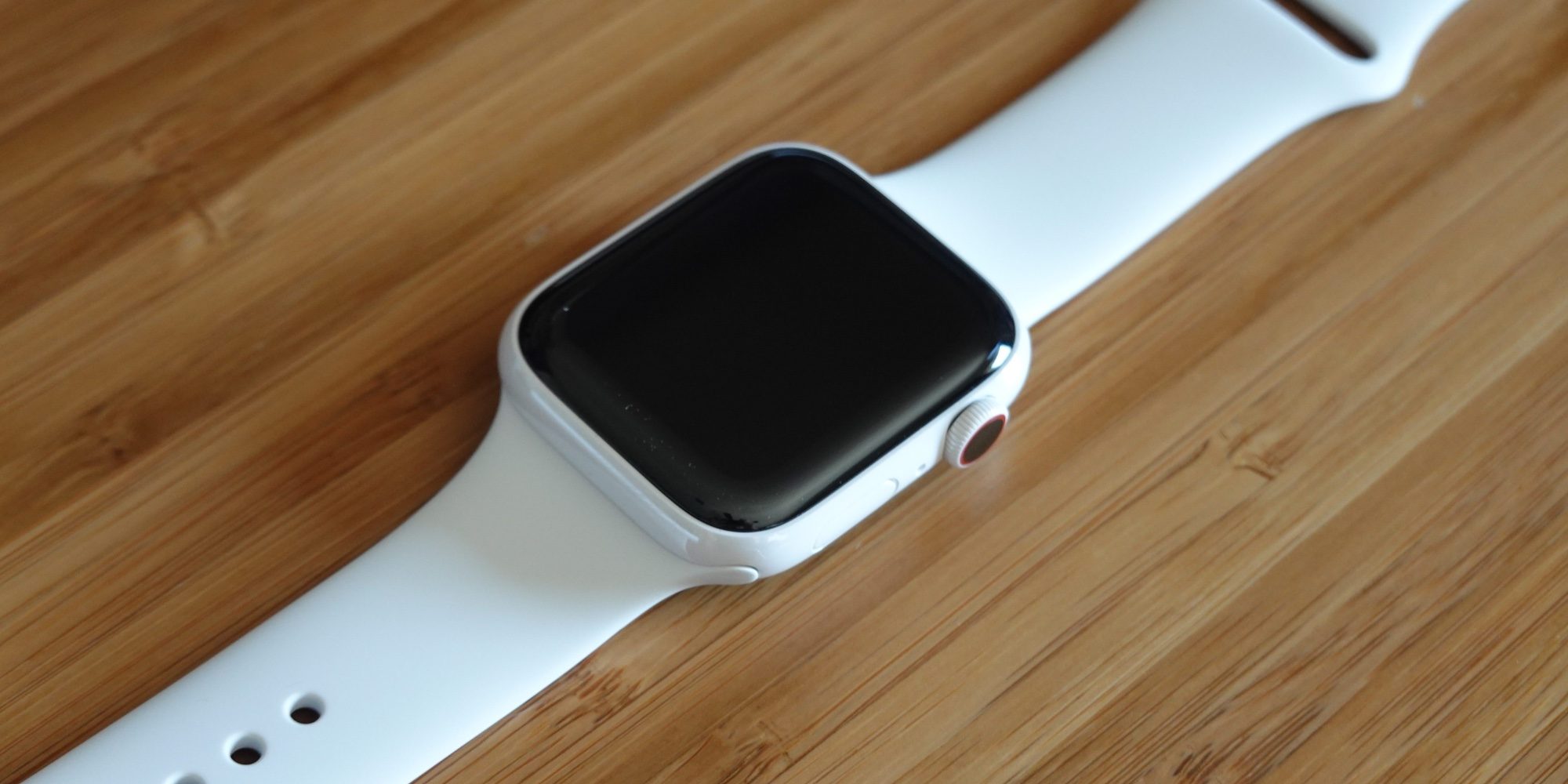
Rumors surrounding the resurgence of a ceramic Apple Watch have circulated for months, but recent intelligence from Mark Gurman sheds light on the specific configurations Apple is actively testing. Ceramic was previously a beloved staple of the Apple Watch lineup, featured in the Series 3 and Series 5 editions. Prized for its exceptional scratch resistance, hypoallergenic properties, and high-gloss aesthetic, ceramic occupied the ultra-premium tier of Apple’s wearable lineup before being quietly phased out.

According to latest supply chain checks, Apple is weighing two distinct colorways for the rumored ceramic Apple Watch Series 12:
- Classic White: The iconic, brilliant gloss finish reminiscent of the popular Series 5 models, offering a timeless, minimalist aesthetic.
- Dark Gray: A moody, industrial tone designed to appeal to users looking for a stealthier, more modern luxury profile.
Band Ecosystem Expansion
Beyond the chassis itself, Apple is preparing a comprehensive refresh of its accessory ecosystem. Gurman notes that buyers can expect “many new band colors and configurations” accompanying the launch of the Series 12 and Ultra 4.
Apple’s nylon loop, sport band, and leather-alternative fine woven (or newly introduced sustainable materials) lineups routinely see seasonal refreshes, but a major hardware redesign cycle often heralds completely new attachment mechanisms or material weaves designed to complement the updated finishes.
Future Outlook: The Horizon of Apple Watch Redesigns
While the Apple Watch Series 12 and Ultra 4 will deliver incremental hardware refinement and major software transformations, the industrial design language itself remains an evolution of the rounded-edge paradigm introduced in recent years. However, horizon-scanning indicates that a radical physical transformation is brewing within Apple’s industrial design labs.
The Limits of Current Form Factors
Since its inception, the rectangular silhouette with rounded corners has defined the Apple Watch. While Cupertino has steadily shrunk bezels, increased display surface area, and shaved millimeters off the chassis thickness—particularly with the ultra-thin design philosophy introduced in 2024—the fundamental geometry of the device has plateaued.
Industry analysts suggest that Apple’s current design language has nearly reached its zenith. To capture the imagination of consumers who view yearly iterations as minor spec bumps, a more dramatic physical departure is required.

The Series 13 / Series 14 Redesign Roadmap
According to Bloomberg’s insider notes, Apple is actively pushing to have a major hardware redesign ready for its smartwatch line by next year (targeting the Series 13), though internal engineering hurdles and supply chain constraints mean the timeline could easily slip to the following year (the Series 14).
[Current Design Era: Series 12]
       │
       ▼ (Target Window: 2027/2028)
[Targeted Redesign: Series 13 or Series 14]
       │
       ├─► Potential New Chassis Geometries
       ├─► Advanced Micro-LED Display Tech Integration
       └──► Critical Question: Backward Compatibility with Legacy Bands
What could this redesign entail? While concrete details remain tightly guarded within Apple Park, speculation points toward:
- Radical Shape Shifts: Moving away from standard curved rectangles toward alternative structural profiles.
- Micro-LED Display Integration: Adopting next-gen display technologies that offer superior brightness, improved energy efficiency, and potentially flexible form factors.
- Advanced Health Sensors: Laying the physical groundwork for non-invasive blood glucose monitoring or blood pressure trend analysis—features that require significantly altered internal volumetric layouts.
The lingering anxiety among long-term Apple Watch owners, of course, centers on backward compatibility. The Apple Watch has maintained a remarkably consistent band attachment mechanism since 2015, allowing users to carry multi-thousand-dollar band collections across multiple generations of devices. If Apple implements a radically different chassis architecture or locking mechanism, it could force the obsolescence of an entire legacy ecosystem of third-party and official watch bands.
Conclusion
The upcoming release of the Apple Watch Series 12 and Ultra 4 represents a pivotal turning point for Cupertino’s wearable division. By acknowledging the shifting landscape of consumer fitness expectations—moving away from simple calorie counting and moving toward deep, continuous physiological recovery metrics—Apple is proactively defending its market dominance against agile competitors like Oura and Whoop.
Coupled with the potential nostalgic and luxurious return of ceramic finishes in white and dark gray, alongside a rich palette of new band configurations, the upcoming hardware generation promises broad appeal. Furthermore, with whispers of a radical industrial redesign looming on the horizon for the Series 13 or 14, the Apple Watch is positioning itself not just as a notification mirror or an exercise ring tracker, but as an indispensable, intelligent health advisor securely fastened to your wrist.