Executive Overview
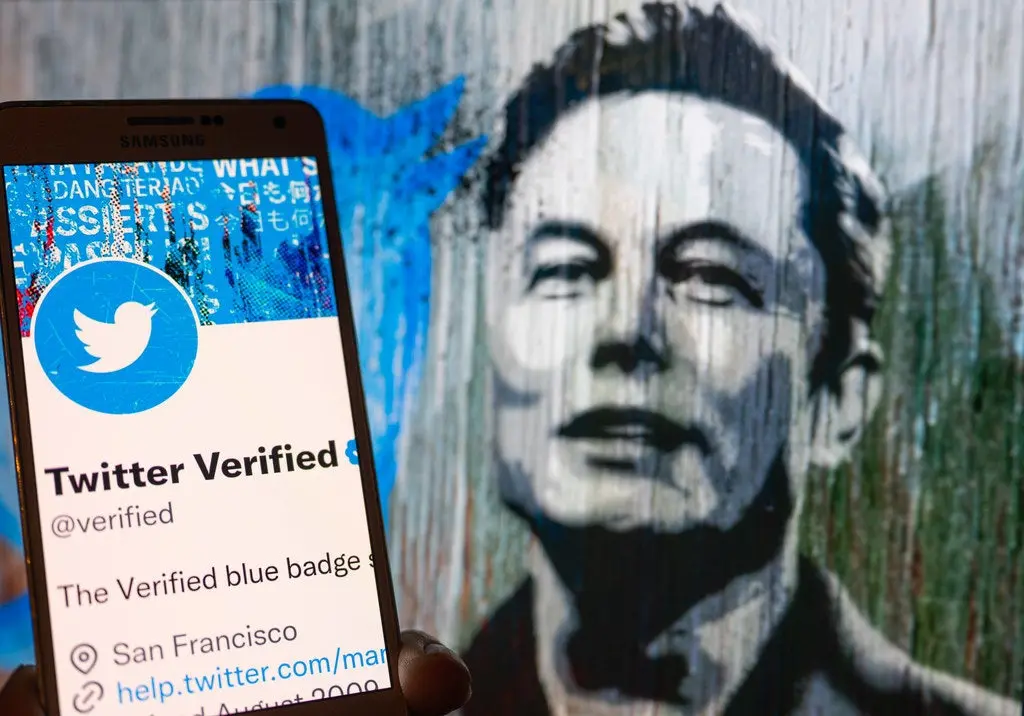
The modern landscape of digital communication is undergoing a seismic shift, and at its epicentre is Twitter—now operating under the corporate moniker X. In a move that has sent shockwaves through the tech industry, media circles, and the platform’s sprawling user base, the company has officially dismantled its legacy verification system. Effective April 1, legacy verified accounts lost their iconic blue checkmarks unless their owners enrolled in the paid Twitter Blue (now X Premium) subscription model.
This policy change is not merely an administrative housekeeping measure; it represents a fundamental philosophical and architectural pivot for one of the world’s most influential town squares. By tying a historically prestigious symbol of identity, authenticity, and notable achievement to a monthly subscription fee, Twitter has blurred the lines between genuine authority and paid promotion.
Compounding this transformation are parallel product developments, including features that allow paying subscribers to conceal their blue checkmarks—a tacit acknowledgment of the social stigma now attached to buying what was once earned. Meanwhile, algorithmic adjustments to the platform’s core discovery engine, the "For You" feed, threaten to elevate a cacophony of self-promoters, opportunistic hucksters, and corporate entities, while relegating unpaid, everyday users to a segregated, chronological "Following" feed.
This comprehensive investigative report examines the mechanics, motivations, and far-reaching implications of Twitter’s new monetization strategy. We will explore the timeline of these sweeping changes, analyze the technical and algorithmic shifts altering content amplification, review reactions from official bodies and public figures, and forecast the long-term viability of a platform divided by a paywall.
Detailed Chronology of the Paywall Pivot
To understand the current state of Twitter, one must trace the rapid, often chaotic evolution of the platform’s verification and feed architectures following its high-profile acquisition. What began as a promise to "defeat the spam bots" has systematically transformed into an aggressive enterprise software-as-a-service (SaaS) model.
Phase 1: The Initial Overhaul and the Death of Legacy Verification
The groundwork for the current landscape was laid immediately following the platform’s acquisition in late 2022. The initial rollout of Twitter Blue was plagued by impersonation scandals, forcing temporary suspensions and rapid policy revisions. However, leadership remained steadfast in its core conviction: the legacy verification system, designed to protect public figures, journalists, politicians, and institutions from impersonation, was fundamentally "corrupt" and "unfair."
By early March 2023, the countdown clock began ticking for legacy accounts. Internal memos and public announcements made it clear that the grace period for grandfathered verification was coming to a definitive end. The deadline was set: April 1, 2023. On this date, the platform initiated a sweeping purge, stripping millions of high-profile journalists, academics, athletes, and public servants of their blue checkmarks. The message from the executive suite was unequivocal: authenticity is no longer a public safety feature verified by the platform; it is a premium utility available to anyone willing to pay the monthly toll.
Phase 2: The Paradox of the Hidden Checkmark
As the April 1 deadline approached, product researchers uncovered a fascinating psychological byproduct of the new policy: user embarrassment. Because the blue checkmark had swiftly transitioned from a symbol of distinction to a scarlet letter denoting someone who paid for algorithmic favor, many high-profile subscribers began requesting ways to mask their status.
By late March 2023, code leaks and platform updates revealed that Twitter was actively developing a toggle allowing paying subscribers to hide their blue checkmarks. This paradoxical feature highlighted a profound brand identity crisis. Users wanted the algorithmic boost and character-limit extensions associated with the paid tier, yet they wished to avoid the social stigma of being perceived as a simp for the platform’s new monetization schemes.
Phase 3: Algorithmic Gating and the "For You" Segregation
Simultaneously, the platform began restructuring its content distribution mechanics. The "For You" tab—the default landing page for millions of users—was re-engineered to heavily favor accounts that subscribe to the monetization program. Under this new algorithmic regime, non-paying accounts find their organic reach severely throttled.
Conversely, brands and commercial entities quickly realized that buying into the subscription model offered a cost-effective loophole. Instead of investing heavily in traditional, highly targeted ad campaigns, companies could leverage the boosted amplification of paid standard tweets to achieve viral traction. The "For You" page rapidly transformed from a curated stream of culturally relevant content into a high-stakes marketplace of self-promotion.
Supporting Context & Metrics: The Economics of the Paywall
To fully grasp the gravity of these changes, one must examine the economic and quantitative data driving Twitter’s structural redesign. The platform’s pivot from an ad-dependent model supplemented by trusted data curation to a direct-to-consumer subscription model is fraught with financial risk and unprecedented operational challenges.
The Demise of Organic Reach for Unpaid Accounts
Data from early platform analytics firms indicate a precipitous drop in engagement for unverified, non-paying accounts that rely on algorithmic distribution. Under the previous architecture, high-quality content could "break out" of a user’s immediate follower network and go viral based purely on engagement metrics (retweets, replies, and likes).
With the new algorithmic weighting, the "For You" feed has effectively erected a toll booth. Metrics show that:
- Impression Disparity: Paid accounts experience an algorithmic multiplier that significantly outpaces organic reach for identical content types produced by unpaid accounts.
- The Chronological Quarantine: Unpaid accounts are now effectively restricted to the "Following" feed—a purely chronological timeline consisting solely of accounts a user explicitly chooses to follow. While this offers a nostalgic return to Twitter’s pre-algorithm era, it severely limits audience growth for new creators, independent journalists, and small businesses who cannot afford the monthly subscription fee.
Corporate Migration and the Advertising Shift
For major brands, the platform’s evolution presents a complex cost-benefit analysis. Following the acquisition, numerous Fortune 500 companies paused or drastically reduced their traditional ad spend due to concerns over content moderation and brand safety.
However, the introduction of boosted verification tiers created an alternative avenue. Brands quickly recognized that paying a nominal monthly fee for a verified organizational checkmark (often gold) and ensuring their primary brand accounts received algorithmic amplification was far cheaper than legacy ad buys. This has turned the "For You" feed into an aggressive corporate landscape, where native commercial posts compete directly with individual creators for attention.
User Adoption Rates and Public Reception
Adoption metrics for the paid subscription tiers have been a subject of intense public scrutiny. Initial conversion rates among legacy verified users were remarkably low, with prominent figures publicly stating they would refuse to pay for a service they previously helped popularize.
| Metric Category | Pre-Overhaul (Legacy System) | Post-Overhaul (Subscription Model) |
|---|---|---|
| Verification Criteria | Identity confirmation, public notoriety, active-notability | Monthly financial transaction ($8–$11/month) |
| Default Feed Priority | Meritocratic/Algorithmic blend based on engagement | Monetized priority on "For You"; chronological on "Following" |
| Impersonation Risk | Low (rigorous manual vetting and documentation) | High (mitigated primarily by reactive reporting and paid status) |
| Brand Amplification | Dependent on ad spend and organic virality | Subsidized via subscription-tier algorithmic boosts |
Official Statements and Industry Reactions
The dismantling of the legacy verification system and the restructuring of the discovery feeds provoked immediate, vociferous reactions from global leaders, civil rights organizations, journalists, and institutional bodies.
The Public Backlash from Notable Figures
When the blue checkmarks vanished on April 1, the reaction from the platform’s cultural elite was swift. Celebrities, athletes, journalists, and politicians took to the platform—and to competing services—to express their dismay.
A prominent investigative journalist tweeted: "For over a decade, verification was a crucial digital passport ensuring that the public knew an account belonged to the person actually reporting the news. Turning it into a paid vanity metric destroys its utility as a weapon against disinformation."
Many high-profile figures adopted a stance of non-compliance. Authors, actors, and scientists publicly declared they would never pay for the badge, leading to a wave of parody accounts and widespread confusion regarding the authenticity of breaking news sources during major global events.
Institutional Warnings and Misinformation Concerns
Governments and international bodies voiced serious concerns regarding the erosion of trust. Public health organizations, emergency response teams, and electoral bodies rely on verified platforms to disseminate accurate, life-saving information during crises.
A spokesperson for a major international digital safety coalition noted: "When verification is decoupled from identity and tied to a credit card, the barrier to entry for malicious actors looking to impersonate government agencies, public health officials, and emergency services drops to nearly zero. The platform is actively trading public safety for short-term subscription revenue."
The Company’s Official Stance
Conversely, platform leadership defended the changes as a democratization of the digital public square. Proponents of the model argue that the legacy system was an elitist "lords and peasants" structure that arbitrarily doled out status symbols to a chosen few in media and entertainment.
In public statements and thread replies, executive leadership maintained that a paid model democratizes access to platform tools, ensures that every user has an equal opportunity to be heard through financial parity, and creates a sustainable revenue stream that reduces reliance on volatile advertising markets. Furthermore, the company argued that automated and paid verification models would eventually scale better than manual review teams, which were previously susceptible to human bias and corruption.
Future Outlook: The Fragmented Digital Horizon
As the dust settles on the initial rollout of the paid verification ecosystem and algorithmic gating, the long-term trajectory of the platform—and the broader social media landscape—remains deeply uncertain.
The Erosion of Truth and the Rise of Synthetic Noise
The most critical long-term consequence of these changes is the potential degradation of the platform’s utility as a real-time information network. During breaking news events—ranging from natural disasters to geopolitical conflicts—users historically turned to the platform for eyewitness reports vetted by journalists and verified institutions.
By flooding the "For You" feed with algorithmic amplification purchased by self-promoters, hucksters, and unverified entities willing to pay the entry fee, the signal-to-noise ratio has degraded significantly. Researchers warn that this environment makes it exponentially harder for everyday users to distinguish between legitimate news, corporate marketing, and sophisticated disinformation campaigns.
The Fragmentation of the Social Graph
We are witnessing a fundamental splintering of the social media ecosystem. As Twitter forces unpaid users into a strictly chronological "Following" feed while monetizing the discovery engine, user behavior is adapting in real-time. Power users, independent journalists, and niche communities are increasingly hedging their bets by establishing presences on alternative, decentralized protocols (such as Bluesky, Mastodon, and Threads).
This decentralization of the user base means that no single platform may ever again hold the unified cultural authority that Twitter once commanded. Instead, the digital public square is fracturing into walled gardens and ideological silos.
Final Thoughts
Twitter’s aggressive pivot toward monetization through paid verification and algorithmic gating is a high-stakes gamble. By transforming a trusted institutional utility into a pay-to-play marketing channel, the platform has traded its foundational credibility for immediate subscription revenue.
Whether this bold economic experiment will yield a sustainable, profitable enterprise or alienate its core user base into extinction remains the defining question of the current digital era. What is certain, however, is that the era of the open, meritocratic digital town square has officially drawn to a close, replaced by a tiered marketplace where visibility is bought, sold, and heavily contested.