Fantasy has always offered an essential refuge beyond the strict boundaries of everyday reality, inviting readers into speculative landscapes where the impossible seamlessly interlocks with the mundane. Stretching back through the rich tapestries of ancient folklore, epic poetry, and oral traditions, the genre existed long before the modern publishing industry codified the fantasy novel.
From the mythological odysseys of Homer to the dreamlike Victorian visions of George MacDonald, imaginative literature has continually served as a mirror for human ambition, fear, and resilience. Over the past century, foundational architects like J.R.R. Tolkien, Ursula K. Le Guin, and Terry Pratchett violently expanded the borders of speculative fiction, proving that invented worlds can hold truths just as profound as historical realism.
What elevates a fantasy novel from a simple exercise in world-building to an essential literary milestone? It is not merely the intricacy of a magic system or the scale of a fictional map. Rather, it is the rare ability to shatter reader assumptions, permanently reshape the architecture of storytelling, and echo across generations. The following ten masterworks represent the absolute pinnacle of fantasy literature—a diverse, chronologically varied compendium of texts that every serious reader should experience at least once.
Detailed Chronology of Essential Fantasy Masterworks
The evolution of modern fantasy is marked by distinct shifts in tone, technique, and philosophical inquiry. The following chronological exploration traces the milestones that defined the genre from the mid-nineteenth century to the turn of the millennium.
1. Alice’s Adventures in Wonderland (1865) by Lewis Carroll
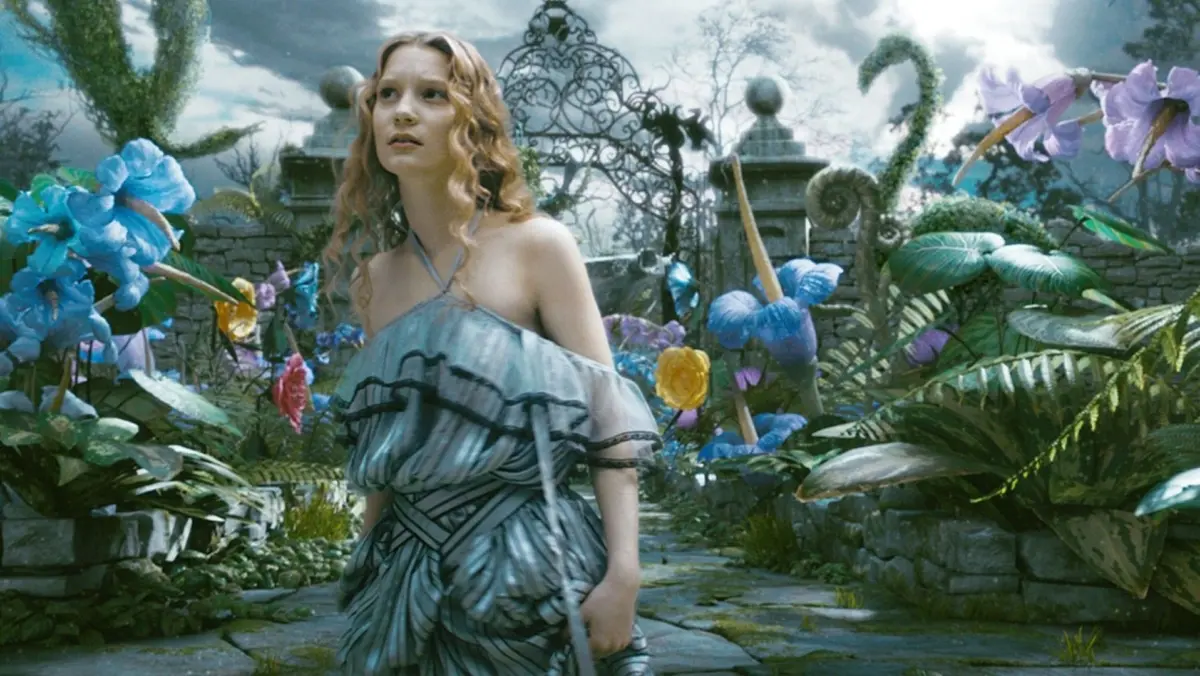
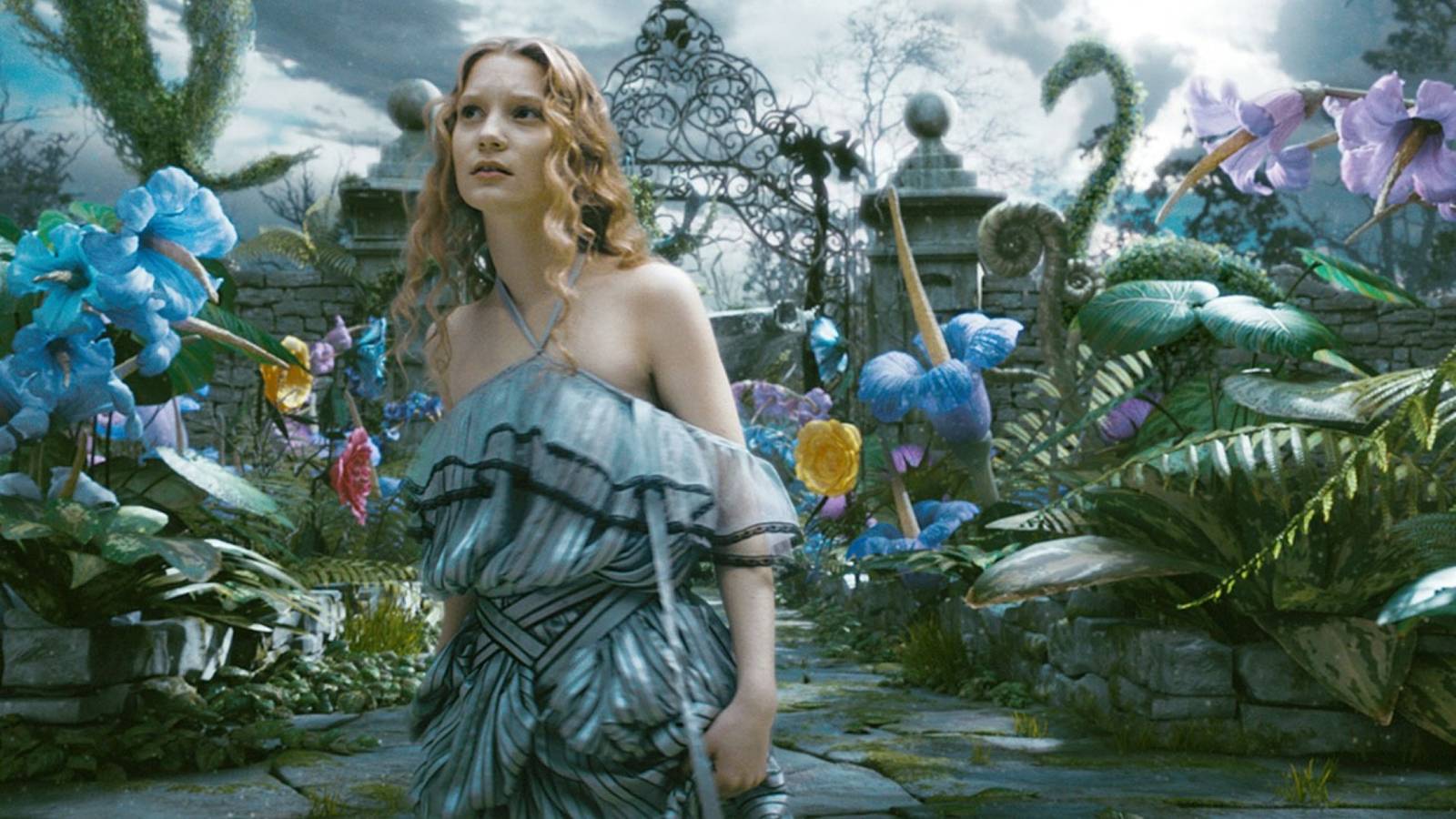
More than 160 years after its initial publication, Alice’s Adventures in Wonderland remains one of the most intellectually subversive journeys in world literature. Author Lewis Carroll—writing under a pseudonym for Charles Lutwidge Dodgson, an Oxford mathematician and logician—sent his young protagonist tumbling down a rabbit hole into a realm where familiar rules collapse entirely.
Underneath the whimsical surface of talking animals and vanishing cats lies a rigorous framework of formal mathematical puzzles and inverted logic. Carroll utilized wordplay, riddles, and iconic set pieces—such as the Caucus-Race where everyone wins or a croquet match played with live flamingos—to systematically dismantle Victorian adult authority and etiquette. Alice’s persistent attempts to apply classroom lessons to an environment where babies turn into pigs demonstrate how brittle social constructs become under scrutiny. It remains an essential cornerstone of fantasy, proving that pure playfulness can double as sharp cultural satire.
2. The Lord of the Rings (1954–1955) by J.R.R. Tolkien
Published across three landmark volumes between 1954 and 1955, J.R.R. Tolkien’s The Lord of the Rings stands as the undisputed bedrock of modern high fantasy. Chronicling Frodo Baggins and the Fellowship of the Ring in their desperate quest to destroy the One Ring, Tolkien expanded upon the whimsical prelude of The Hobbit to forge a vast, mythic saga of fellowship, geopolitical war, and the crushing psychological burden of heroism.
Tolkien’s achievement extends far beyond narrative plotting. By inventing fully realized languages, deep ancestral histories, and distinct cultural mythologies, he pioneered a standard of world-building that subsequent generations of authors have measured themselves against. At its core, the saga’s enduring power resides in its moral thesis: that true global salvation rarely depends on grand armies, but on the quiet, steadfast courage of the smallest and most ordinary individuals.
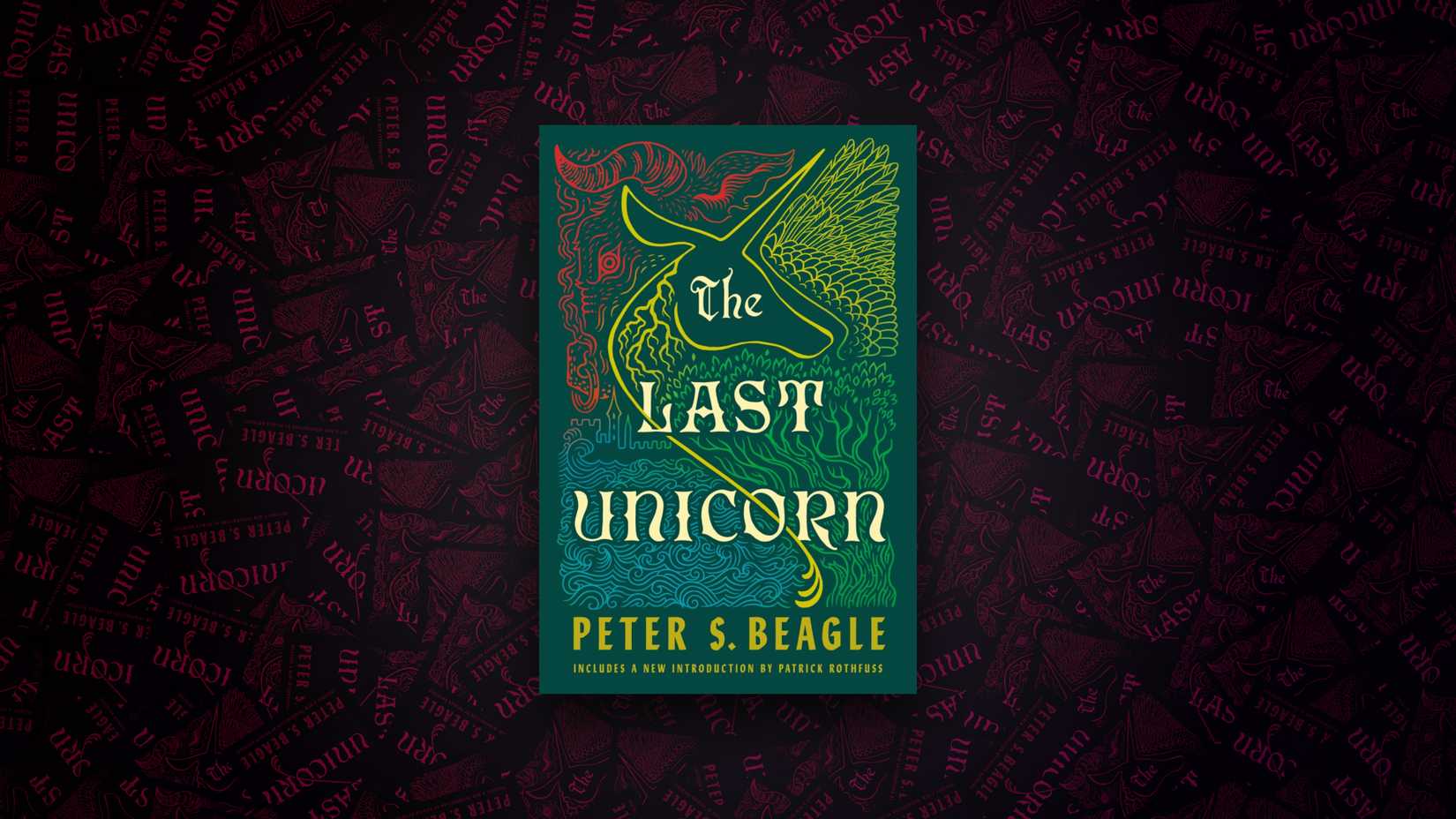
3. The Last Unicorn (1968) by Peter S. Beagle
Infused with a quiet, devastating heartbreak, Peter S. Beagle’s 1968 masterwork understands that a magical creature’s wonder is inextricably linked to the tragedy of its potential extinction. The narrative follows an immortal unicorn who discovers she may be the last of her kind, prompting a melancholic quest across a changing world toward the malevolent King Haggard and the terrifying Red Bull.
Beagle’s prose balances fairy-tale comfort with profound existential melancholy, ensuring that every fantastical encounter carries monumental emotional weight. The Last Unicorn endures because it refuses to offer easy escapism, serving instead as a poignant meditation on the passage of time, mortality, and the irreplaceable value of empathy.
4. A Wizard of Earthsea (1968) by Ursula K. Le Guin
Ursula K. Le Guin revolutionized coming-of-age fantasy with A Wizard of Earthsea, launching her iconic Earthsea Cycle through a lens of profound anthropological and psychological depth. The novel follows Ged, a prodigiously gifted young wizard whose youthful pride leads him to unleash a malevolent shadow upon the world, initiating a tense pursuit across a vast, island-strewn archipelago.
Le Guin meticulously crafted an ecological magic system governed by the power of "true names" and the delicate equilibrium of the universe. Crucially, Ged’s character arc subverts traditional combat tropes; his ultimate victory does not involve defeating an external monster through force of arms, but rather turning to embrace and integrate his own inner darkness. Its philosophical wisdom has cemented its place as an indispensable cornerstone of speculative fiction.
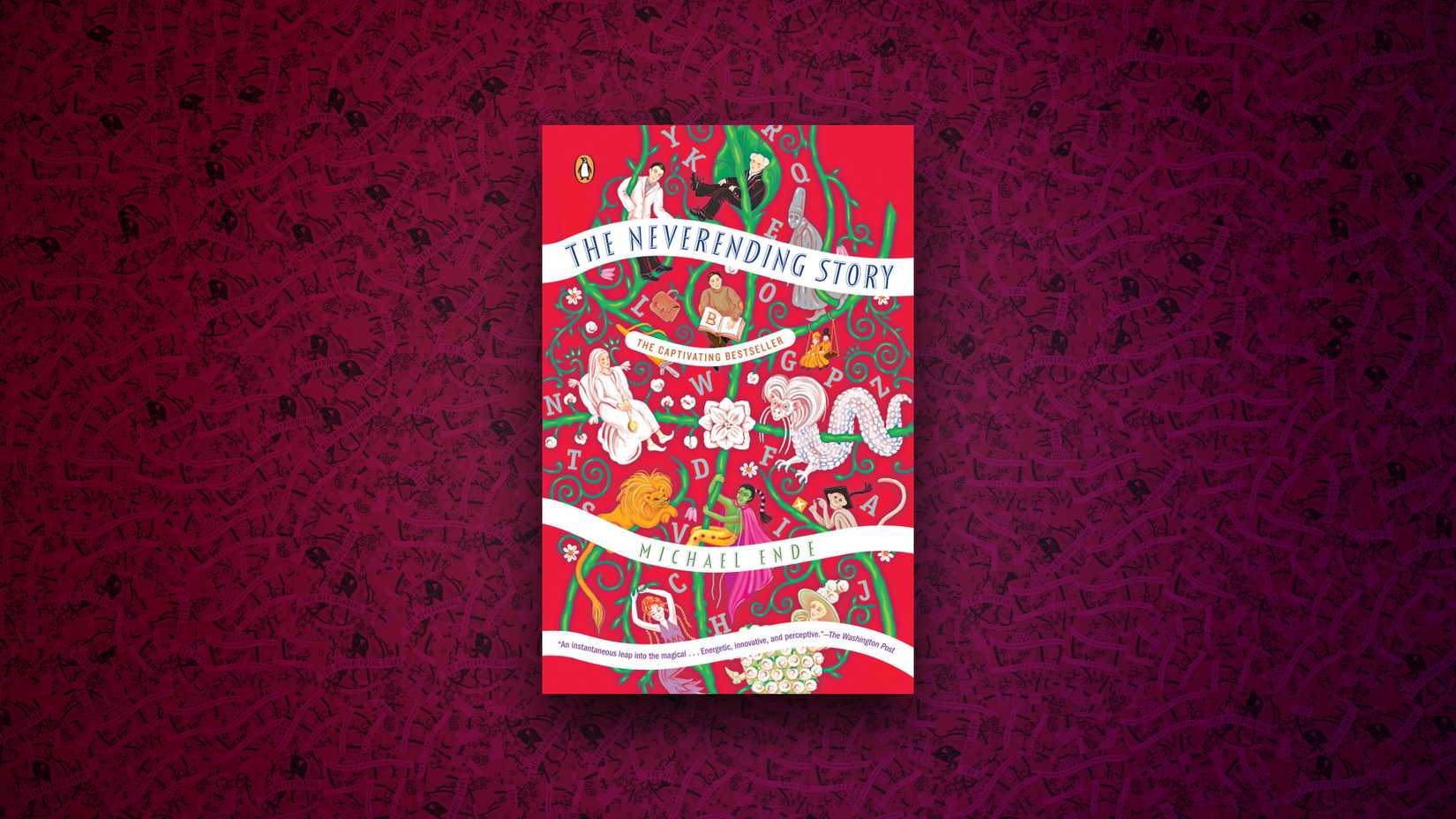
5. The Neverending Story (1979) by Michael Ende
Michael Ende’s 1979 visionary novel posits that the greatest fantasy adventures begin with an act of reading. When young Bastian Balthazar Bux steals away with a mysterious book, he finds himself drawn into the endangered realm of Fantastica, a world slowly being consumed by a malignant nothingness. As the boundary between reader and protagonist dissolves, Bastian realizes that saving the realm requires the active engagement of his own imagination.
Ende examined imagination not merely as a pleasant diversion, but as both a psychological refuge and an ethical responsibility. By breaking the fourth wall in ways few novels dare, The Neverending Story explores the psychological dangers of escapism while celebrating the transformative power of storytelling.
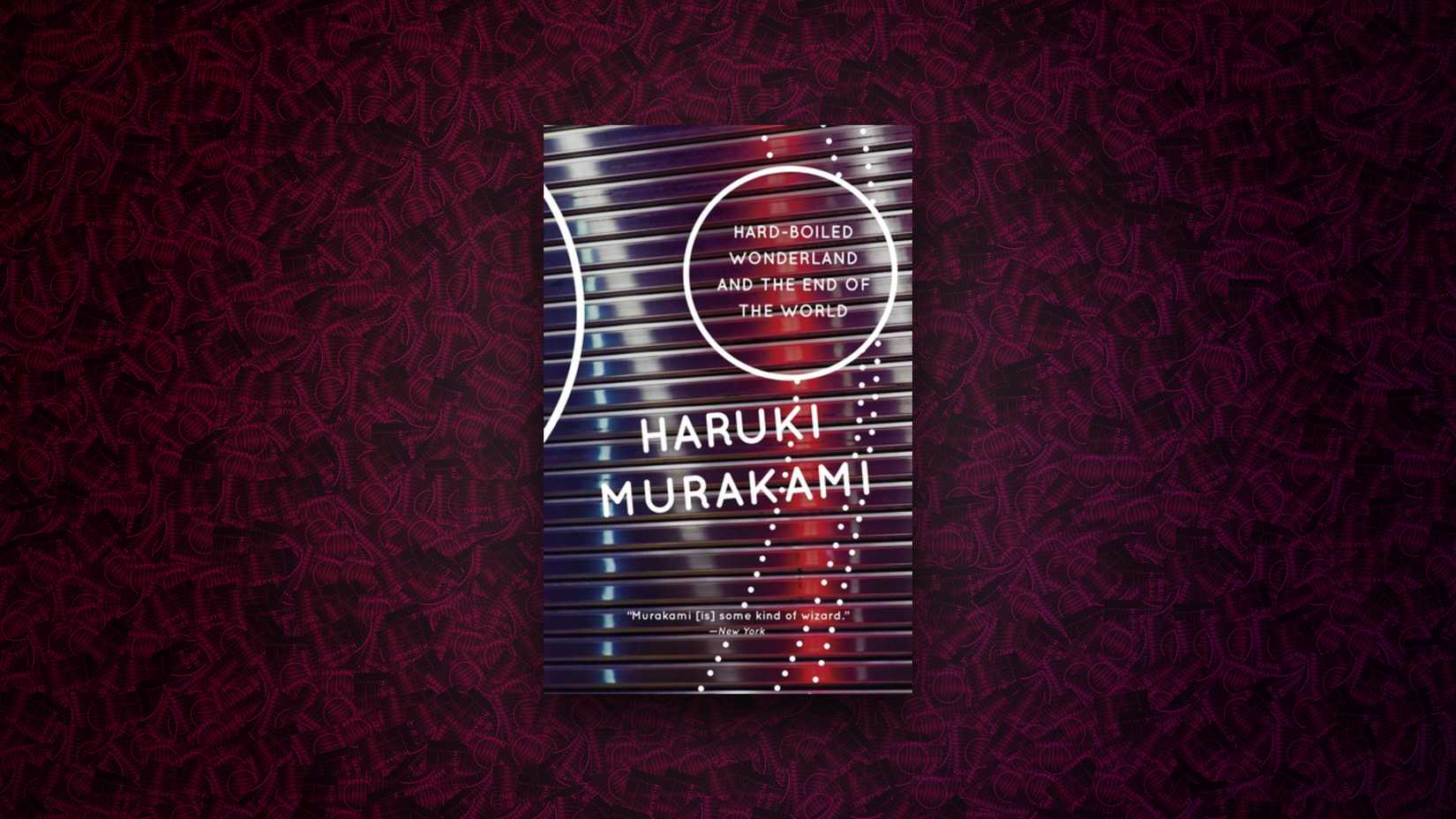
6. Hard-Boiled Wonderland and the End of the World (1985) by Haruki Murakami
Haruki Murakami’s 1985 novel remains one of the most disorienting and innovative crossovers between speculative fiction and literary surrealism. The narrative alternates between two seemingly disparate threads: a futuristic, cybernetic Tokyo governed by data syndicates, and a walled, dreamlike town where residents must surrender their shadows to read old dreams.
Murakami fuses noir detective tropes with existential philosophy, charting how identity fractures when memory is systematically stripped away. By forcing the reader to navigate these shifting realities without a conventional safety net, Murakami demonstrates the boundless elasticity of speculative fiction when untethered from traditional genre conventions.
7. Weaveworld (1987) by Clive Barker
Horror master Clive Barker brought visceral texture to the fantasy genre with his 1987 epic, Weaveworld. The novel centers on the Fugue, an extraordinary pocket dimension inhabited by the magical Seerkind, which has been woven for safekeeping into the threads of an ordinary Persian carpet. When modern urban pressures threaten the carpet’s existence, two unsuspecting humans are pulled into a high-stakes battle to preserve the realm from ruthless exploitation.
Barker infused high fantasy with grotesque transformations, sensual world-building, and high-stakes peril, proving that imaginative literature thrives when it embraces the uncanny and the macabre. Beneath its dark exterior lies an unwavering defense of artistic creation against the forces of bureaucratic apathy.
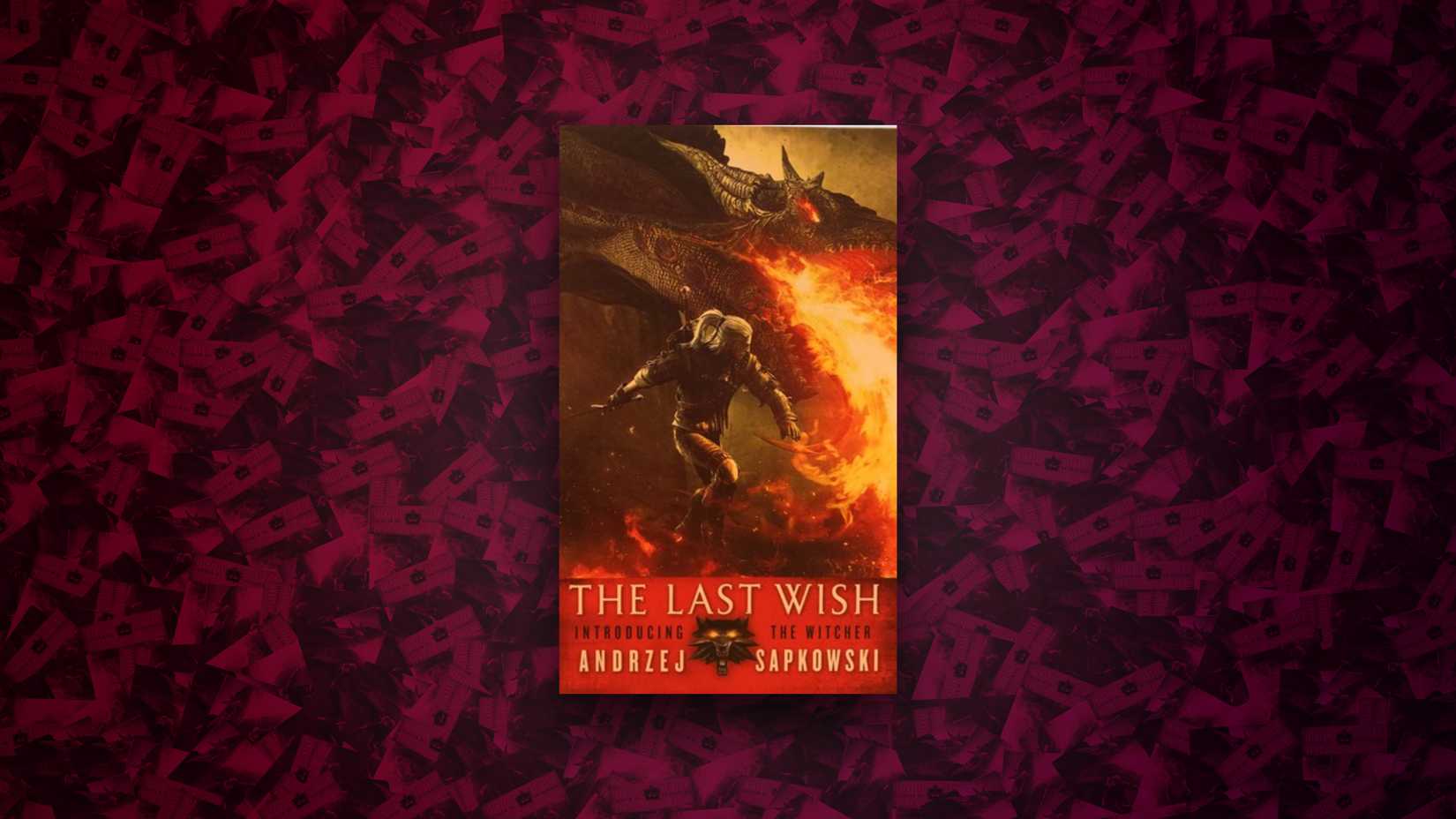
8. The Last Wish (1993) by Andrzej Sapkowski
Andrzej Sapkowski’s The Last Wish codified a gritty, morally ambiguous brand of fantasy that would eventually conquer global media via The Witcher franchise. Composed of interconnected short stories drawing heavily from Slavic and European folklore, the collection gleefully deconstructs traditional fairy tales: princesses mutate into predatory monsters, and the line separating human nobility from monstrous cruelty is constantly blurred.
Through the weary, pragmatic eyes of Geralt of Rivia, Sapkowski established a blueprint for dark fantasy that prioritizes systemic corruption, institutional indifference, and pragmatic survival over pristine heroism.
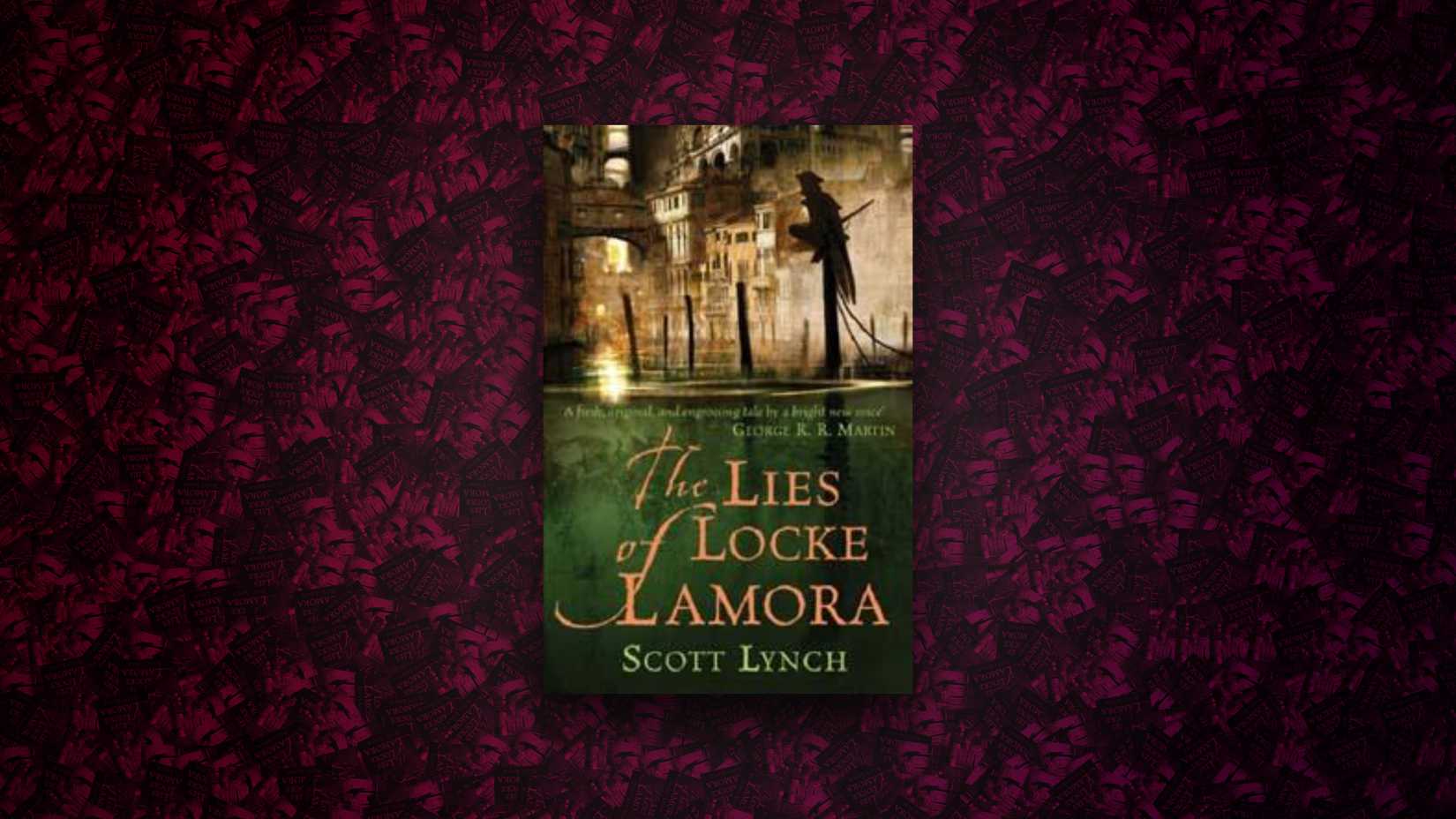
9. The Lies of Locke Lamora (2006) by Scott Lynch
Scott Lynch injected high-energy caper mechanics into modern secondary-world fantasy with The Lies of Locke Lamora. Eschewing ancient prophecies and world-ending dark lords, the novel tracks the Gentleman Bastards—a tight-knit crew of elite con artists operating within the Venetian-inspired criminal underworld of Camorr.
Lynch pairs razor-sharp dialogue and intricate heist plotting with a dangerous, vibrant urban environment. By focusing on wit, loyalty, and psychological manipulation rather than brute combat prowess, the novel provided a fresh paradigm for character-driven fantasy.
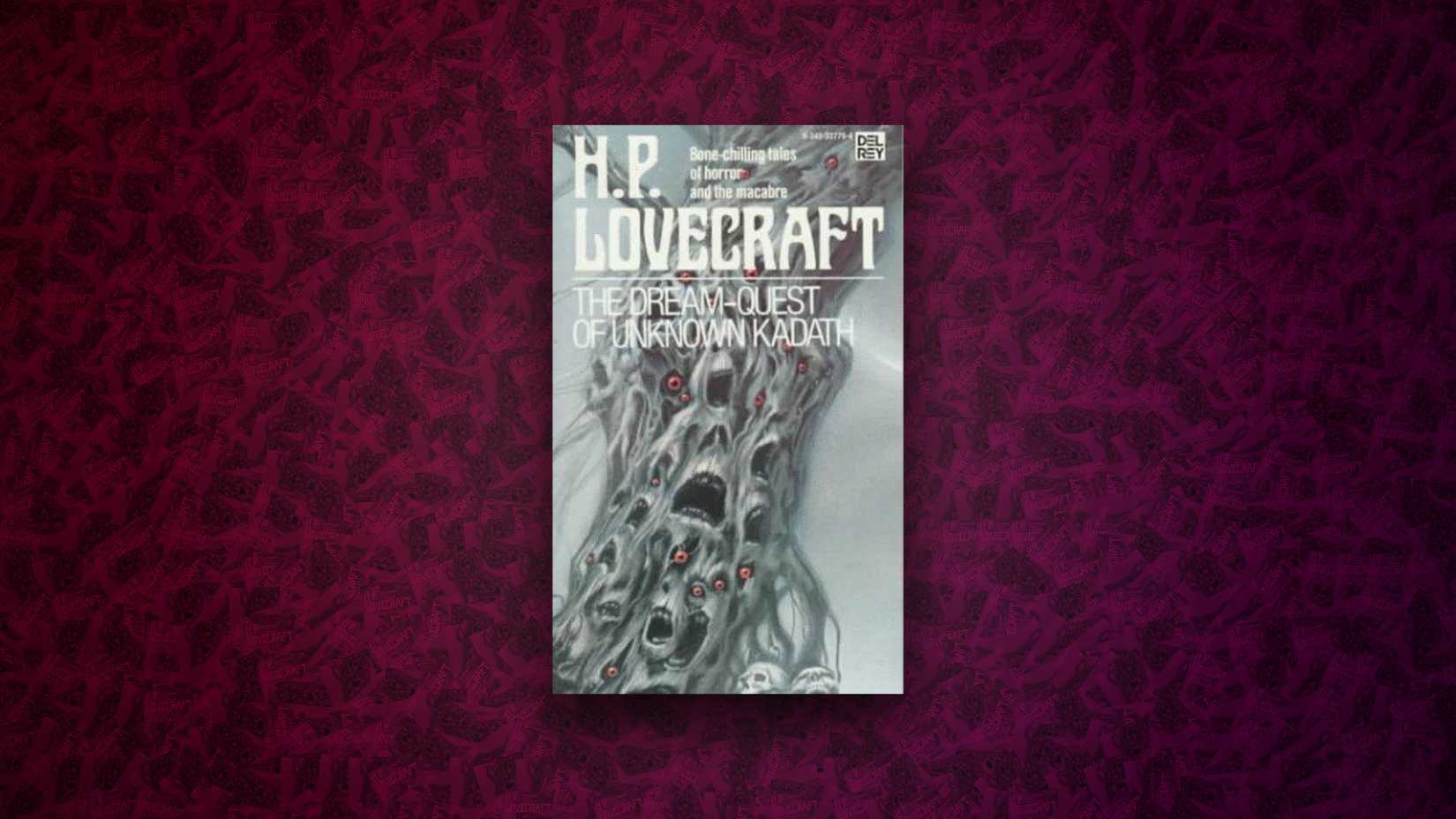
10. The Dream-Quest of Unknown Kadath (Posthumously published in 1943) by H.P. Lovecraft
Though primarily celebrated as a titan of cosmic horror, H.P. Lovecraft achieved a singular milestone in surreal fantasy with The Dream-Quest of Unknown Kadath. Written in the mid-1920s but published posthumously, the novella follows Randolph Carter on a sprawling expedition across the wondrous, terrifying Dreamlands in search of an elusive, sunset-glowing city.
Lovecraft’s sprawling narrative showcases an astonishing capacity for mythic world-building, fusing classical folklore with cosmic indifference. It stands as a vital reminder that the roots of fantasy often draw nourishment from humanity’s deepest, most irrational nocturnal fears.
Supporting Context & Metrics
The enduring cultural footprint of these ten masterworks is reflected not merely in critical acclaim, but in global publishing metrics, educational curricula, and cross-media adaptation pipelines.
Global Circulation: Works such as The Lord of the Rings have surpassed 150 million copies sold worldwide, anchoring a multibillion-dollar multimedia ecosystem that spans cinema, tabletop gaming, and digital entertainment.
Academic Integration: Texts like Ursula K. Le Guin’s A Wizard of Earthsea and Lewis Carroll’s Alice’s Adventures in Wonderland are fixtures in university literature departments, studied for their contributions to semiotics, feminist theory, and psychological subtext.
Genre Diversification: The inclusion of non-traditional formats—ranging from Murakami’s magical realism to Lynch’s picaresque crime fiction—demonstrates that the contemporary fantasy market is expanding rapidly beyond Eurocentric high-fantasy paradigms.
Official Statements & Critical Consensus
Literary critics and industry leaders continue to emphasize the foundational importance of speculative fiction in addressing contemporary anxieties. In retrospective essays celebrating the legacy of mid-century fantasy, cultural historians frequently note that imaginative literature acts as an indispensable stress test for human ethics.
"Fantasy is true, of course—not because dragons exist, but because dragons can be beaten. When authors like Tolkien or Le Guin construct alternate realities, they are not escaping from our world; they are returning to it with sharper tools for survival."
— Retrospective Literary Analysis on Modern Speculative Fiction
Furthermore, modern publishing data indicates a sustained consumer shift toward character-focused, morally complex narratives. Publishers note that readers increasingly demand works that challenge orthodox tropes, favoring the psychological depth found in Sapkowski or Beagle over simplistic good-versus-evil binaries.
Future Outlook
As the literary landscape heads toward the latter half of the 2020s, the definition of essential fantasy continues to broaden. The massive commercial and critical success of cross-genre storytelling—exemplified by upcoming video game adaptations, immersive multimedia expansions, and global translations—ensures that speculative fiction remains at the vanguard of cultural discourse.
Yet, despite rapid technological shifts in how stories are consumed, the printed page remains the primary crucible for world-building. Whether revisiting the philosophical depths of Earthsea, untangling the mathematical riddles of Wonderland, or riding alongside the Gentleman Bastards through Camorr, these ten masterworks provide an irreplaceable map for the human imagination. For any reader seeking to understand where literature has been—and where it is capable of going—these ten volumes are not merely recommendations; they are mandatory waypoints on the journey of a well-read life.