Executive Overview
As the sprawling commercial machine of Halloween approaches, the perennial anxiety of costume selection sets in. Every October, cultural consumers face a bifurcated path: descend into the hyper-ephemeral world of hyper-topical meme-costumes—frantically explaining a convoluted pop-cultural reference to strangers at a dimly lit party—or retreat to the timeless safety of classic archetypes. Yet, defaulting to a basic witch, a generic vampire, or an uninspired ghost often feels creatively bankrupt in an era defined by hyper-curated digital aesthetics.
To bridge the gap between unimaginative tradition and exhausting meme-literacy, the savviest dressers are looking backward to move forward. Rather than chasing the zeitgeist of yesterday’s TikTok trends, contemporary style icons are mining high-fashion archives, cinematic history, and avant-garde editorial shoots for conceptual inspiration.
This definitive guide draws from the deep vaults of Dazed Beauty archives to present five elevated, culturally rich costume blueprints. From FKA twigs’ feral feline celebrations to Gabbriette’s uncanny Vivienne Westwood pastiches, Alexa Demie’s neo-gothic witchery, Frances O’Sullivan’s classic Hollywood gore, and Tierra Whack’s surrealist mythological bridal-cyclops, these looks offer a masterclass in how to weaponize high-concept aesthetics for the ultimate Halloween execution.
Detailed Chronology: The Evolution of Archival and Avant-Garde Halloween
The shift from store-bought plastic masks and hastily assembled bedsheets toward curated, runway-adjacent Halloween costuming did not happen overnight. It represents a decade-long evolution in how subcultures, high fashion, and internet-native aesthetics intersect.
2018: The Mythological Surrealism Era (Tierra Whack & Petra Collins)
Long before the current obsession with meme-ified culture took hold of social media feeds, avant-garde collaborations were laying the groundwork for high-concept conceptual costuming. In 2018, director Petra Collins and psychedelic rap visionary Tierra Whack teamed up for a striking visual exploration that reimagined classical mythology through a contemporary, surrealist lens. By wedding high-fashion Victorian romanticism—courtesy of Simone Rocha’s voluminous lace and tulle—with a disturbing, hyper-realistic single-eye prosthetic, the duo proved that Halloween costuming could function as high art. This moment established a blueprint: take a classic, recognizable mythos (the Cyclops) and subvert it entirely using high-fashion styling and prosthetics, proving that the costume could exist independently of seasonal clichés.
2020: The Immersive Subcultural Gathering (FKA twigs’ Feline Jubilee)
As the global landscape shifted in 2020—sandwiched neatly between her monumental artistic eras MAGDALENE and the anticipation of Eusexua—FKA twigs pioneered a new wave of immersive, theme-locked social gatherings. Eschewing the traditional private-room birthday bash, twigs orchestrated a massive, highly curated feline-themed party where every attendee was pressed into service as a cat. Utilizing professional makeup artists from MAC (spearheaded by Rachel O’Donnell) and drawing direct aesthetic cues from the surreal, body-horror-adjacent 1980s stage production of Andrew Lloyd Webber’s Cats, the event demonstrated how collective world-building could elevate a simple costume concept into a total lifestyle statement. It signaled that classic costumes, when executed with theatrical commitment and professional prosthetic or cosmetic backing, remain undefeated.
2021–2022: The Cinematic Goth Revival (Alexa Demie’s Dark Magic)
With the meteoric rise of HBO’s Euphoria, actress Alexa Demie cemented herself as a defining modern muse. Her exclusive cover shoot with Bunny Kinney for Dazed Beauty captured the apex of prestige television’s dark-romance aesthetic. Subverting the bubbly, neon-drenched makeup trends dominating the mainstream, Demie leaned heavily into neo-gothic archetype territory: dead-straight raven hair, impenetrable black talon nails, impenetrable shadows, and stark, alabaster skin sliced by a bright, freshly drawn bloody lip. This archival moment provided an immediate, highly replicable formula for those looking to channel cinematic darkness without relying on tired vampire tropes.
2023: The Golden Age of Cinematic Gore (Frances O’Sullivan’s Hollywood Horrors)
By 2023, the digital beauty landscape experienced a massive pivot toward hyper-detailed, vintage-inspired horror. Artist and director Frances O’Sullivan began popularizing an annual tradition of merging classical Hollywood glamour with visceral, bodily terror. Moving away from cheap plastic vampire fangs and neon-green witch hats, O’Sullivan’s archive demonstrated the chilling power of juxtaposition: immaculate, 1950s coiffed hairstyles and all-American classic makeup disrupted by gaping, hyper-realistic prosthetic gashes and dripping synthetic blood. This era proved that the most effective horror costumes rely on a delicate tension between immaculate beauty and sudden, catastrophic violence.
2024: The Punk-Historical Pastiche (Gabbriette’s Vivienne Westwood Tribute)
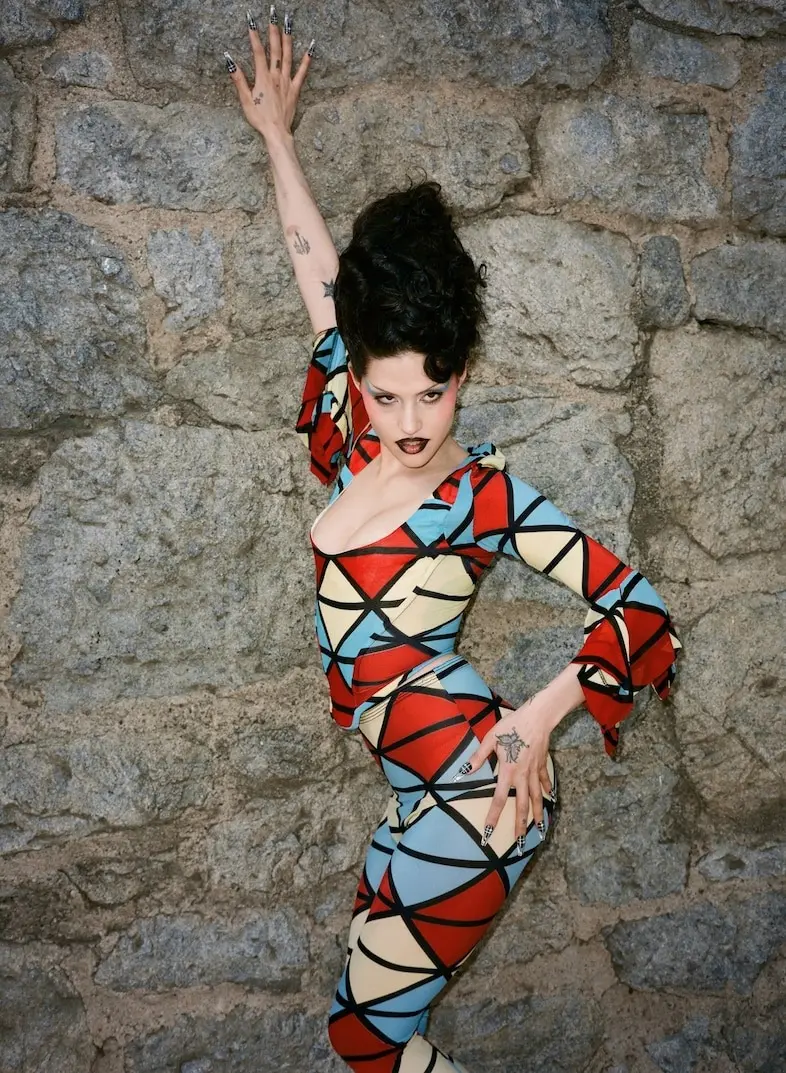
Entering late 2024, model and internet icon Gabbriette solidified a masterclass in paying homage to late-stage fashion royalty. In a tribute shoot dedicated to Dame Vivienne Westwood, a creative unit featuring makeup artist Jezz Hill, hairstylist Eric Williams, and nail artist Juan Alvear resurrected the iconic Harlequin aesthetics of the Autumn/Winter 1989 collections. By marrying powder-white complexions, sky-high avant-garde beehives, razor-thin brows, Nina Hagen-esque blush, and signature tartan prints, this archival look demonstrated how historical runway presentations can be seamlessly repurposed into high-impact, conceptual Halloween statements.
Supporting Context & Metrics: The Shift in Consumer Behavior
The commercial and cultural anatomy of Halloween has undergone a profound transformation. According to retail analytics and cultural data aggregates, consumer spending on Halloween has broken records year-over-year, driven largely by Gen Z and Millennial demographics shifting their budgets away from fast-fashion disposable costumes toward sustainable, archival, and beauty-forward conceptual styling.
- The Death of the Boxed Costume: Sales of traditional, mass-produced polyester boxed costumes have plateaued among urban, style-conscious consumers. Conversely, searches for vintage garments, theatrical prosthetics, and specialized beauty products (such as theatrical-grade foundations, blood gels, and custom-molded press-on nails) spike exponentially during the third quarter.
- The Rise of "Dope Aesthetics" Over Pop-Culture Satire: Cultural commentary points to "meme fatigue." While dressing as viral internet phenomena or hyper-niche political concepts provides a fleeting chuckle, it alienates casual observers and loses its cultural relevance within weeks. Archival fashion references, conversely, operate on an elevated visual plane; they communicate taste, historical literacy, and artistic alignment rather than passive algorithmic consumption.
- The Beauty-First Paradigm: Modern Halloween dressing is increasingly led by makeup artists and skincare-adjacent prosthetic applications rather than full-body suits. Platforms like TikTok and Instagram show a 300% increase in video tutorials dedicated to structural face-painting, archival runway makeup recreations, and hyper-realistic special effects (SFX) that can be paired with standard, high-end wardrobe pieces.
Official Perspectives: Creators on the Art of Conceptual Dressing
To understand the mechanics behind these iconic looks, one must look directly to the visionaries who brought them to life. Their approaches highlight that dressing up is less about purchasing an item and more about total psychological and aesthetic immersion.
FKA twigs on the Collective Cat Experience
Reflecting on her legendary feline-themed birthday party, multi-hyphenate artist FKA twigs noted the underlying social psychology of thematic commitment:
"I think it is just funny to get 100 adults to dress up as cats. When you strip away the pretension of a standard party and force everyone into latex masks, feral brows, and whisker work, the entire social dynamic shifts. Everyone is suddenly uninhibited, operating on a completely different, feral frequency."
Frances O’Sullivan on the Beauty-Gore Binary
For artist and director Frances O’Sullivan, the power of a great horror costume lies in its ability to disturb through beauty:
"There is nothing more compelling than immaculate preservation meeting sudden destruction. If you look at the silver screen icons of the golden age, their perfection is their armor. When you crack that armor with a meticulously placed gash or artificial blood that looks genuinely warm and wet, you create a psychological dissonance that pure ugliness can never achieve."
Future Outlook: The Next Wave of Archival Halloween Inspiration
As we look toward future Halloweens, the trajectory of costume design points toward an even deeper integration of high-fashion curation, historical subversion, and high-art beauty execution. The days of walking into a party wearing a low-effort onesie are rapidly fading into obsolescence.
1. The Revival of Forgotten Subcultures
Future styling will likely lean into even more obscure historical pockets. Expect to see reinterpretations of 1990s Japanese street fashion (such as early Fruits magazine decora and Kogal looks), 1970s proto-punk industrial aesthetics, and deep-cut cinematic monsters from 20th-century European expressionist cinema.
2. High-Tech Prosthetics Meet Sustainable Fashion
As environmental consciousness permeates the fashion and beauty industries, the future of Halloween costuming will embrace circular fashion—upcycling archival designer garments paired with hyper-realistic, reusable silicone and gelatin prosthetics. The goal will be to craft looks that are both visually striking and ecologically sustainable, reducing the staggering waste associated with single-use polyester costumes.
3. The Democratization of Avant-Garde Beauty
Thanks to the accessibility of professional-grade cosmetics, tutorials, and independent prosthetic designers operating via social commerce platforms, everyday dressers now possess the technical capabilities once restricted to editorial film sets and runway backstage crews. Recreating a Vivienne Westwood Harlequin face or a pristine, surrealist single-eye prosthetic is no longer confined to the pages of Dazed Beauty; it is an accessible blueprint for anyone willing to invest time in artistic execution.
Ultimately, whether you choose to steal something furry from the feline vaults, lean into the neo-gothic romanticism of Alexa Demie, or strap a third eye to your forehead à la Tierra Whack, the mandate for the modern Halloween dresser is clear: escape the algorithm, dive into the archives, and commit entirely to the vision.