Executive Overview
Over the past few years, a quiet revolution has taken place across our digital feeds and physical trails alike. Snowy mountain peaks, lush green alpine meadows, cows adorned with heavy brass bells, and rustic wooden cabins have dominated our screens. It often feels as though overnight, an entire generation transformed into elite alpinists. Clad in high-tech Gore-Tex and navigating dizzying elevation gains, weekend warriors now proudly sip regional sodas at high altitudes, sharing their triumphs with the world.
This modern infatuation with hiking is far more than a fleeting aesthetic or a localized trend; it represents a profound cultural shift. As our daily lives become increasingly hyper-connected, sedentary, and urbanized, the great outdoors has emerged as the ultimate sanctuary. But this movement is not merely about escaping the confines of modern life—it is an active reclamation of physical vitality, mental clarity, and deep personal empowerment.
At the intersection of this cultural zeitgeist are forward-thinking brands and initiatives recognizing that nature is the ultimate gymnasium and therapist combined. A prime example is the collaboration between lifestyle platforms and outdoor giants like adidas TERREX, which recently championed this philosophy through immersive community experiences like the “Design Your Life” Hiking Days in Germany’s breathtaking Elbe Sandstone Mountains.
This article explores the multifaceted appeal of the modern hiking movement, examining why millions are taking to the trails, the profound psychological and physical transformations it inspires, and how this ancient practice is being redesigned to shape the future of personal growth.
Detailed Chronology: The Evolution of the Modern Hiking Trend
To understand how hiking captured the collective consciousness of a generation, it is helpful to trace its recent trajectory from an understated outdoor hobby to a dominant lifestyle movement.
Phase 1: The Pandemic-Era Reconnection (2020–2021)
The groundwork for the current hiking boom was undeniably laid during the global disruptions of the early 2020s. With indoor fitness facilities, social venues, and travel corridors temporarily shuttered, individuals sought safe, socially distanced ways to maintain their physical and mental well-being. Local forest paths, state parks, and previously overlooked nature reserves suddenly became the primary destinations for weekend exploration.
Phase 2: The Digital Ascent and Aesthetic Normalization (2022–2023)
As restrictions eased, the habit of spending time in nature did not fade—instead, it evolved. Social media platforms played a pivotal role in democratizing and popularizing the outdoors. Hiking transitioned from a rugged, highly specialized subculture into an accessible, aesthetically driven lifestyle choice. High-performance technical gear became mainstream streetwear (a phenomenon known as gorpcore), and sharing panoramic summit views became the ultimate flex. The narrative shifted: spending a Saturday conquering a ridge line was no longer viewed as an extreme athletic feat, but as a desirable, well-balanced way to spend one’s leisure time.
Phase 3: The Holistic Empowerment Era (2024 and Beyond)
Today, hiking is recognized less as a mere weekend activity and more as a holistic vehicle for self-discovery and mental health. Brands, communities, and outdoor enthusiasts are leaning into the deeper psychological benefits of the trail. Initiatives like the adidas TERREX women-focused workshops in the Elbe Sandstone Mountains mark a sophisticated evolution of the trend: moving beyond just "taking a hike" to intentionally using the physical challenge of the mountains as a metaphor for overcoming life’s obstacles and designing one’s personal future.
Supporting Context & Metrics: Why We Fall in Love with the Trail
The mass migration toward the mountains is supported by a compelling mix of physiological, psychological, and social factors. Understanding why hiking resonates so deeply requires examining the core components of the experience.
1. Radical Accessibility and Inclusivity
Unlike many modern fitness trends that require expensive boutique gym memberships, specialized studio classes, or cumbersome equipment, hiking remains remarkably democratic. In its purest form, it requires very little: two functional legs, a pair of sturdy shoes, and a sense of curiosity. In most cases, accessing a trail is completely free.
Furthermore, hiking accommodates every level of experience. Whether you are a total beginner embarking on a gentle afternoon micro-adventure or a seasoned trekker outfitted for a multi-day expedition, the mountains welcome all. You do not need to live adjacent to towering alpine ranges to participate; spontaneous day trips and weekend getaways allow urban dwellers to reconnect with nature sustainably, discovering hidden local landscapes just beyond their city limits.
2. A Living Connection to History and Art
The landscapes that beckon us outdoors today are steeped in cultural heritage. The dramatic rock formations, cascading waterfalls, enchanted forests, and sweeping valley views found across European and global hiking regions are the very vistas that inspired the masters of Romanticism centuries ago. Walking these trails allows modern adventurers to step directly inside the canvases of historical artists, experiencing the sublime beauty of nature firsthand.
3. The Power of Unplugged Shared Experiences
In an era defined by digital fragmentation, the trail acts as a powerful catalyst for authentic human connection. Hiking with a partner or a group of close friends offers an environment where conversations achieve a rare, organic depth. Stripped of digital notifications, work emails, and household distractions, individuals find the mental space for meaningful dialogue that is increasingly difficult to cultivate in everyday life.
4. Raw Physical Engagement
Modern life often insulates us from physical exertion. We sit at desks, ride in elevators, and work in climate-controlled environments. Hiking strips away these artificial barriers. It allows us to feel our bodies purely and intensely:
- The raw power pulsing through our legs as we tackle a steep incline.
- The sensation of cool mountain air filling our lungs as the altitude increases.
- The undeniable proof of our physical endurance working hard to propel us upward.
This direct, unfiltered physical engagement provides a refreshing antidote to the sedentary nature of contemporary work culture.
Official Perspectives: The Mind-Body Connection on the Trail
The therapeutic benefits of hiking extend far beyond physical conditioning. Psychologists and outdoor educators increasingly emphasize the profound mental reset that occurs when human beings immerse themselves in natural environments.
The Mental Architecture of Resilience
When we hike, we challenge ourselves in ways that require both physical stamina and mental fortitude. Facing a steep ascent or an unexpected weather shift forces individuals to dig deep, manage fatigue, and push past perceived limitations.
“When you are on the mountain, you are forced to make active choices with every step,” notes a leading outdoor wellness advocate. “You learn how to push through when exhaustion sets in, but equally, you learn the wisdom of pausing when you need to catch your breath. You observe the beauty around you and choose to absorb it. These micro-decisions—believing in your capacity to handle discomfort and adversity—are exact cognitive blueprints that translate directly into how we navigate our professional and personal lives.”
Brand Alignment with Outdoor Wellness
Recognizing these transformative psychological effects, major athletic brands have shifted their focus toward experiential community building. A prominent example of this philosophy in action is the adidas TERREX brand. Committed to inspiring outdoor enthusiasts to push beyond their boundaries, the brand regularly curates immersive experiences designed to foster personal growth alongside physical exploration.
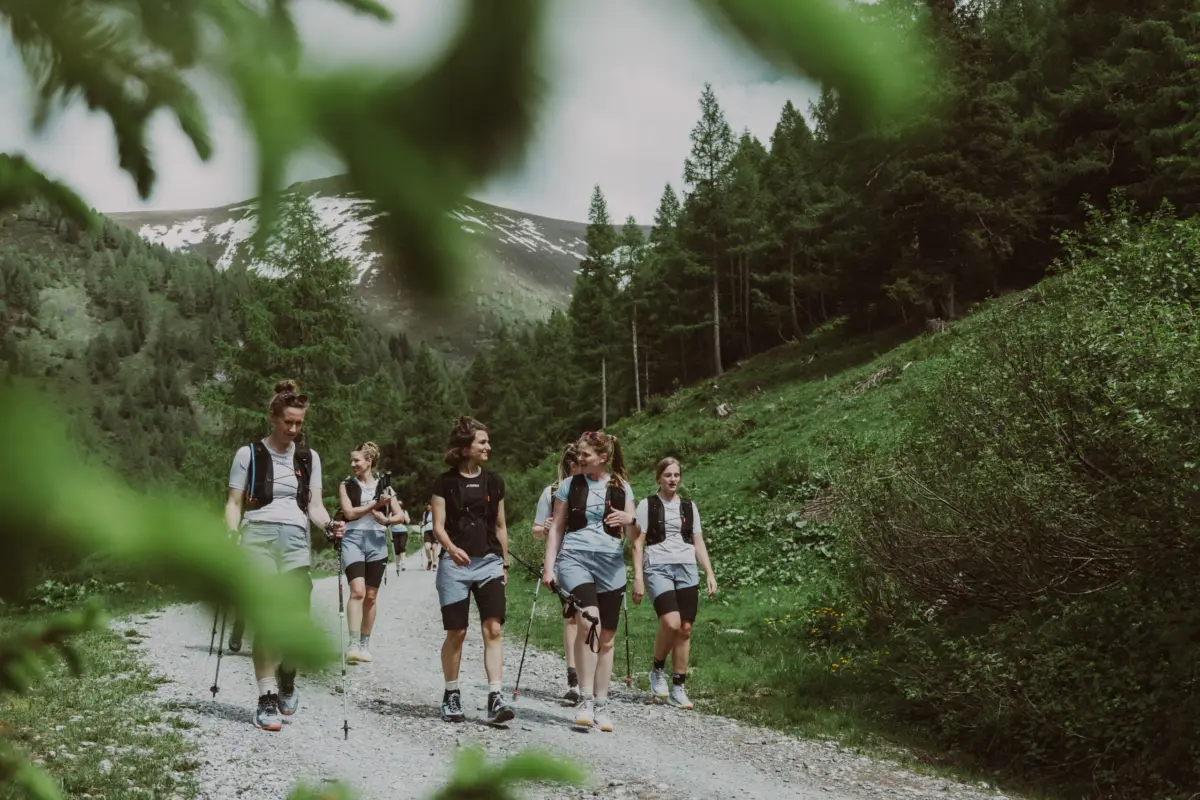
A flagship manifestation of this ethos was the “Design Your Life” Hiking Days event held in Germany’s Elbe Sandstone Mountains. Tailored exclusively for women, the program was designed to merge expert coaching with challenging outdoor expeditions along one of Germany’s most famous and scenic trails: the Malerweg (Painter’s Way).
The initiative was built around a powerful premise: bringing together a community of like-minded women in a majestic natural setting to explore not only physical endurance, but also life design, decision-making, and future planning. By combining expert-led workshops with rigorous outdoor exploration (requiring participants to tackle 500 to 600 vertical meters of daily elevation over 6- to 7-hour hikes), the program underscored that conquering a mountain trail is deeply analogous to taking control of one’s personal and professional trajectory.
Future Outlook: Where is the Hiking Movement Headed?
As we look toward the future of outdoor recreation and lifestyle culture, several distinct trends are emerging regarding how we engage with nature.
1. From Aesthetic Escapism to Intentional Personal Development
While the visual appeal of mountain vistas will continue to drive social media engagement, the underlying motivation for hitting the trails is maturing. Consumers are seeking depth over mere documentation. Future outdoor initiatives will likely lean further into transformative travel—combining physical expeditions with mental health workshops, leadership training, and holistic wellness retreats.
2. Sustainable Micro-Adventures and Local Exploration
With growing awareness of carbon footprints and the environmental impact of long-haul tourism, the concept of the "micro-adventure" is set to thrive. Travelers are increasingly turning their gaze inward, exploring regional trails, national parks, and local nature reserves. This shift not only promotes sustainable tourism but also encourages a deeper, more rooted appreciation of one’s immediate geographical surroundings.
3. Inclusive Outdoor Communities
Historically, certain outdoor spaces and extreme sports demographics have felt exclusive or intimidating to beginners. The future of hiking belongs to inclusivity. Programs specifically designed to lower entry barriers—such as women-only adventure workshops, beginner-friendly guided treks, and community-led hiking clubs—are dismantling historical gatekeeping. By providing comprehensive gear support, professional guidance, and supportive peer networks, these initiatives ensure that the physical and mental benefits of the trail are accessible to all curious spirits.
Conclusion
The modern hiking movement is much more than a temporary cultural fad or an excuse to wear high-performance technical apparel. It is a vital counter-movement to the pressures of modern life—an invitation to step away from the screen, recalibrate the senses, and remember what it feels like to move through the world under our own power.
Whether you are seeking the quiet solitude of a misty forest canopy, the invigorating burn of a steep alpine climb, or the profound bonds forged during deep conversations around a campfire, the trail offers a universal arena for self-discovery. As brands like adidas TERREX and communities worldwide continue to champion the synergy between physical exploration and personal empowerment, one thing remains certain: the mountains are calling, and humanity is answering louder than ever before.