Published: August 13, 2026
Author: Thomas Hindmarch
Category: Film & Television Retrospective / Industry Analysis
Executive Overview
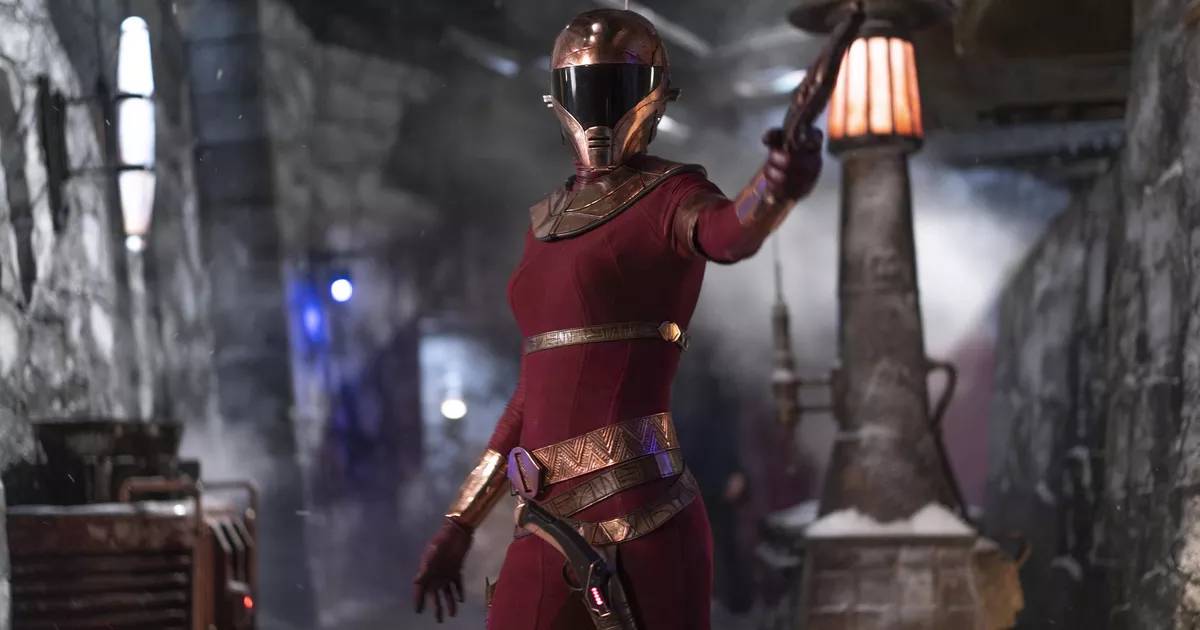
In the discourse of modern entertainment writing, there is an enduring temptation to categorize Jeffrey Jacob "J.J." Abrams through a reductive lens. To the network television devotee of the early 2000s, he is the visionary behind Alias or the architect of Fringe. To the sci-fi purist, he is the man who revitalized the Star Trek franchise for a 21st-century audience. For television critics who savor deeper cuts, he is remembered as the co-creator of the heartfelt coming-of-age drama Felicity. Meanwhile, within the combative corridors of internet film discourse and rage-bait YouTube channels, he remains a lightning rod for controversy over his handling of Star Wars: The Rise of Skywalker.
Yet, these familiar touchstones tell only a fraction of a sprawling, decades-long career. Abrams has been a disruptive, prolific force in Hollywood for longer than many casual observers realize, navigating everything from high-concept romantic dramas to pulse-pounding space operas, weird science thrillers, and prestige cosmic horror.
This week marks the theatrical debut of David Robert Mitchell’s The End of Oak Street—a high-profile original project produced under Abrams’ Bad Robot banner. To mark the occasion, we step away from the ubiquitous blockbusters like Star Trek, Star Wars, and Super 8 to undertake a comprehensive, unorthodox retrospective of Abrams’ career. From 1990s cryonics melodramas and catastrophic asteroid blockbusters to the foundational mythos of modern television, this is the complex, winding story of a producer and creator who forever altered the DNA of modern pop culture.
Detailed Chronology: Key Milestones in the Abrams Canon
To understand the trajectory that led to modern genre staples and upcoming releases like The End of Oak Street, one must trace a path through the specific, often eccentric projects that defined Abrams’ professional evolution.
Forever Young (1992): The $2 Million Cryogenic Breakthrough
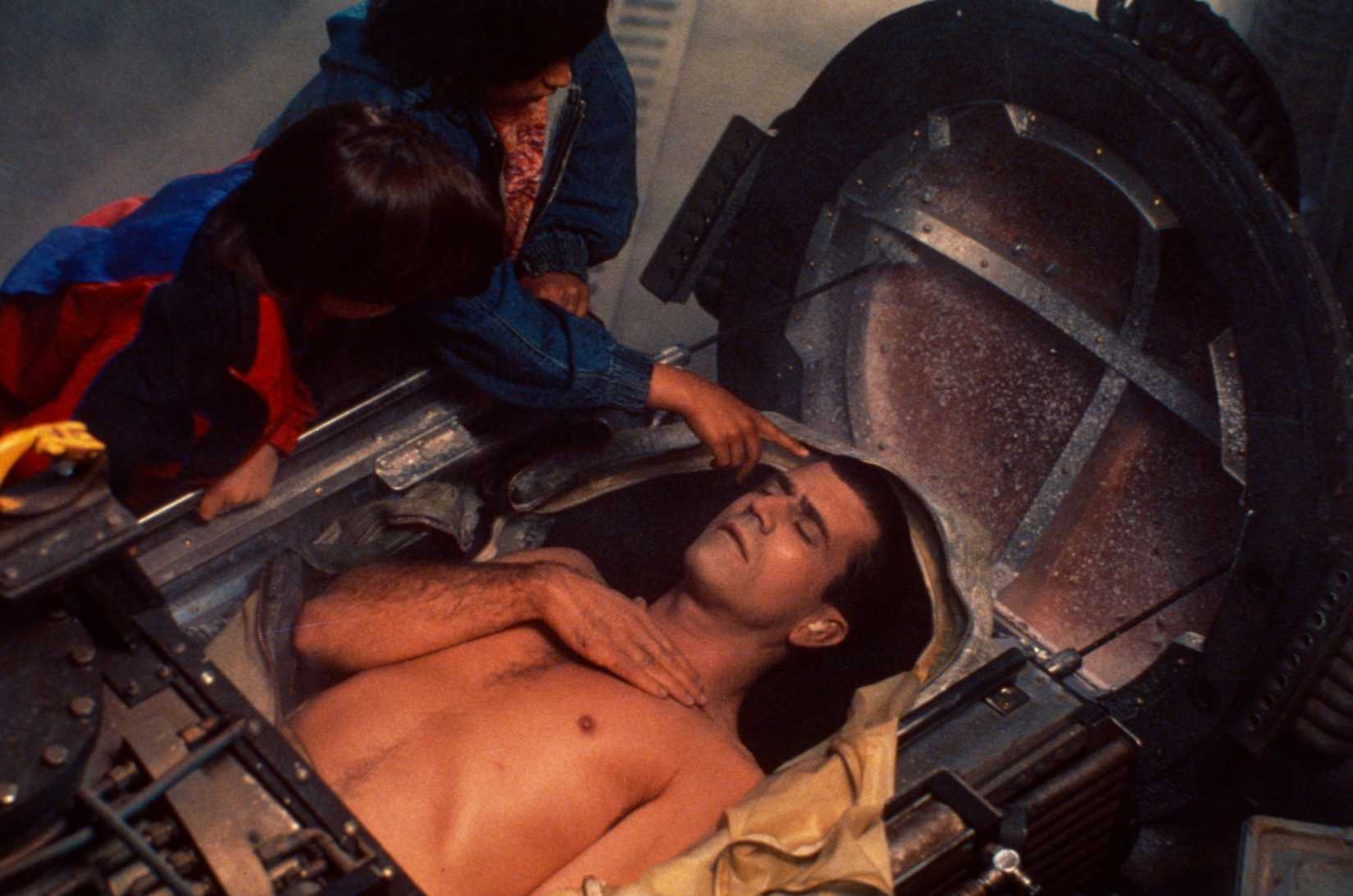
Long before he was building mystery boxes for network television or commanding blockbuster budgets for Disney and Paramount, a young Jeffrey Abrams made waves as a screenwriter with a remarkably unusual premise. Released in 1992, Forever Young stars Mel Gibson as Daniel McCormick, a reckless and daring test pilot in 1939 who tragically loses the love of his life in a sudden car accident. Consumed by grief and unable to face a world without her, McCormick volunteers to participate in a classified cryogenic suspension experiment conducted by his best friend—opting to sleep away the decades rather than endure his sorrow.
Naturally, the experiment goes awry. McCormick wakes up 53 years later in 1992, stepping out of a forgotten military warehouse into a radically transformed modern world. With his physical health deteriorating and federal authorities slowly catching onto his bizarre origins, McCormick must embark on a breathless race against time to understand what went wrong and find whatever remains of his past.
Originally penned under the evocative working title The Rest of Daniel, the screenplay sparked a fierce bidding war before being acquired by Warner Bros. for a then-astounding, record-breaking sum of $2 million. Trade reporters at the time heavily criticized the studio for spending such an exorbitant amount on an untested young writer. However, Forever Young ultimately silenced the skeptics by grossing $128 million worldwide at the box office—proving that Warner Bros.’ instincts were remarkably sound, at least for that era.

Armageddon (1998): Polishing the Planet-Killer
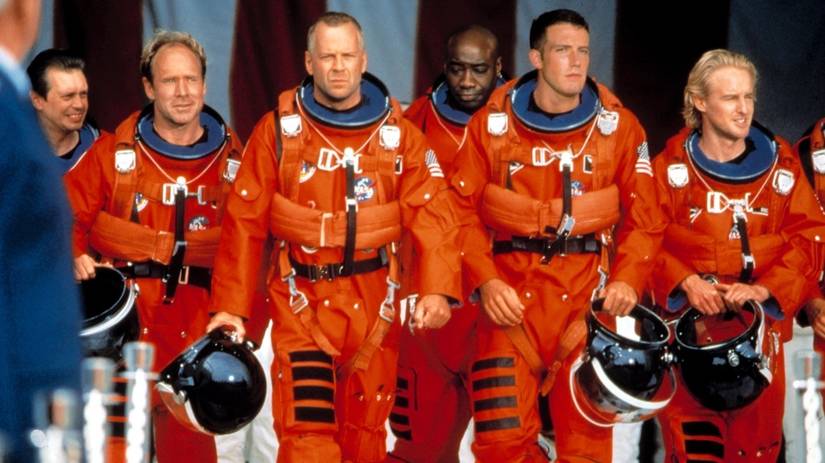
By the late 1990s, Abrams had established himself as a sought-after script doctor, brought in to inject high-octane momentum and snappy dialogue into massive studio projects. One of his most visible contributions from this era was uncredited script work on Michael Bay’s 1998 extravaganza, Armageddon.
Nearly three decades later, Armageddon occupies a peculiar space in cinema history, serving as a frequent pop-culture punchline. Generations of filmgoers have delighted in mocking Michael Bay’s maximalist, sturm und drang directorial style. The film’s foundational premise—that NASA would recruit a rough-around-the-edges crew of deep-core oil drillers, hastily train them as astronauts, and blast them into space to detonate a nuclear device inside an approaching planet-killer asteroid—has spawned countless satirical essays and scientific takedowns. (As Ben Affleck famously pointed out to Bay during production, it surely would have been easier to teach trained astronauts how to drill than to teach drillers how to be astronauts.)
Yet, viewed strictly as a feat of pacing, Armageddon exemplifies the relentless forward momentum that Abrams would bring to his later work. Swept up in a wave of competitive disaster movies (being rushed into production alongside Mimi Leder’s Deep Impact), Abrams and the writing team crafted a picture designed to pull audiences along by sheer kinetic force—leaving logical scrutiny for the walk out of the theater.
Alias (2001): The Spy-Fi Genesis
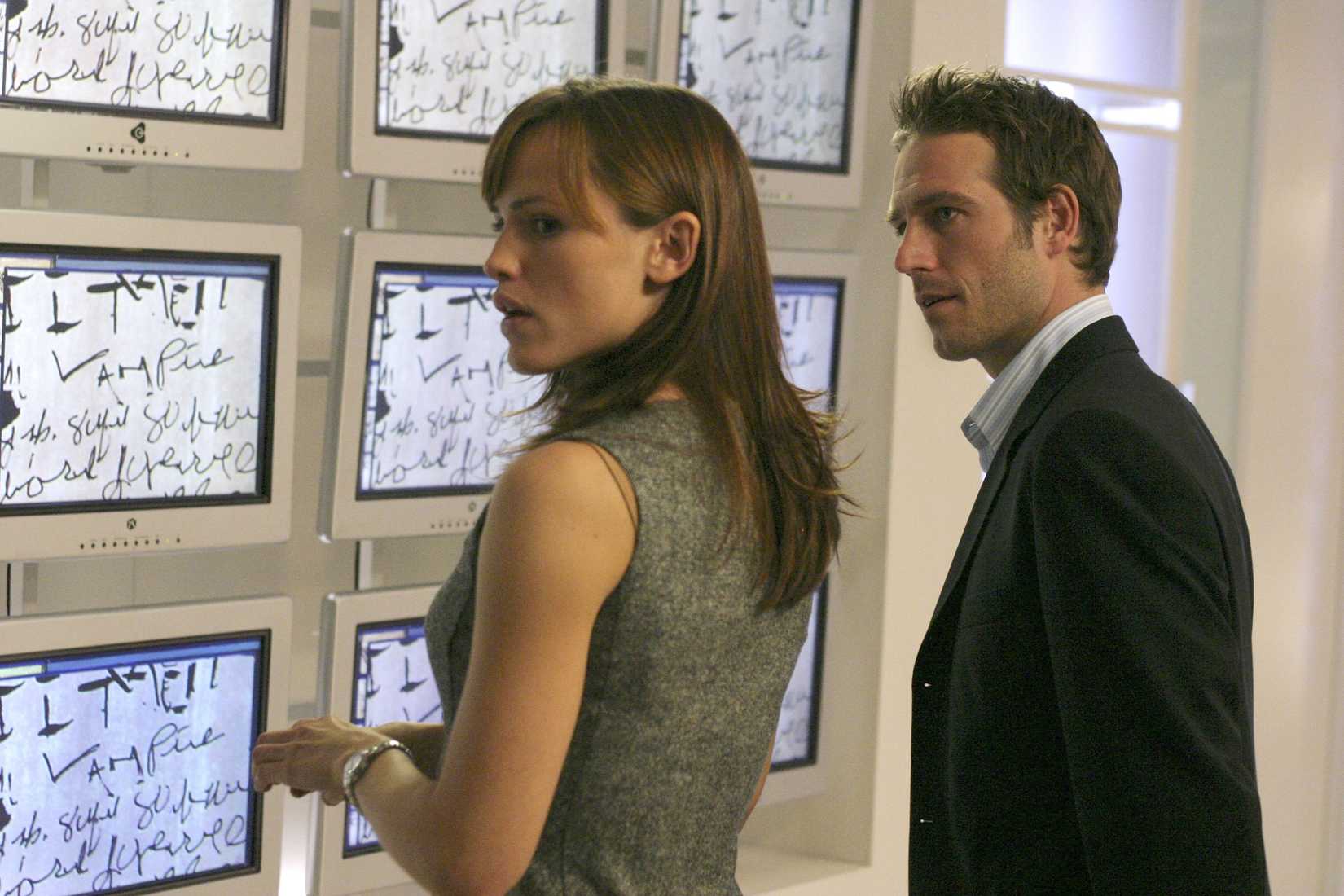
As television entered the new millennium, Abrams made the leap to the small screen as a creator and showrunner, delivering a cultural phenomenon for ABC with Alias. The series centered on Sydney Bristow (Jennifer Garner), a brilliant college student recruited by what she believes to be a top-secret division of the CIA known as SD-6. When her fiancé is brutally murdered after revealing he knows her secret profession, Sydney makes a harrowing discovery: SD-6 is not a branch of the government, but a ruthless international criminal syndicate she thought she was fighting.
Turning double agent, Sydney joins the actual Central Intelligence Agency to bring down SD-6 from the inside, kicking off a five-season saga of wigs, disguises, high-stakes espionage, and ancient pseudo-scientific mythology courtesy of the mysterious 15th-century prophet Milo Rambaldi.
Alias is widely credited with cementing Jennifer Garner as a bona fide global action star. It also stands as one of the most successful and enduring entries in the post-Buffy the Vampire Slayer wave of female-led genre television. Looking back at the series—particularly its later seasons—it is impossible not to see its fingerprints all over modern interactive media, most notably Ubisoft’s Assassin’s Creed franchise. Indeed, one could argue that a direct live-action adaptation of Assassin’s Creed is almost redundant, given that the clandestine conspiracies and ancient artifacts of Alias season 5 essentially paved the way.
Lost (2004): Building the Mystery Box
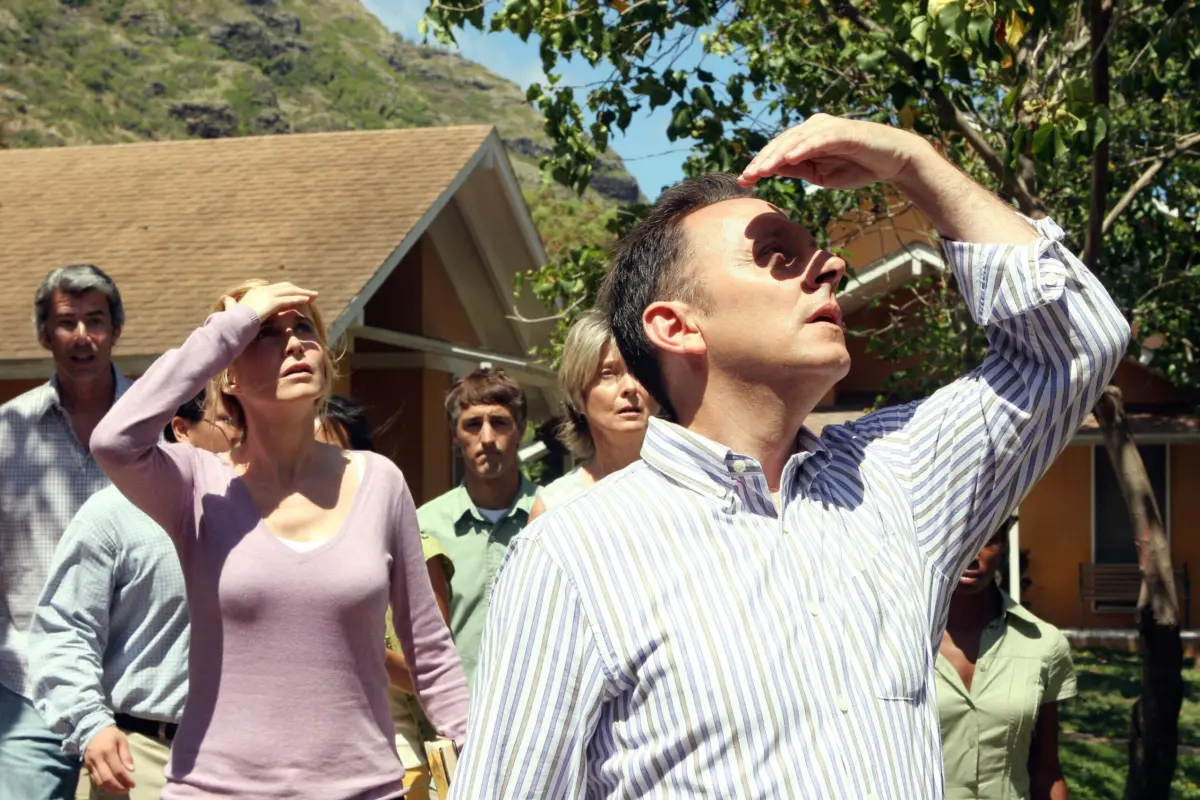
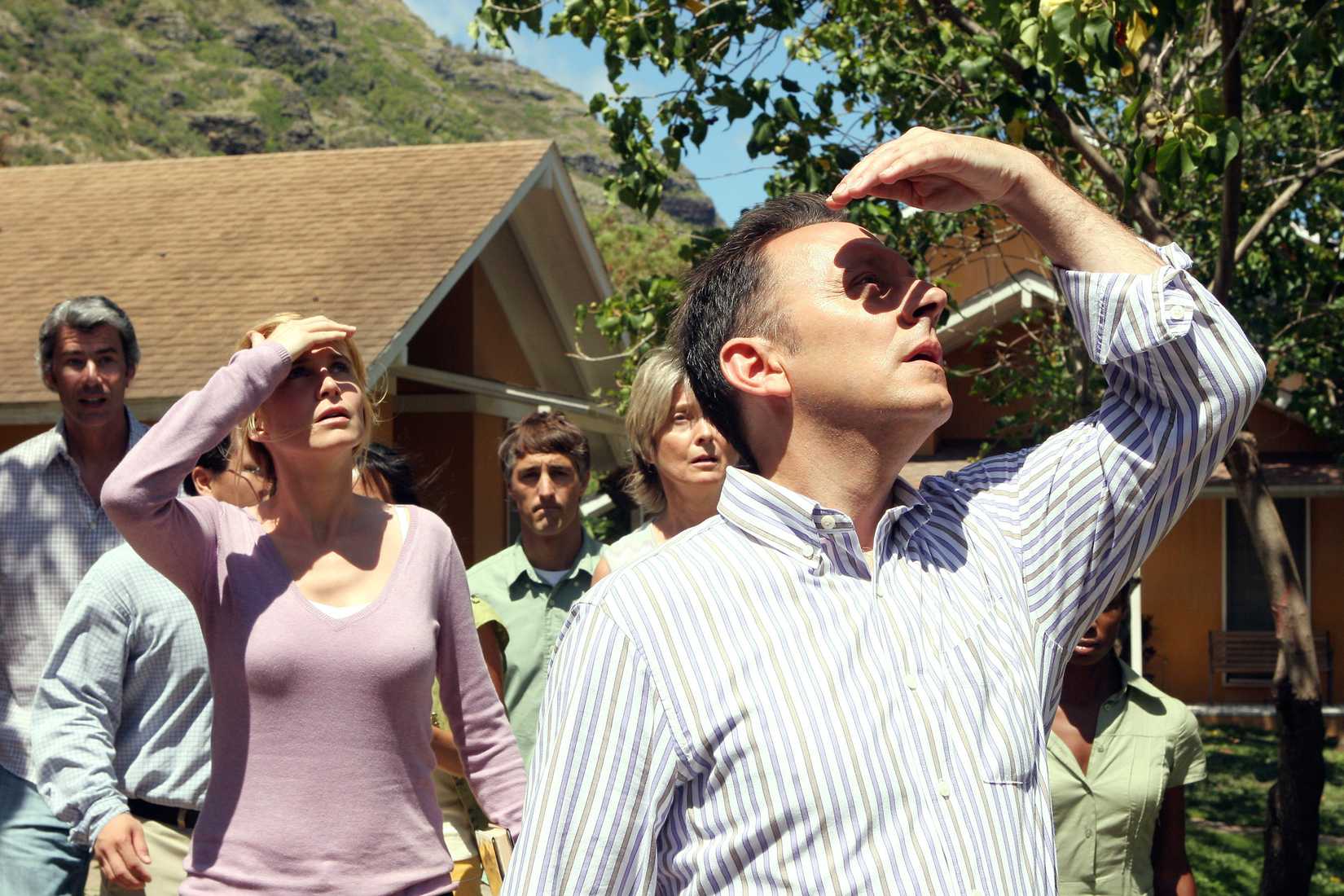
If Alias proved Abrams could sustain a serialized thriller, Lost transformed him into an industry titan. Co-created with Jeffrey Lieber and Damon Lindelof, the pilot episode of Lost—which followed the survivors of Oceanic Flight 815 stranded on a seemingly uninhabited, supernatural Pacific island—was a watershed moment for appointment television. For years, millions of viewers tuned in week after week, parsing cryptic clues, polar bears, smoke monsters, and hatch doors.
Yet, Lost also inaugurated the modern era of seat-of-the-pants, mythology-heavy storytelling. The agonizing realization that the writers were improvising major narrative arcs week by week became a double-edged sword, culminating in a polarizing series finale that continues to spark debate.
It is worth noting that Abrams’ direct involvement with Lost was relatively brief; he directed the lavish two-part pilot and served as showrunner primarily for the first season before stepping away to direct Mission: Impossible III (2006), handing executive control over to Damon Lindelof and Carlton Cuse. Nevertheless, the DNA of the "Mystery Box"—the narrative philosophy of introducing compelling, unanswered questions to hook an audience—became inextricably linked to the Abrams brand.
Fringe (2008): Prefiguring the Multiverse
Long before Hollywood became entirely consumed by cinematic multiverses, parallel dimensions, and overlapping timelines, Abrams, alongside Alex Kurtzman and Roberto Orci, brought Fringe to Fox in 2008.
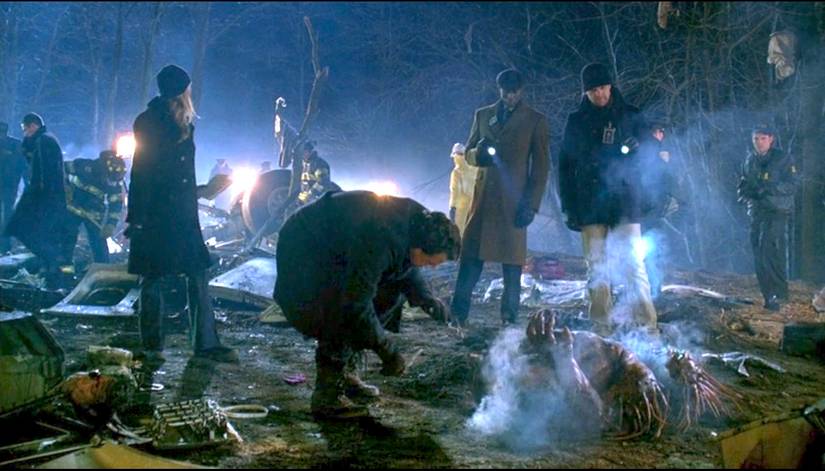
The series followed an unorthodox FBI "Fringe Division" based in Boston, featuring institutionalized fringe-science genius Dr. Walter Bishop (John Noble), his pragmatic son Peter (Joshua Jackson), and FBI agent Olivia Dunham (Anna Torv). Tasked with investigating bizarre phenomena known simply as "The Pattern," the team slowly uncovers a catastrophic impending war between our universe and a technologically advanced parallel Earth.
In the contemporary television landscape, a show like Fringe would face immense structural hurdles; at best, it might secure a truncated eight-episode streaming run before facing swift cancellation. Securing five seasons and 100 episodes on a major broadcast network feels almost anachronistic today. Yet Fringe was undeniably ahead of its time. Long before The CW’s DC crossover Crisis on Infinite Earths, Sony’s Spider-Verse, or Daniel Kwan and Daniel Scheinert’s Everything Everywhere All at Once, Fringe was exploring the emotional and cosmic toll of alternate realities, proving that serialized science fiction could thrive on network television.
Lovecraft Country (2020): Cosmic Horror Meets Jim Crow America
While Abrams spent much of the 2010s immersed in mega-franchises like Star Wars: The Force Awakens and The Rise of Skywalker, his Bad Robot production company continued to curate provocative, boundary-pushing television. Among the most striking was HBO’s adaptation of Matt Ruff’s 2016 novel, Lovecraft Country.
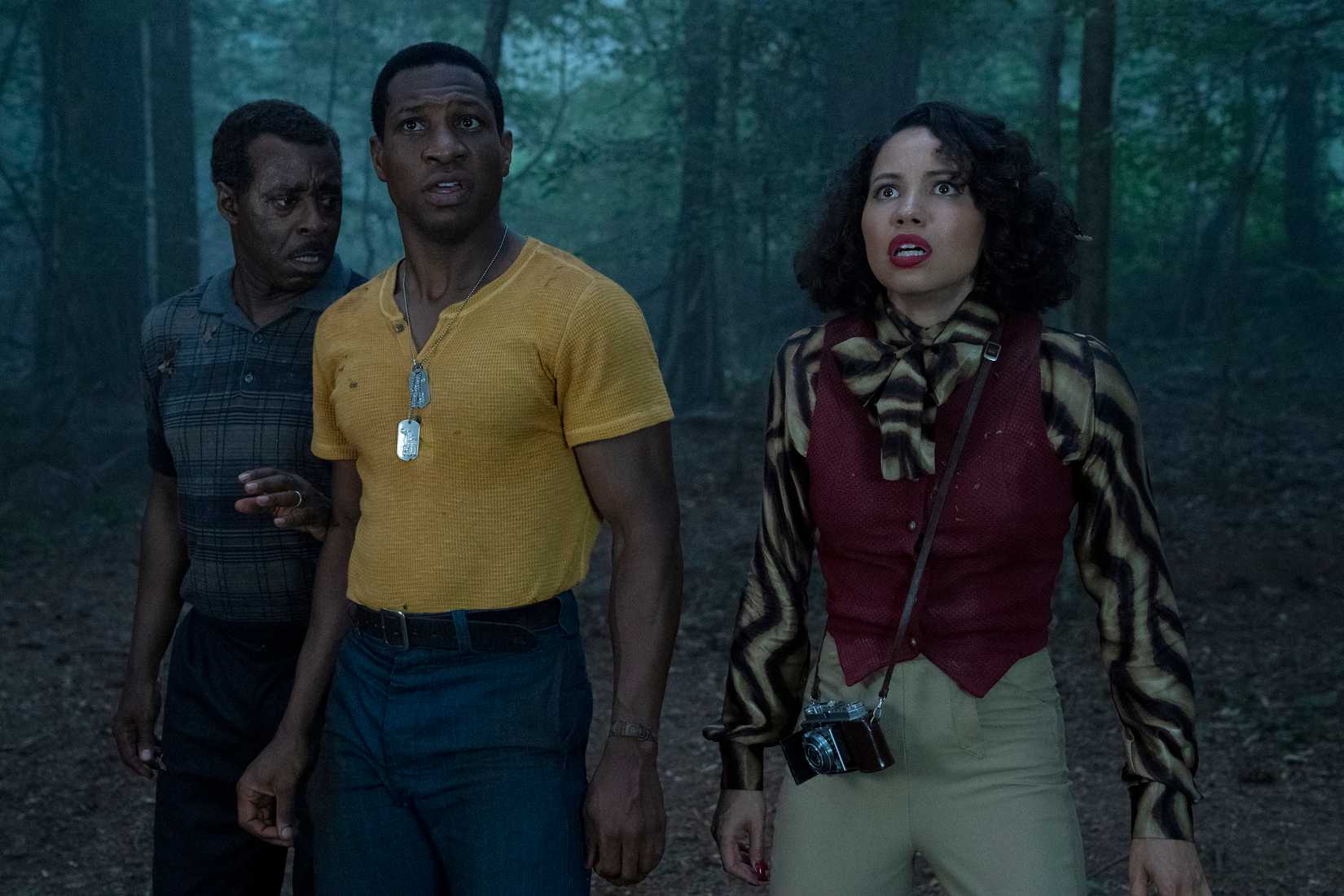
Serving as an executive producer, Abrams helped shepherd a narrative that fearlessly blended classic H.P. Lovecraftian cosmic horror with the brutal, systemic realities of Jim Crow-era America. The series follows Atticus Freeman (Jonathan Majors), a young Korean War veteran who, alongside his uncle George (Courtney B. Vance) and childhood friend Letitia (Jurnee Smollett), embarks on a cross-country road trip across 1950s America to locate his missing father.
What begins as a harrowing navigation of segregated sundown towns quickly spirals into a dark descent involving ancient cults, subterranean monsters, and extradimensional magic. The resulting collision of social commentary and pulp horror achieved what few adaptations manage: honoring the aesthetics of cosmic dread while aggressively subverting the deeply problematic racial prejudices of its literary namesake.
Supporting Context & Metrics: Box Office and Cultural Impact
To fully evaluate Abrams’ footprint in the entertainment industry, quantitative metrics offer a stark visualization of his commercial dominance. Across his filmography as a producer, writer, and director, Bad Robot-associated projects have cumulative global box-office receipts exceeding $7 billion.
| Project | Release Year | Primary Role | Worldwide Gross / Status |
|---|---|---|---|
| Forever Young | 1992 | Screenwriter / Executive Producer | $128.3 Million |
| Armageddon | 1998 | Uncredited Script Polisher | $553.7 Million |
| Alias | 2001–2006 | Creator / Showrunner (5 Seasons) | Cult Television Milestone |
| Lost | 2004–2010 | Co-Creator / Pilot Director | Global Cultural Phenomenon |
| Mission: Impossible III | 2006 | Feature Film Director | $398.5 Million |
| Star Trek | 2009 | Director / Producer | $385.7 Million |
| Star Wars: The Force Awakens | 2015 | Director / Co-Writer / Producer | $2.07 Billion |
| Fringe | 2008–2013 | Co-Creator / Executive Producer | 100 Episodes Cult Classic |
These figures illustrate a career that has successfully bridged the gap between original high-concept spec scripts and massive, multi-billion-dollar intellectual property management.
Official Statements and Industry Perspectives
Reflecting on his career trajectory and the enduring appeal of high-concept mystery, Abrams has frequently emphasized the emotional core that must anchor technological or supernatural spectacle. In past interviews discussing his transition from spec writer to mega-producer, Abrams noted:
"You can have all the puzzles, all the monsters, the spaceships, and the parallel universes in the world, but if the audience doesn’t care about the people sitting across the table from one another, none of the magic matters. The mystery box is just a cardboard container; the emotional resonance is what keeps people in their seats."
Industry analysts have similarly pointed to Bad Robot’s unique positioning within Hollywood as a rare independent-style production house housed within major studio lots. Speaking on the release of The End of Oak Street, entertainment strategist Marcus Vance observed:
"Abrams occupies a singular space in modern studio filmmaking. He is one of the very few creators who can command blockbuster resources while maintaining a distinct taste for unpredictable, high-concept genre fare. Even when he steps back into a producing role, his fingerprints—characterized by intense pacing, tactile practical effects, and existential wonder—are unmistakable."
Future Outlook: The End of Oak Street and Beyond
As the industry enters the latter half of the decade, Abrams’ latest producing venture arrives at a fascinating cultural juncture. David Robert Mitchell, celebrated for his hypnotic sleeper horror hit It Follows, returns with The End of Oak Street.
Initial marketing and preview screenings indicate a film deeply attuned to contemporary anxieties, centering on Denise and Greg Platt (portrayed by Anne Hathaway and Ewan McGregor). The narrative kicks into gear when the couple is abruptly and inexplicably transported from their comfortable, mundane suburban neighborhood straight into untamed, prehistoric dinosaur territory—a premise that has already ignited fervent online speculation among fan communities regarding potential stealth connections to Abrams’ earlier monster-movie catalog, notably 2008’s Cloverfield.
Whether The End of Oak Street serves as an isolated excursion into surreal sci-fi horror or the seed of an expanding cinematic universe, it signals a welcome return to original genre filmmaking for the producer.
As Abrams looks toward future slates in both streaming and theatrical exhibition, his legacy is already secure. He remains the ultimate architect of television’s serialized golden age and a driving force behind modern cinematic spectacle. Whether viewed through the lens of a sweeping space opera, a frantic spy thriller, or a prehistoric suburban nightmare, J.J. Abrams continues to prove that while the contents of the mystery box may change, the compulsion to open it remains as potent as ever.