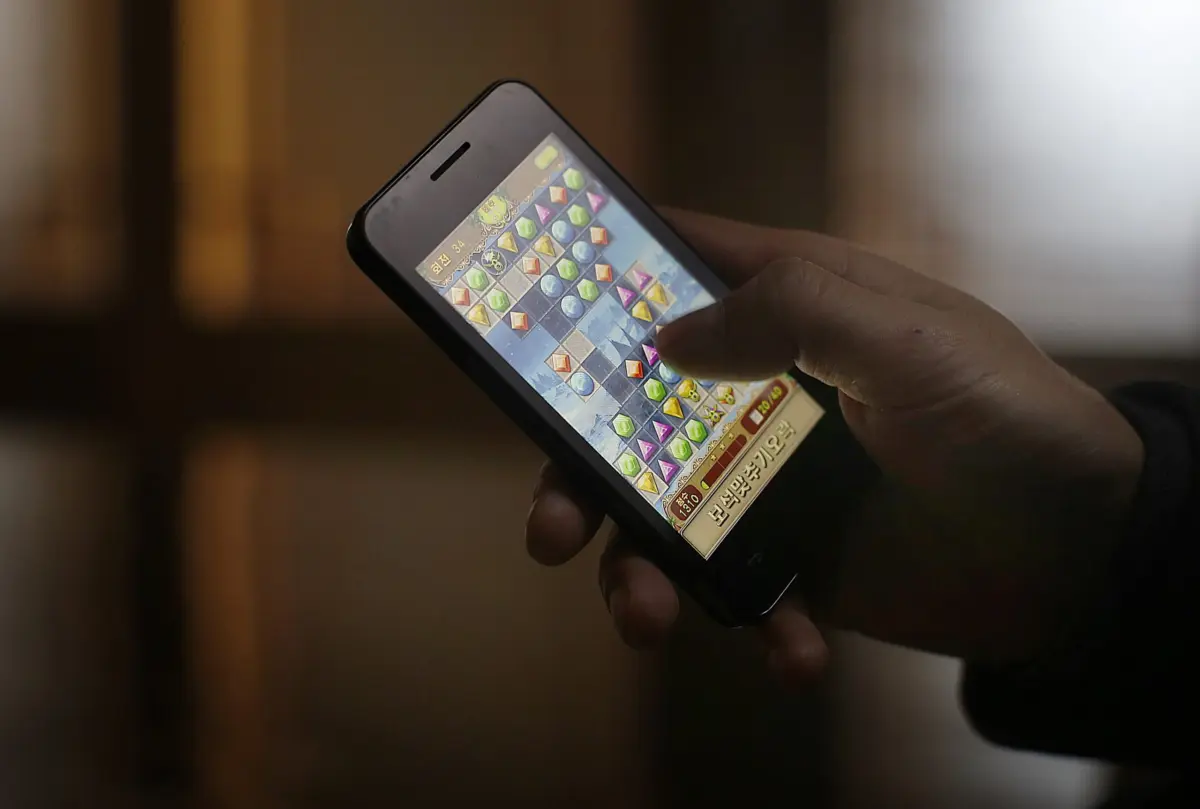
With over 95 percent of American adults carrying a smartphone within arm’s reach throughout the day, mobile technology has cemented itself as an indispensable utility of modern life. However, this convenience comes with an invisible shadow. Amid mounting public curiosity and decades of simmering scientific debate, the California Department of Public Health (CDPH) has officially released groundbreaking guidelines designed to help citizens minimize their exposure to radiofrequency (RF) energy emitted by cellular devices.
While cellphones utilize non-ionizing radiation—which does not carry the same immediate cellular destruction risk as ionizing radiation like X-rays—health experts emphasize that prolonged, close-range exposure is a largely uncharted frontier in human biology. As research increasingly points toward potential links with sleep disruption, cognitive impairment, reduced sperm counts, and even long-term oncological concerns such as brain tumors, the consensus among public health advocates is clear: caution is the best policy.
This comprehensive report examines the background of the CDPH guidelines, the legal and scientific battles that forced their publication, the physiological mechanics of cellphone radiation, and five everyday habits that could drastically reduce your exposure.
Detailed Chronology: The Legal Battle and Scientific Milestones
The journey toward transparent public health advisories regarding cellphone safety has been anything but swift. For years, consumer advocacy groups, independent researchers, and government agencies locked horns over what the public should be told regarding the invisible electromagnetic fields (EMFs) surrounding modern telecommunication.
2009: Dr. Joel Moskowitz, a psychologist and public health researcher at the University of California, Berkeley, files a groundbreaking lawsuit against the California Department of Public Health. The suit challenges the department’s steadfast refusal to release internal drafts and documents outlining the potential health risks associated with long-term cellphone use, arguing that withholding such data actively harms public safety.
2011: Independent journalist Christopher Ketcham publishes an explosive piece in AlterNet, drawing attention to the unprecedented 24-hour exposure humans and animals face due to the proliferation of Wi-Fi, cell towers, and digital meters. Experts interviewed in the piece warn that while definitive human data is scarce, biological markers in animals point to potential systemic risks.
2012: Prominent medical correspondent Dr. Sanjay Gupta features the unknown risks of cellphone radiation on national television, highlighting the growing unease within the scientific community over how radio waves interact with dense human tissue.
Spring 2017: After nearly eight years of litigation, Dr. Moskowitz achieves a historic legal victory. A judge orders the state health department to make its internal safety advisory documents accessible to the general public, dealing a major blow to institutional secrecy regarding tech safety.
December 2017: Yielding to both the court order and skyrocketing public demand, the CDPH publishes its first-ever official guidance document: “How to Reduce Exposure to Radiofrequency Energy from Cellphones.” This watershed moment establishes the state as a pioneer in proactive consumer safety regarding digital devices.
Present Day: Long-term population studies—such as the massive European COSMOS project, which tracks over half a million participants across decades—continue to investigate the correlation between mobile technology and human health, keeping the global conversation on device safety front and center.
Supporting Context & Metrics: The Scale of Modern Exposure
To understand why state health departments are stepping in now, one must look at the sheer ubiquity of mobile technology. According to data from the Pew Research Center, 95 percent of Americans use a cellphone daily, with a vast majority owning smartphones that they keep on or near their bodies virtually 24 hours a day.
The Physics of Non-Ionizing Radiation
Unlike high-frequency ionizing radiation (such as gamma rays or ultraviolet light), which can directly break chemical bonds and damage DNA, cellphones emit non-ionizing radiation in the form of radiofrequency (RF) energy.
When a user holds a smartphone directly against their ear, the device’s internal antenna transmits signals to nearby cell towers. The FDA, the American Cancer Society (ACS), and the National Cancer Institute (NCI) all acknowledge that this process generates localized heating effects in the biological tissues closest to the device—specifically the ears, skin, and outer regions of the brain.
While regulatory bodies historically maintained that this thermal effect is too minor to significantly raise overall body temperature, independent research paints a more complex picture. Studies published in peer-reviewed journals, including PLOS ONE, have noted statistical correlations between long-term, heavy mobile phone usage and an increased incidence of gliomas (a type of malignant brain tumor). However, researchers consistently underscore that due to the relatively short evolutionary timeline of widespread smartphone use—barely two decades—the definitive long-term health consequences remain impossible to fully quantify.
Beyond oncological concerns, a growing body of medical literature connects excessive RF exposure and screen proximity to ancillary health issues:
Neurological Disturbances: Persistent headaches, chronic fatigue, and neurological strain.
Sleep Deprivation: Suppression of melatonin production caused by late-night screen time and proximity to EMF emissions.
Reproductive Health: Laboratory studies point to potential reductions in sperm motility and count among men who carry phones in their pants pockets for extended periods.
Cognitive Impact: Interference with memory retention and deep focus, exacerbated by the constant psychological and physiological stimulation of notifications.
Official Statements and Institutional Perspectives
The release of the California health guidelines highlighted a stark divide in how regulatory institutions approach technological risk. While organizations like the National Cancer Institute take a measured stance—stating that current evidence does not conclusively prove cellular radiation causes direct harm outside of minor thermal effects—public health advocates argue that the absence of evidence is not the evidence of absence.
Dr. Karen Smith, director of the CDPH during the release of the guidelines, noted that the advisory was born out of legitimate public anxiety and a desire to empower citizens with preventative choices.
This sentiment was championed by Dr. Joel Moskowitz following his legal triumph over the state:
"People are being injured and harmed by the delay in having this information accessible to them." Moskowitz stressed that waiting for absolute, decades-long epidemiological proof before offering common-sense safety advice is a dangerous gamble with public health.
Echoing these cautious notes, Dr. David O. Carpenter, director of the Institute for Health and the Environment at the State University of New York, remarked on the biological plausibility of harm:
"Radiofrequency radiation has a number of biological effects which can be reproducibly found in animals and cellular systems. We really cannot say for certain what the adverse effects are in humans. But the indications are that there may be—and I use the words ‘may be’—very serious effects in humans."
Meanwhile, massive epidemiological efforts like the COSMOS (Cohort Study of Mobile Phone Use and Health) project are actively tracking over 500,000 Europeans across a 20-to-30-year span. This monumental study aims to provide the definitive data set that current health officials are forced to extrapolate.
The New Guidelines: Five Common Practices to Avoid
Because the long-term biological toll of daily RF exposure remains unverified, the California Department of Public Health advocates for a philosophy of precautionary principle. By making minor, intentional adjustments to how we interact with our devices, users can exponentially decrease their radiation absorption.
Here are five common cellphone practices health officials urge the public to abandon immediately:
1. Don’t Hold Your Phone Directly Against Your Ear
When you make a traditional voice call with the phone pressed to your head, your brain and inner ear absorb the maximum concentration of RF energy emitted by the internal antenna.
The Fix: Utilize speakerphone whenever possible, or invest in wired or Bluetooth headsets. The CDPH notes that wireless and wired headsets emit significantly lower levels of RF energy compared to the phone itself. When voice calls are unnecessary, opt for text messaging to keep the device away from your head altogether.
2. Avoid Using Your Phone in Fast-Moving Vehicles
When you are traveling at high speeds—such as on a highway or in a train—your cellphone must constantly work overtime to maintain a stable connection. As you zoom past cellular infrastructure, the phone rapidly switches its connection from one cell tower to the next, causing it to output maximum RF energy.
The Fix: Refrain from making long calls, streaming high-definition video, or downloading large files while riding in fast-moving vehicles unless your phone is switched to Airplane Mode.
3. Step Away When Signal Bars are Low
Have you ever noticed your phone battery draining much faster when you have only one or two service bars? That is because your device is automatically boosting its internal transmitter power to search for and lock onto distant or obstructed cell towers. Weak reception directly correlates with higher radiation emission.
The Fix: If your signal strength is critically low, avoid making calls or heavy data usage. Wait until you are in an area with robust, multi-bar reception before engaging in lengthy conversations.
4. Never Carry Your Phone Directly Against Your Body
Many individuals habitually slip their smartphones into pants pockets, shirt pockets, or bra straps for easy access. Doing so means the device’s antenna is resting mere millimeters away from sensitive reproductive organs, soft tissue, and vital organs.
The Fix: Carry your phone in a purse, briefcase, or backpack. Even a distance of a few inches creates an exponential drop-off in radiation absorption. If you must keep the device in your pocket, toggle it into Airplane Mode to completely shut off RF transmissions.
5. Never Sleep with Your Phone Under Your Pillow
In the modern era, scrolling social media in bed has become a ubiquitous wind-down ritual, leading many to leave their smartphones under their pillows or on the mattress inches from their heads overnight. This ensures uninterrupted, close-range exposure during your body’s most vulnerable restorative state.
The Fix: Keep your phone at least an arm’s length away from your bed—ideally on a nightstand across the room. Better yet, switch your phone to Airplane Mode or power it down completely before you go to sleep to guarantee zero nighttime emissions and protect your natural circadian rhythms.
Future Outlook
As 5G networks continue to blanket urban landscapes and wearable tech becomes even more deeply integrated into our daily routines, our electromagnetic environment is expanding exponentially. While the telecommunications industry maintains that current emission standards provide an adequate safety buffer, public health advocates and independent scientists argue that regulatory frameworks must evolve in tandem with technology.
Until long-term data from projects like COSMOS yields definitive answers, the official stance from health authorities serves as a valuable blueprint for modern living. Embracing digital hygiene is not about retreating into technophobia; rather, it is about exercising mindful boundaries with the tools that dictate our daily lives—ensuring that our pursuit of hyper-connectivity does not come at the quiet expense of our long-term well-being.