Executive Overview
London Fashion Week (LFW) Spring/Summer 2027 (SS27) proved once again why the British fashion capital remains the global epicentre of avant-garde experimentation, narrative-driven design, and emotional resonance. As the September show schedule traditionally stands as the most jam-packed of the year, this season’s calendar overflowed with a high-stakes matrix of runway shows, presentations, immersive exhibitions, private parties, and industry talks. Between triumphant homecomings, highly anticipated creative director debuts, and unexpected catwalk cameos, the city hummed with a renewed, kinetic creative energy.
From industrial auto body shops in Tuffnell Park to historic academic drawing rooms and luxury five-star hotels, SS27 forced editors, buyers, and critics to traverse the geographical extremes of the capital. Yet, the physical journeys across London were invariably rewarded with conceptual depth. This season’s overarching narrative coalesced around domestic introspection, historical reclamation, and structural reinterpretation. Designers interrogated the psychological safety of the interior, the mechanics of movement, and the weight of heritage—yielding a season that felt simultaneously retrospective and aggressively forward-looking.
Detailed Chronology: Standout Shows and Presentations
The SS27 season was defined by a series of distinct spatial and conceptual propositions. The schedule balanced raw industrial interventions with polished heritage homecomings, mapping a diverse stylistic terrain across London’s sprawling geography.
1. Selasi: The Architecture of the Automobile
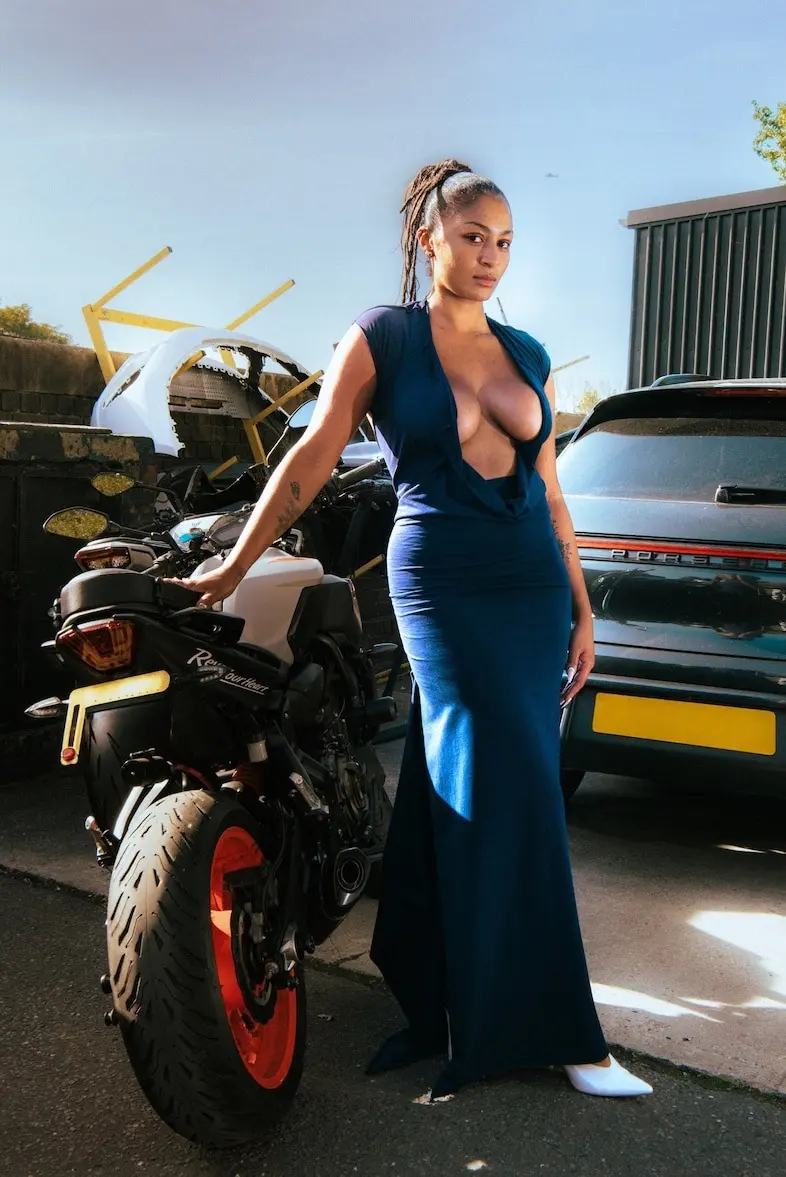
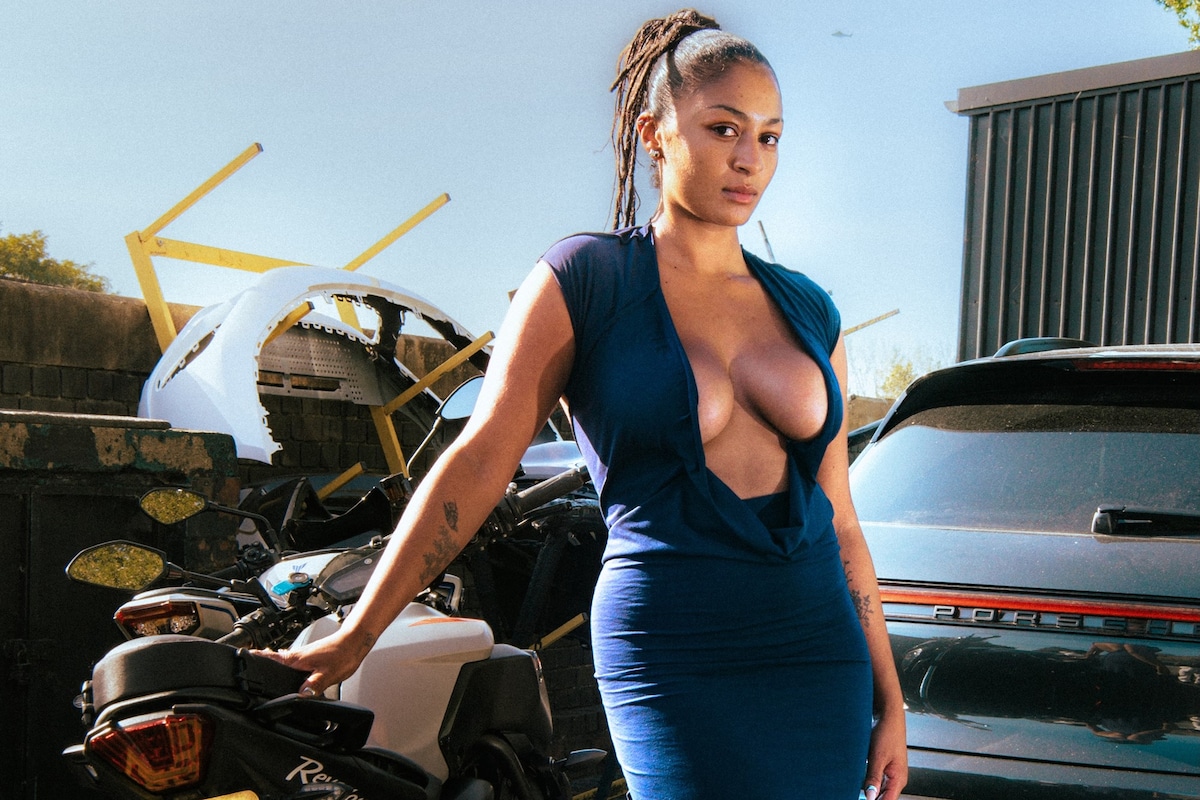
For SS27, designer Ronan McKenzie traded last season’s upcycled dresses for a heavy-duty automotive exploration, welcoming guests to her metaphorical body shop. Staging the presentation at M&A Coachworks in Tuffnell Park—affectionately dubbed the Arctic Circle for the fashion industry’s central London set—McKenzie looked to the automobile not simply as a machine, but as a space of psychological and physical possibility.
The show notes beautifully framed this ethos: "The sanctuary of the driver’s seat, the conversations that happen behind closed car doors, the women who have travelled alongside her." On the runway, the sweeping, aerodynamic curves of classic motorcars met the sculptural architecture of the female form. Plunging jersey silhouettes and tactile, heavyweight suede anchored a visually arresting collection. Brought to life by a joyful, intimate cast of friends and family, the presentation offered one of the season’s most tender and resonant moments.
2. Francesca Lake: Wake The Town
Opening Day of LFW SS27 delivered an immediate jolt of theatricality. Francesca Lake’s debut presentation broke protocol by transforming into a full-blown catwalk show with two separate runs across her two-hour slot. Staged in the subterranean depths of 180 The Strand—marking the first presentation of the season in the revitalized NEWGEN space, enhanced by Laura Weir’s infrastructural upgrades—Lake delivered an unforgettable spectacle.
A Central Saint Martins graduate and native of Kingston, Jamaica, Lake expanded masterfully upon the vibrant maximalism of her heritage. Entitled Wake The Town, the collection drew inspiration from the funerary processions and spiritual wakes of Jamaica, turning the title into a striking double entendre. Models moved down the runway encased in dramatic concertina folds or cloaked head-to-toe in intricate lace. A mesmerizing bodice constructed entirely from luminous sea pearls caught the subterranean lighting, while imposing collars and precise structural tailoring lent an unexpected formality to an otherwise kinetic material vocabulary dominated by distressed leather and heavy-duty denim.
3. Ashley Williams: The Aesthetics of Agoraphobia
A stalwart of the London schedule, Ashley Williams returned to the Institute of Contemporary Arts (ICA) to present a characteristically subversive, slightly deranged depiction of femininity. This season, Williams directed her gaze inward, appealing to the inner agoraphobe and building a collection around those who resolutely refuse to leave the house.
Pastel-coloured show notes resting on pristine white benches set the tone: "For SS27, Ashley Williams asks what life looks like when interiority is all that remains. House clothes take new shapes after years spent inside."
Williams’ cast of recluses opened the show in a swamp-brown and mustard-yellow print straight out of the 1970s—reminiscent of sun-baked upholstery or threadbare curtains. This was followed by sun-bleached fleeces bearing the distinct marks of window-pane UV damage, and nightgowns cunningly repurposed into athletic tracksuits and casual tops. Accessories maintained the designer’s signature eccentric humor: models walked with hosiery stuffed with plush children’s toys, while a massive ceramic cat figurine was strapped around a waist as an unyielding statement belt. "Cherished trinkets collect fine dust on the bedside table and wood panelled walls form a protective cave where dreams finally settle," Williams wrote.
4. A Letter: Radical Simplification
Design duo Matt Empringham and Freddy Coomes marked their debut runway outing under their freshly minted moniker, A Letter (formerly known as Aletta). Having met on day one of their Central Saint Martins foundation course, the pair founded Aletta in early 2025 and have rapidly cemented their reputation as one of the capital’s most provocative young labels.
Taking over Bethnal Green’s Rose Easton Gallery, A Letter delivered their most pared-back collection to date. Abandoning previous textile experiments (such as garments constructed from paper), the duo opted for radical minimalism. The casting was hyper-focused: just five models walked the runway six times each, executing two rapid laps per look to afford backstage dressers adequate time for high-speed quick-changes.
This conceptual feat relied entirely on the deceptive simplicity of the garments. Free of complex buttons or intricate fastenings, the collection featured clean square-necked mini dresses, ultra-light pull-on fabrics, and a singular white T-shirt stamped with a bold, graphic "A"—a playful reminder of the brand’s rebranding.
5. Steve O Smith: The Life Drawing Salon
Breaking entirely from traditional runway mechanics, Steve O Smith hosted an intimate, salon-style presentation on Saturday afternoon for an audience of just 30 guests. Set inside the Royal College of Art’s historic life drawing room—which first opened its doors in the 1860s—Smith inverted the premise of the space. Instead of commissioning fashion editors to sketch, the designer brought his own hand-drawn ink sketches to life.
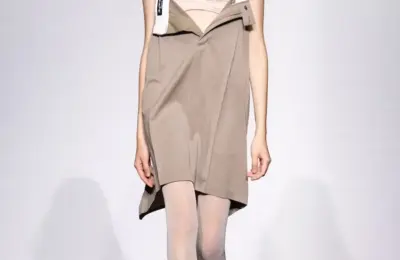
In a striking breach of standard presentation conventions, there was no synchronized backing track. The soundscape consisted exclusively of the hollow click of models’ footsteps and Smith’s own voice narrating the lineage of each look. Explaining his process, Smith noted that every garment begins as a spontaneous sketch; he permits the unpredictable bleed of ink to dictate form rather than starting with a preconceived concept. Filtering hundreds of sketches down to a curated few, and drawing heavy inspiration from modernist painters André Derain, George Grosz, and Henri Matisse, Smith restricted his palette to four stark shades: red, cobalt, Prussian blue, and black. Coming off his victory at the 2025 LVMH Prize—where he was awarded the prestigious Karl Lagerfeld Prize—this presentation proved that Smith’s ascent is only just beginning.
6. Ahluwalia: Festac ’77 and Diasporic Resonance
Priya Ahluwalia’s SS27 presentation transported guests to the opulent, five-star sanctuary of the Rosewood London hotel. Known for interrogating her dual Indian-Nigerian heritage, the South London-raised designer anchored this season in Festac ’77—the monumental month-long celebration of African arts and culture hosted in Lagos that convened 16,000 creatives from across the continent and global diaspora.
Drawing comparisons to "the Olympics, plus a biennial, plus Woodstock, but African style" (as famously characterized by photographer Marilyn Nance), Ahluwalia’s mood board synthesised themes of joyful jubilation and stoic political resistance, featuring archival imagery of off-duty Black Panthers. Alongside her signature textile storytelling, the presentation served as the official runway debut of her highly anticipated collaboration with Puma, a footwear partnership destined to dominate commercial landscapes in 2027.
7. Barbour: The Heritage of Tartan
SS27 was defined by a powerful wave of heritage homecomings. While high-street giant M&S celebrated a century of fashion with its inaugural runway show, and legacy houses like Burberry and Alexander McQueen returned to London’s fold, Barbour claimed its stake in the narrative.
The 136-year-old brand, globally synonymous with weather-resistant wax jackets, partnered with the British Fashion Council to stage an expansive, immersive exhibition at the Saatchi Gallery dedicated entirely to tartan. The installation traced the historical lineage of Barbour’s proprietary tartans while showcasing high-fashion collaborations with Erdem and Gucci. Complete with a working workshop demonstrating traditional cotton waxing techniques and a functioning pub-style bar, the space offered a welcome communal haven for the fatigued fashion crowd.
8. Mulberry & Christopher Kane: The Grand Return
The global fashion community reeled when Christopher Kane announced the closure of his eponymous label in 2023. Following a three-year hiatus, the announcement in March of this year that the Scottish visionary was stepping in as Creative Director of Mulberry sent waves of anticipation through the industry. On Sunday, inside Parliament Square’s Queen Elizabeth II building, Kane made his triumphant return to the LFW schedule.
Opting to wipe the slate clean for his debut, Kane favored muted tones and uncompromised, unpretentious silhouettes, establishing a sturdy foundation for the brand’s future. Tapping directly into Mulberry’s foundational DNA as a leather goods house established in 1971 by Roger and Joan Saul, Kane crafted butter-soft leather into sharp skirts, fluid dresses, utilitarian T-shirts, jackets, and precise blazers. Furthermore, he introduced bold new bag silhouettes, notably the Axe and the Chop. While the loss of Kane’s independent label remains acutely felt, his integration into Mulberry signals a thrilling new chapter for British accessories.
Supporting Context & Metrics
To contextualize the scale and operational complexity of London Fashion Week SS27, industry metrics indicate a robust rebound in physical attendance and cross-sector brand activations.
- Geographic Spread: Venues stretched from Tuffnell Park in North London (Selasi) down to Westminster (Mulberry at QEII Centre) and Holborn (Ahluwalia at Rosewood London), requiring invited guests to navigate an estimated average of 45 miles of transit across the four-day principal schedule.
- NEWGEN Impact: The newly optimized NEWGEN catwalk space at 180 The Strand successfully housed over a dozen emerging designers, providing critical infrastructural support, subsidized staging, and direct access to international buyers.
- Heritage Integration: Over 40% of the official on-schedule shows incorporated archival or historical collaborations, signaling a broader industry-wide pivot toward heritage validation amid economic stabilization.
Official Statements and Industry Commentary
The mood of the season was eloquently captured in show notes and artist reflections across the capital:
- Ronan McKenzie on Selasi: "The automobile is not simply a machine, but a space of possibility. The sanctuary of the driver’s seat, the conversations that happen behind closed car doors, the women who have travelled alongside her."
- Ashley Williams on Domesticity: "For SS27, Ashley Williams asks what life looks like when interiority is all that remains. House clothes take new shapes after years spent inside… Cherished trinkets collect fine dust on the bedside table and wood panelled walls form a protective cave where dreams finally settle."
- Steve O Smith on Process: Explaining his rejection of pre-conceived digital design in favor of physical ink work: "Every piece began as a quick sketch. I don’t begin with an idea; I let the ink make the decisions for him."
Future Outlook: What SS27 Signals for Global Fashion
As the dust settles on London Fashion Week SS27, several clear trajectories emerge for the global fashion landscape.
First, the season proved that physical location matters deeply in brand storytelling. Designers are increasingly rejecting generic white-cube runway spaces in favor of highly contextual, conceptually loaded environments—whether an active vehicle body shop, a historic life-drawing academy, or a subterranean brutalist basement. These spaces act as active participants in the narrative rather than neutral backdrops.
Second, the interplay between corporate legacy brands and displaced independent talent (exemplified by Christopher Kane’s transition to Mulberry) suggests a maturing market. Heritage houses are recognizing that true innovation stems from hiring directional, conceptually fearless designers who are willing to respect historical archives while aggressively rewriting brand codes.
Finally, the focus on domesticity, protective comfort, and wearable psychological armor points toward a consumer shift. As external geopolitical and economic pressures mount, Spring/Summer 2027 collections offer wearers garments that function simultaneously as aesthetic statements and personal sanctuaries. London remains the undisputed laboratory where these complex cultural questions are posed, tested, and brilliantly answered.