Executive Overview
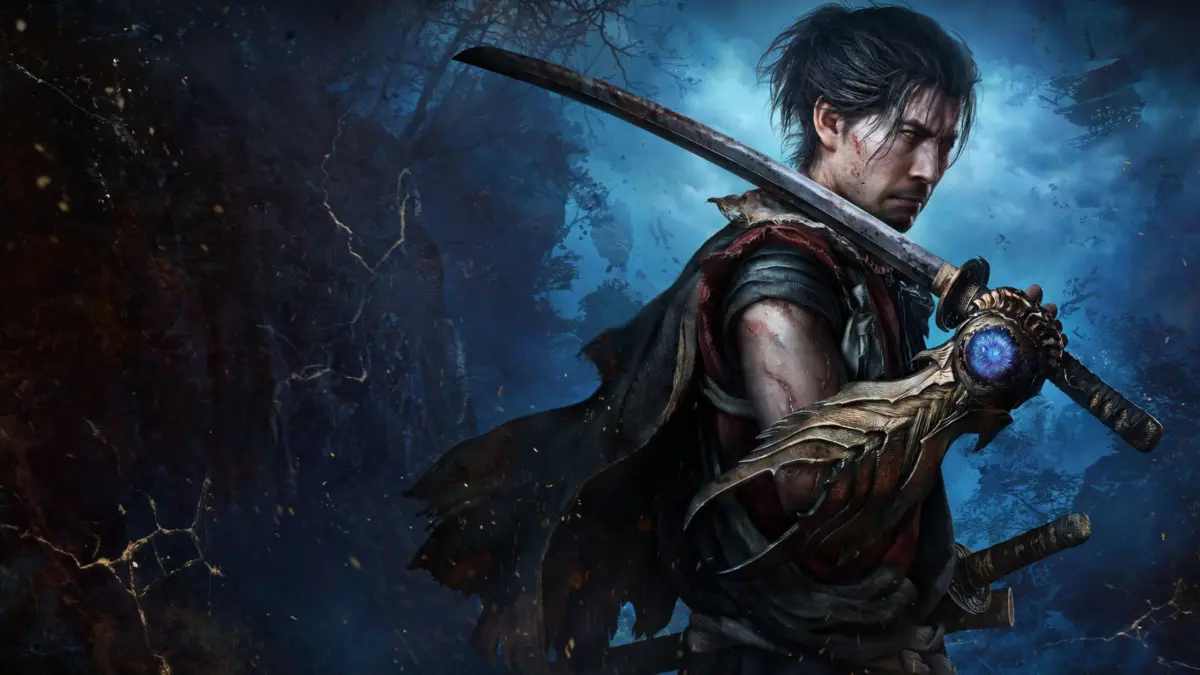
The dormant bloodlines of Capcom’s legendary survival-action catalog have finally awakened. With the official global launch of Onimusha: Way of the Sword, the renowned Japanese developer has successfully breathed new life into a franchise that defined the PlayStation 2 generation. Released on September 4, 2026, and helmed by writer Paulo Kawanishi, this latest installment steps away from the fixed-camera roots of the early 2000s to deliver a fully modernized, high-stakes combat experience set in the haunting, demon-infested streets of Eastern Kyoto.
Stepping into the geta sandals of history’s most celebrated swordsman, Miyamoto Musashi, players are thrust into an unforgiving world where every swing of the blade demands absolute precision. Early critical reception indicates that Onimusha: Way of the Sword is not merely a nostalgic cash-grab; it is a meticulous endurance test, pitting players against relentless Genma bosses that demand mastery over stamina, blocking, and critical strike execution. As the gaming community dives headfirst into the blood-soaked cherry blossoms of alternative-history Kyoto, this extensive briefing explores the game’s launch schedule, critical identity, pre-order incentives, and what this massive revival means for Capcom’s future.
Detailed Chronology: The Road to the Return of Onimusha
To understand the weight of Onimusha: Way of the Sword, one must look backward through the annals of video game history. The original Onimusha: Warlords debuted in 2001 on the PlayStation 2, blending the atmospheric, fixed-camera horror mechanics of Resident Evil with frantic, sword-based samurai action and Japanese mythology. It was a monumental success, spawning beloved sequels—including Onimusha 2: Samurai’s Destiny (featuring the likeness of legendary actor Yusaku Matsuda) and Onimusha 3: Demon Siege (starring Jean Reno)—before the franchise quietly faded into the shadows following the release of Onimusha: Dawn of Dreams in 2006.
For two decades, fans clamored for a revival. Aside from a modest high-definition remaster of the original game in 2019, the franchise remained frozen in time as Capcom poured its resources into mega-franchises like Monster Hunter, Resident Evil, and Street Fighter.
The tide officially turned when Capcom registered new trademarks and dropped teaser trailers that hinted at a complete reinvention of the series. The timeline culminated on September 4, 2026, when Onimusha: Way of the Sword materialized across modern platforms. Synchronized to drop globally at 12:00 a.m. EDT, the launch brought an end to twenty years of silence. Platforms including the PlayStation Store and SteamDB illuminated midnight release windows worldwide, turning the midnight hour into a virtual pilgrimage for samurai-action enthusiasts eager to purge Eastern Kyoto of its demonic infestation.
Supporting Context & Metrics: The Anatomy of a Modern Samurai Challenge
Onimusha: Way of the Sword breaks away from the arcade-like pacing of its predecessors, adopting a deeply tactical combat loop tailored for contemporary action gamers raised on soulslikes and character action games. According to reviews—such as Giovanni Colantonio’s comprehensive evaluation for Polygon—the game serves as an unyielding crucible for player reflexes and resource management.
The Mechanics of Combat and Survival
At the heart of the experience is an intricate stamina and posture system. Bosses in Onimusha: Way of the Sword do not wait for their turn; they press the attack relentlessly, forcing players into frantic defensive shell games. Blocking consumes precious stamina, and careless parrying or over-extension will leave Musashi wide open to devastating counter-attacks.
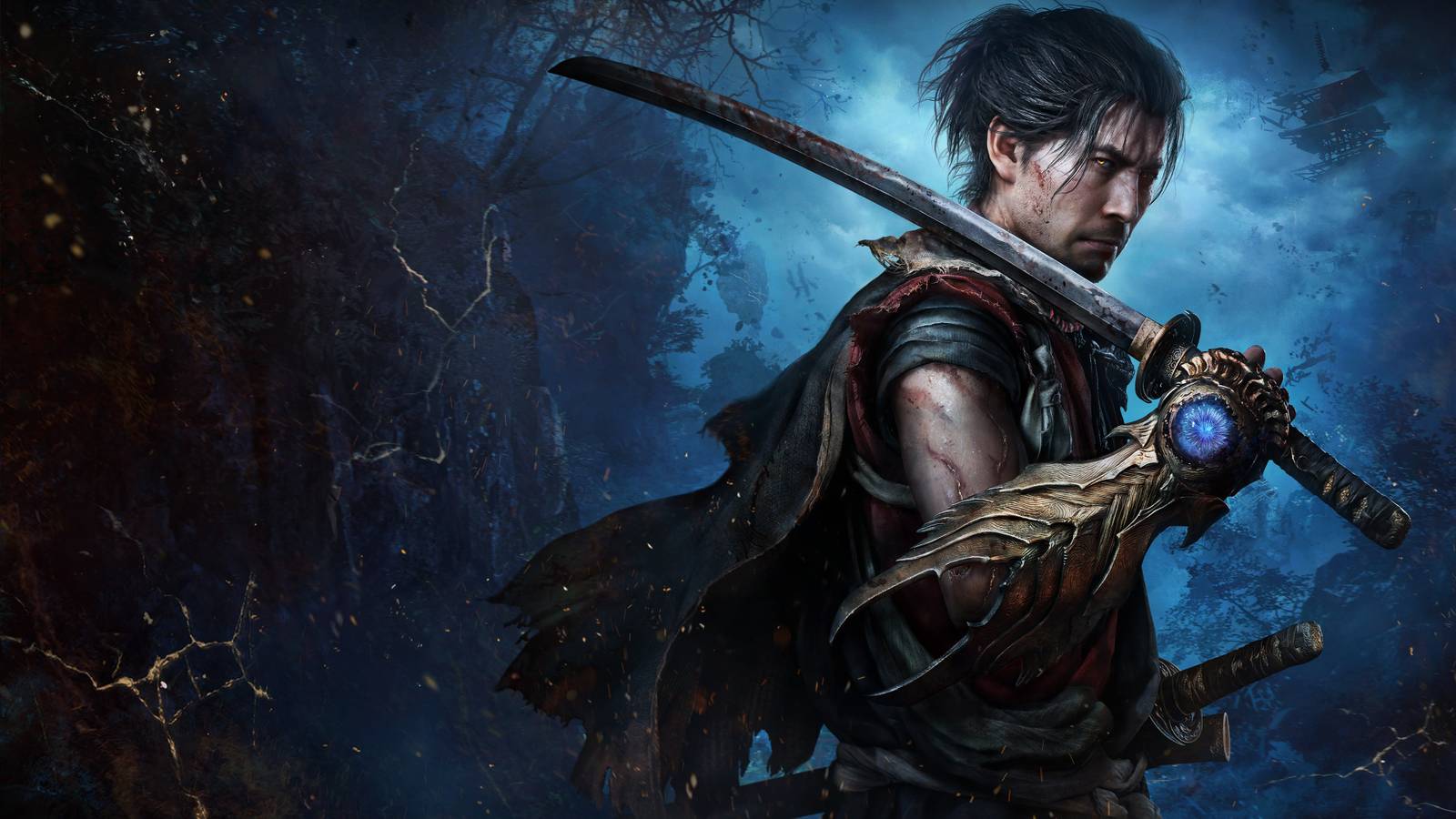
Victory requires patience. Players must carefully chip away at a boss’s stamina reserves before seizing a micro-second window to execute a cinematic, high-damage critical strike. This dynamic transforms every major encounter from a button-mashing spectacle into a tense, high-stakes duel of attrition reminiscent of the historical duels attributed to Musashi himself.
Historical Integration and Atmospheric World-Building
Setting the game in Eastern Kyoto allows Capcom’s art and narrative teams to lean heavily into both Japanese folklore and historical realism. The juxtaposition of the serene, temple-dotted landscape of feudal Kyoto with the grotesque, biomechanical monstrosities of the Genma army creates an unforgettable visual atmosphere. The inclusion of Miyamoto Musashi—not yet the wizened philosopher of the Go Rin no Sho (The Book of Five Rings), but a driven, younger warrior testing the absolute limits of his philosophy of the sword—provides a compelling narrative anchor.
Official Statements and Editions: Unpacking the Digital Arsenal
Capcom has structured the release of Onimusha: Way of the Sword across multiple tiers, offering dedicated fans an array of pre-order incentives, cosmetic upgrades, and gameplay boosters.
Pre-Order Incentives
Players who secured their copies early across PlayStation, Xbox, and PC platforms were treated to standard pre-order bonuses designed to give Musashi an aesthetic and early-game edge. These packages typically include bespoke alternate armor sets inspired by traditional demon-slaying folklore, alongside consumable item packs that assist during the punishing early hours in Kyoto.
Deluxe and Premium Deluxe Offerings
For those seeking the ultimate samurai experience, Capcom rolled out comprehensive Deluxe and Premium Deluxe Editions.
- The Deluxe Edition expands upon the base game by offering additional weapon skins, a digital artbook chronicling the conceptual evolution of the game’s terrifying Genma designs, and the complete original soundtrack.
- The Premium Deluxe Edition acts as the definitive collector’s tier for digital buyers. It encompasses all contents of the standard and deluxe packages while introducing exclusive mythical weapon blueprints, accelerated in-game resource gathering boosters, and rare cosmetic attachments that change the visual particle effects of Musashi’s critical strikes.
Future Outlook: What Way of the Sword Means for Capcom
The launch of Onimusha: Way of the Sword represents far more than a single game release; it is a litmus test for Capcom’s broader strategy of dusting off legacy intellectual properties. For years, industry analysts wondered if classic hack-and-slash franchises without the name recognition of Resident Evil could find a profitable audience in a modern market dominated by live-service giants and open-world epics.
Early sales data and viral community engagement streams indicate overwhelmingly positive momentum. If Onimusha: Way of the Sword achieves the commercial milestones Capcom expects, it could open the floodgates for expanded downloadable content (DLC), story expansions, or even complete remakes of fan-favorite entries like Onimusha 3: Demon Siege. Furthermore, its success proves that gamers still hunger for linear, high-fidelity, single-player action experiences that prioritize masterclass combat design over endless map exploration.
As players continue to slice their way through the demonic legions occupying Eastern Kyoto, one thing is abundantly clear: the way of the sword has returned, and the Genma army has never faced an adversary quite like Miyamoto Musashi.