Executive Overview
In a significant shake-up within the European video game development landscape, German studio Black Forest Games has officially severed ties with THQ Nordic and its parent organization, the Embracer Group. Following a successful management buyout, the studio is striking out on its own, leaving behind a nine-year tenure under corporate ownership.
Simultaneously, the leadership team has established a brand-new independent studio collective dubbed Third Signal. Spearheaded by founder and CEO Andreas Tobler, this new entity aims to champion a return to mid-sized, developer-driven teams. The move comes during a turbulent period for the broader games industry—and for Black Forest Games specifically, which weathered severe restructuring and layoffs under the Embracer banner just last year.
As the studio looks toward a revitalized future of creative freedom and self-determination, this departure marks another major data point in the ongoing decentralization and contraction of the Embracer Group empire.
Detailed Chronology: From Spellbound Roots to Embracer’s Orbit
To understand the magnitude of Black Forest Games’ recent pivot, it is essential to examine the studio’s long and winding history within the German games industry.
The Spellbound Era and the Birth of Black Forest (2012)
The core DNA of Black Forest Games traces back to Spellbound Entertainment, a studio renowned for crafting strategy and role-playing titles, including the Desperados series and Arcania: Gothic 4. However, financial pressures mounted, and Spellbound closed its doors in 2012.
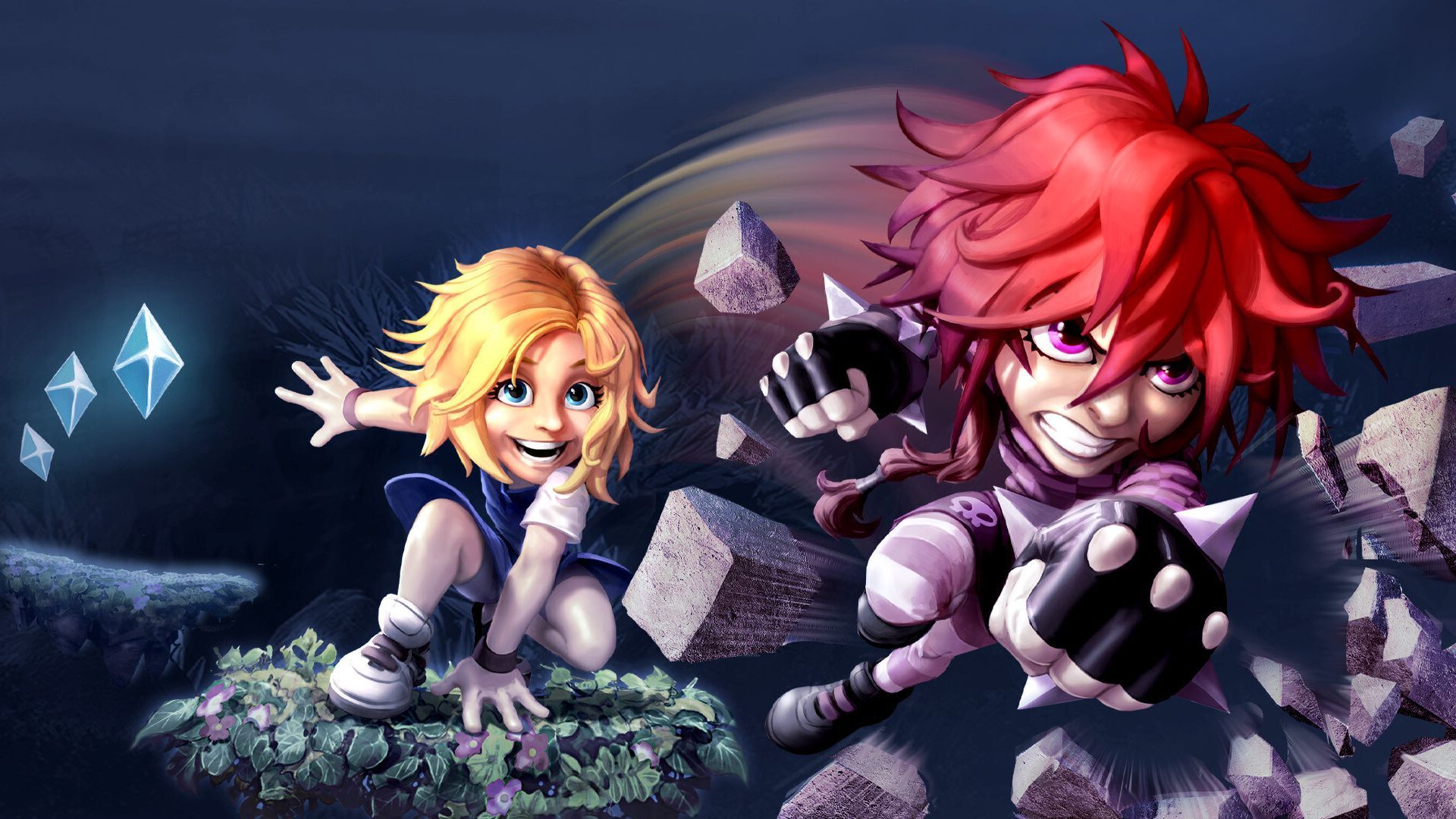
Refusing to let their collaborative spirit die, former staff members banded together that same year to form Black Forest Games. Their early ambitions yielded mixed results but showcased immense adaptability. They captured lightning in a bottle with the early Kickstarter success Giana Sisters: Twisted Dreams (2012), a critically praised platformer that successfully revived a classic 1980s property. However, their output also included more polarizing titles, such as Bubsy: The Woolies Strike Back (2017).
Acquisition by THQ Nordic (2017)
Recognizing the studio’s technical proficiency and efficient production pipelines, THQ Nordic (then part of Nordic Games Group, later the sprawling Embracer Group) acquired Black Forest Games in August 2017.
Under the corporate umbrella, Black Forest transitioned largely into a revivalist and support powerhouse. The studio was tasked with breathing new life into dormant intellectual properties. Notable projects from this era included the well-received remakes of Destroy All Humans! (2020) and its sequel, Destroy All Humans! 2: Reprobed (2022).
Turbulence and the Canceled Last Ronin Project
Despite their steady output, Black Forest Games was not immune to the severe industry-wide market corrections that began impacting publishers in 2023. As the Embracer Group initiated sweeping restructuring efforts—canceled projects, studio closures, and massive layoffs following the collapse of a multi-billion-dollar partnership deal—Black Forest took a heavy hit.
In early 2024, the studio was struck by layoffs that claimed approximately 50 jobs. Compounding this operational stress was the fate of their high-profile project: an adaptation of the acclaimed dark Teenage Mutant Ninja Turtles comic arc, TMNT: The Last Ronin. Though the game was reportedly in development at Black Forest, the project was ultimately canceled by Embracer before being shifted to Paramount’s newly minted internal game studio for revival.
Supporting Context & Metrics: The Rise of Third Signal
The formation of Third Signal represents a direct philosophical rejection of the mega-publisher consolidation model that dominated the industry through the late 2010s and early 2020s.
During the height of the venture capital and corporate consolidation boom, conglomerates like Embracer acquired dozens of studios, bloating corporate overhead and often creating friction between creative teams and distant financial executives. Third Signal’s establishment signals a counter-movement toward lean, highly specialized production teams.
Key Metrics and Philosophy of Third Signal:
- The "Sweet Spot" Team Size: According to CEO Andreas Tobler, the collective operates on the belief that historical masterpieces are born from tightly knit units rather than unwieldy corporate monoliths. Third Signal targets team sizes of around 50 developers rather than hundreds.
- Developer-Driven Autonomy: The group’s core charter is to strip away bureaucratic layers, granting individual studios the structural independence, financial resources, and creative freedom needed to greenlight passion projects.
- A New Chapter for Black Forest: As the flagship studio launching the Third Signal initiative, Black Forest Games retains its core technical talent, positioning itself to court stronger partnerships and direct control over its intellectual property portfolio.
Official Statements
The transition has been met with amicable, forward-looking statements from both the studio leadership and its departing corporate parents, underscoring a clean break achieved through mutual agreement via the management buyout.
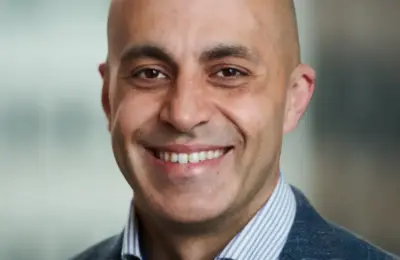
Andreas Tobler, Founder and CEO of Third Signal, stated:
"Some of the best games of the last decade came from teams of fifty, not five hundred. Black Forest Games is one of them, and the right studio to launch Third Signal. Our vision is to build a developer-driven group and give teams the independence, resources and creative freedom to continue their creative legacy and bring their own ideas to life."
Adrian Goersch, Managing Director of Black Forest Games, added:
"We are grateful to THQ Nordic and Embracer for nine good years and the games we made together. Now, we’re excited to shape our own future as owners again, to work on an exciting new project with a great team and strong partners behind us."
Neither THQ Nordic nor Embracer Group has released a hostile or adversarial statement regarding the departure, signaling that the management buyout was executed smoothly as part of Embracer’s ongoing strategy to shed assets and reduce liabilities.
Future Outlook: What Lies Ahead for Black Forest and Third Signal?
For Black Forest Games, stepping away from the corporate safety net of the Embracer Group introduces both high risks and unprecedented rewards.
1. Rebuilding After Layoffs
The immediate priority for the studio will likely be stabilization. Having endured a painful reduction in headcount in 2024, Black Forest must carefully scale its operations under the Third Signal banner. Rebuilding trust, stabilizing morale, and fostering a healthy studio culture will be vital as they transition back to independent ownership.
2. Developing New IP
While Black Forest spent much of the last decade working under contract on established franchises and remakes (Destroy All Humans!), the freedom afforded by Third Signal opens the door for original concepts. Industry observers will be watching closely to see if the studio returns to its roots of quirky, inventive platformers and action titles, or if they pursue a fresh narrative-driven venture.
3. The Broader Industry Trend
Black Forest’s exodus mirrors a wider industry trend where veteran developers are actively spinning out from massive conglomerates. As corporate-backed publishers continue to practice risk aversion, independent studio collectives like Third Signal may well become the primary vehicles for mid-budget (AA) game development moving forward.
Ultimately, Black Forest Games has traded the security of a corporate giant for the autonomy of self-ownership. Whether Third Signal can prove that "teams of fifty" can sustainably outmaneuver the gaming giants remains to be seen, but the German studio is undeniably ready to write its next chapter on its own terms.