Executive Overview
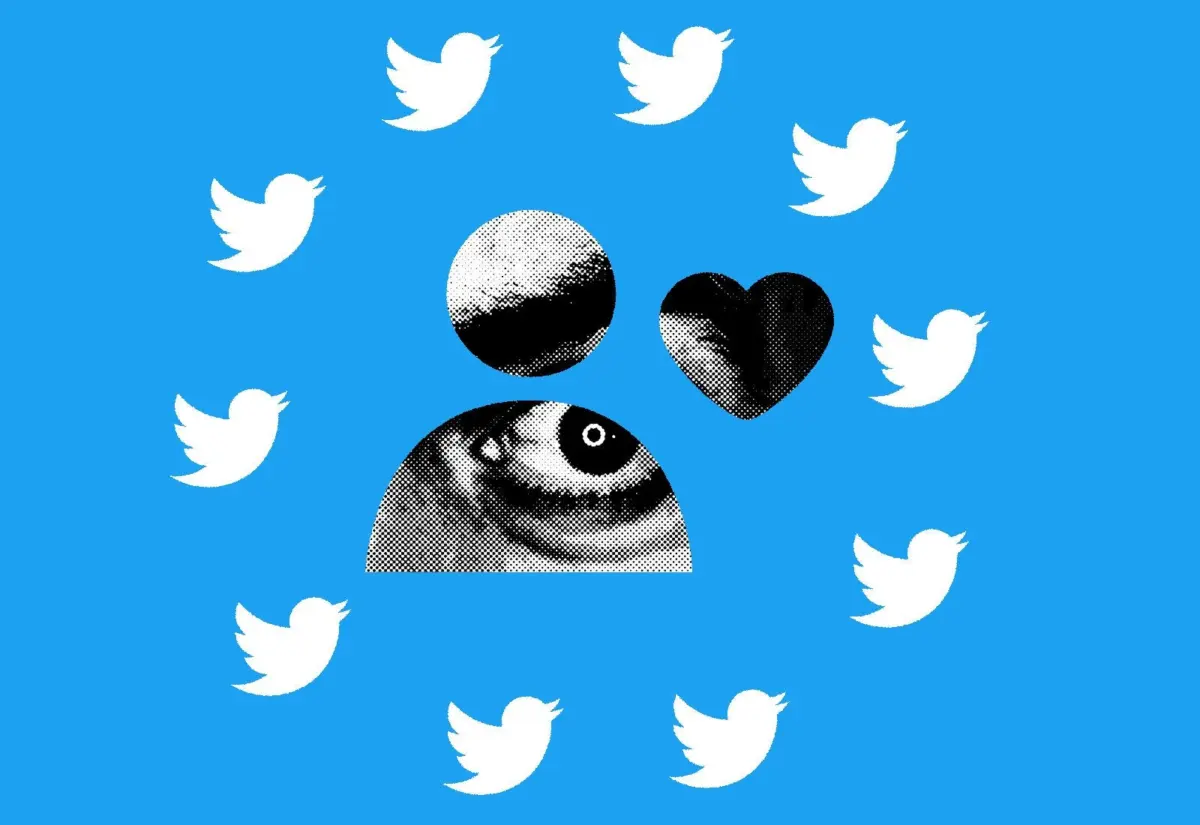
Twitter Circles, launched with great fanfare in August 2022 as a revolutionary tool for intimate digital communication, has suffered a catastrophic security failure. Designed to offer users the flexibility to curate specific audiences for individual tweets, the feature has experienced a severe software breakdown, causing supposedly protected, semiprivate posts—ranging from candid personal thoughts and explicit adult content to sensitive discussions regarding LGBTQ+ identity—to leak directly into the platform’s public-facing, algorithmically driven "For You" feeds.
Eight months after its introduction, and following a tumultuous ownership transition under Elon Musk marked by sweeping layoffs and restructuring, the core security guarantees of Twitter Circles appear to have dissolved. Users worldwide have reported strangers liking and interacting with content strictly designated for their approved inner circles. This alarming glitch has triggered widespread concern among privacy advocates, cybersecurity experts, and everyday users who relied on the feature to maintain safe digital boundaries.
The fallout from this incident extends far beyond a simple software bug; it strikes at the very heart of user trust in modern social media platforms. Critics and former employees argue that the breach is a direct consequence of institutional brain drain and aggressive staff reductions following Musk’s acquisition of the company in October 2022. As questions mount regarding the platform’s structural integrity and the reliability of other privacy-focused features—such as protected accounts—this crisis underscores the fragility of digital walled gardens in an era of rapid, unvetted algorithmic experimentation.
Detailed Chronology: How the Twitter Circles Breach Unfolded
The breakdown of Twitter Circles did not happen in a vacuum; rather, it represents a slow-motion technical collapse that culminated in early April 2023, catching users entirely off guard.
The Promise of Secure Spaces (August 2022)
When Twitter originally rolled out Circles globally in the summer of 2022, the platform positioned the feature as a direct response to the growing demand for smaller, more intimate online communities. In a comprehensive launch blog post, Twitter emphasized that Circles would empower users to build closer connections by limiting post visibility to a carefully selected group of up to 150 followers. Advocacy groups, such as Belong To—an organization supporting young LGBTQ+ people in Ireland—hailed the feature as a vital safety tool, giving marginalized communities unprecedented control over their digital footprint and emotional well-being.
The Breaking Point (April 7, 2023)
The first widespread indications that the secure functionality had broken emerged on Friday, April 7, 2023. Users began noticing strange notifications and unexpected engagement on posts intended exclusively for their Circles.
For New York media worker Adam Moussa, the realization struck approximately 25 minutes after he published a tweet to his Circle. Receiving a notification that an unfamiliar account had liked the post, Moussa investigated further. To his horror, he discovered that not only were his direct Circle posts leaking, but even his replies to other users’ Circle tweets were being broadcast via the public "For You" algorithm to individuals who did not follow him and were certainly not part of his approved group.
Simultaneously, author and cultural critic Abraham Josephine Riesman experienced a similar breach. Having recently completed a boudoir photoshoot, Riesman shared a risqué, non-explicit photo of herself within her curated Twitter Circle, expecting it to remain contained within her trusted network. To her shock, the following morning, a user whom she did not follow—and who was decidedly outside her Circle—had liked the post, exposing the image to a broader, unintended audience.
Public Warnings and Viral Spread
As more users realized their private conversations, personal grievances, and explicit media were openly circulating on the main public timeline, tech-savvy users and prominent creators began posting urgent public service announcements. Warnings flooded the platform, advising individuals to immediately halt the use of Twitter Circles until the underlying code could be inspected and patched. However, with public relations channels largely dismantled under the new corporate regime, no official acknowledgment, warning, or fix was immediately issued by the platform.
Supporting Context & Metrics: The Human and Technical Impact
To fully grasp the gravity of the Twitter Circles failure, one must examine the intersection of platform demographics, structural layoffs, and the psychological reliance on digital walled gardens.
The Stakes of Digital Exposure
While some users leverage Circles for casual gossip or venting about daily frustrations, many rely on the feature as a vital sanctuary for vulnerable expression.
- LGBTQ+ Safety: Activists have repeatedly noted that transgender and non-binary individuals frequently use semiprivate circles to explore their gender identities, share coming-out stories, or discuss transition-related updates safely before stepping out publicly. A algorithmic leak of such sensitive personal disclosures can lead to forced outing, professional repercussions, or real-world harassment.
- Professional Boundaries: Media workers, public figures, and journalists often utilize secondary or restricted spaces to maintain a separation between their professional personas and personal lives. The sudden collapse of these boundaries forces users into uncomfortable compromises regarding their digital self-presentation.
The Exodus of Technical Talent
The technical integrity of a massive social platform relies heavily on experienced engineering, robust quality assurance, and rigorous testing protocols. Following Elon Musk’s acquisition of Twitter in October 2022, the company underwent unprecedented reductions in workforce, shedding significantly more than half of its total employees.
Melissa Ingle, a senior data scientist at Twitter prior to the November 2022 layoffs, categorized the incident as "a major breach of confidentiality." In interviews following the leak, Ingle pointed directly to the loss of institutional knowledge and engineering expertise as the root cause. When core infrastructure teams are decimated, complex algorithmic updates—such as continuous tweaking of the "For You" recommendation engine—are pushed to production without adequate safety checks, drastically increasing the likelihood of catastrophic system failures.
Official Statements and Institutional Silence
In stark contrast to traditional corporate crisis management, Twitter’s response to the Circles breach reflected the chaotic operational style established under its current leadership.
When media outlets and concerned researchers reached out to Twitter’s press office seeking clarification on the technical root cause of the privacy failure, they were met with an automated dismissal. True to the policy enacted by Musk in early 2023, any incoming media inquiry directed to the official press email address received an automated response consisting solely of a poop emoji. This lack of formal communication left users, security analysts, and affected creators completely in the dark regarding whether the vulnerability had been patched or if user data remained compromised.
Independent digital culture researchers, such as Ellen Walker of the Royal College of Art in London, noted that this incident highlights a broader, troubling trend in contemporary internet culture: the illusion of permanence in digital enclosures.
"As quickly as enclosed digital spaces can be curated, they can be taken away in a flash, by virtue of either technological enhancements, wider audience participation or, in the case of the Twitter Circles innovation, a severe misstep on the part of moderating forces," Walker observed.
Future Outlook: The Erosion of Platform Trust
The Twitter Circles fiasco has accelerated a profound crisis of confidence that threatens the long-term viability of the platform as a trusted communication utility.
Broader Security Implications
For many users, the failure of Circles is not an isolated software bug, but a terrifying harbinger of deeper systemic vulnerabilities. As Adam Moussa pointed out, the incident shatters foundational assumptions about privacy controls across the entire application:
- Protected Accounts: If an algorithmic recommendation engine can override the strict permission boundaries of a feature explicitly built for restricted viewing, users can no longer possess absolute confidence that standard private accounts ("locked accounts") will prevent their tweets from being surfaced to the general public.
- Irreparable Trust Deficit: Trust, once broken in digital spaces, is notoriously difficult to rebuild. The prevailing sentiment among long-term users is a weary resignation. As Abraham Josephine Riesman remarked, modern internet users have largely internalized the reality that absolute digital privacy online is an illusion, noting that those remaining on the platform do so with the acute awareness that the infrastructure is continually degrading.
A Turning Point for Social Media Architecture
As regulatory bodies increasingly scrutinize data privacy practices—such as Europe’s stringent GDPR frameworks—technical failures that expose user-generated intimate data without consent could invite severe legal and financial scrutiny.
Ultimately, the Twitter Circles collapse serves as a cautionary tale for the entire technology sector. It vividly demonstrates that rushing algorithmic optimization without commensurate investments in engineering oversight, quality assurance, and user privacy protection inevitably leads to public embarrassment, psychological distress, and the permanent erosion of user trust. Until platform operators restore rigorous safety protocols and transparent communication channels, digital walled gardens will remain perilous ground for those seeking refuge online.