For the average consumer stepping onto a modern car dealership lot, the nomenclature of in-car technology has become a minefield of confusing jargon. Among the most frequently conflated terms in the modern automotive and tech lexicon are Android Auto and Android Automotive OS (AAOS). Despite sharing a parent company, a mascot, and nearly identical sounding names, these two platforms represent fundamentally divergent technological philosophies.
At its core, the distinction boils down to a simple hardware dependency: one connects to your phone, while the other lives directly inside the car.
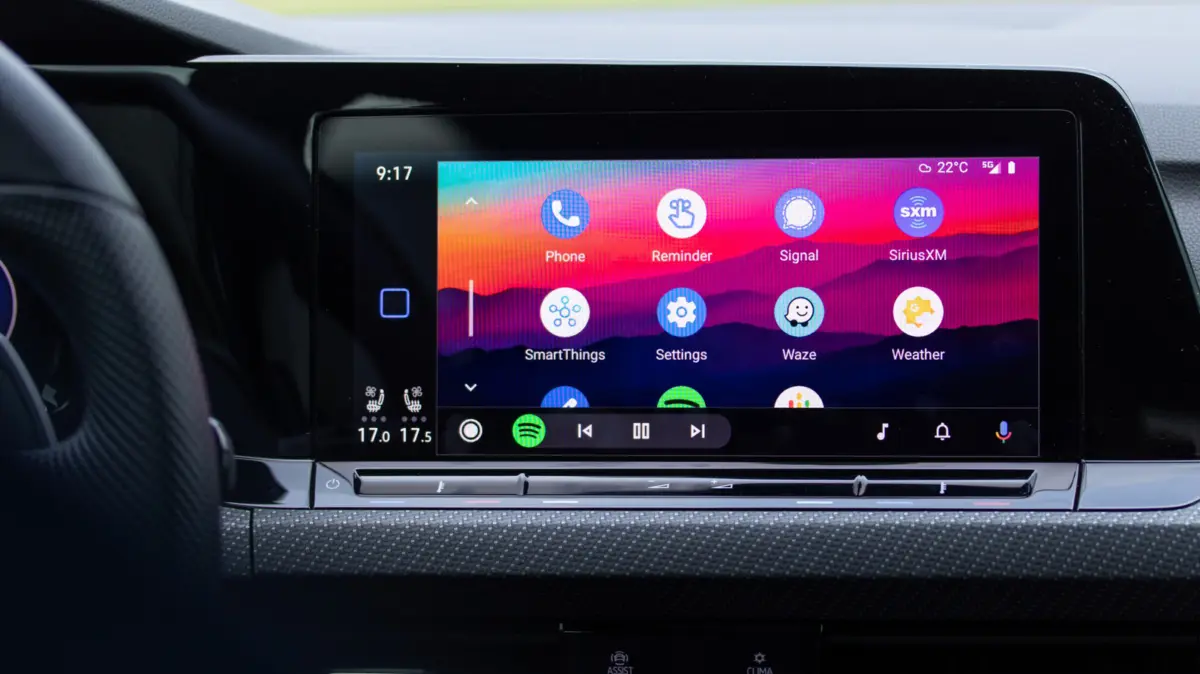
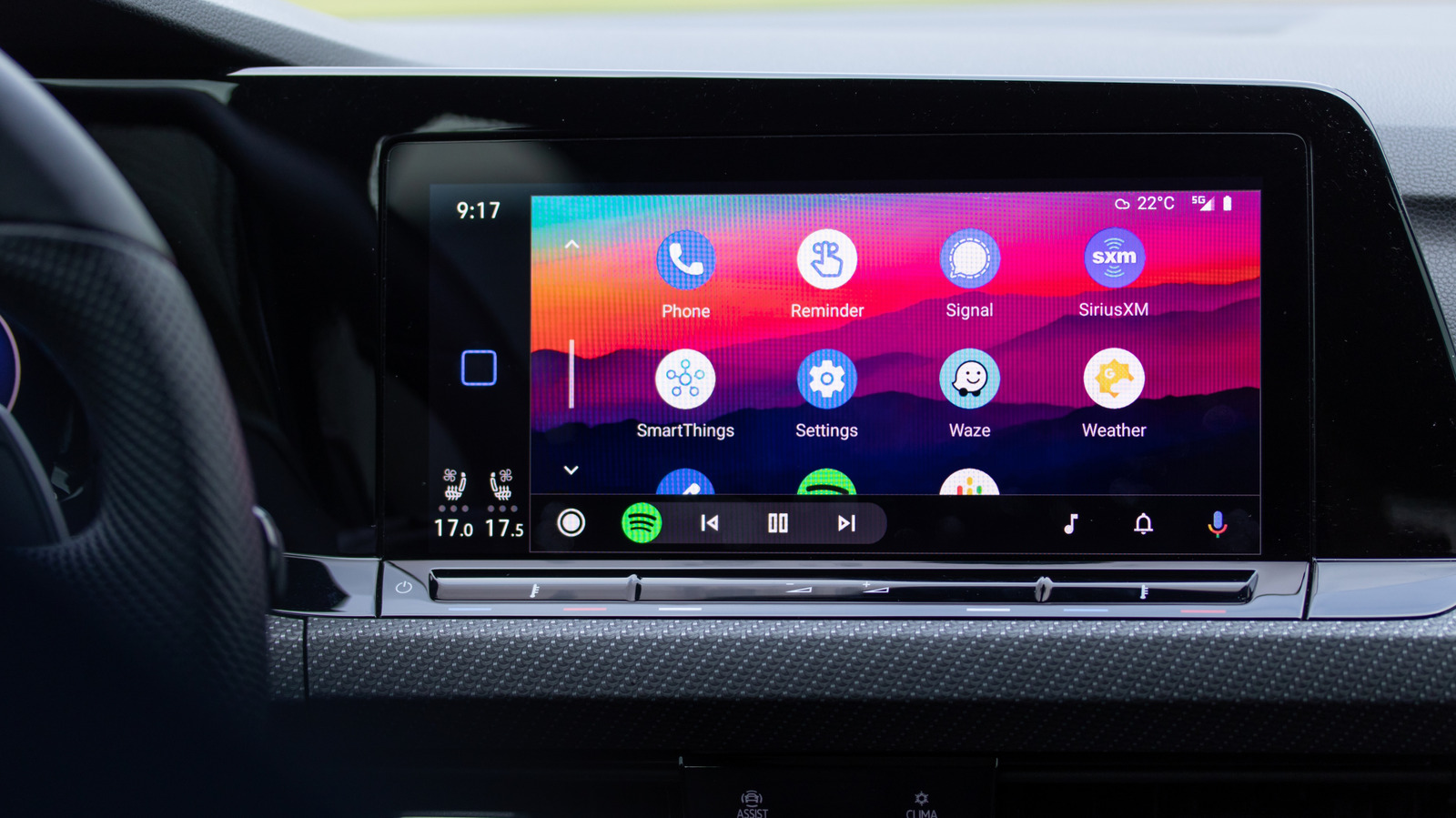
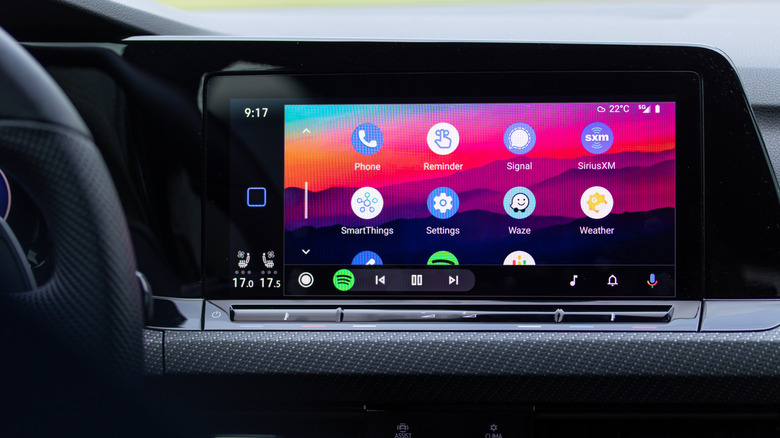
Android Auto is a projection-based interface. It acts as a bridge, taking the computing power of your Android smartphone and casting a driving-optimized, simplified UI onto your vehicle’s infotainment screen. It is Google’s direct answer to Apple CarPlay. Conversely, Android Automotive OS is a comprehensive, standalone operating system embedded directly into the vehicle’s internal hardware. It dictates the entire software ecosystem of the car—powering everything from the central media display and instrument cluster to climate controls and electric vehicle (EV) battery management—entirely independent of whether a smartphone is present in the cabin.
Understanding this divide has never been more critical. As legacy automakers and tech giants wage a high-stakes war for dominance over the digital dashboard, the architectural choices manufacturers make will define how we navigate, entertain ourselves, and interact with our vehicles for the next decade.
Detailed Chronology: The Evolution of Google in the Driver’s Seat
To understand how Google came to occupy two entirely different tiers of the automotive ecosystem, it is necessary to examine the chronological progression of software development inside the cabin.
Phase 1: The Wild West of Infotainment (Pre-2014)
Before tech giants set their sights on the dashboard, in-car entertainment systems were largely built on proprietary, fragmented, and notoriously sluggish software developed by Tier-1 automotive suppliers. Updates were virtually non-existent, user interfaces lagged behind consumer expectations, and drivers quickly realized that the cheapest smartphone vastly outperformed a multi-thousand-dollar factory navigation system.
Phase 2: The Rise of Projection (2014–2019)
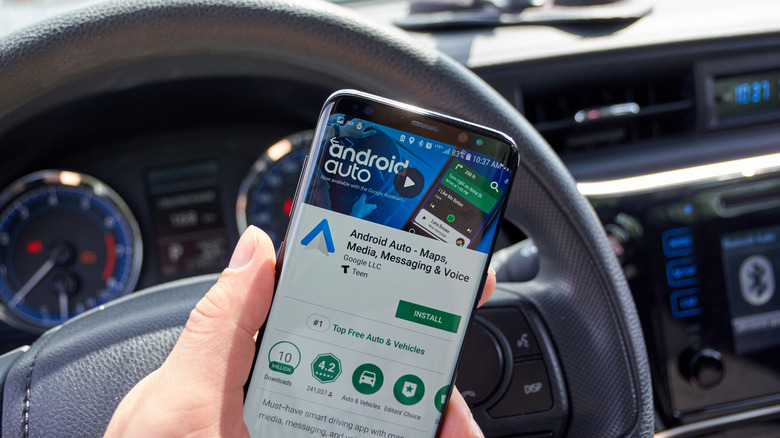
Recognizing a massive market gap, Google introduced Android Auto in June 2014 at Google I/O, closely following Apple’s launch of CarPlay. The premise was brilliant in its simplicity: don’t try to build software for every car on the road; instead, let the driver’s smartphone do the heavy lifting.
2015–2016: Major automakers begin rolling out head units capable of supporting USB-tethered Android Auto.
2018: Wireless Android Auto support begins rolling out, removing the friction of physical cables for supported handsets.
Impact: Android Auto quickly becomes an industry standard, effectively pacifying consumers who demanded modern mapping, messaging, and music apps (like Spotify and Google Maps) in older and mid-tier vehicles.
Phase 3: The Native Takeover (2020–Present)
While projection fixed the infotainment problem, automakers still controlled the underlying vehicle operating systems—many of which remained clunky. Google realized that projecting a phone screen was only a half-measure. They needed the entire car.
2020: The Polestar 2 launches as the world’s first production vehicle to run Android Automotive OS (AAOS), operating entirely on native hardware without requiring a phone.
2021–2023: Rivian, Ford, General Motors, and other major players begin adopting AAOS as the foundational bedrock for their next-generation vehicle software. However, strategies diverge sharply: some adopt Google’s proprietary app suite (Google built-in), while others (like Rivian) use the open-source base to build entirely custom, closed-ecosystem user interfaces.
Present Day: The market now exists in a nuanced hybrid state where projection software (Android Auto) and native operating systems (Android Automotive OS) coexist, compete, and occasionally merge within the same vehicle architectures.
Supporting Context & Metrics: Under the Hood of the Two Platforms
To fully grasp why these systems matter, we must examine their underlying mechanics, data capabilities, and market implementations.
1. Android Auto: The Tethered Co-Pilot
How it works: Your Android phone acts as the central processing unit (CPU). The car’s infotainment screen functions merely as an external monitor.
Data Integration: Android Auto possesses limited access to vehicle data. Depending on manufacturer permissions, it can pull basic metrics—such as battery life, fuel levels, and estimated range—to optimize navigation routing (especially helpful for EV charging stops via Google Maps).
Portability: Because the "brains" live on your phone, your preferences, recent destinations, favorite playlists, and contacts seamlessly travel with you from rental car to personal vehicle.
The Apple Parallel: Android Auto is Google’s equivalent to Apple CarPlay. Even Apple’s most advanced next-generation initiative, CarPlay Ultra (which takes over multiple dashboard screens and vehicle instrument clusters), still fundamentally relies on an iPhone being present in the vehicle.
2. Android Automotive OS (AAOS): The Native Resident
How it works: AAOS is an open-source software platform installed directly onto the vehicle’s head unit and computer hardware. It manages the car’s native applications, climate control, instrumentation, and vehicle diagnostics.
Open Source vs. Google Built-in: This is where consumer confusion peaks.
AAOS (Open Source): The foundational software is freely available for any automaker to modify.
Google built-in: A distinct, commercially licensed suite of software (Google Automotive Services, or GAS) that includes native Google Maps, the Google Play Store, and Google Assistant, operating natively without a phone.
The Manufacturer Divide: Automakers treat AAOS in wildly different ways:
The Purists/Customizers: Companies like Rivian utilize the open-source foundation of AAOS to build completely proprietary software interfaces, explicitly opting out of offering Android Auto or Apple CarPlay.
The Hybrid Approach: Brands like Polestar and Volvo embrace AAOS with Google built-in, yet still maintain compatibility with Android Auto and Apple CarPlay, giving drivers the ultimate flexibility.
Official Statements and Industry Perspectives
The rapid transition toward native automotive operating systems has sparked intense debate within the tech and automotive sectors regarding data ownership, user experience, and monetization.
Industry analysts point out that vehicle dashboards have become the final frontier for consumer digital engagement. Speaking on the strategic value of native software platforms, automotive tech analysts note:
"When a car runs Android Automotive OS with Google built-in, the tech giant is no longer just a guest providing a navigation app; they are the landlord of the entire digital cockpit. This grants automakers deep integration capabilities while giving tech companies unprecedented access to vehicle telemetry and driver behavior."
Conversely, automakers who have chosen to lock down their ecosystems—most notably Rivian—have defended their anti-projection stances by emphasizing brand identity and safety. Rivian executives have frequently stated that controlling the entire hardware-software stack allows for a more cohesive, uninterrupted user experience tailored specifically to electric adventure vehicles, preventing the fragmented user experiences often caused by third-party phone mirroring.
Google, for its part, maintains that both systems serve vital, distinct roles in the modern transit landscape. In whitepapers and developer conferences, Google representatives emphasize that while native operating systems represent the future of deeply integrated vehicle controls, projection-based platforms like Android Auto ensure that billions of smartphone users can access safe, familiar interfaces regardless of the age or make of the car they are driving.
Future Outlook: Where Are We Heading?
The trajectory of in-car operating systems points toward a future characterized by deeper automation, richer app ecosystems, and fierce competition between Silicon Valley and traditional Detroit, Stuttgart, and Tokyo engineering departments.
The Death of Projection? (Unlikely, but Evolving): While some automakers are attempting to phase out phone projection in favor of native systems (drawing consumer backlash in the process), the sheer ubiquity of smartphones ensures that Android Auto and Apple CarPlay will remain vital consumer expectations for the foreseeable future.
The Rise of the Software-Defined Vehicle (SDV): As cars evolve into computers on wheels, Android Automotive OS is positioned to capture a massive share of the market. Its ability to natively control HVAC, seat adjustments, autonomous driving assists, and battery thermoregulation makes it an attractive shortcut for legacy automakers struggling to write millions of lines of complex code from scratch.
Fierce Battles Over the Dashboard Real Estate: Expect automakers to push back against fully realized third-party ecosystems to protect lucrative recurring subscription models. The battle lines will be drawn between automakers wanting to control digital storefronts and tech giants wanting seamless ecosystem continuity across all screens in a consumer’s life.
Ultimately, whether your next vehicle relies on your smartphone to project a familiar map via Android Auto or boots up a fully native digital ecosystem powered by Android Automotive OS, one thing is certain: the dashboard will never just be a dashboard again.