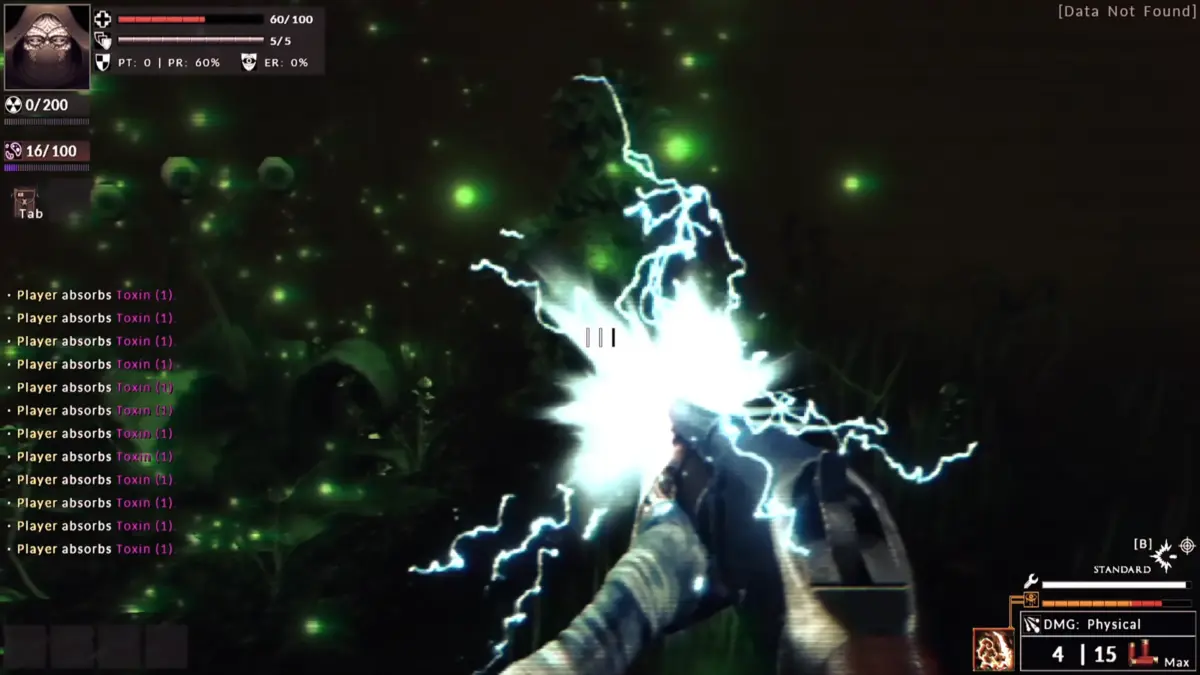
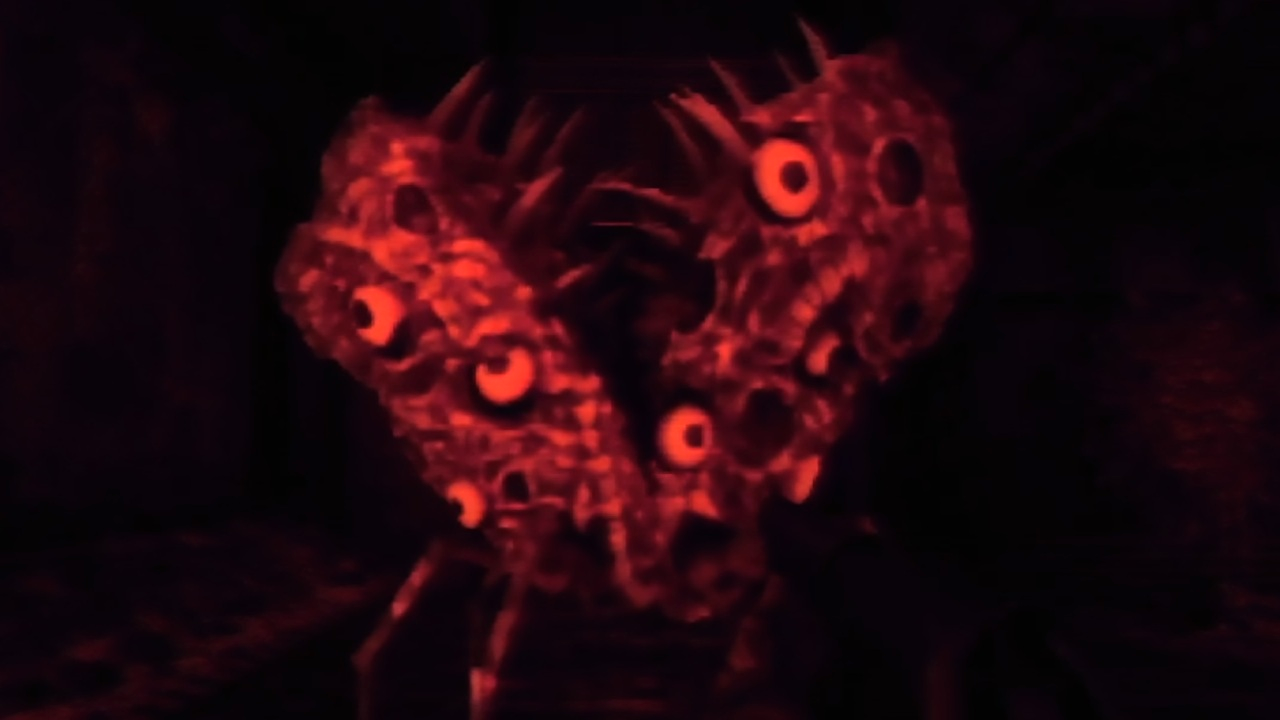
The development cycle of independent video games is rarely a straight line, but few projects navigate a gauntlet as harrowing and emotionally taxing as Divine Frequency. Developed by Abraxaes, this upcoming surreal horror RPG-FPS built within the classic Doom engine has spent years quietly captivating the imagination of horror aficionados and immersive-sim enthusiasts alike. Merging retro-inspired fast-paced gunplay with deep cosmic horror, atmospheric dread, and meticulous lore, the game has long promised to be a landmark title within its niche.
However, the road to its upcoming early access launch has been fraught with extraordinary challenges that threatened to derail the project entirely. Beyond the typical technical hurdles of independent game development, the team faced a devastating personal tragedy: the sudden passing of lead writer and lore-master Pablo "Artistical" Lamprea in the spring of 2025. Compounding this grief, the development team was forced to execute a massive, time-consuming audit and replacement of copyrighted audio assets found within third-party sound libraries, threatening legal vulnerabilities just as momentum picked up.
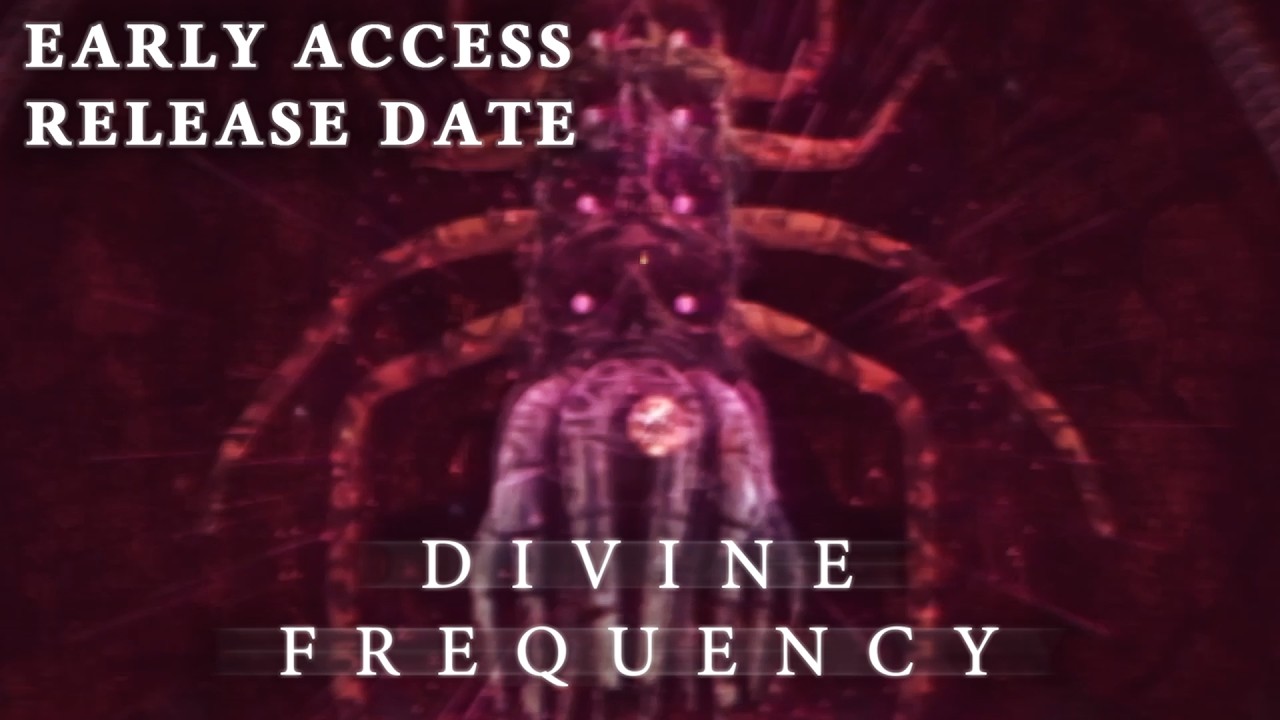
Despite these immense setbacks, perseverance has prevailed. Following the release of a new trailer on September 25, 2025, Abraxaes officially locked in an Early Access release date of October 27, 2025. Rather than rolling out a skeletal build, the launch version promises to deliver a remarkably substantial slice of content—incorporating the first two of three planned acts, translating to roughly 70% of the complete game experience. This report examines the trials, triumphs, and the human cost behind the making of Divine Frequency, detailing how its creators fought through personal loss and technical crises to bring their twisted vision to life.
Detailed Chronology
To understand the weight of Divine Frequency’s upcoming release, it is necessary to retrace the timeline of its development, marked by moments of intense creative synergy followed by sudden, crushing obstacles.
The Early Promise and Demo Phase: For years, Divine Frequency existed primarily as a whisper among hardcore indie horror fans and retro-FPS enthusiasts. The release of its initial playable demo introduced players to a world drenched in SCP Foundation-style bureaucratic categorization of the unknown, contrasted against sprawling, poetic cosmic dread. Built on the iconic Doom engine, the game proved that retro technology could still be twisted into terrifying, modern shapes.
The Blueprint for Act 2: By early 2025, development was hitting its stride. Abraxaes and lead writer Pablo "Artistical" Lamprea had established a deeply collaborative rhythm, hashing out the game’s convoluted lore—ranging from the nature of the reality-devouring "Divine Frequency" to the psychological residue of "psi" consciousness. Around March 2025, the team mutually agreed to hold off on writing the narrative scripts for Act 2 until Abraxaes could assemble a complete, playable development build. This allowed Lamprea to experience the level design firsthand before putting pen to paper.
April 1, 2025 – A Devastating Loss: In what would prove to be a cruelly ironic twist of fate on midnight of April Fool’s Day, Abraxaes received the news that Pablo Lamprea had tragically passed away. The confirmation later rippled through the community via Lamprea’s Discord account, verified by his partner. The sudden loss brought the project to a near-complete standstill, as Abraxaes grappled with the loss of both a close collaborator and the creative engine that fueled the game’s universe.
Mid-2025 – The Audio Crisis: Just as the developer began processing their grief and considering whether to push forward, a secondary operational crisis emerged. It was discovered that several commercially purchased sound libraries utilized within the game contained unlicensed, copyrighted material. To protect the project from catastrophic legal liabilities, Abraxaes had to halt development workflows and meticulously scrub every single audio file, auditing and replacing infringing tracks piece by piece.
September 25, 2025 – The Early Access Announcement: Breaking months of silence regarding release windows, Abraxaes dropped a chilling new trailer accompanied by an official announcement: Divine Frequency would officially enter Steam Early Access on October 27, 2025.
Supporting Context & Metrics
The development of Divine Frequency offers a fascinating case study in the realities of solo and micro-team game development, highlighting both the vulnerabilities and the sheer scale of ambition required to pull off such a project.
Scope and Content Volume: Early access releases are notorious for launching with minimal content—often a single biome, a handful of weapons, and placeholder narrative. Divine Frequency is bucking this trend significantly. The October 27 launch build will feature the entirety of Act 1 and Act 2. According to developer estimates, this constitutes approximately 70% of the game’s total planned narrative and gameplay breadth.
Technical Foundations: Utilizing the modified Doom engine places Divine Frequency in a prestigious lineage of modern "boomer shooters" that extract incredible aesthetic and atmospheric mileage from retro architecture. However, marrying this retro tech with modern RPG progression, complex scripting, and intricate cosmic horror writing requires deep technical and artistic synergy—a balance that was severely disrupted when Lamprea’s contributions came to an abrupt halt.
Community and Wishlist Metrics: Despite long radio silences driven by personal tragedy and structural audits, the game has maintained a dedicated core following on Steam. Its updated demo continues to draw praise from horror content creators, serving as a vital lifeblood for the community visibility leading up to the Early Access window.
Official Statements
The emotional core of Divine Frequency’s survival lies in the transparency and vulnerability shown by its creator, Abraxaes, when addressing the community about the project’s trials. In March 2025 community updates and subsequent reflections, the developer laid bare the human element behind the code:
Regarding the loss of Pablo "Artistical" Lamprea, Abraxaes shared:
"On the midnight of April 1st, 2025 (cruel irony), I received the news that our lead writer and lore-master, Pablo ‘Artistical’ Lamprea, had tragically passed away, later confirmed on his discord account via his girlfriend. This came as a shock to all of us and consequently almost ended all my desire to continue working on the game.
Our man Artistical was the fuel that kept my creative fire burning for the game. We would remain in contact regularly to discuss many aspects of the game world, from why the Divine Frequency is devouring the world to the timeline that led up to that event, or why psi is the residue consciousness from another universe that allowed reinterpretations of the current laws of reality.
We’ve had many long hour calls discussing, brainstorming and crafting the world that you’ll be experiencing soon. Anytime I wasn’t sure of a design choice I made, I knew I could always rely on him for consultation."
Highlighting Lamprea’s extensive contributions to the text and world-building, Abraxaes added:
"His role didn’t end there though, he also took the responsibility of writing the majority of in-game dialogues, item descriptions, and notes/computer logs to help lessen the load of the incredibly demanding task that is creating a quality video game. What made this event so difficult for me to stomach in particular was the sheer unfortunate timing of it.
About 3 weeks before Artistical’s passing, we’ve agreed to hold off committing to any writings for ACT-2 until I completed a dev build for it. This is so he and I can discuss and plan out the scripts as he plays through it. Unfortunately, this never came to fruition. The entirety of ACT-2 was left without the brilliance of the hand that will write its story."
On the administrative and logistical nightmares that followed later in the year, particularly concerning the audio overhaul, Abraxaes noted the compounding delays:
"This also delayed the game by a fair margin," the developer wrote, detailing the painstaking process of scrubbing copyrighted material from third-party sound libraries to ensure absolute legal compliance before a commercial release.
Emphasizing the philosophy behind the eventual launch format, Abraxaes stated:
"You only get one chance to launch a game, and this needs to be pristine on launch."
Future Outlook
As the October 27 Early Access launch date rapidly approaches, Divine Frequency stands as a monument to endurance. The loss of Pablo Lamprea means that the final stretches of the game—specifically Act 3 and the concluding narrative beats—will have to be navigated without his direct, day-to-day creative partnership. However, the foundational lore, world-building frameworks, and atmospheric tone he established alongside Abraxaes remain firmly embedded in the project’s DNA.
For players hesitant to jump into unfinished, piecemeal early access titles, Abraxaes’ strategy of holding back until 70% of the game was complete offers a reassuring middle ground. Delivering Acts 1 and 2 out of the gate ensures that early adopters will receive a substantial, meaty campaign rather than a mere vertical slice.
The horror genre is built on the fear of the unknown, but the real-world trials faced by the creators of Divine Frequency prove that making a terrifying game often requires surviving real-world grief and adversity. When players finally boot up the game on October 27, they won’t just be stepping into a surreal, pixelated nightmare driven by eldritch frequencies; they will be experiencing the culmination of a deeply personal labor of love, preserved and completed against all odds.