Executive Overview
More than half a century after Stephen King first published his seminal 1974 debut novel—and decades after Brian De Palma’s legendary 1976 feature film and Kimberly Peirce’s 2013 cinematic remake etched telekinetic vengeance into the pop-culture lexicon—the horror masterwork is receiving its most expansive screen treatment yet. Debuting on Prime Video, this new eight-episode television adaptation redefines the boundaries of King’s classic story.
Spearheaded by master of modern horror Mike Flanagan alongside Stephen King himself as an executive producer, the series breathes fresh, terrifying life into the tragic tale of Carrie White. Eschewing the strict runtime limitations of a standard feature film, this episodic format allows the source material to unfurl with patient, character-driven precision. Furthermore, the production brilliantly weaponizes contemporary anxieties, transplanting the isolated torment of a bullied teenager from the analog grit of the 1970s into an ecosystem dominated by smartphones, viral videos, and the inescapable cruelty of anonymous social media mob mentality.
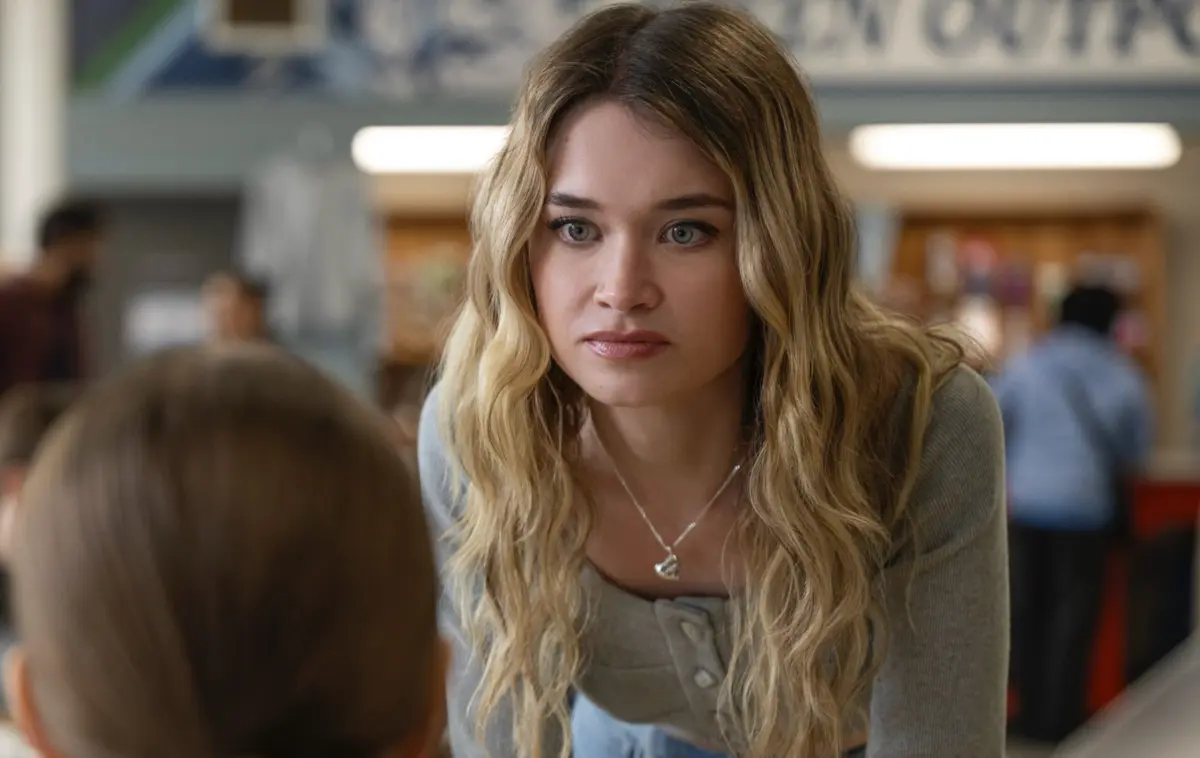
Boasting an impressive 84% approval rating on Rotten Tomatoes and a stellar ensemble cast featuring both Flanagan alumni and fresh faces like Summer H. Howell and Amber Midthunder, this adaptation marks the explosive inaugural project of Flanagan’s multi-year partnership with Amazon MGM Studios. As viewers prepare to stream the series, the cultural conversation is shifting: in an era defined by digital connectivity and relentless public shaming, Carrie feels more relevant—and more harrowing—than ever before.
Detailed Chronology: From Novel to Modern Streamer
To understand the weight of Prime Video’s new television event, it is essential to trace the lineage of a story that effectively launched modern horror literature.
1974–1976: The Genesis and the Masterpiece
Stephen King famously discarded the early drafts of Carrie into the trash, discouraged by his initial attempts to write from the perspective of a teenage girl. It was his wife, Tabitha King, who fished the crumpled pages out of the wastebasket and urged him to finish the manuscript. Published in 1974, the epistolary novel—built around news clippings, scientific reports, and diary entries surrounding a catastrophic high school prom—became an instant sensation.
Just two years later, in 1976, director Brian De Palma translated the novel to the big screen. Starring Sissy Spacek as the titular outcast and Piper Laurie as her fanatically religious mother, Margaret White, De Palma’s film became a benchmark of cinematic horror. It earned Academy Award nominations for both Spacek and Laurie, cementing the iconic image of Carrie drenched in pig’s blood as a permanent fixture of horror iconography.
2013: The First Remake
Decades later, in 2013, director Kimberly Peirce attempted to reintroduce the material to a 21st-century audience. Starring Chloë Grace Moretz as Carrie and Julianne Moore as Margaret, the film leaned heavily into modern visual effects and attempted to address early-web cyberbullying. While competent and visually striking, the film struggled under the familiar constraints of a 100-minute feature runtime, which compressed the psychological buildup necessary to make Carrie’s final, fiery outburst truly earned.
2026: The Episodic Expansion
Recognizing that feature films inevitably have to sacrifice the novel’s deep-dive character development, Prime Video and Mike Flanagan recognized that television was the ideal medium for King’s debut. Announced as part of Flanagan’s high-profile overall deal with Amazon—which also houses his ongoing development of King’s epic fantasy masterwork, The Dark Tower—this new eight-episode event finally gives the narrative room to breathe.
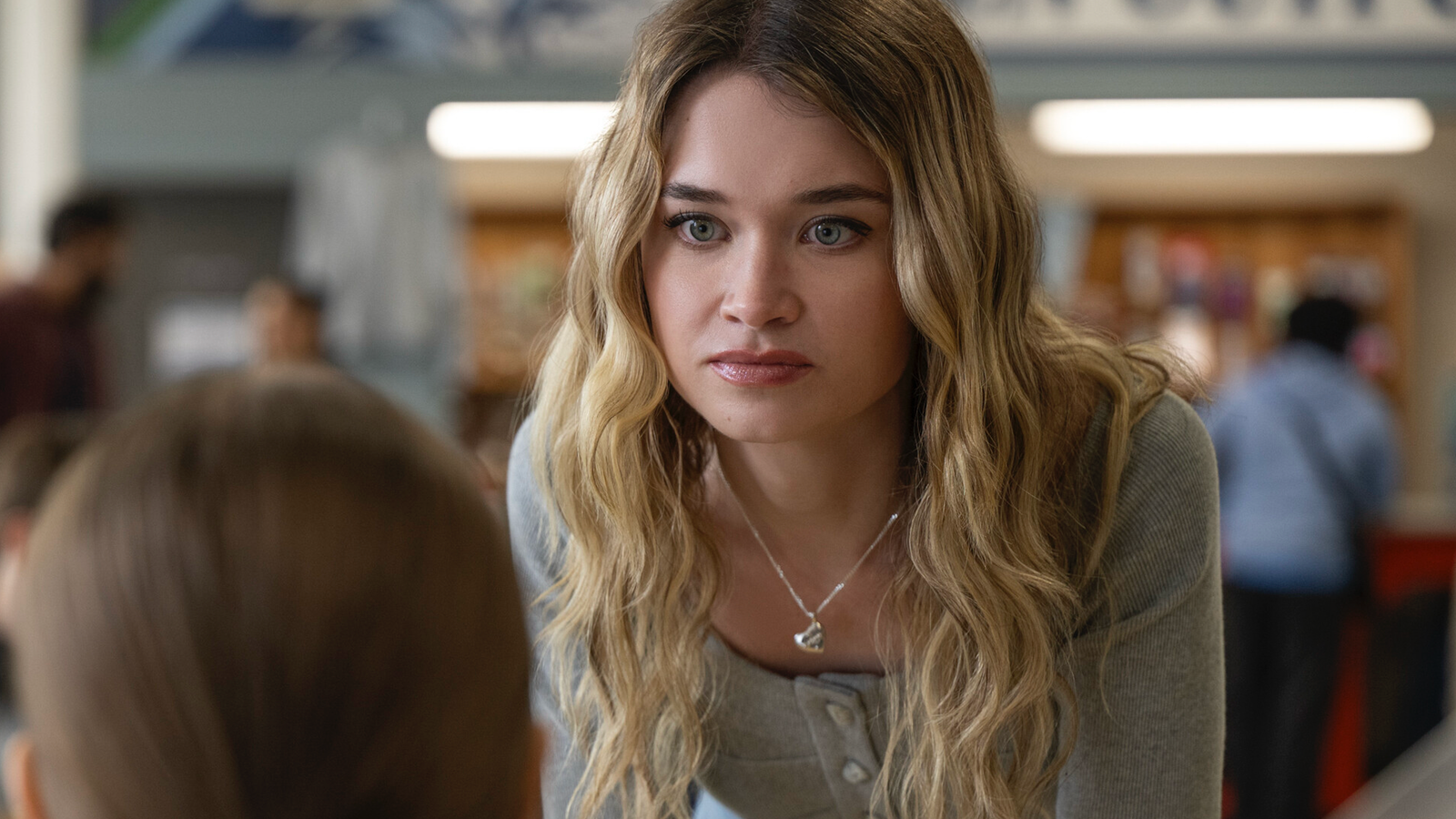
By taking its time across multiple chapters, the series shifts the focus from a singular tragic climax to a slow-burn sociological examination of a community poisoning itself from the inside out.
Supporting Context & Metrics: Translating Terror to the Digital Age
The most daring structural choice in Flanagan’s adaptation is its embrace of modern technology. When King wrote the novel in the early 1970s, isolation was physical: cruel words were whispered in locker rooms, and physical notes were passed in secret. In 2026, isolation is hyper-visible, and cruelty is permanently archived online.
The Weaponization of Social Media
Rather than ignoring the realities of modern teenagehood, the series leans directly into the omnipresence of smartphones, viral apps, and instantaneous digital public shaming. In his critical review of the series for Polygon, critic Jake Kleinman captured the agonizing brilliance of this shift:
"We know the story’s true horror will eventually emerge from Carrie’s awful psychic outburst, but watching the entire town squirm under the pressure of anonymous social media accusations is even more agonizing."
This shift transforms the narrative from a simple story of school bullying into a scathing critique of modern internet culture. The town of Chamberlain does not merely mistreat a quiet girl in the hallways; they capture her humiliation, upload it to the cloud, and feed it to a global audience that demands digital blood. The modern terror of the show is that Carrie’s ultimate revenge does not arrive in a vacuum—it is the logical, horrific conclusion of a digitized society that treats human suffering as content.
Critical Reception and Metrics
Early critical reception indicates that this gamble has paid off massively. As of its premiere week, the series holds a strong 84% approval rating on Rotten Tomatoes. The critical consensus paints the series as a triumph of modern horror writing:
- Modernity Meets Timelessness: Critics have praised the show for preserving the core emotional and thematic weight of King’s text while successfully updating its milieu.
- Ensemble Performance: Unlike traditional anthology-style horror runs that rely exclusively on Flanagan’s recurring repertory players, this series introduces fresh talent. Breakout performances from Summer H. Howell and Amber Midthunder have been singled out for giving the production a grounded, deeply human relatability that keeps the supernatural elements tethered to emotional reality.
Official Statements and Behind-the-Scenes Insights
The collaboration between Stephen King and Mike Flanagan represents a meeting of two minds uniquely suited to exploring the dark underbelly of human empathy. Flanagan, who has previously built a stellar reputation adapting King’s works—including Doctor Sleep, Gerald’s Game, and The Life of Chuck—has long spoken of his reverence for King’s bibliography.
In production notes accompanying the launch of the series, creative stakeholders emphasized the importance of returning to the psychological core of the novel rather than merely chasing the high of the 1976 prom sequence.

"When you condense Carrie into ninety minutes, you are forced to treat the telekinesis and the blood as the main event," production insiders noted. "With eight hours of television, the telekinesis becomes the inevitable symptom of a much larger, systemic disease—the cruelty of peers, the failure of institutions, and the suffocating grip of domestic extremism."
Furthermore, Stephen King’s active involvement as an executive producer ensured that the adaptation honors the deep empathy he felt for his protagonist when he originally put pen to paper in the early 1970s. King has often noted that Carrie White was never meant to be a monster; she was an abused child pushed past the absolute limit of human endurance by a society that refused to protect her. Flanagan’s expanded runtime allows the audience to sit in the uncomfortable reality of that abuse, ensuring that when the telekinetic retribution finally strikes, the audience understands the profound grief beneath the flames.
Future Outlook: A New Era for Stephen King Adaptations on Prime Video
The release of Carrie is far more than a routine content drop for Prime Video; it serves as a critical stress-test and a triumphant proof-of-concept for Mike Flanagan’s multi-year creative partnership with Amazon MGM Studios.
With Amazon betting heavily on Flanagan’s distinct brand of character-focused, emotionally resonant horror, the success of this eight-episode series paves the way for his even more ambitious upcoming venture: a definitive screen adaptation of Stephen King’s monumental fantasy masterwork, The Dark Tower.
If Carrie proves anything, it is that Flanagan possesses the rare ability to honor sacred literary text while fearlessly updating its thematic vocabulary for contemporary audiences. By proving that legacy horror can be deeply relevant, psychologically devastating, and structurally expansive all at once, Flanagan has set a towering new standard for book-to-screen adaptations.
As the credits roll on the final episode of Carrie and audiences digest the fiery ashes of Chamberlain, one thing is abundantly clear: horror television has entered a thrilling new era, and Mike Flanagan is leading the charge.