The convergence of global sports stars, high fashion, and holiday marketing campaigns reached an unprecedented crescendo in late 2026, marking a defining period for the luxury retail and branding sectors. From the sun-drenched coasts of Spain to the historic retail halls of London’s Harrods, the fashion industry has deployed high-profile cultural icons to anchor its most lucrative sales cycles of the year.
At the center of this cultural phenomenon is Real Madrid and England midfielder Jude Bellingham, whose monumental Calvin Klein underwear campaign has captured global attention. Simultaneously, luxury fashion houses and legacy brands have launched ambitious festive and archival initiatives. Gucci enlisted pop royalty Mariah Carey for a cinematic holiday rollout directed by Harmony Korine; Chloé tapped supermodel Claudia Schiffer for a nocturnal, sensual winter interpretation under creative director Chemena Kamali; and Dior secured a prominent retail takeover at Harrods to showcase Jonathan Anderson’s debut cruise collection.
This comprehensive report examines the structural shifts, strategic alignments, and cultural moments defining the global fashion landscape in November 2026. Through an investigative lens, we analyze how heritage houses and contemporary labels are leveraging athlete-driven virality, archival documentation, and immersive retail experiences to capture consumer imagination and secure market dominance.

Detailed Chronology: The November 2026 Fashion Landscape
The opening week of November 2026 witnessed a rapid succession of major industry announcements, campaign debuts, and creative appointments that recalibrated the luxury market.
October 27 – November 6, 2026: The Lead-Up and Calvin Klein Reveal
The strategic rollout began on October 27, when Calvin Klein published a suspenseful teaser reel across its digital channels accompanied by the cryptic caption: “The next icon. Coming soon.” Social media speculation immediately reached a fever pitch, with digital communities dissecting frame-by-frame previews and parsing fan comments filled with viral emojis and pop-culture references.
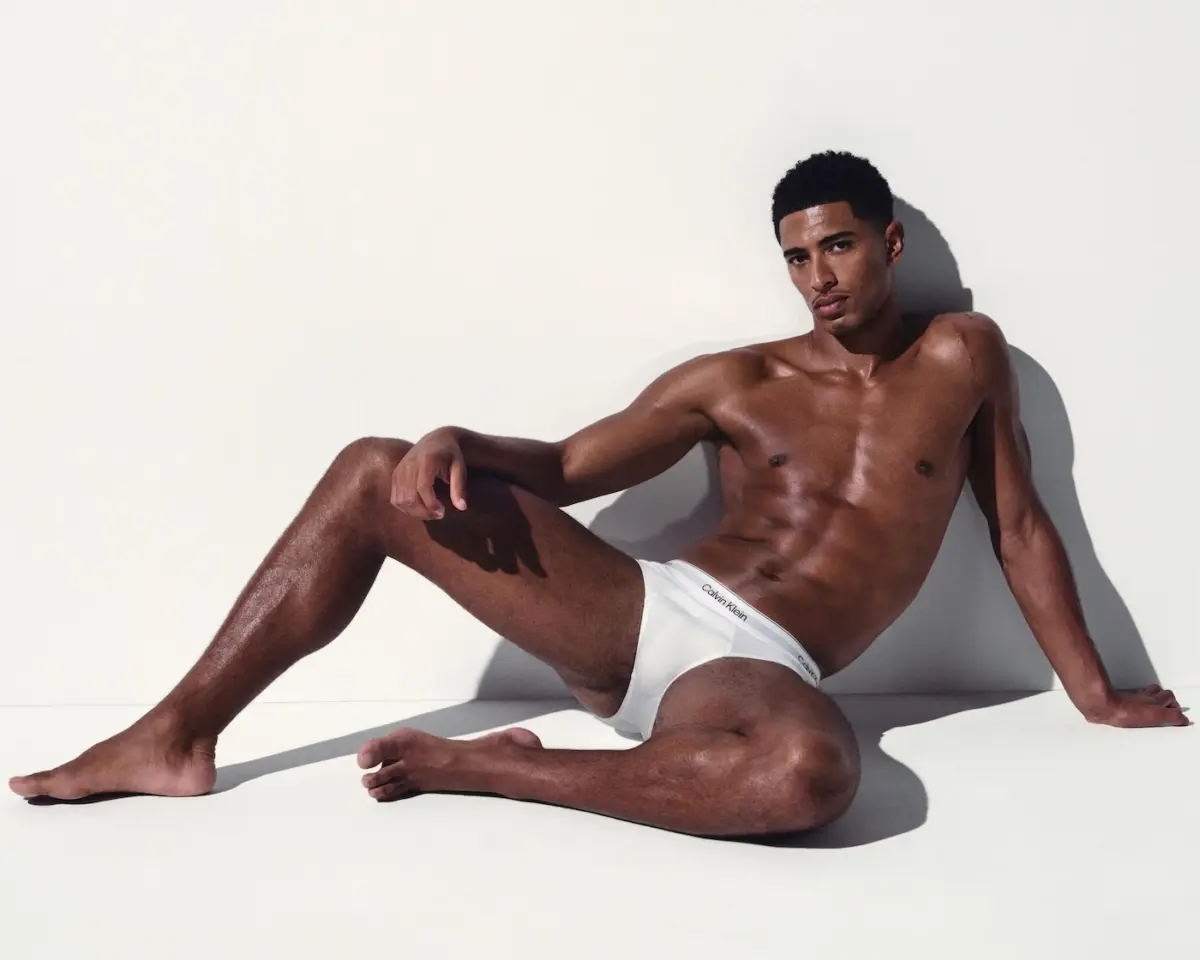
On November 6, the mystery was officially unveiled: twenty-three-year-old football phenom Jude Bellingham was announced as the face of Calvin Klein’s latest Cotton Stretch underwear campaign. Photographed by Oliver Hadlee Pearch on location in Spain, the campaign features Bellingham transitioning from casual denim and white tanks to classic briefs and trunks.

Early November Holiday Rollouts: Gucci, Levi’s, Chloé, and Dior
As the calendar turned to November, legacy brands accelerated their holiday strategies:
- November 2: Levi’s launched its stop-motion holiday campaign, titled “Let’s Get Fuzzy,” introducing Gus the Fuzzyeti to global audiences.
- November 5: Thames & Hudson released its groundbreaking Louis Vuitton: Menswear Catwalk book, marking the first time a single luxury house has received a secondary, dedicated menswear volume in the publisher’s acclaimed archival series.
- November 6: Gucci premiered its holiday campaign starring Mariah Carey and directed by Harmony Korine. Simultaneously, Dior opened its high-profile pop-up at Harrods, and Chloé released its dark, sultry festive campaign featuring Claudia Schiffer.
Supporting Context & Metrics: The Mechanics of Modern Luxury Marketing
To understand the weight of these November 2026 initiatives, one must examine the shifting metrics of consumer engagement, digital reach, and archival prestige.
The Athlete as Luxury Icon: Jude Bellingham’s Commercial Ascent
The transition of elite athletes into primary luxury fashion ambassadors is no longer an emerging trend; it is a foundational pillar of modern marketing. Jude Bellingham’s partnership with Calvin Klein represents the absolute peak of this intersection. At just twenty-three years old, Bellingham possesses a rare cross-generational appeal, bridging traditional football fandom with the Gen-Z digital aesthetic.

Shot against the sun-baked architectural backdrops of Spain, Oliver Hadlee Pearch’s lens captures Bellingham replicating his iconic arms-to-crowd stadium celebration. However, the psychological framing of the campaign departs from athletic triumph into intimate, sculptural portraiture. By positioning a premier footballer as the "icon underneath," Calvin Klein successfully taps into the cultural obsession with athletic physiques while borrowing the immense earned-media value of a global sports superstar. Industry analysts project that the campaign will generate tens of millions of impressions across Instagram, TikTok, and global out-of-home displays, cementing Bellingham’s status outside the pitch.
+--------------------------------------------------------------------------+
|                       CALVIN KLEIN / JUDE BELLINGHAM                     |
|                   Campaign Impact & Metrics Framework                    |
+--------------------------------------------------------------------------+
|  Audience Reach       | Multi-generational (Sports fans + Gen-Z fashion) |
|  Visual Direction     | Oliver Hadlee Pearch (Shot on location in Spain) |
|  Core Garments        | Cotton Stretch briefs, trunks, boxers, denim     |
|  Digital Catalyst     | Teaser reel drop (Oct 27) -> Global launch (Nov 6)|
+--------------------------------------------------------------------------+
Cinematic Nostalgia: Mariah Carey and Gucci’s Festive Synergy
Holiday marketing has long relied on established seasonal tropes, but Gucci’s collaboration with Mariah Carey—directed by subversive auteur Harmony Korine—elevates commercial storytelling into high art. Known colloquially as the annual "thawing" of Carey ahead of the winter holidays, the campaign cleverly subverts expectations by placing the vocal powerhouse at the center of a luxury hotel narrative.
Staff scramble through ornate corridors as Carey makes her grand entrance, leading into an exclusive holiday party where guests don Gucci’s latest ready-to-wear pieces, highlighted by the house’s signature Butterfly collection. Korine’s direction blends camp aesthetics with high-fashion grit, proving that seasonal marketing can maintain editorial integrity while driving immediate e-commerce conversions.

Archival Expansion: Louis Vuitton and Thames & Hudson
While seasonal campaigns capture immediate consumer dollars, archival preservation secures long-term brand equity. Since the inception of its Catwalk series in 2016, Thames & Hudson has established the gold standard for comprehensive runway documentation, producing eleven cloth-bound volumes dedicated to individual fashion houses.
The release of Louis Vuitton: Menswear Catwalk on November 5 breaks new ground. As the first fashion house in the publisher’s history to receive a second, dedicated volume exclusively for menswear, the book underscores the monumental evolution of men’s luxury design over the past three decades. Spanning archival collections from the Marc Jacobs era through contemporary creative visions, the publication serves as both an educational resource for fashion historians and an essential coffee-table artifact for luxury consumers.
Official Statements & Industry Reactions
The unprecedented scale of November’s fashion milestones drew commentary from the creative directors, executives, and talent shaping the industry.

-
Jude Bellingham on his Calvin Klein partnership:
"Calvin Klein is an iconic brand with a legacy of unforgettable imagery. I loved the concept of the campaign and the idea of highlighting the person underneath the clothes. It was an incredible experience shooting in Spain with the team."
-
Chemena Kamali on Chloé’s Festive Vision:
Describing the brand’s holiday campaign starring supermodel Claudia Schiffer, creative director Chemena Kamali emphasized a departure from traditional wholesome holiday tropes, framing the collection as:
"Mysterious, nocturnal, and deeply sensual."
Shot by David Sims, the campaign pairs Schiffer in archival-adjacent pieces—including delicate chainlink tops and structured dark blazers—with the romantic codes of the house’s AW26 and SS27 collections. -
Irina Shayk on Hunza G’s Resort 27 Collection:
While the Northern Hemisphere settles into heavy winter coats and knitwear, supermodel Irina Shayk and British swimwear label Hunza G rejected seasonal conventions entirely. Modeling the Resort 27 collection on the rugged coast of Ibiza, Shayk praised the crinkle-stretch co-ords and minimalist bikinis, describing the lineup as:"Playful, effortless, and unapologetically sexy."

Future Outlook: Strategic Directions for 2027 and Beyond
As the fashion industry closes out the final quarter of 2026, the events of November point toward several clear trajectories for the coming year:
1. The Institutionalization of the Athlete-Model
The success of Calvin Klein’s campaign with Jude Bellingham signals that athletic partnerships will continue to displace traditional actors and pop musicians as the primary vehicles for male underwear and lifestyle marketing. Brands will increasingly seek out multi-hyphenate sports stars who command global digital followings and represent peak physical conditioning.
2. Immersive Retail and Experiential Holiday Takeovers
Dior’s expansive two-month residency at Harrods—showcasing Jonathan Anderson’s debut cruise collection alongside festive ornaments—demonstrates that physical retail must offer theatrical, museum-quality experiences to compete with digital storefronts. Expect luxury houses to double down on flagship store takeovers, bespoke cafés, and immersive pop-ups throughout major global capitals in 2027.

3. Incubating Next-Generation Talent Through Capital Grants
Amidst the corporate maneuvers of legacy houses, critical infrastructure is being built to support emerging talent. Initiatives such as the RAISEfashion 2027 Masterclass—which offers young, underrepresented designers an eight-week intensive business strategy program culminating in a week in New York City and $50,000 in direct funding—highlight a growing industry-wide recognition that sustainable luxury requires grassroots financial backing. With applications closing on December 4, 2026, such programs ensure that the creative pipeline remains robust, diverse, and commercially viable for the decade ahead.