The digital landscape is a fickle archive, frequently resurrecting artifacts from the nascent days of Web 2.0 to be examined through the hyper-analytical lens of contemporary internet culture. Among the most foundational pieces of digital video lore is the legendary "Leave Britney Alone!" viral video, originally uploaded to YouTube by internet personality Chris Crocker (now known as Cara Cunningham). On November 13, 2026, fresh archival updates and metadata entries curated by Know Your Meme staff writer Zach Sweat brought renewed attention to this watershed moment in internet history.
Originally broadcast during a tumultuous period for pop icon Britney Spears in September 2007, Crocker’s emotional, tear-soaked defense transcended mere fandom to become one of the earliest blueprints for modern viral video culture, reaction content, and parasocial media engagement. Nearly two decades later, the re-examination of this media object—highlighted by updated cataloging on major meme research platforms—serves as a timely reminder of how the internet processes celebrity, parasocial relationships, and the evolution of digital self-expression.
This report provides a comprehensive retrospective of the "Leave Britney Alone" phenomenon. It explores the socio-cultural ecosystem of the late 2000s internet, the life-altering impact the video had on its creator, the subsequent shifts in public perception surrounding Britney Spears, and the lasting legacy of a single YouTube upload that forever altered the mechanics of online discourse.
Detailed Chronology: From 2007 Outcry to 2026 Archival Revival
To understand the weight of the November 2026 archival updates, one must retrace the precise timeline of events that propelled Chris Crocker from an obscure web creator to a global pop-culture touchstone.
The Crucible: September 2007
In the late summer of 2007, pop superstar Britney Spears was enduring a relentless, predatory media storm. Tabloids, paparazzi, and late-night talk show hosts relentlessly mocked her personal struggles, culminating in a widely panned performance at the 2007 MTV Video Music Awards where she performed "Gimme More."
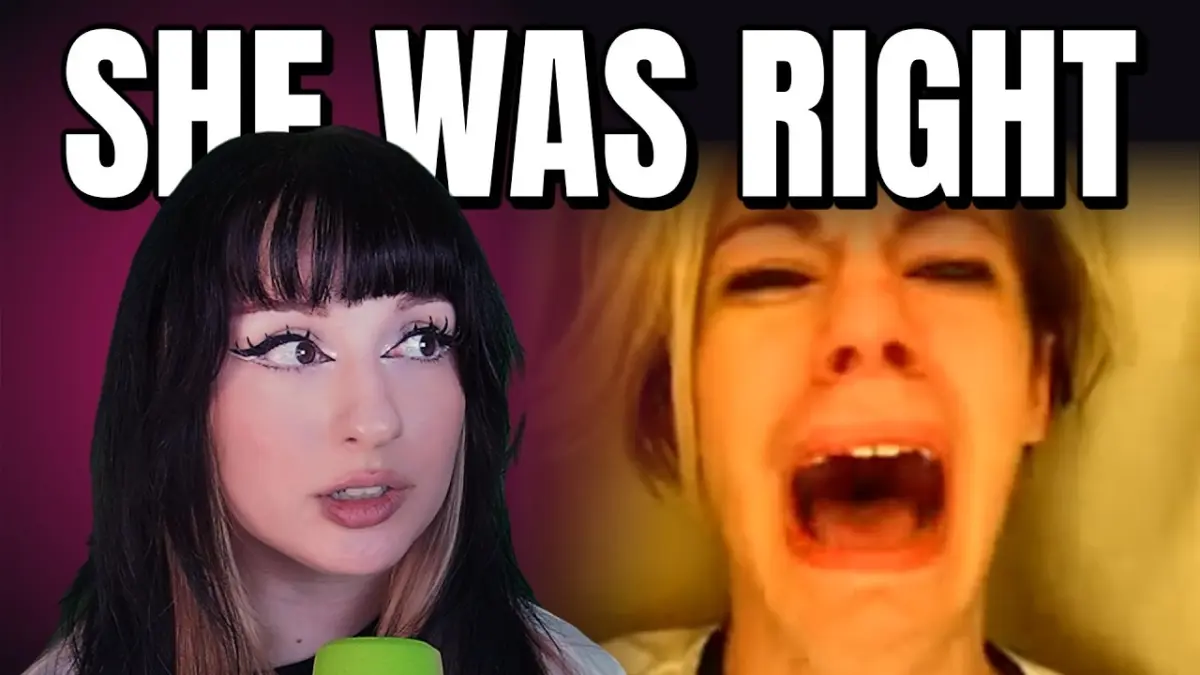
On September 11, 2007, enraged by the pervasive cruelty directed at his idol, a then-19-year-old Chris Crocker recorded a raw, unedited video in their bedroom. With mascara running down their face and an unwavering, impassioned tone, Crocker delivered the immortal plea: “Leave Britney Alone!” The video was uploaded to YouTube, instantly igniting a polarizing firestorm across the internet.
Immediate Backlash and Virality
Within hours of its publication, the video broke out of traditional fan circles and ricocheted across message boards, early social media platforms, and news outlets. In 2007, the concept of a "viral video" was still in its infancy; YouTube was only two years old, and the mechanics of algorithmic recommendations did not exist in their modern form. Content spread primarily through forums like Something Awful, early Reddit precursors, and email chains.
Crocker became an immediate lightning rod. While some viewers recognized the raw passion and protective instincts behind the performance, the mainstream media and the broader internet largely subjected Crocker to intense ridicule, homophobia, and cyberbullying. Parody videos flooded YouTube, and Crocker was cast as the archetypal "overzealous internet fan"—a caricature that overshadowed the very real critique Crocker leveled at the exploitative media machine.
Cultural Re-evaluation: The 2010s and 2020s
As the years progressed, societal attitudes toward mental health, media sensationalism, and cyberbullying underwent a massive paradigm shift. By the late 2010s and early 2020s—accelerated by movements like #FreeBritney and documentaries examining the predatory nature of 2000s tabloid culture—public consensus radically flipped.
Commentators, cultural critics, and everyday internet users began to view Crocker not as a figure of mockery, but as a prophetic whistleblower. Crocker’s defense of Spears was re-contextualized as an early, visceral pushback against the toxic voyeurism of the celebrity-industrial complex.
The November 2026 Archival Milestone
Fast forward to November 13, 2026: digital preservation efforts led by researchers like Zach Sweat on Know Your Meme injected new life into the historical record of the video. By updating metadata, cross-referencing archival links, and logging secondary reactions (including contributions from internet figures like Frankie Fey), the update reaffirmed the video’s status as a foundational pillar of internet history. This routine yet vital cataloging ensures that future generations understand the complex ecosystem from which modern meme culture emerged.
Supporting Context & Metrics: The Anatomy of a Viral Catalyst
The enduring legacy of "Leave Britney Alone!" is best understood through the structural metrics and cultural infrastructure that supported its rise and subsequent preservation.
The Mechanics of Early YouTube Virality
In 2007, achieving virality required a different set of conditions than it does today. There were no algorithmic feeds pushing short-form video content; instead, content relied on direct linkage, embedding on blogs, and community aggregation.
- Platform Environment: YouTube was primarily a repository for amateur video clips, home movies, and early vlog experiments. Vlogging as a genre was still being defined, and Crocker’s direct-to-camera confessional style helped codify how creators would address audiences for decades to come.
- The Transmedia Pipeline: The video quickly breached the barrier between the internet and traditional television. Cable news programs, morning talk shows, and tabloid magazines picked up the clip, introducing millions of offline viewers to the surreal reality of internet subcultures.
Quantitative Impact and Archival Footprint
While early view counts were modest by modern standards—often fluctuating due to platform migrations, privacy settings, and re-uploads—the aggregate reach of the video and its derivatives numbers in the tens of millions. Platforms like Know Your Meme have meticulously tracked its iterations, categorizing it under critical tags such as:
leave britney alone memechris crocker/cara cunninghambritney spearspop musicviral videosyoutube
These tags do not merely serve as organizational tools; they map out an interconnected web of digital sociology, demonstrating how a single piece of user-generated content can spawn an entire taxonomy of parodies, reaction gifs, academic papers, and cultural retrospectives.
Official Statements & Creator Reflections
Over the years, Cara Cunningham has spoken candidly about the duality of living through such intense, involuntary internet fame at a formative age.
Reflecting on the climate of 2007, Cunningham has frequently noted the isolation and danger of being an openly queer youth thrust into the global spotlight without a public relations team or safety net. In interviews given across subsequent decades, Cunningham observed:
"When I made that video, I wasn’t thinking about algorithms, virality, or building a brand. I was genuinely terrified and heartbroken for someone whose pain was being broadcasted as entertainment for the masses. The irony is that the internet punished me for doing the exact thing society eventually realized it should have been doing all along: showing empathy."
Media scholars and early internet historians have also weighed in on the legacy of the clip. Dr. Elena Vance, a professor of digital media studies at the University of California, remarked during a 2025 retrospective on Web 2.0 culture:
"Chris Crocker’s ‘Leave Britney Alone’ is ground zero for modern empathetic intervention online. Long before social justice discourse dominated timelines, Crocker used raw digital video to challenge the media’s consumption of human suffering. It is a masterclass in unintentional avant-garde performance art born from sheer desperation."
Furthermore, updates from archival platforms highlight the collaborative nature of internet memory. Contributors and researchers who maintain databases like Know Your Meme act as modern historians, ensuring that the ephemeral nature of digital media does not consume the milestones that shaped our current online consciousness.
Future Outlook: The Legacy of Web 2.0 Artifacts in the AI Era
As we navigate an era defined by high-definition synthetic media, AI-generated video, and hyper-curated algorithmic feeds, the crude, unpolished authenticity of 2007-era web videos takes on a new kind of sacred value.
The Shift Toward Authentic Archivism
The meticulous cataloging updates seen in late 2026 signal a growing imperative within the digital community: to preserve the rough edges of early internet history before they are swallowed by link rot or sanitized by modern platform migrations. As younger generations—who have no living memory of dial-up internet, early YouTube, or pre-smartphone social media—encounter these artifacts, robust metadata and contextual journalism become essential.
Parallels in Modern Parasocial Dynamics
The themes raised by Crocker’s video—parasocial grief, the ethics of celebrity consumption, and the weaponization of mental health struggles for clicks—are more relevant today than ever. While the platforms have evolved from static desktop video players to hyper-fast short-form feeds like TikTok and Instagram Reels, the fundamental tension between public figures and digital audiences remains unresolved.
In this light, "Leave Britney Alone!" stands not as a relic of a bygone, more naive internet, but as a prescient warning. It prophesied a world where digital audiences would grapple with the heavy emotional toll of witnessing real-time human distress through a glass screen.
Conclusion
The November 2026 archival refresh by Zach Sweat and the team at Know Your Meme does more than update a database entry; it reinforces the importance of remembering our digital roots. By honoring the raw, messy, and profoundly human moments that built today’s internet, we gain a clearer understanding of how far our digital culture has traveled—and how much of our empathetic foundation was forged in a bedroom in 2007 with a tear-stained face and a webcam.