Executive Overview
In the late 1970s, the United States was gripped by a cultural and political firestorm that pitted individual liberties directly against established medical science. At the epicenter of this national debate was laetrile—a chemical compound extracted from apricot pits and bitter almonds—touted by its proponents as a miraculous, natural cure for cancer. While the mainstream medical establishment, led by institutions like the U.S. Food and Drug Administration (FDA) and the National Cancer Institute, dismissed laetrile as a dangerous and thoroughly debunked quack remedy, a powerful populist movement rallied behind it. Framed not as a question of medical efficacy, but as a fundamental matter of personal autonomy and bodily rights, the laetrile movement swept through statehouses, securing legalization in nearly half the country.
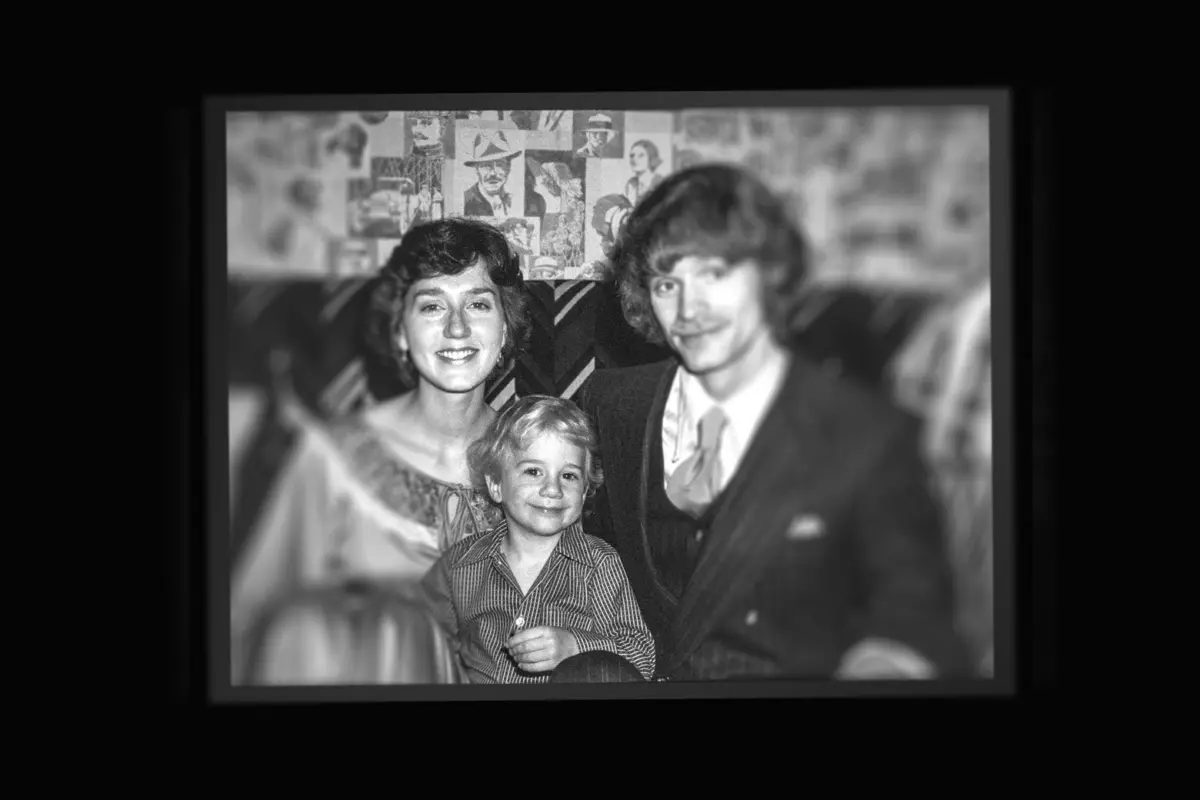
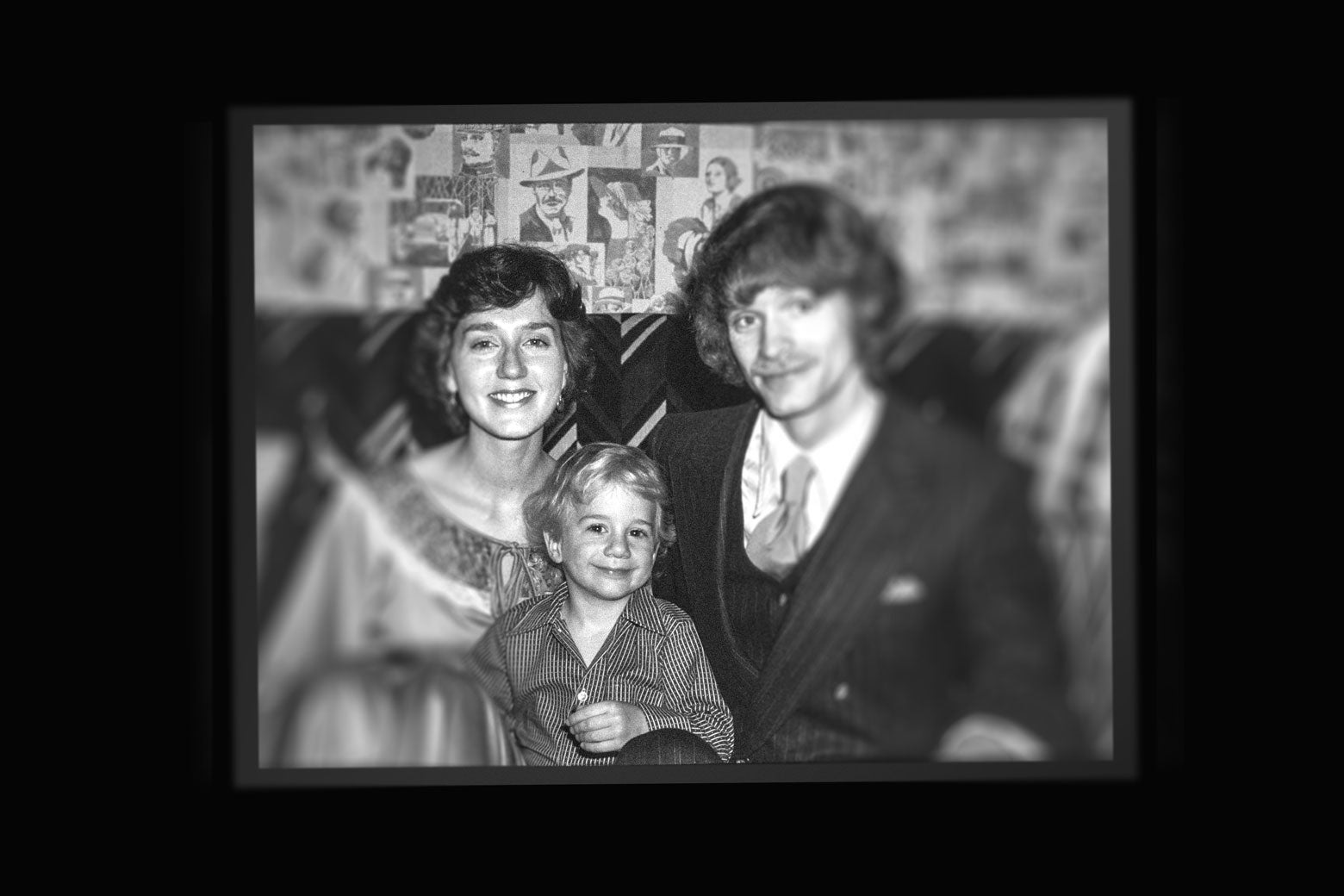
The human cost of this ideological war came into devastating focus through the harrowing case of 20-month-old Chad Green. Diagnosed with acute lymphoblastic leukemia in 1950s-era Nebraska, Chad became the unwilling poster child for the anti-establishment health movement. When his parents, Diana and Jerry Green, abandoned his conventional chemotherapy in favor of unproven nutritional and "metabolic" therapies—culminating in an illegal cross-border flight to Mexico—it sparked a landmark legal battle over parental rights versus a child’s right to life. Decades later, the echoes of the Chad Green case resonate deeply, offering a sobering cautionary tale about the perils of medical misinformation, institutional distrust, and the fatal consequences when political rhetoric supersedes empirical science.
Detailed Chronology: The Rise and Fall of the Chad Green Case
Diagnosis and the Promise of Modern Medicine
In August 1977, Diana and Jerry Green received the devastating news that their 20-month-old toddler, Chad, was suffering from leukemia—a cancer of the blood and bone marrow. Seeking the highest standard of pediatric oncology care, the family relocated from Nebraska to Boston, Massachusetts, placing Chad under the care of Dr. John Truman at Massachusetts General Hospital.
Dr. Truman instituted an aggressive, intensive chemotherapy regimen. Within six weeks, the treatment yielded remarkable results. Chad’s cancer went into remission, his hair remained intact, and Dr. Truman noted he was one of the healthiest-looking children in the clinic. However, burdened by fear and reading sensationalized warnings about the toxicity of chemotherapy drugs, his parents grew deeply distrustful of the medical protocol. Believing they could manage his health better through alternative means, Diana and Jerry made the clandestine decision to halt Chad’s chemotherapy pills entirely.
The Intervention of the State and the Courts
Several months later, routine blood tests revealed the inevitable: Chad’s leukemia had relapsed. Confronted by Dr. Truman, the Greens confessed to stopping the medication. Recognizing the fatal trajectory of untreated childhood leukemia, Massachusetts General Hospital took unprecedented legal action, filing a "neglectful parent" petition in probate court.
On February 22, 1978, police vehicles surrounded the Green family home. A judge appointed a legal guardian empowered to make medical decisions for Chad, forcing him back onto chemotherapy. The intervention ignited a ferocious media firestorm. A Boston Globe poll revealed that 54 percent of respondents sympathized with the Greens, viewing the court’s actions as government overreach into sacred family dynamics.
The Underground Network and Escape to Mexico
Despite court mandates and twice-daily home nurse visits to ensure medication compliance, the Greens remained defiant. In April 1978, they attended a convention hosted by the Committee for Freedom of Choice in Cancer Therapy—an organization deeply tied to the anti-establishment political right. There, they were introduced to "metabolic therapy," a cocktail involving vitamin A, enzyme enemas, and daily doses of laetrile.
For five months, the Greens administered these unproven substances in secret while fighting the hospital in court. When a U.S. District Court ultimately ruled against them in late 1978, upholding state medical custody and banning laetrile, the family chose flight over compliance.
On the night of January 24, 1979, aided by the laetrile underground network, the Greens staged an elaborate escape. Utilizing disguises, false timing windows, and cross-country flights, they fled to San Diego and crossed the border into Tijuana, Mexico. There, at a local medical clinic, Chad was placed exclusively on laetrile and alternative regimens, free from the oversight of American courts and oncologists.
The Final Days and Tragic Outcome
In Mexico, Chad became a celebrated symbol of the laetrile movement, appearing healthy and vibrant to visiting journalists and even making an appearance on The Phil Donahue Show. But the reprieve was an illusion.
By September 1979, the leukemia reasserted itself. Chad grew increasingly lethargic, experiencing the unmistakable symptoms of a systemic relapse. On October 12, 1979, following a poignant final request to his parents to help him "go out there," three-year-old Chad Green passed away. His death marked a tragic punctuation mark on a national obsession, proving that alternative metabolic therapies and laetrile were powerless against aggressive pediatric malignancies.
Supporting Context & Metrics: The Sociopolitical Landscape of 1970s Health
The legal and cultural battles surrounding laetrile did not happen in a vacuum. They were fueled by a profound erosion of public trust in American institutions during the post-Watergate and post-Vietnam era.
- The War on Cancer: In 1971, President Richard Nixon formally declared a "war on cancer." When immediate cures failed to materialize, public faith in federal agencies like the FDA and the medical establishment plummeted.
- The Legislative Battleground: Propelled by aggressive lobbying from groups like the John Birch Society—operating under the banner of health freedom—27 state legislatures passed laws legalizing the prescription and use of laetrile by the late 1970s.
- Public Opinion vs. Empirical Science: A 1977 national poll revealed that an overwhelming majority of Americans supported legalizing laetrile, with only 13 percent opposed. This massive public backing was successfully framed around the rhetorical framework of Roe v. Wade, arguing that patients possessed an absolute constitutional right to bodily autonomy free from state interference.
- Survival Rates: Paradoxically, while the public lost faith in conventional oncology, the 1970s actually represented a golden era of breakthroughs in childhood cancer treatment. By 1977, the predicted survival rate for pediatric cancer was climbing toward 50 percent and rising rapidly—successes achieved strictly through rigorous, evidence-based chemotherapy protocols.
Official Statements and Perspectives
The chasm between the medical community and the proponents of alternative treatments defined the era’s discourse.
"The testimony that you have not heard today is from those patients who have died from cancer, who have taken laetrile. They can’t speak to the other side of the coin."
— Dr. Donald J. Fernbach, Founder of the Research Hematology-Oncology Service at Texas Children’s Hospital (May 1977)
Medical authorities argued tirelessly against the commercial exploitation of vulnerable patients. FDA Commissioner Donald Kennedy expressed righteous indignation during a 1977 U.S. Senate hearing:
"If I sound a little angry, it’s because I am… My anger derives from the sympathy I feel for those cancer patients who turn to laetrile. They are being victimized twice—once by their disease, and once by the profiteers."
From the perspective of treating physicians like Dr. John Truman, the legal battle was never about restricting freedom, but about safeguarding an innocent life:
"Parents’ rights are only up to a point. The child has its own rights. It is his right to life, and his right to life has greater meaning than the parents’ right to decisions regarding their child."
Years later, reflecting on the tragedy in her published memoirs, Diana Green offered a deeply remorseful warning to others tempted by unverified remedies:
"I would be remiss in my duties if I did not warn others in our situation not to follow in our footsteps… Do not negate your doctor’s advice, or any medication that is prescribed for you, unless that option has failed… Do not become a victim of your own fear or the deceptive tactics of false practitioners."
Future Outlook: Echoes in Modern Medicine
The legacy of the laetrile wars extends far beyond the historical archives of the 1970s. Historian Mary Ziegler notes that the public skepticism toward scientific consensus and regulatory bodies born during this era inflicted lasting damage on the public health ecosystem—a fracture that continues to widen in the modern era of digital medical misinformation, vaccine hesitancy, and unverified online wellness cures.
When modern regulatory agencies combat unproven alternative treatments, they do so under the long, heavy shadow cast by cases like Chad Green’s. The fundamental tension remains unresolved: how a free society balances individual autonomy and the populist appeal of personal choice against the empirical necessity of public health protections and pediatric welfare. Ultimately, the story of Chad Green serves as an enduring, tragic reminder that while hope is a vital component of the healing process, it is no substitute for scientific reality.