Executive Overview
Long-time fans of tactical first-person shooters may soon have a reason to celebrate. According to a major industry leak reported by Insider Gaming, Ubisoft Montreal has greenlit and is actively developing Rainbow Six: Vegas 3. Operating under the internal development codename "Spades," the project represents a significant strategic pivot for Ubisoft, suggesting the publisher is eager to diversify its premier counter-terrorism franchise beyond the exhaustive, long-running live-service ecosystem of Rainbow Six Siege.
While Rainbow Six Siege has commanded the competitive tactical shooter landscape for over a decade, its focus on strict, round-based multiplayer has left a distinct void for players who fondly remember the narrative-driven, cooperative, and atmospheric mechanics of the classic Vegas sub-series. Released in 2006 and 2008 respectively, Rainbow Six: Vegas and Rainbow Six: Vegas 2 defined an entire generation of tactical shooters on the PlayStation 3, Xbox 360, and PC.
The news that Ubisoft Montreal—the studio legendary for crafting the foundations of the modern Rainbow Six identity—is returning to the bright lights and neon-drenched corridors of Sin City has sent ripples through the gaming community. Although Ubisoft has yet to issue an official public confirmation or press release regarding the title, the source of the leak boasts an exemplary track record when it comes to uncovering unannounced Ubisoft initiatives. As the industry looks toward the next generation of tactical shooters, Rainbow Six: Vegas 3 could mark a watershed moment for a franchise ready to recapture its single-player and co-operative roots.
Detailed Chronology: The Evolution of Rainbow Six: Vegas and the Road to "Spades"
To understand the magnitude of a potential Rainbow Six: Vegas 3, it is essential to trace the historical lineage of the franchise and how it evolved from hard simulation to blockbuster cinematic action.
The Golden Era of Tactical Shooters (2006–2008)
Before the era of battle royales and 5v5 hero-centric competitive shooters, Tom Clancy’s Rainbow Six series was synonymous with methodical, slow-paced execution, complex planning phases, and punishing difficulty. However, the release of Rainbow Six: Vegas in November 2006 fundamentally revolutionized the franchise.
Moving away from the strictly objective-bound, isometric-feeling planning maps of older titles like Raven Shield, Vegas introduced a cinematic third-person cover system that transitioned smoothly into first-person aiming. Set against the backdrop of the iconic Las Vegas Strip held hostage by international terrorists, the game forced players to clear out casinos, penthouse suites, and convention centers with tactical precision alongside AI squadmates Logan Keller, Michael Walter, and Jung Park.
Building upon this success, Rainbow Six: Vegas 2 arrived in March 2008. It introduced deeper character customization, improved artificial intelligence, cooperative campaign support, and the beloved "Terrorist Hunt" mode. For nearly two decades, fans have clamored for a true successor that captures the same atmospheric tension, cooperative synergy, and distinct setting.
The Siege Era and Franchise Monopolization
Following the critical and commercial success of Vegas 2, the franchise entered a tumultuous development phase. A heavily anticipated tactical project titled Rainbow Six Patriots—which promised a gritty, narrative-heavy campaign dealing with domestic American terrorism—was officially cancelled and completely overhauled.
From its ashes rose Rainbow Six Siege, launched in December 2015. Eschewing a traditional single-player campaign entirely, Siege focused purely on asymmetric, destructible-environment multiplayer. Against all odds, Siege evolved into an esports juggernaut, boasting an astonishing 11-year live-service run characterized by regular seasonal updates, operators, and massive global tournaments. Yet, despite its commercial triumphs, Siege left a generation of fans starved for narrative-driven campaigns, cooperative room-clearing, and cinematic storytelling.
The Recent Pivot: Branching Out Once More
In recent years, Ubisoft has cautiously begun experimenting with the wider Rainbow Six intellectual property outside the boundaries of Siege. While mobile experiments like Rainbow Six Mobile have faced turbulent development cycles—including scheduled wind-downs—Ubisoft has signaled a desire to diversify.
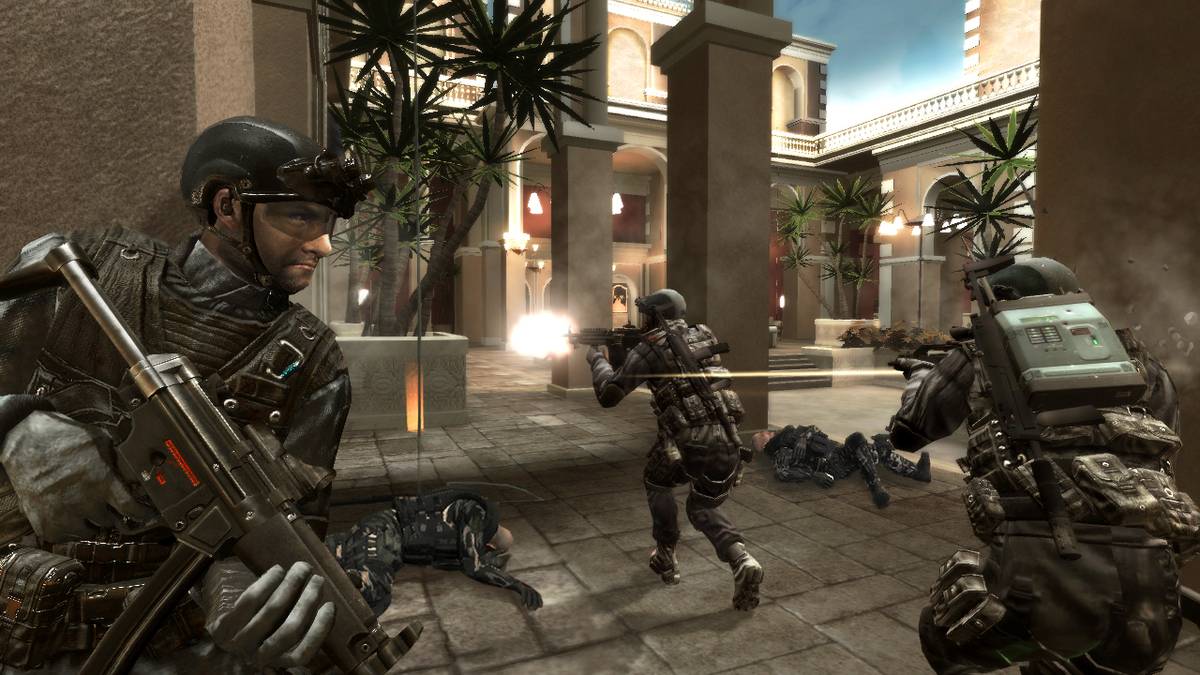
Earlier this year at Gamescom, Ubisoft proudly debuted Rainbow Six Tactics, a fresh strategic take on the universe slated for a 2027 release. Now, with the revelation that Rainbow Six: Vegas 3 (Codenamed: Spades) has been greenlit at Ubisoft Montreal as part of a three-project greenlight wave, it is clear that Ubisoft is actively attempting to cater to its legacy single-player and cooperative audience.
Supporting Context & Metrics: Analyzing the Leak and Market Viability
The report originating from Insider Gaming carries substantial weight within the gaming industry due to the outlet’s historical accuracy regarding internal leaks, corporate restructuring, and unannounced software at Ubisoft (including accurate early reports regarding delays and project shifts within the Assassin’s Creed franchise).
What Makes "Spades" Significant?
- The Studio Pedigree: The project is reportedly being spearheaded by Ubisoft Montreal (now operating under the broader organizational umbrella of Vantage Studios). As the original birthplace of the modern tactical shooter boom, Ubisoft Montreal possesses institutional knowledge of what made the Vegas formula work.
- The Industry Landscape: Modern gaming audiences have shown an intense appetite for high-fidelity, cooperative tactical shooters (such as Helldivers 2 or modern tactical extraction shooters). A modernized, co-op-focused or narrative-driven Rainbow Six: Vegas 3 would neatly fill a massive gap in Ubisoft’s current release portfolio.
- Differentiation from Siege: With Siege firmly entrenched as a hardcore competitive esports title, Vegas 3 can safely target a completely different demographic—casual-to-hardcore co-op gamers, solo tacticians, and nostalgia-driven veterans—without cannibalizing Siege’s massive active player base.
Strategic Timing and Market Metrics
Ubisoft has faced significant financial and creative pressures over recent fiscal cycles, leading leadership to lean heavily into reliable, established powerhouse intellectual properties. Franchises like Far Cry, Assassin’s Creed, and Rainbow Six remain the cornerstones of the company’s valuation.
By greenlighting Rainbow Six: Vegas 3 alongside other experimental titles like Rainbow Six Tactics, Ubisoft is executing a two-pronged strategy: maintaining the cash-cow live-service ecosystem of Siege while simultaneously injecting high-value nostalgia and brand equity back into the broader portfolio.
Official Statements and Industry Response
As of press time, Ubisoft has declined to officially comment or issue a press statement regarding the existence of Rainbow Six: Vegas 3. This is standard corporate procedure for early-in-development projects, particularly those tied to internal codenames like "Spades."
Industry analysts and community figures have reacted with overwhelming optimism. On social media platforms and enthusiast forums, long-time fans have expressed excitement over the prospect of returning to Las Vegas, citing the potential for modern cooperative mechanics, cross-play functionality, and unrealized narrative closures.
Meanwhile, the Rainbow Six Siege team remains entirely focused on its immediate roadmap. The upcoming reveal of the Operation Vital Signal season is scheduled to air this weekend via official Ubisoft channels, ensuring that current competitive players have plenty of active content to look
forward to while rumors swirl about the franchise’s expansive future.
Future Outlook: What to Expect Next
While Rainbow Six: Vegas 3 has not yet received an official announcement trailer, teaser, or window of release, the leaking of its development lifecycle suggests that pre-production or early core development is well underway at Ubisoft Montreal.
Consumers and industry watchers should look out for the following milestones in the coming years:
- Official Corporate Teasers: Should the project progress past early production milestones, industry insiders expect Ubisoft to acknowledge the project formally, likely during a future Ubisoft Forward digital showcase.
- Release Trajectory: With Rainbow Six Tactics officially slated to launch in 2027, Rainbow Six: Vegas 3 will likely target a late-decade release window (potentially 2027–2028), coinciding with mature hardware cycles and potential next-generation console ecosystems.
- Gameplay Expectations: Whether Ubisoft Montreal chooses to lean into a fully cinematic solo/co-op campaign akin to the original games, or pivots toward modern cooperative extraction mechanics, the gaming world will be watching closely to see how the legendary tactical shooter brand handles its grand homecoming to the Strip.