Executive Overview
The Hollywood ecosystem is no stranger to turbulent studio transitions, but few developments have sent shockwaves through the comic book movie fandom quite like the sudden departure of James Gunn and Peter Safran from the helm of DC Studios. Following a high-profile structural shake-up that introduced Skydance as the new overarching corporate overseer of Warner Bros. Discovery’s premier comic book wing, the digital landscape instantly transformed into a fertile breeding ground for rampant speculation, panic, and unverified gossip.
Among the most damaging and pervasive narratives circulating in the wake of the leadership vacuum was the claim that Skydance executives had immediately stepped in to exercise heavy-handed creative control over Gunn’s upcoming tentpole sequel, Man of Tomorrow. Rumors rapidly proliferated across social media platforms and enthusiast forums, suggesting that the studio was forcing sweeping, drastic alterations to the film’s narrative fabric. Specifically, fear-mongering reports alleged that high-profile supporting characters such as Supergirl and Blue Beetle had been entirely excised from the final cut to streamline the story in accordance with a newly minted corporate mandate.
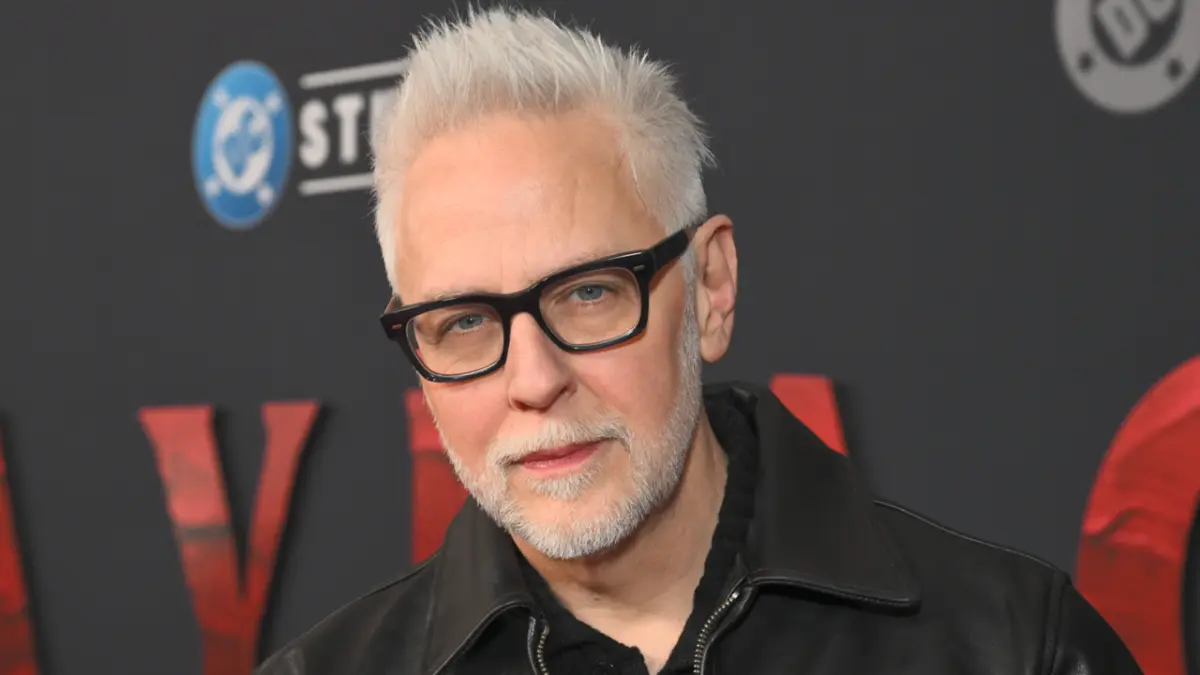
However, in his first official public statement since exiting his post as co-chairman of DC Studios, James Gunn took directly to Threads to decisively dismantle these alarming claims. Providing absolute clarity to an anxious fan base, Gunn forcefully denied that any such studio meddling has occurred. Crucially, the filmmaker revealed a staggering detail: no one from Skydance has even viewed the current cut of Man of Tomorrow.
While Gunn’s swift intervention has successfully neutralized the most inflammatory rumors regarding the immediate fate of David Corenswet’s sophomore outing as the Man of Steel—and temporarily safeguarded the appearances of fan-favorite heroes like Supergirl and Blue Beetle—the broader questions surrounding the stability and trajectory of the DC Universe (DCU) remain profoundly uncertain. With Marvel alumnus Jeremy Latcham stepping in as the newly appointed head of DC Studios under the Skydance regime, the comic book cinematic landscape is bracing for what could be a massive foundational recalibration. This comprehensive report explores the timeline of the shake-up, examines the mechanics of Gunn’s public pushback, analyzes the strategic implications of Skydance’s leadership, and looks ahead to what the future holds for the DCU as Man of Tomorrow barrels toward its July 9, 2027 theatrical release.
Detailed Chronology: The Sequence of Events Leading to the DC Studios Shake-Up
To fully comprehend the gravity of James Gunn’s recent statements, it is vital to map out the sequence of high-stakes events that led to the current state of affairs at DC Studios and its parent studio environment.
The Foundation and Vision of DC Studios (2022–2026)
Following years of disjointed creative output and unstable box office performance within the erstwhile DC Extended Universe (DCEU), Warner Bros. Discovery executives took the radical step of forming DC Studios in late 2022. Tasked with engineering a cohesive, interconnected, multi-medium storytelling ecosystem akin to Marvel Studios’ Marvel Cinematic Universe, James Gunn and producer Peter Safran were appointed as co-chairmen and CEOs.
Over the subsequent four years, Gunn and Safran meticulously architected a complex, multi-chapter roadmap for the DCU. This initiative was designed to balance major household-name superheroes with esoteric, riskier properties—ranging from high-concept blockbusters to character-driven streaming series. The grand experiment officially kicked off with television and cinematic releases that recalibrated public expectations, culminating in the triumphant production of Man of Tomorrow, the direct sequel to Gunn’s pivotal cinematic reset.
The Shock Exodus and Skydance Takeover (Late 2026)
The stability of this carefully constructed ecosystem was violently upended earlier this week when news broke that James Gunn and Peter Safran were stepping down from their executive posts at DC Studios in a development that stunned the entertainment industry. The exit immediately sparked widespread institutional anxiety and triggered a cascade of unanswered questions regarding the future of characters, ongoing productions, and overarching continuity.
Almost simultaneously, the corporate realignment brought Skydance into the picture as the new principal overseer of the DC cinematic wing. The swiftness of the corporate maneuver left little time for a smooth transitional narrative to be communicated to the public. Consequently, a vacuum of official information was instantly flooded by sensationalized social media rumors, insider whispers, and speculative journalism.
The Rumor Mill Reaches Fever Pitch
Within 48 hours of the announcement, the internet was saturated with alarming claims concerning the studio’s immediate priorities. Among the most widely shared and distressing rumors was the assertion that Skydance executives had immediately screened an early cut of Man of Tomorrow and reacted with deep apprehension.
According to these false reports, the new leadership demanded an aggressive editorial overhaul. Insiders on various forums claimed that Gunn’s cut was being "butchered" in post-production, with entire subplots removed and marquee guest stars—specifically Supergirl and Blue Beetle—completely edited out of the narrative to pivot the franchise toward a more traditional, risk-averse creative framework centered strictly on the "Trinity" characters of Batman, Superman, and Wonder Woman.
Gunn Breaks His Silence
Recognizing the potential damage these unchecked narratives could inflict on both the film’s reputation and the morale of the DCU fan base, James Gunn broke his silence late in the evening. Utilizing the Threads platform, the filmmaker issued a categorical denial, setting the record straight and restoring a degree of order to an otherwise chaotic news cycle.
Supporting Context, Data points, and Industry Metrics
The panic surrounding Man of Tomorrow is symptomatic of a larger, historically fraught relationship between corporate studio executives and visionary writer-directors in the modern superhero film industry. Understanding the metrics of fan engagement, studio turnover rates, and the economics of modern cinematic universes helps frame the current crisis.

The Economics of Tentpole Interconnectivity
In the post-MCU era, the financial stakes for comic book cinematic universes are staggering. A single misstep can hemorrhage hundreds of millions of dollars in production and marketing capital.
- Average Production Budgets: Major DCU theatrical releases routinely operate within the $150M to $250M production budget range, with global marketing campaigns adding an additional $100M to $150M baseline.
- The Break-Even Threshold: To achieve profitability, a tentpole film like Man of Tomorrow generally needs to clear approximately $450M to $500M globally, factoring in theater revenue splits across domestic and international territories.
- The Interconnectivity Risk: When an overarching universe relies on cross-pollination—such as introducing Blue Beetle and Supergirl ahead of their own respective or collective projects—disrupting one film threatens the systemic viability of the entire slate. This economic reality is precisely why fans were so quick to panic at the prospect of Skydance dismantling Gunn’s interconnected puzzle pieces.
Leadership Instability Metrics
Studio leadership transitions in franchise filmmaking historically correlate with increased creative friction:
- The Executive Turnover Rate: Over the past decade, Warner Bros. has restructured its DC film division four major times (moving from the post-Man of Steel era to the Zack Snyder DC Extended Universe, transitioning to Walter Hamada’s oversight, establishing the Gunn-Safran DC Studios boutique model, and now integrating under Skydance).
- Fan Sentiment Index: Social media analytics tracking DC fandom discourse over the past week show an unprecedented spike in negative sentiment and "cancel culture" rhetoric, underscoring the deep emotional investment audiences place in auteur-led visions versus corporate-led directives.
Official Statements and Institutional Breakdown
James Gunn’s statement on Threads served not merely as a defensive denial, but as a precise, legally and professionally measured clarification of who has—and crucially, has not—seen his creative work.
"There are a lot of untrue rumors going around, but one of them is that Skydance has seen Man of Tomorrow and that all sorts of sweeping changes are being made," Gunn stated explicitly. "No one from Skydance has even seen the movie—the only people that have are Peter Safran and a very small trusted group of friends and family. So any stories around this narrative are false."
Key Takeaways from the Statement:
- Zero Executive Screening: The assertion that Skydance execs watched the film and mandated edits is objectively impossible, given that the studio leadership has yet to lay eyes on the footage.
- The Inner Circle: By confirming that only Peter Safran and an ultra-exclusive group of confidants have screened the film, Gunn underscores that the creative integrity of his final cut remains preserved within the collaborative bubble he and Safran built.
- Character Safety: The panic regarding the removal of Supergirl and Blue Beetle is proven entirely unfounded, as no structural script changes or editorial cuts have been authorized or requested by the new regime.
The Latcham Factor: Who is Jeremy Latcham?
Compounding the discussion surrounding official statements is the identity of Skydance’s newly installed chief for DC Studios: Marvel alumnus Jeremy Latcham. Latcham’s track record—marked by his heavy involvement in foundational MCU successes like The Avengers, Guardians of the Galaxy, and Spider-Man: Homecoming—presents a fascinating dichotomy.
Industry analysts suggest that Latcham’s hiring signals a desire to blend structured, globally accessible cinematic universe mechanics with commercially proven storytelling formulas. Past public comments and producer credits associated with Latcham indicate a strong prioritization of universally recognized, A-list legacy heroes (such as Batman, Superman, and Wonder Woman), raising legitimate questions about whether the DCU will dial back its willingness to greenlight esoteric, fringe characters like Clayface or lesser-known properties in the years to come.
Future Outlook: Navigating the Unknown Horizon of the DCU
As the dust settles from Gunn’s definitive clarification, the long-term outlook for the DC Universe remains complex, fluid, and laden with strategic questions that will take months—if not years—to definitively answer.
1. The Immediate Fate of Man of Tomorrow
With principal production wrapped and post-production proceeding under Gunn’s intended vision, Man of Tomorrow is locked in for its scheduled theatrical premiere on July 9, 2027. Headlined by David Corenswet, the film represents the critical litmus test for whether the audience will continue to embrace the DCU following the executive upheaval. Because Skydance has not yet interfered with the cut, fans can anticipate experiencing Gunn’s unfiltered creative vision when the film hits the silver screen.
2. The Status of Ongoing Creative Partnerships
Despite stepping down from their executive perches, Gunn and Safran are by no means entirely divorced from the creative machinery of DC. In his post-exit public letters, Gunn confirmed a vital piece of reassurance: the characters he and Safran spent years establishing "will live on." Furthermore, the filmmaker dropped a tantalizing teaser confirming that he and Safran were recently "engaged on another DC project" that Gunn is currently actively writing. While the exact nature of this mystery project remains tightly under wraps, it proves that Warner Bros. Discovery and Skydance recognize the commercial and creative value of retaining Gunn’s storytelling talents on a project-by-project basis.
3. Unresolved Macro-Level Questions
As the industry looks past the release of Man of Tomorrow, several monumental strategic questions linger without concrete answers:
- Will Skydance eventually opt for a total franchise reboot? While current productions appear safe, a new corporate regime may ultimately decide to wipe the slate clean for future phases once the existing pipeline of films clears.
- How will the DCU transition affect adjacent universes? The impact of Skydance’s leadership on standalone or mature-label properties—such as Matt Reeves’ The Batman epic crime saga starring Robert Pattinson—remains a major question mark for industry insiders.
- The Tone of Future Solos: Will future DCU entries pivot decisively toward safer, billion-dollar-oriented blockbusters featuring core Justice League icons, or will they maintain Gunn’s penchant for directorial auteurism and diverse character rosters?
Final Verdict
For the millions of dedicated comic book movie enthusiasts anxiously monitoring every shift in corporate power, James Gunn’s intervention offers a vital moment of stability. Man of Tomorrow remains secure in its current form, and iconic supporting players like Supergirl and Blue Beetle are safe from the chopping block—at least for now.
However, the transition of power to Skydance and Jeremy Latcham marks the definitive end of DC Studios’ first foundational era. As the clock ticks down toward July 2027, the global audience must brace for a new chapter in superhero cinema—one defined by high-stakes corporate expectations, shifting creative philosophies, and an unpredictable horizon where the only constant is change.