Executive Overview
On the afternoon of November 13, the United States experienced one of the most disruptive aviation crises in its modern history. A severe technological malfunction within the Federal Aviation Administration (FAA) forced a sweeping, nationwide ground stop that paralyzed the country’s airspace for hours. The sudden decree brought commercial air traffic to a complete standstill, stranding millions of passengers in terminals, forcing hundreds of flight cancellations, and diverting thousands of airborne aircraft to alternative destinations.
The crisis culminated in a tense press conference led by U.S. Transportation Secretary Sean Duffy, who laid bare the precarious state of America’s transportation infrastructure. Duffy pointed an accusatory finger directly at the federal government’s historical underinvestment, castigating Capitol Hill for its persistent unwillingness to adequately fund comprehensive technological overhauls. According to federal officials, the root cause of the paralyzing shutdown was a catastrophic data overload within the nation’s antiquated, legacy analog telecommunications framework—specifically, Time-Division Multiplexing (TDM) routers that buckled under modern data loads.
While Homeland Security officials quickly downplayed the likelihood of a malicious cyberattack, the incident has reignited a fierce, long-standing debate regarding the vulnerability of critical national infrastructure. Ranking officials are now warning that without an immediate, massive infusion of capital—estimated in the tens of billions of dollars—catastrophic system failures will inevitably recur. This report delves into the chronology of the shutdown, the technical flaws behind the disaster, the political fallout on Capitol Hill, and what this historic grounding means for the future of American commercial aviation.
Detailed Chronology of the November 13 Crisis
The unfolding of the November 13 airspace shutdown was swift, catching both airline operators and the traveling public completely off guard.
The Onset of the Failure
The crisis began to manifest early in the afternoon. According to technical briefings provided by the Department of Transportation, the first critical warning signs appeared within the FAA’s legacy telecommunications routing equipment. For years, regional and national air traffic control facilities have relied on Time-Division Multiplexing (TDM) networks—a foundational, yet deeply outdated, analog telecommunications architecture designed decades ago to transmit voice and telemetry data between ground facilities.
As commercial and cargo air traffic peaked during the mid-afternoon hours, these legacy routers experienced an unprecedented surge of data flow. By 3:36 PM Eastern Time, the sheer volume of information overwhelmed the processors, causing them to falter and begin transmitting inconsistent, fragmented telemetry data across control centers.
The Decision to Ground the Skies
Faced with corrupted and unreliable data feeds across multiple regional sectors, FAA leadership confronted a harrowing dilemma. While radar systems and core communication channels did not experience a total, catastrophic blackout, the integrity of the data being transmitted to air traffic controllers was severely compromised.
Operating under a strict policy of absolute safety, the FAA made the executive decision to implement a nationwide ground stop. This precautionary measure meant that no new flights were permitted to take off, while aircraft already aloft were systematically managed, with thousands diverted to the nearest available airports to clear congested air corridors.
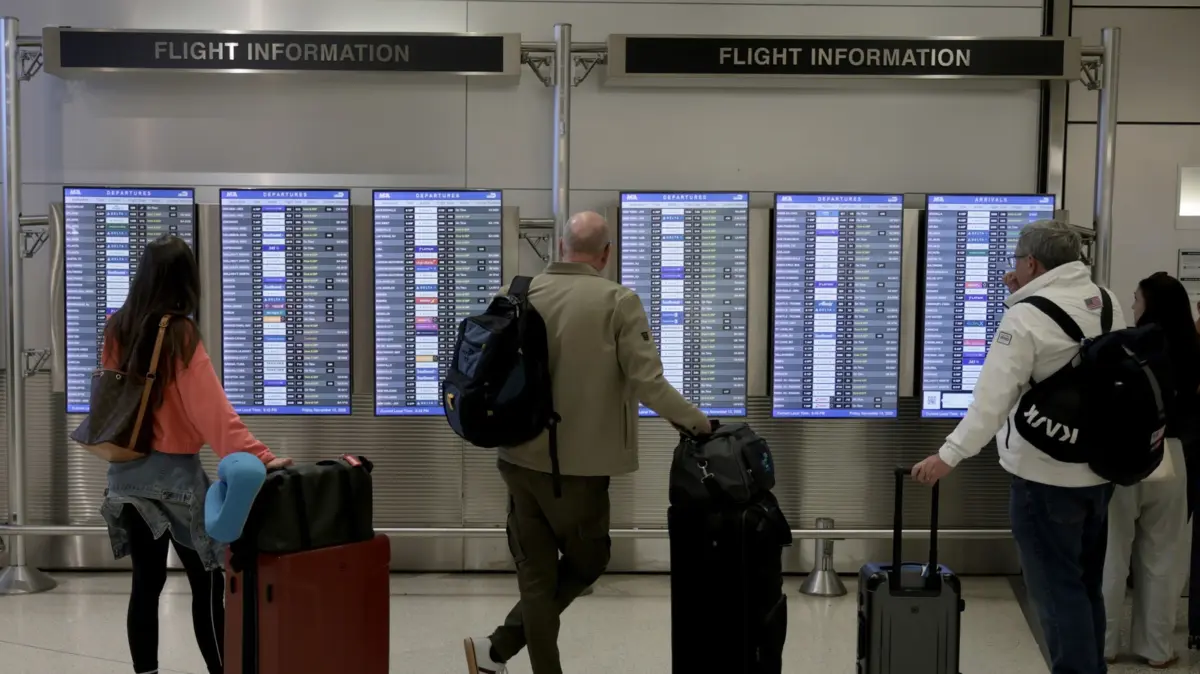
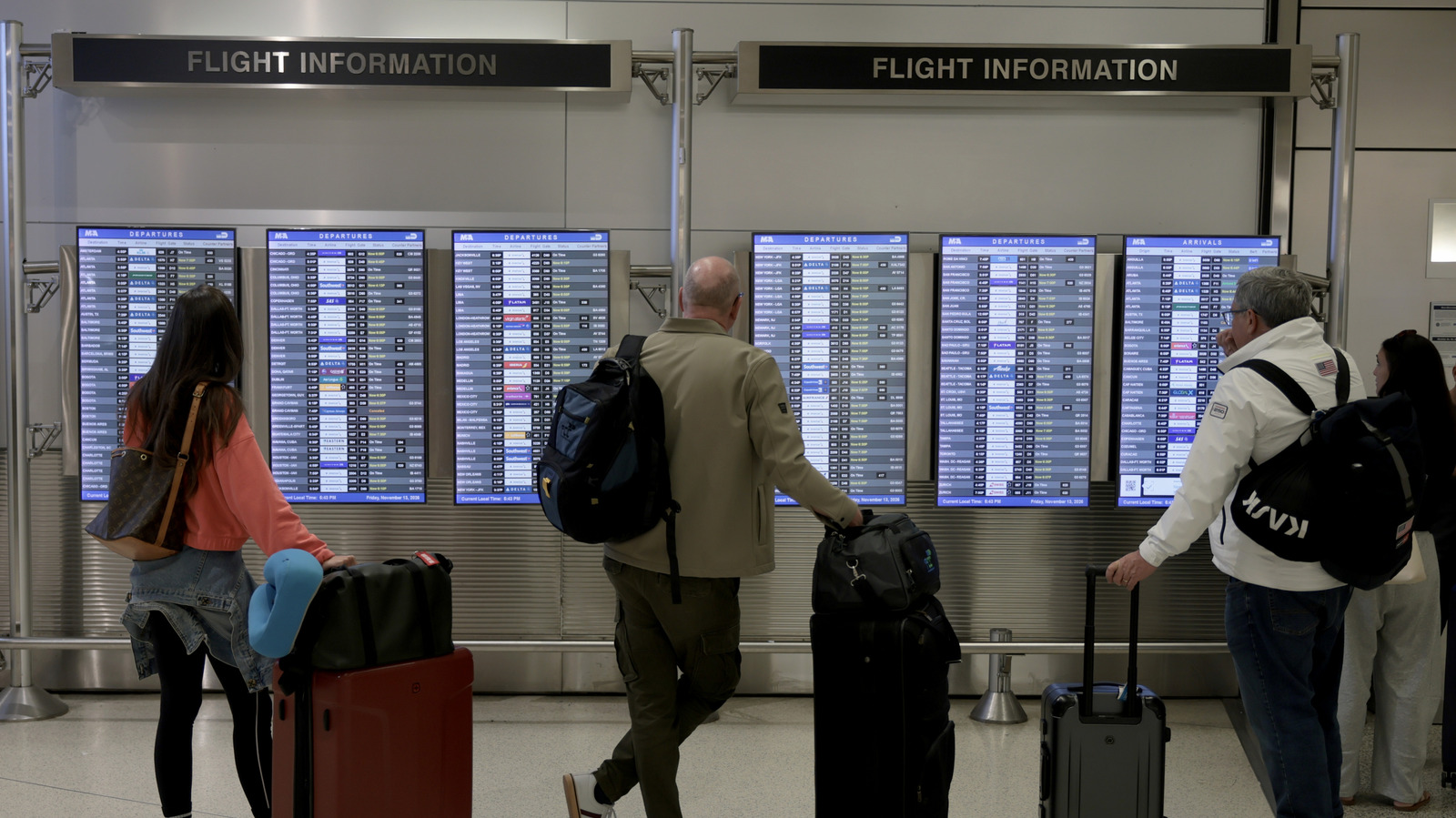
The impact was immediate and catastrophic. Across the country, major aviation hubs from New York’s JFK and Atlanta’s Hartsfield-Jackson to Chicago O’Hare and Los Angeles International descended into chaos. Departure boards flashed endless rows of red cancellation notices, while security checkpoints and baggage claims overflowed with frustrated, stranded travelers.
Lifting the Stop and Initial Recovery
After hours of frantic troubleshooting, isolation of faulty nodes, and system reboots, FAA engineers managed to stabilize the network. At 8:15 PM Eastern Time—nearly five hours after the initial emergency protocols were enacted—the FAA officially lifted the nationwide ground stop, allowing airlines to slowly and methodically resume operations.
However, lifting the suspension was merely the beginning of a logistical nightmare. Because modern commercial aviation operates on a tightly choreographed, highly synchronized schedule, a ground stop of this magnitude creates a massive "ripple effect." Displaced crews, stranded aircraft, and congested airport gates meant that flight delays and cancellations cascaded well into the subsequent days, leaving airlines scrambling to restore normalcy to their global networks.
Supporting Context & Metrics: The Anatomy of an Aging System
To understand how a data overload could bring the world’s most sophisticated aviation market to a grinding halt, one must examine the staggering scale and technological deficit of the U.S. air traffic control system.
A Rare Historical Precedent
Ground stops of a nationwide scope are exceptionally rare in American aviation history. Prior to the November 13 incident, the FAA had only issued nationwide ground stops on three separate occasions throughout the entire 21st century.
- September 11, 2001: The most famous and longest nationwide ground stop in history, enacted immediately following the terrorist attacks on the World Trade Center and the Pentagon.
- The 2023 Notice to Air Missions (NOTAM) Outage: A significant software corruption issue that temporarily halted departures nationwide.
- The November 13 TDM Router Failure: Now officially recorded as the second-longest nationwide ground stop in modern U.S. history, trailing only the unprecedented shutdown of 9/11.
The Technological Bottleneck: TDM Telecom
At the heart of the November 13 failure is the continued reliance on TDM (Time-Division Multiplexing) telecommunications. While the telecommunications industry at large transitioned to high-speed packet-switched Internet Protocol (IP) networks decades ago, large segments of the FAA’s internal communications backbone remain tethered to 20th-century analog technology.
TDM systems are fundamentally rigid. They allocate dedicated transmission channels for specific data streams, regardless of whether data is actively flowing through them. As modern air traffic control incorporates more complex digital flight plans, weather telemetry, and automated aircraft reporting systems, these older pipelines become choked.
Transport Secretary Sean Duffy noted during his briefing that systems and routers that had already been successfully modernized and migrated to contemporary digital frameworks remained completely unaffected by the outage. It was strictly the legacy analog infrastructure that buckled under the pressure, proving that the vulnerability was not systemic to the entire FAA operation, but rather isolated to the neglected, obsolete pockets of the network.
The Financial Chasm: Billions Needed
The debate over modernizing the National Airspace System (NAS) is not new; rather, it is a chronic political football that has spanned multiple congressional sessions and presidential administrations.
- $12.5 Billion: The amount Congress has already allocated to the FAA specifically designated for the modernization of air traffic facilities and infrastructure.
- $30 Billion: The additional funding package that Secretary Duffy and transportation advocates argue is urgently required to completely purge legacy analog systems and replace them with resilient, modern digital architecture.
Without this multi-billion-dollar influx, experts warn that the U.S. aviation network will remain perpetually vulnerable to cascading technological failures.
Official Statements and Political Fallout
The political fallout from the November 13 disaster was immediate and intense, bringing longstanding tensions between the executive branch and Capitol Hill to a boiling point.
Transport Secretary Sean Duffy Pulls No Punches
During the late-night press conference following the restoration of flight operations, Transportation Secretary Sean Duffy did not attempt to sugarcoat the situation. Visibly frustrated, Duffy directed his anger squarely at federal lawmakers, whose budgetary gridlock has delayed critical infrastructure overhauls.
"It’s going to continue to fail," Duffy bluntly told reporters, referencing the fragile state of the national air traffic control grid. "How many times does this have to happen for Congress to give the money to fix it?"
Duffy emphasized that while the dedicated men and women of the FAA work tirelessly around the clock to manage the skies safely, they are operating with one hand tied behind their backs due to outdated hardware. He stressed that patching legacy equipment is no longer a viable strategy; a complete, root-and-branch replacement of the analog communication backbone is the only permanent solution.
Homeland Security Weighs In: Cyberattack Ruled Out (For Now)
Given the alarming nature of a simultaneous, nationwide infrastructure failure, immediate concerns were raised regarding the possibility of a hostile foreign cyberattack or systemic sabotage.
Homeland Security Secretary Markwayne Mullin appeared alongside Duffy to address national security implications. Mullin sought to reassure the American public, stating definitively that preliminary investigations yielded no indication that the communication meltdown was the result of a cyberattack.
However, exercising standard investigative caution, Mullin added that the Department of Homeland Security was "still looking" into all possible angles and was "not going to rule it out" until a comprehensive forensic analysis of the failed routers is fully completed.
Additionally, Mullin moved quickly to dispel rumors connecting the FAA incident to a separate, lengthy Microsoft service outage that had taken down corporate tools like Outlook and Teams for over 24 hours earlier in the week. Officials confirmed the two events were entirely coincidental and shared no technical overlap.
Future Outlook: A Race Against Time for American Skies
As commercial aviation slowly returns to its normal rhythm following the November 13 crisis, the lingering shadow of the shutdown has left policymakers, industry executives, and frequent flyers deeply unsettled.
The Cost of Inaction
The economic toll of a nationwide ground stop is staggering. Billions of dollars in lost productivity, airline revenue, perishable cargo spoilage, and consumer expenses accumulate by the minute when the U.S. airspace is frozen. Beyond the financial ledger, the erosion of public trust in the reliability of critical national infrastructure poses a severe psychological blow to the traveling public.
Congressional Pressure and the Road Ahead
The ball is now firmly in Congress’s court. As lawmakers return to Washington, the pressure from both the Department of Transportation and commercial airline lobbies to approve the requested $30 billion modernization fund has reached an all-time high.
Historically, infrastructure spending bills face severe partisan friction, often bogged down by protracted legislative negotiations and competing budgetary priorities. However, the optics of the November 13 ground stop—the second-longest in modern history—have transformed modernization from a background policy discussion into an urgent national security and economic imperative.
Conclusion
The November 13 FAA ground stop served as a harsh, unmistakable wakeup call for the United States. It vividly demonstrated that a first-world superpower cannot indefinitely rely on third-rate, legacy analog infrastructure to manage a multi-billion-dollar, high-speed modern economy.
As Secretary Sean Duffy warned, the aging air traffic control system is living on borrowed time. Whether Congress will rise to the occasion and provide the substantial resources required to overhaul the nation’s skies before the next catastrophic failure occurs remains the defining aviation question of our time. Until then, millions of passengers will continue to fly under the silent, looming threat of yesterday’s technology.