The video game industry is built on a graveyard of studios that chased commercial trends instead of trusting their creative instincts. For decades, the immersive sim—a genre defined by player agency, systemic depth, environmental storytelling, and first-person simulation—has occupied a precarious position. It demands immense development resources, complex level design, and an audience willing to engage with intricate mechanics, yet it rarely captures the blockbuster, mass-market sales of annualized first-person shooters or live-service cash cows.
Yet, a small lineage of visionary creators has stubbornly kept the genre alive, passing the torch from Looking Glass Studios to Ion Storm Austin, Arkane Studios, and now, the newly formed Black Pony Immersive.
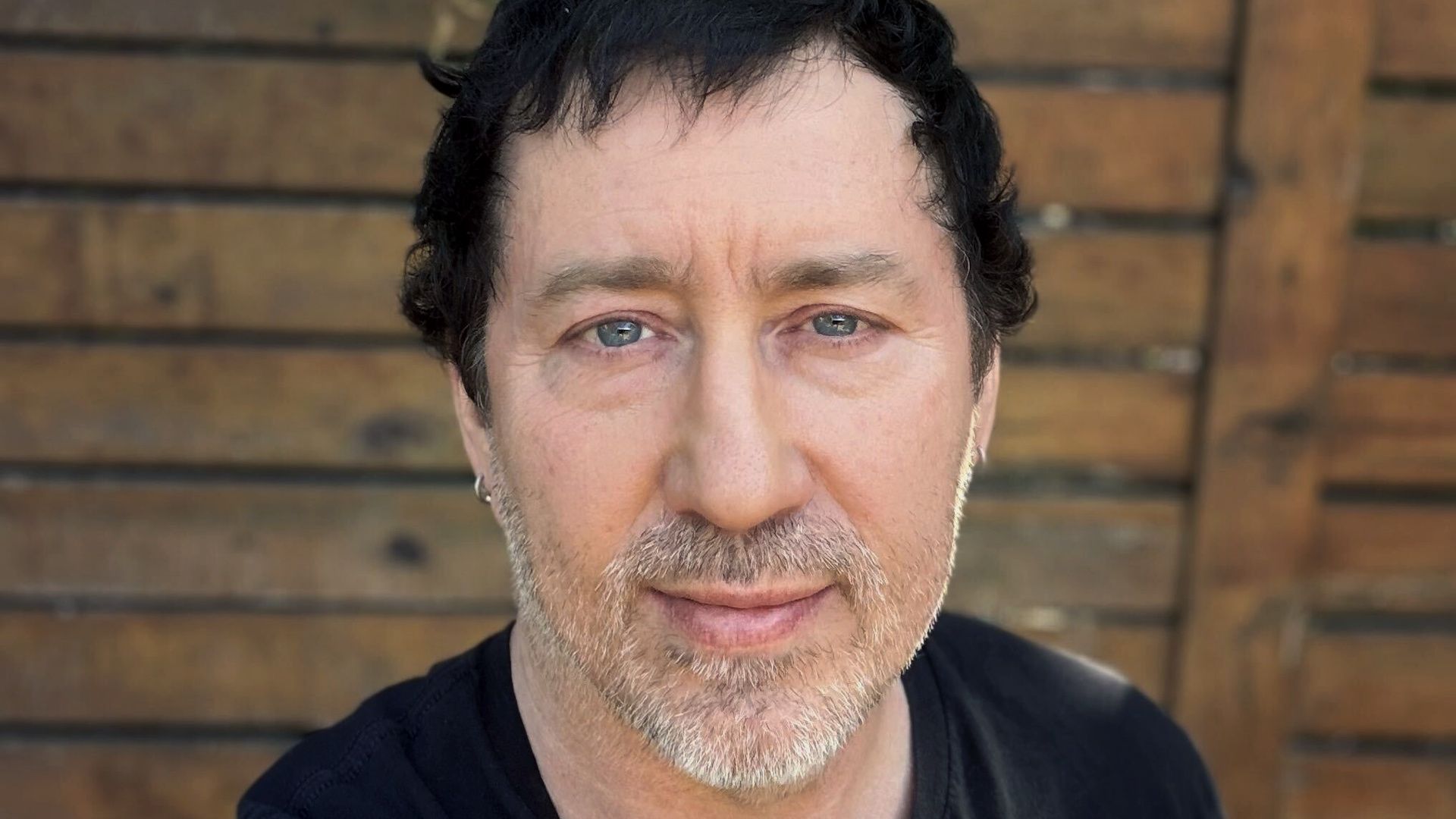
At the center of this movement stands veteran director and designer Harvey Smith. In recent retrospective interviews, Smith—alongside production director Ben Horne—reflected on a 33-year career defined by a singular, unyielding devotion to the immersive sim. From his early days working on quality assurance for the genre-defining System Shock to co-directing landmarks like Deus Ex and Dishonored, Smith’s career offers a masterclass in creative purity.
However, the journey has not been without turbulence. The closure of Arkane Austin in the wake of the critically scrutinized cooperative shooter Redfall served as a painful reminder of what happens when a studio steps outside its wheelhouse to satisfy corporate mandates. Determined not to repeat the mistakes of the past, Smith and Horne have founded Black Pony Immersive, a new studio explicitly dedicated to what they do best: single-player, narrative-driven immersive sims. This article explores the storied legacy of the genre, the lessons learned from past missteps, and what the future holds for these master worldbuilders.
Detailed Chronology: From Look Glass Origins to Modern Independence
To understand the ethos of Black Pony Immersive, one must trace the evolutionary lineage of the immersive sim, a genre born
out of chaotic brilliance and uncompromising passion.
1. The Genesis: Looking Glass Studios and System Shock (Early 1990s)
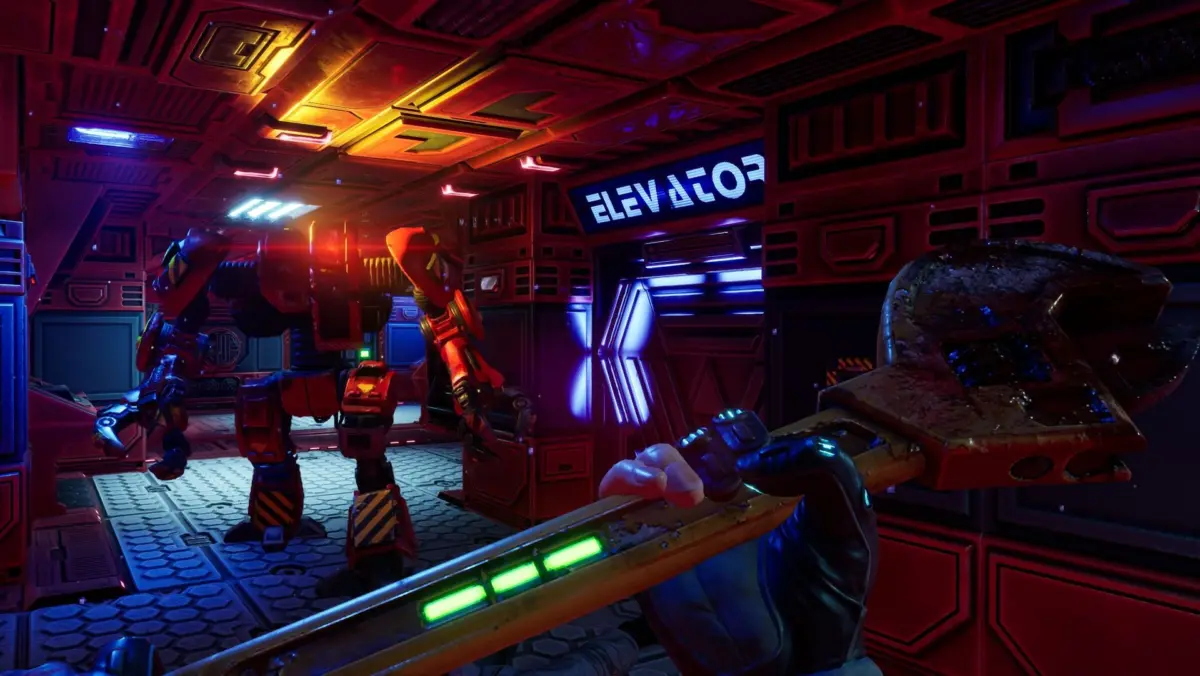
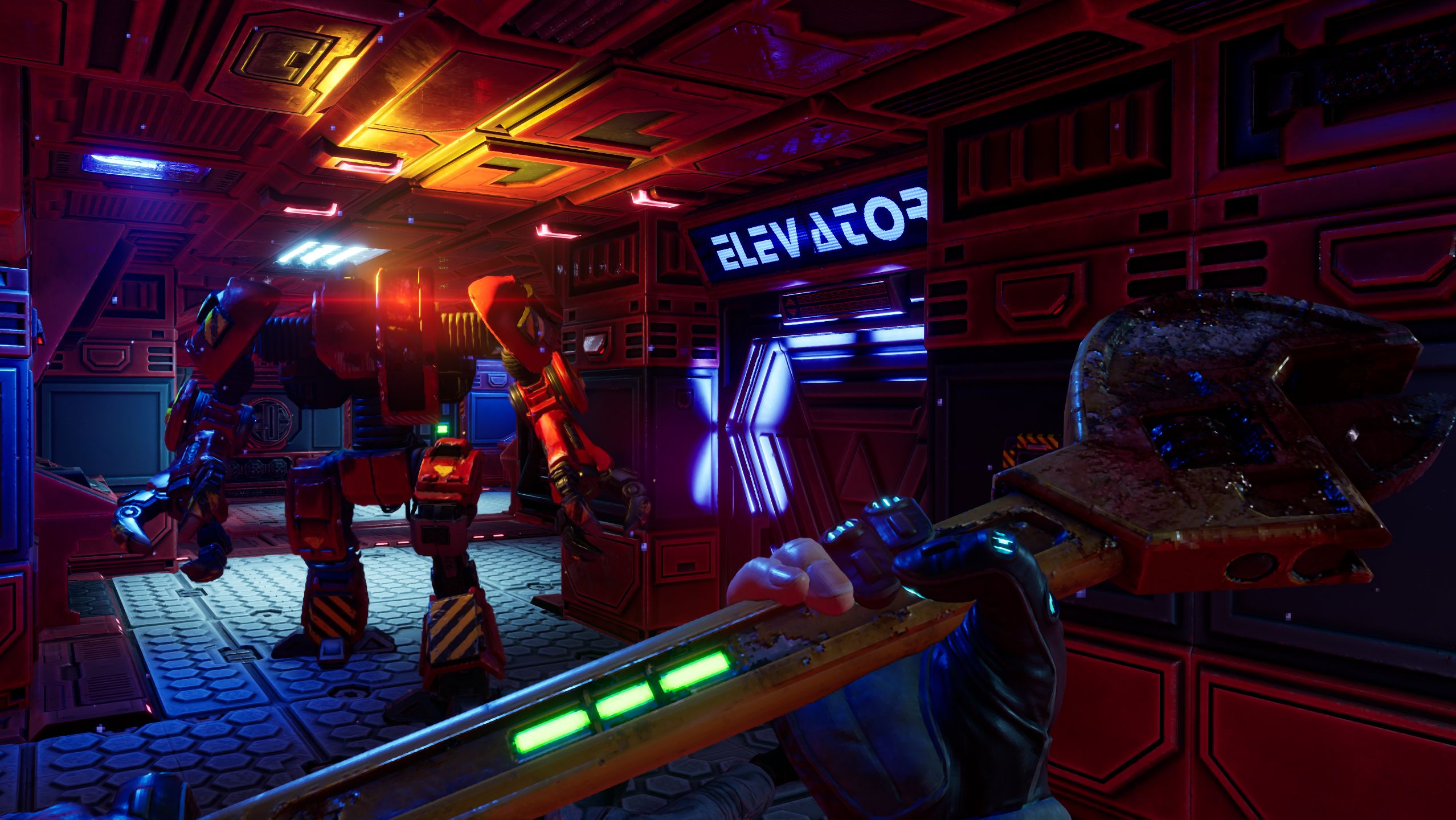
Harvey Smith’s entry into the industry began with a "brush with greatness" during his 10-month stint as the quality assurance lead on System Shock. Before that, Smith had fallen in love with Ultima Underworld, a title that revolutionized spatial interaction in video games. When developers rolled off Underworld onto the cyberpunk masterpiece System Shock, Smith witnessed firsthand the intense, high-stakes environment of Looking Glass Studios.
"Looking Glass fought like cats and dogs, but man, they were passionate about what they were doing," Smith recalls. "And this was a mission for them."
That mission—to make the player feel like an active participant in a living, reactive world rather than a passive observer—became Smith’s professional North Star.
2. The Golden Era: Ion Storm Austin and Deus Ex (1999–2000s)
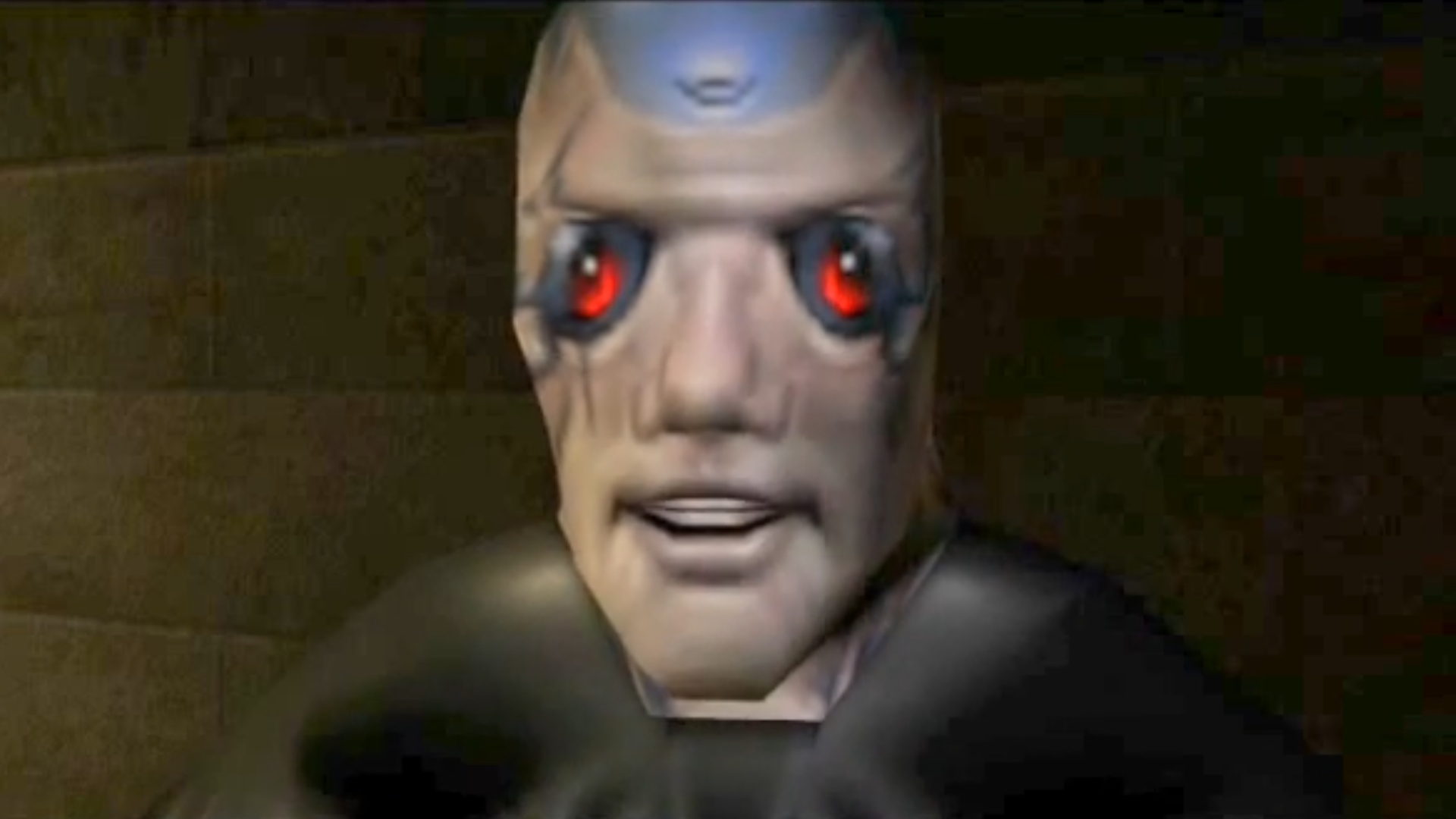
Following his time at Looking Glass, Smith joined forces with System Shock producer Warren Spector at Ion Storm Austin. There, the team applied the raw hunger of Looking Glass to Deus Ex, a game that masterfully blended first-person shooting, stealth, role-playing, and deep political conspiracies.
Working alongside Spector for nine years across two Deus Ex titles transformed Smith’s worldview. He admits that in his twenties, he was largely politically uneducated, but collaborating with Spector—who possessed a deep, global understanding of politics and power structures—opened his eyes.
"The personal is the political because someone has power over your life," Smith notes, a theme that would echo through every major project he subsequently directed.
3. The Arkane Years and the Creation of Dishonored (2000s–2010s)
Seeking a space to forge their own path, Smith partnered with Raphaël Colantonio at Arkane Studios. The transition was far from easy; the studio spent years fighting for funding and resisting pressure from publishers to pivot toward safer, more generic genres.
"When Arkane was independent, very often people would come in and they would try to get us to work on some game that was not in our wheelhouse," Smith explains. "People would say, ‘You’re going to go under by turning your nose up at doing this DLC for this third-person action shooter, this is money.’ And we’d be like, ‘Yeah, but we don’t like those. We don’t know how to do them well… So we’re generally going to say no, and gamble the company on doing what we are known for.’"
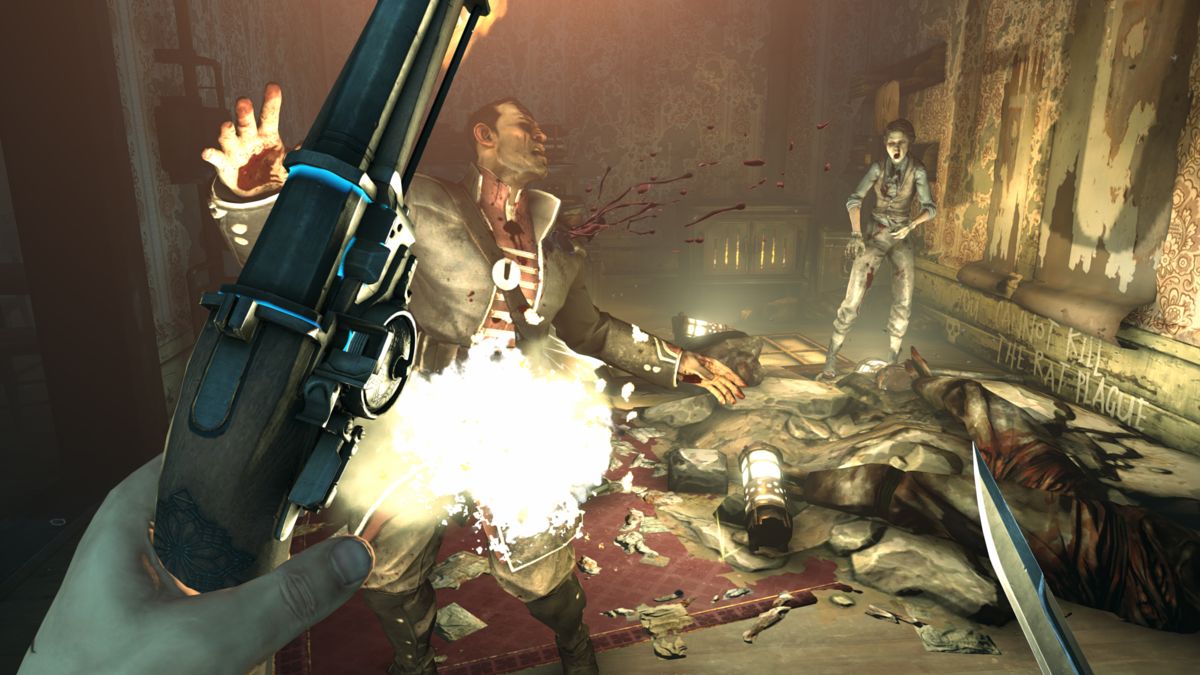
That stubbornness paid off when Arkane, alongside Bethesda, created Dishonored (2012), a masterclass in atmospheric worldbuilding, vertical level design, and systemic magic-stealth gameplay. The studio later cemented its pedigree with critical darlings like Prey (2017) and its acclaimed Mooncrash DLC, spearheaded by creative director Ricardo Bare.
4. The Redfall Misstep and the Closing of Arkane Austin (2020s)
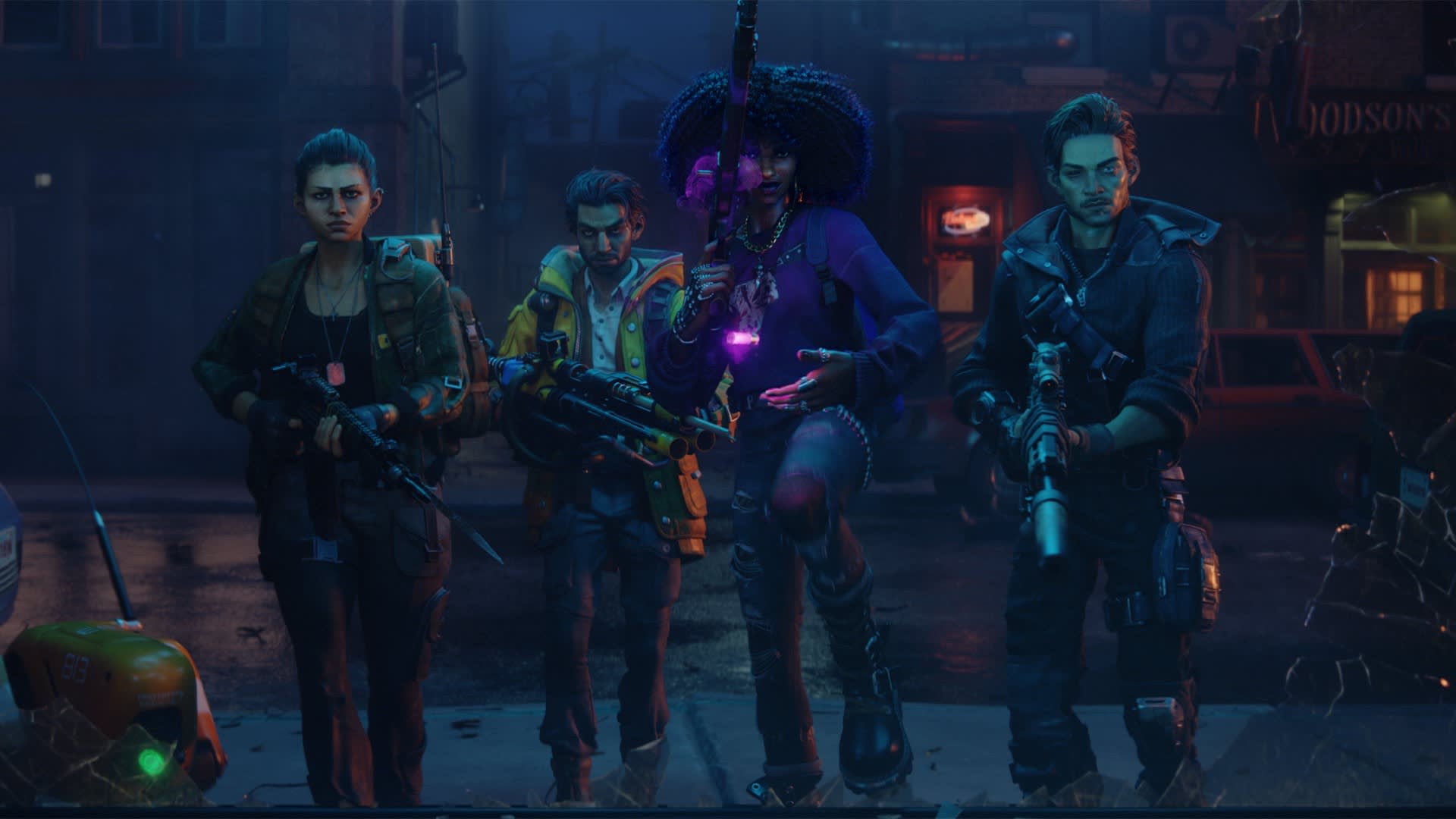
Despite decades of critical acclaim, the pressures of the modern AAA industry eventually caught up with Arkane Austin. Following Bethesda’s acquisition by Microsoft, the studio was pushed into developing Redfall, an open-world, cooperative looter-shooter that attempted to awkwardly weld immersive sim elements onto a games-as-a-service framework.
"That was a game that did not come together," Smith candidly admits. "And we never should have been working on a games-as-a-service game, to be honest."
The game’s release was plagued by technical hurdles, performance controversies (such as the delayed 60 FPS console patch), and the friction of carrying a $70 price tag amid intense platform wars. The subsequent fallout contributed to the closure of Arkane Austin by Microsoft, marking a tragic end for one of the industry’s most revered development hubs.
5. Rebirth: The Founding of Black Pony Immersive
Refusing to let the flame extinguish, Harvey Smith and Redfall production director Ben Horne united to co-found Black Pony Immersive. Free from corporate oversight that demands deviation into unproven genres, the studio’s primary objective is crystal clear: returning to the intricate, single-player immersive sims that built their reputations.
Supporting Context & Metrics: The Economics of Creative Purity
The survival of studios like Arkane and the formation of Black Pony Immersive highlight a persistent tension in the video game market: Purity versus Profitability.
Studio / Project
Genre Focus
Key Milestone / Challenge
Outcome
Looking Glass Studios
Immersive Sim / RPG
Pioneered spatial interactivity (System Shock, Ultima Underworld).
Eventually closed due to financial pressures in 2000, but birthed an industry-wide philosophical movement.
Ion Storm Austin
Immersive Sim / RPG
Created Deus Ex, combining systemic gameplay with deep political narratives.
Established a gold standard for player choice, though publisher interference hampered later sequels.
Arkane Studios (Austin)
Immersive Sim / Stealth
Developed Dishonored and Prey; struggled with Redfall’s live-service pivot.
Achieved legendary critical status before being shuttered by Microsoft following Redfall’s commercial difficulties.
Black Pony Immersive
Single-player Immersive Sim
Formed by Harvey Smith and Ben Horne post-Arkane closure.
Focused entirely on unannounced first-person shooter/stealth/RPG hybrids, prioritizing creative fulfillment.
As Ben Horne pointsalu out, specializing in what you love is a high-risk, high-reward strategy:
"Sometimes it blows up in our face, and sometimes it results in Deus Ex or Dishonored."
Smith echoes this sentiment, noting that the "jack-of-all-trades" approach often dilutes a studio’s identity, whereas deep specialization builds a fiercely loyal audience.
Official Statements & Design Philosophy
The creative philosophy driving Black Pony Immersive is rooted in systemic freedom and environmental storytelling. During recent interviews, key members of the team shared insights into their design processes:
On Player-Paced Design:
Describing Black Pony’s unannounced debut game, Harvey Smith outlines the core pillars: "First-person games that are a hybrid of shooter, stealth and RPG, where the player can be creative and explore. It’s very player-paced, it’s singleplayer, it’s narrative-driven. There’s a lot of atmospherics. That’s what we burn to do."
On Evolving Systemic Mechanics:
Discussing how familiar tropes are revitalized through clever fiction, Smith points to Dishonored’s iconic possession mechanic. What began as a conceptual nod to Hitman’s disguise system evolved into something magical: "If I’m in his body, then I can walk through the Wall of Light because it’s attuned to the guards. Or if I possess a rat, I can get into the rat tunnels and come into the building. And if I walk past the guard, the guard literally tries to stomp me because I’m a rat." This systemic freedom allowed level designers to craft absurd, brilliant paths—such as possessing a fish in a fountain to swim up a u-bend and emerge in an assassination target’s toilet.
On Metaphysical and Political Themes:
Ricardo Bare, a core thinker at Black Pony who previously directed Prey: Mooncrash, brings a metaphysical layer to game design. According to Smith, Bare constantly explores themes of sentience, awareness, and consciousness—asking why certain creatures are capable of empathy while others are not. Combined with Smith’s focus on political power structures and exploitation, these narrative layers ensure that Black Pony’s games will carry intellectual weight.
Future Outlook: The Road Ahead for Black Pony Immersive
The founding of Black Pony Immersive represents more than just a new company; it is a reaffirmation of artistic integrity in an industry increasingly dominated by risk-averse corporate consolidation.
By deliberately naming the studio Black Pony Immersive—in part, as a humorous nod to ensure people stop asking them to work on unrelated genres—Smith, Horne, Bare, and their colleagues have drawn a hard line in the sand. They are returning to the formula that brought them international acclaim: dense, atmospheric worlds, emergent gameplay systems, and absolute respect for player intelligence.
While details on their debut title remain under wraps, the industry is watching closely. If history is any indicator, betting against Harvey Smith and his core team is a fool’s errand. As Smith himself jokes regarding the studio’s singular focus:
"Let’s hope Black Pony’s not the one trick pony, right?"
If that "one trick" continues to be crafting generation-defining immersive sims on par with Deus Ex and Dishonored, the gaming world will be more than happy to ride along.