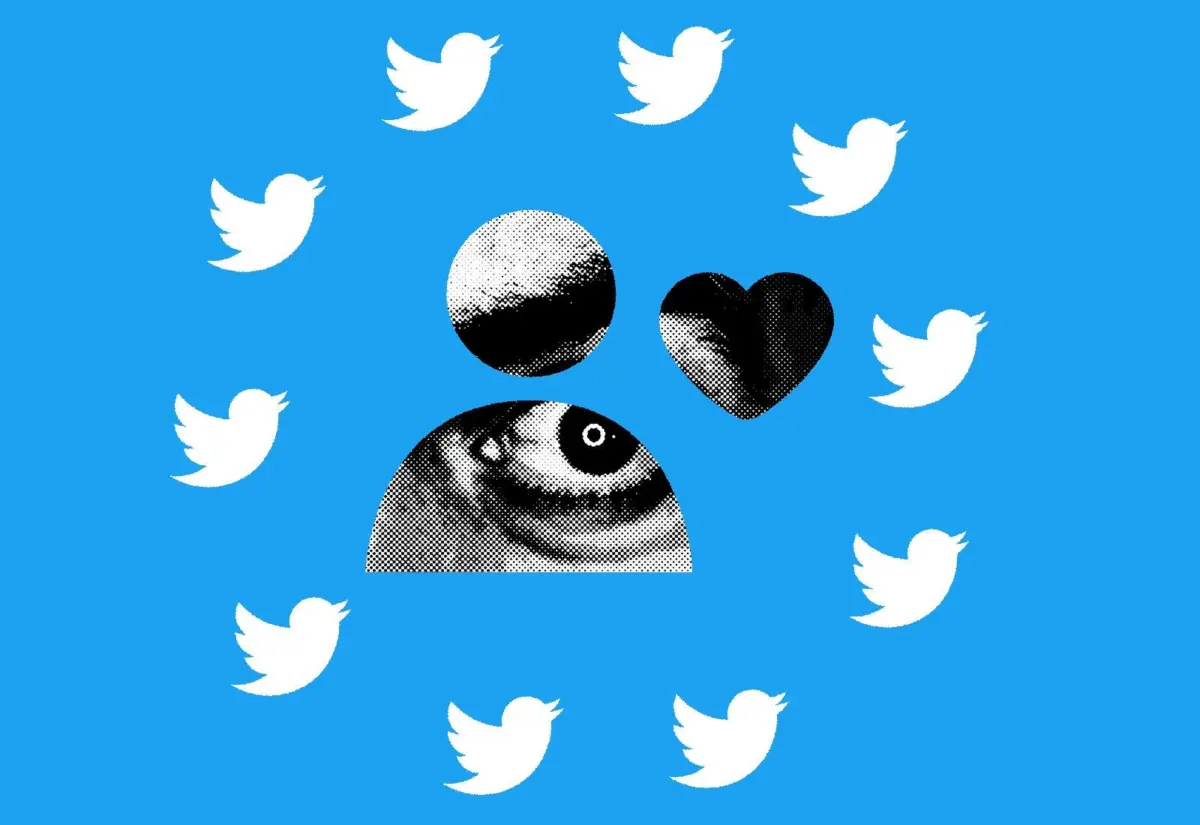
Twitter Circles, once heralded as a revolution in digital privacy and a secure method for intimate online communication, has suffered a catastrophic structural failure. Launched in August 2022 under the platform’s previous administration, the feature was designed to give users granular control over their audiences on a tweet-by-tweet basis. It promised a safe harbor where individuals could cultivate tighter-knit communities, vent frustrations, discuss sensitive topics, and share vulnerable or explicit content without fear of public exposure.
However, just eight months after its debut—and following a tumultuous corporate takeover by billionaire Elon Musk—users began discovering that the digital walls of their Circles had collapsed. Highly confidential posts, ranging from candid personal thoughts to explicit photographs and sensitive discussions regarding gender identity, began bleeding into the platform’s algorithmic "For You" feeds. This meant that total strangers and unapproved followers could view, like, and save content that was explicitly intended for a hand-selected audience of trusted friends and colleagues.
The fallout from this glitch has reignited intense scrutiny regarding the stability and safety of Twitter under its current leadership. Cybersecurity experts, former platform employees, and everyday users alike have pointed to the massive, sweeping layoffs that decimated Twitter’s engineering and data science departments as the root cause of this systemic malfunction. With the platform’s press department responding to media inquiries with automated dismissals, users are left questioning not only the reliability of Twitter Circles, but the foundational security of protected accounts and private messaging across the entire platform. This report provides a detailed breakdown of the chronology, technical implications, expert analyses, and broader ramifications of one of the most glaring privacy breaches in modern social media history.
Detailed Chronology: The Rise and Fall of Twitter Circles
The August 2022 Launch: A Promise of Intimacy
When Twitter officially rolled out Circles to its global user base in late summer 2022, the feature was met with widespread enthusiasm. For years, users had devised workarounds to achieve digital privacy, such as maintaining locked "alt" accounts or manually blocking and unblocking users. Circles aimed to streamline this process by allowing users to add up to 150 people to a restricted group. Every time a user composed a tweet, they could toggle between sending it to the public timeline or exclusively to their Circle.
At the launch, Twitter’s product team emphasized the psychological safety the feature would afford. Marginalized communities, in particular, welcomed the innovation. Organizations like Belong To, an Irish NGO supporting LGBTQ+ youth, praised Circles for empowering vulnerable individuals to control their digital footprint and express themselves authentically without facing public harassment or discrimination. For a brief window, Twitter Circles functioned as intended, fostering localized micro-communities within the broader macro-ecosystem of the platform.
The October 2022 Takeover and Brain Drain
The landscape of the platform shifted dramatically in October 2022 when Elon Musk finalized his $44 billion acquisition of Twitter. In the weeks and months that followed, Musk initiated a series of aggressive restructuring efforts. These included deep cost-cutting measures and sweeping layoffs that eliminated more than half of the company’s total workforce.
Among those let go during the November 2022 layoffs was Melissa Ingle, a senior data scientist who had previously worked on platform integrity and algorithms. The departure of institutional knowledge, coupled with an abrupt shift in corporate strategy and engineering priorities, left critical infrastructure vulnerable to neglect and unforeseen software degradation.
April 2023: The Breach Becomes Apparent
The first concrete indications of a systemic failure surfaced publicly in early April 2023. Users across various demographics began noticing inexplicable activity on content that should have been invisible to the general public.
For New York-based media worker Adam Moussa, the realization came on April 7, roughly 25 minutes after he published a post to his Twitter Circle. Moussa received a notification that an unfamiliar account—someone who followed him, but was explicitly excluded from his Circle—had liked the restricted post. Upon investigating further, Moussa discovered that not only had his standalone Circle posts leaked, but even his replies to other users’ Circle tweets were being broadcasted outward via the algorithm-driven "For You" timeline.
Simultaneously, author Abraham Josephine Riesman experienced a similar breach. Riesman, who recently published a biography titled Ringmaster focusing on former WWE chairman Vince McMahon, had posted a risqué photo from a recent boudoir photoshoot to her Twitter Circle. Expecting the usual localized engagement, she was startled to discover the following morning that an unapproved follower had liked the image, exposing her to an audience far wider than her curated circle of friends.
Supporting Context & Metrics: The Human Cost of Algorithmic Failure
While a leaked photo or a gossipy status update might seem trivial to outsiders, the exposure of private data on a massive public feed carries severe real-world consequences. The fallout of the Circles glitch highlights the fragility of digital boundaries in an era dominated by opaque machine-learning algorithms.
The Vulnerability of Marginalized Communities
For many users, Twitter Circles served as a crucial staging ground for personal discovery and social survival.
- The Transgender Community: Numerous transgender and non-binary individuals relied on Circles to explore their gender identities, announce transitions to trusted circles, or discuss the nuances of dysphoria before they were ready to come out publicly. A algorithmic leak of these posts effectively strips users of their agency, potentially outing them to unsupportive family members, employers, or hostile online mobs.
- Professional Risk: Media workers, activists, and public figures often use secondary spaces to vent professional frustrations or discuss sensitive political developments. Unfiltered exposure on a primary timeline can jeopardize careers, damage professional relationships, and invite targeted harassment.
The Breakdown of the "For You" Algorithm
The technical mechanism behind the breach appears tied to Twitter’s aggressive algorithmic restructuring. Under Musk, the company placed immense emphasis on the "For You" timeline—a machine-learning-driven feed that blends tweets from accounts a user follows with algorithmic recommendations based on inferred interests.
According to data science professionals, the integration of new recommendation code likely bypassed the authorization checks that normally govern closed-access features like Circles. Instead of restricting distribution to the designated database array of Circle members, the content ingestion pipeline treated restricted posts as standard public text, feeding them directly into the recommendation engine to maximize platform engagement metrics.
Official Statements and Industry Reactions
Silence and Dismissal from Twitter Communications
In stark contrast to traditional corporate public relations protocols, inquiries sent to Twitter’s press department regarding the Circles vulnerability were met with the company’s established automated response: the poop emoji. This unconventional policy, instituted under Musk’s tenure, effectively leaves journalists, researchers, and affected users without an official explanation, remediation timeline, or acknowledgment of liability.
Insider Perspectives: A Foreseeable Disaster
Former Twitter data scientist Melissa Ingle did not mince words when assessing the situation, labeling the incident "a major breach of confidentiality." Ingle emphasized that trusting a platform with intimate personal data requires a baseline level of architectural competence that has been severely eroded.
"Your Circle is your trusted group of friends, and to see those posts outside that group suggests the algorithm is lacking basic functionality," Ingle stated. "Unfortunately, under Elon Musk this type of thing is more and more likely to happen because of the severe staffing cuts and lack of expertise he has ushered in."
External academic researchers specializing in digital culture have echoed these sentiments. Ellen Walker, a researcher studying internet storytelling and narrative-curated digital culture at the Royal College of Art in London, noted that the incident illustrates the precarious nature of modern digital enclaves.
"As quickly as enclosed digital spaces can be curated, they can be taken away in a flash, by virtue of either technological enhancements, wider audience participation or, in the case of the Twitter Circles innovation, a severe misstep on the part of moderating forces," Walker observed.
User Resignation and the Erosion of Trust
Among the affected public, reactions ranged from acute embarrassment to profound philosophical resignation. Adam Moussa expressed deep concern over what the glitch portends for broader platform security.
"It seems like the constant tinkering with whatever they want the For You algorithm to be has just fucked this up beyond belief," Moussa remarked. "This kind of portends greater security issues across the board. If you maintain a locked account, what guarantee do you have at all that it will remain locked? It’s a breach. The trust has gone. No one can ever again actually be confident that this shit is not going to completely blow up in their faces."
Conversely, Abraham Josephine Riesman adopted a more fatalistic view of digital ephemerality. Having long abandoned the illusion of total online privacy, her primary concern was acting as a whistleblower to protect less cynical users.
"I think there’s a part of us that just expects this now," Riesman said. "We all who are still trapped here know that the place is falling apart."
Future Outlook: The Point of No Return for Platform Trust
The Twitter Circles fiasco is unlikely to remain an isolated technical glitch; rather, it serves as a watershed moment for the platform’s viability as a safe space for digital discourse. As social media platforms increasingly lean on automated, black-box recommendation algorithms to drive user retention and advertising revenue, the margin for error in permission management systems grows razor-thin.
1. The Death of Semiprivate Enclaves
The incident demonstrates that proprietary platforms cannot reliably maintain enclosed digital ecosystems once their underlying engineering teams have been hollowed out. Users who once relied on features like Circles to carve out safe digital neighborhoods are being forced to migrate to decentralized alternatives (such as Mastodon, Bluesky, or Discord) where privacy controls are baked into the protocol architecture rather than managed by a centralized, cost-cutting corporate authority.
2. Legal and Regulatory Repercussions
While user agreements typically protect social media companies from liability regarding technical malfunctions, the systemic failure to protect sensitive personal data—especially data involving protected classes like LGBTQ+ individuals—invites intense regulatory scrutiny. Data protection authorities in jurisdictions with stringent privacy laws, such as the European Union under the General Data Protection Regulation (GDPR), could theoretically investigate whether Twitter’s structural negligence constitutes a reportable data security breach.
3. A Permanent Shift in Digital Literacy
Ultimately, the Twitter Circles disaster accelerates a cynical maturation among internet users. The illusion that a corporation can or will protect private communications within a public utility has been thoroughly shattered. As trust continues to erode, the digital landscape moves ever closer to an era where users assume zero privacy by default, fundamentally altering how humanity interacts, confesses, and connects online.