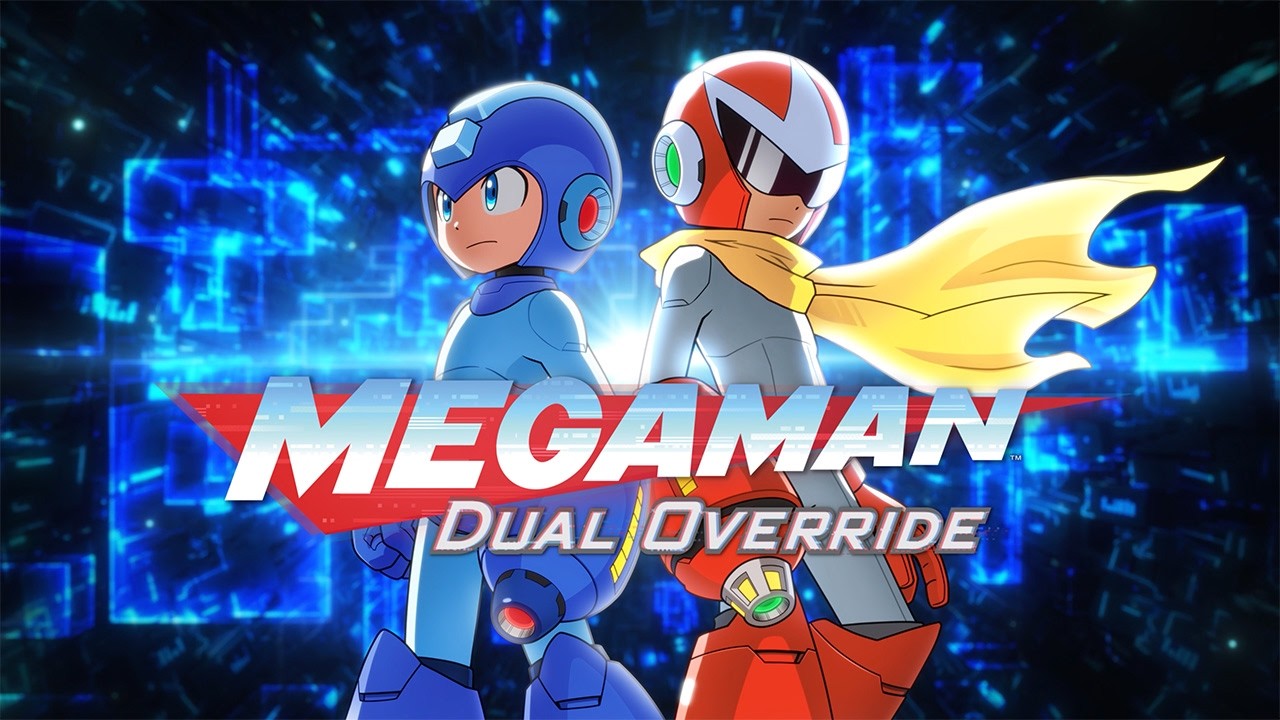
Capcom has officially broken a long-dormant silence regarding one of its most storied franchises, sending shockwaves through the gaming community during Gamescom Opening Night Live. The studio pulled back the curtain on Mega Man: Dual Override, marking the first mainline entry in the classic Mega Man series since 2018’s Mega Man 11. Scheduled for a tentative release window in 2027, the upcoming title promises to inject a radical dose of modernization into a formula that has historically relied on comfortable predictability.
For decades, the Blue Bomber’s core mechanical identity has remained relatively sacrosanct: a trusty arm cannon, a predictable charge shot, and situational weapon copying harvested from fallen robot masters. Dual Override, however, upends this foundational design philosophy. Introducing a high-voltage mechanical framework centered around an aggressive "Override" system and modular Custom Chips, the game treats Capcom’s iconic android hero less like a reliable household appliance and more like a high-performance overclocked gaming rig pushing past manufacturer limits.
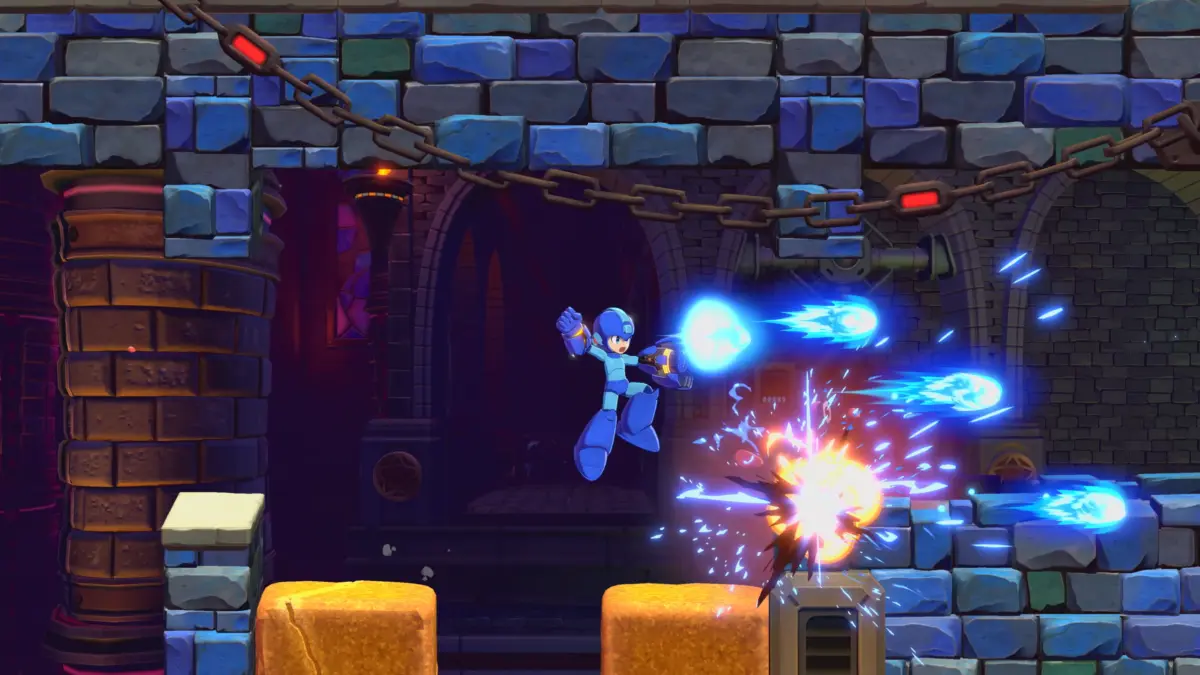
The initial gameplay trailer—showcasing everything from agile aerial dashing to screen-clearing, high-temperature ultimate blasts—has sparked intense debate among purists and newcomers alike. While the combat mobility and visual spectacle represent a massive leap forward for the series, the mechanical introduction of thermal management risks, glowing heatsinks, and volatile "Destroy Mode"-esque states suggests that players will need to manage more than just enemy attack patterns. As the industry looks toward a 2027 launch, Mega Man: Dual Override stands as both an ambitious evolution for the franchise and a fascinating high-stakes gamble by Capcom.
Detailed Chronology
To fully understand the weight of the Mega Man: Dual Override announcement, one must examine the timeline of the franchise leading up to this pivotal reveal at Gamescom.
The Long Hiatus (2018–2024)
Following the triumphant release and critical acclaim of Mega Man 11 in October 2018—a title that successfully revived the classic 2D platforming formula with modern 2.5D graphics—the franchise entered an extended period of quiet. Aside from mobile titles, legacy collections, and crossover appearances, Capcom offered little indication of where the Blue Bomber’s path would lead next. Series creator Keiji Inafune’s departure years prior, coupled with shifting corporate priorities at Capcom toward massive blockbusters like Monster Hunter, Resident Evil, and Street Fighter, left fans wondering if the classic series had been permanently shelved.
The Rumor Mill and Speculation (2025–Early 2026)
Whispers of a new Mega Man project began circulating through industry insider circles in late 2025, suggesting that Capcom’s internal development teams were experimenting with a more dynamic, action-oriented spin on the classic formula. However, management kept strict silence, declining to confirm or deny the existence of any active projects. Fans scoured job listings and trademark filings for clues, anticipating some form of anniversary acknowledgment or teaser trailer.
The Gamescom Opening Night Live Reveal (August 2026)
The drought officially ended during Gamescom Opening Night Live. Capcom stunned attendees and online viewers alike by premiering the debut trailer for Mega Man: Dual Override. The footage immediately subverted expectations by showcasing high-speed, acrobatic combat that far exceeded the measured, deliberate pacing of past 2D installments. Alongside the trailer drop, Capcom updated its digital storefronts, launching the official Steam page and setting a broad release horizon for 2027.
Supporting Context & Metrics
The revelation of Mega Man: Dual Override arrives at a fascinating intersection of technological capability, franchise legacy, and player expectations.
Historically, the classic Mega Man series has prided itself on accessible, rigid mechanics. Players jump, shoot, slide (introduced in Mega Man 3), and charge their busters (introduced in Mega Man 4). This minimalist approach allowed level design to take center stage, challenging players to master enemy placements and environmental hazards through sheer trial and error.
By introducing the Custom Chip and Override systems, Capcom is pivoting toward a risk-reward dynamic reminiscent of modern fast-paced action games. According to initial gameplay analysis:
Mobility Metrics: Mega Man can now chain mid-air dashes and sustained hovers, effectively erasing traditional platforming blind spots in favor of hyper-responsive aerial combat.
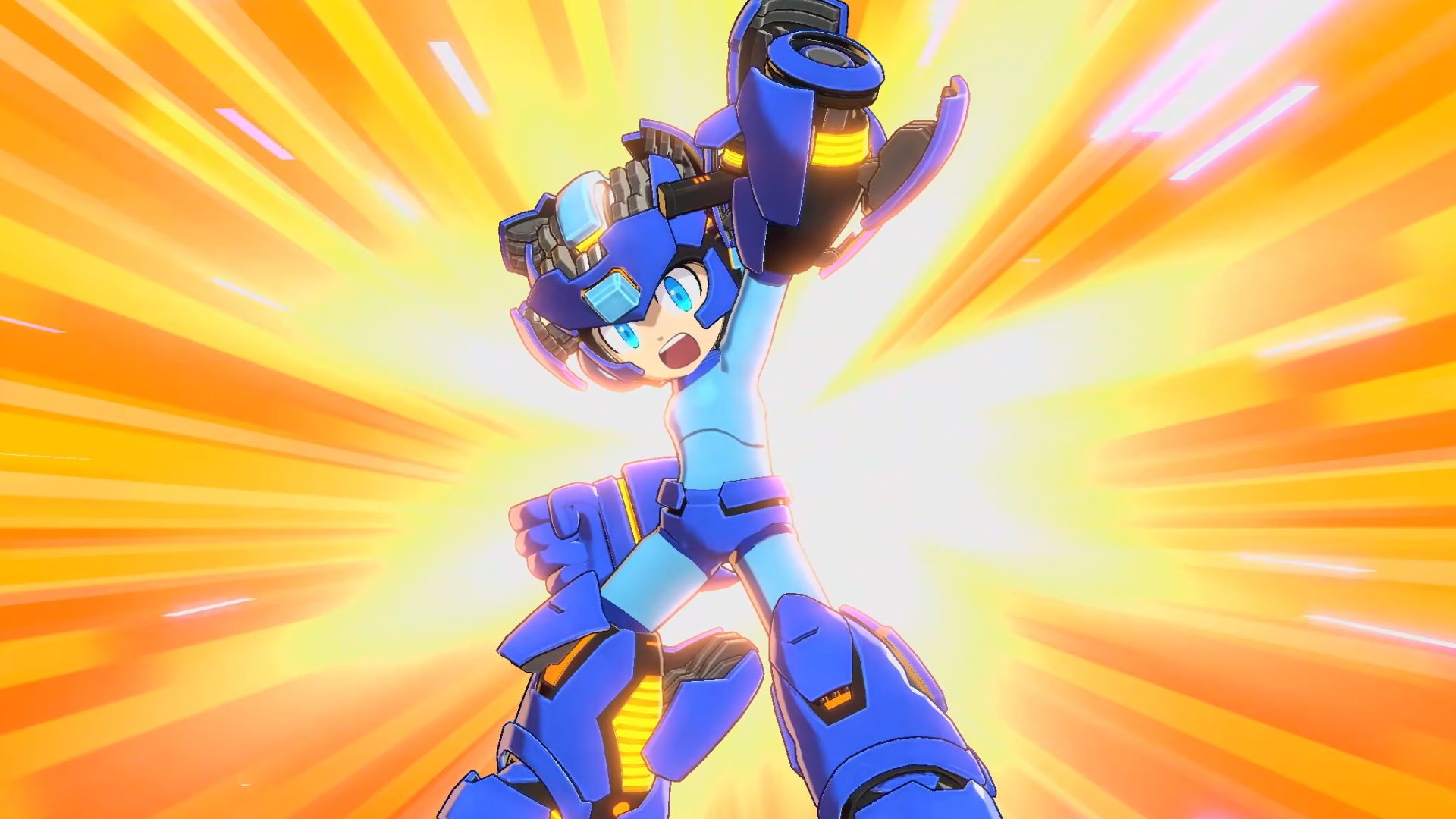
Thermal Thresholds: The newly revealed mechanics introduce visible thermal stress. Extended use of high-output Custom Chips forces Mega Man to expose incandescent heatsinks, creating vulnerable cooling windows where he cannot fire or move at peak efficiency.
Overcharge States: Borrowing structural cues from modern mecha tropes—famously evoking comparisons to the Unicorn Gundam‘s "Destroy Mode"—the late-game footage showcased an overcharged state that instantly neutralizes bosses at the direct cost of structural stability, leaving the protagonist smoking and sparking.
This structural shift speaks to a broader industry trend: reinvigorating legacy 2D/2.5D IPs by infusing them with deep resource-management systems and visceral, high-octane spectacle.
Official Statements & Developer Insights
While full developer roundtables are expected in the coming months as part of Capcom’s promotional ramp-up, initial press releases accompanying the Gamescom reveal have shed light on the creative direction driving Dual Override.
In statements released alongside the debut trailer, Capcom highlighted the thematic and mechanical core of the project:
"Dual Override represents a fundamental evolution for our beloved hero. We wanted to challenge the traditional boundaries of what a classic Mega Man adventure can achieve. By introducing the Override system and modular Custom Chips, players are no longer just reacting to threats—they are actively pushing their internal systems to the absolute brink to achieve overwhelming power."
Development leads have emphasized that while the mechanics are more complex, the soul of the franchise remains intact. The team aims to strike a delicate balance: satisfying veteran players who demand tight, precision-based platforming challenges while attracting a modern audience accustomed to deep customization, fast-paced action loops, and high-visual fidelity.
The introduction of volatile thermal mechanics is reportedly designed to prevent players from permanently relying on overpowered loadouts, forcing strategic decision-making during intense boss encounters rather than mere button-mashing.
Future Outlook
As the gaming world digests the shock of Mega Man: Dual Override, anticipation is already reaching a fever pitch. With a confirmed launch window of 2027 and a live Steam wishlist page up and running, the pressure is entirely on Capcom to deliver a title that honors the franchise’s rich 35+ year history while successfully modernizing its core loop.
Several key questions remain unanswered as we look toward the horizon:
Will traditional Robot Masters return? While the trailer highlighted enhanced combat and boss-melting overcharge states, the classic formula relies on defeating eight distinct bosses to acquire their weapons. How Custom Chips interact with traditional boss powers remains a mystery.
How punishing will the thermal mechanics be? If overheating leaves Mega Man completely defenseless, the game could skew toward an unforgiving difficulty curve that alienates casual platforming fans.
Are other playable characters involved? Historically, characters like Zero, Protoman, or Bass often find their way into mainline or spin-off entries. Whether Dual Override will expand its roster to include other mechanically distinct combatants is a major point of speculation.
What is certain, however, is that the Blue Bomber is no longer confined to the safe, predictable parameters of the past. Capcom has cranked up the voltage, forced open the heatsinks, and lit the fuse on an entirely new era for the franchise. Whether Mega Man can handle the heat without melting down entirely is a question we will all find out together when Dual Override launches in 2027.